When you buy through our links, we may earn a commission. Products or services may be offered by an affiliated entity. Learn more.

How to Put on a CPAP Mask

- CPAP therapy is the most common prescription for people with obstructive sleep apnea (OSA), but wearing the mask correctly plays a big role in effective treatment.
- Learning how to set up the mask and put it on the correct way helps ensure a proper fit and the optimal amount of air pressure for a good night’s sleep.
- In addition to closely following the manufacturer’s instructions on how to wear your CPAP mask, it may take some daytime practice and trial and error to learn how to adjust it. Using other accessories like cpap mask liners can help provide a better, more comfortable fit.
If you’ve never used a CPAP machine before, putting on a CPAP mask might feel overwhelming. A CPAP mask that fits correctly is both secure and comfortable, but getting the right fit can be difficult if you don’t have a guide.
To help you get the right fit – which is critical for both comfort and effective treatment – we’ll walk you through the process with step-by-step instructions. We’ll also provide other information you should know, such as the different parts of a CPAP mask, and helpful tips for wearing and adjusting to your new mask.

What Type of CPAP Mask Do You Have?
Each type of CPAP mask has a design that meets specific needs and requires a different technique for putting it on correctly. It’s important to use a mask type that matches your needs, including your preferred sleep position, because the wrong mask can make PAP therapy uncomfortable or even ineffective and reduce patient adherence.
Nasal Masks
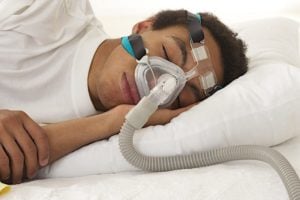
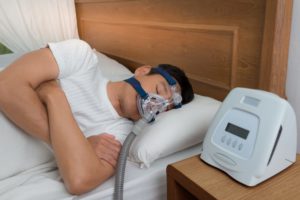
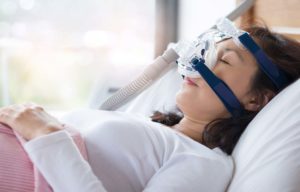
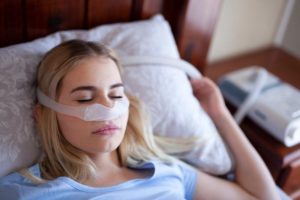
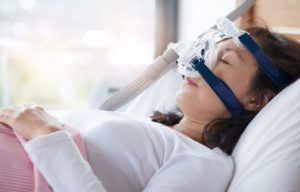
Nasal CPAP masks deliver pressurized air through your nose while leaving your mouth free. Although most nasal masks cover the whole nose — starting at the bridge and ending above your upper lip — there are also nasal cradle styles that leave most of your nose uncovered.
Nasal masks are one of the most popular CPAP mask styles and work well for a wide range of people. Lower-profile nasal masks are particularly useful for people who wear glasses, sport facial hair, or like to watch TV before bed.
Nasal Pillow Masks
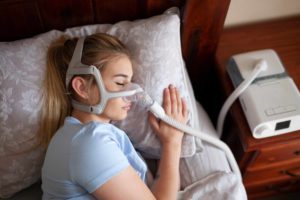
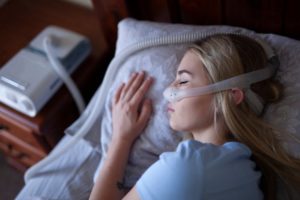
Nasal pillow masks gently inflate inside of your nostrils to create a seal, which directs air through your nose while minimizing skin contact. As the lightest and most streamlined of CPAP mask styles, nasal pillow masks are a popular choice for people who find other masks claustrophobic. They can also make it easier to sleep on your stomach or side.
Full Face Masks
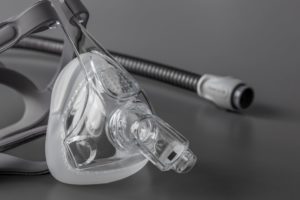
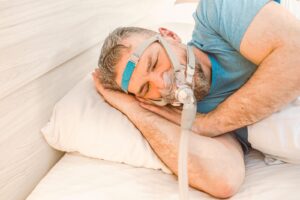
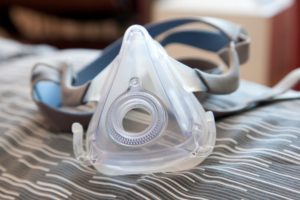
Full-face CPAP masks direct air through both your nose and mouth. Most start at the bridge of your nose and end below your lower lip, but some compact versions leave most of your nose free. Full-face masks are the best choice for people who breathe through their mouth during sleep. They are also more comfortable than most nasal styles for people who have been prescribed high air pressure levels with their CPAP therapy.
What’s Are the Parts of a CPAP Mask?
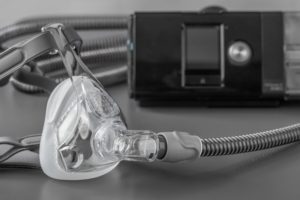
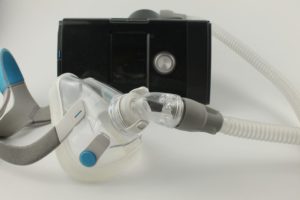
Although CPAP masks can look very different from one another, most have some components in common. If you’re not sure which part is which on your mask, the manufacturer’s instructions should include a useful diagram to use as a visual guide.
| CPAP Mask Part | Description |
|---|---|
| Frame | A CPAP mask’s frame holds the mask together. Other parts either clip or snap into the frame, which is usually made of plastic or other hard material to provide stability. |
| Headgear | Headgear secures the CPAP mask to your face. Headgear can vary significantly between designs, but usually involves one or more straps that wrap around the back of your head. |
| Cushions | Full-face and nasal CPAP masks use a cushion to create a seal against your skin. The cushion is usually made from silicone or foam. |
| Pillows | Nasal pillow CPAP masks use a set of pillows instead of a cushion. The pillows, which inflate inside your nostrils, are usually made from silicone or gel. |
| Tubing connection | CPAP masks have different ways to connect your CPAP tubing to your mask. Swiveling elbows, for example, connect at 90 degrees and allow for greater freedom of movement. Some masks also feature swiveling tubing connections at the top of the frame, allowing wearers to use any sleep position without tangling the hose. |
Preparation Phase: Before You Wear Your Mask
Preparing yourself, your room, and your equipment before going to bed is an easy way to cut down on CPAP-related frustrations. These steps will likely become second nature as you get used to nightly CPAP therapy.
Check Your Equipment
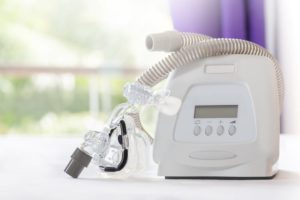
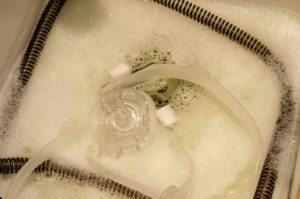
Before putting on your mask, you should double-check that it is clean and assembled correctly. You should also make sure that your CPAP machine itself is resting on a stable surface without other objects blocking any of its vents.
Set Up Your Bedroom
Falling asleep while wearing a CPAP mask is easiest when your bedroom is set up to help you sleep well. A dark, cool bedroom helps tell your body that it’s time to sleep, while keeping the humidity at a comfortable level can help reduce the risk of condensation in your CPAP tubing.
It’s also important to make sure you have space for your CPAP equipment. There should be no obstructions between you and your CPAP machine, and your tubing should be corralled so that it doesn’t become tangled or snagged during the night.
Prepare Your Face
Your face should be clean and dry before you put your CPAP mask on. Unabsorbed lotion and oil can damage your equipment and make it harder to get a good seal, so you might want to consider moisturizing earlier in the evening.
If you have facial hair, remember to choose a CPAP mask that works with it and keep it well-trimmed.
Putting On a CPAP Mask: Step-by-Step
The more you use your CPAP mask, the more comfortable putting it on will become. You might want to put your mask on in front of a mirror at first so that it’s easier to see what you’re doing.
Step 1: Mask Assembly
Your mask should be clean and correctly assembled before you put it on. Most manufacturers include assembly instructions with the mask or feature guided instructions on their website. While mask assembly instruction could vary by mask type, in general, you can follow these steps.
- Connect the mask frame to the mask. Usually, the components will snap together.
- Connect the cushion or pillows to the mask.
- Fasten the mask frame to the headgear straps, which might use snaps, clips, or hook-and-loop (VELCRO®) closures.
- Secure the tubing to the mask’s connection port, which may be located on the mask or at the top of the frame.
Step 2: Mask Positioning
Different mask types need to be positioned in different ways:
- Nasal masks should rest against the bridge of your nose without any gaps and above your upper lip without crowding your nostrils.
- Nasal cradle-style masks should tuck in between your nostrils and upper lip without digging into the skin.
- Nasal pillows slip into your nostrils, so they should be balanced and even with the rest of your face when you look in the mirror.
- Traditional full-face masks should be centered between the bridge of your nose and the middle of your chin. Compact styles shouldn’t put any pressure on your upper teeth or nostrils.
Step 3: Securing the Mask
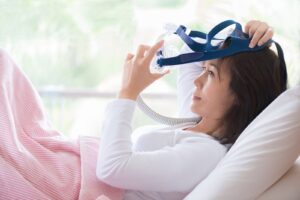
Once your cushion or pillows are aligned, you should follow the manufacturer’s instructions on how to secure and adjust your mask’s headgear. Test the fit while in your normal sleeping position and with the machine on, since it can feel different when you’re sitting up without pressurized airflow.
A secure fit shouldn’t feel like the mask is digging into your face, since over-tightening can also cause leaks. A mask that fits properly will feel comfortable being loose, and won’t shift when you turn your head, lie down, or change positions.
Step 4: Connecting the Tubing
Almost all CPAP tubing has a standard 22-millimeter cuff that should slip snugly over the mask connection port. Soft, flexible cuffs can be easier to work with than hard cuffs, so you might want to use a soft adapter if your hose has a hard cuff.
Step 5: Test Your Mask
To test your mask for leaks, turn on your CPAP machine. You might have a leak if you hear a loud or sharp hissing noise, or if you feel a jet of air against your skin or near your eyes. Some CPAP machines also include a leak detection feature that will issue alerts when a leak occurs.
Step 6: Last-Minute Adjustments
A leaking mask is usually under or over-tightened, or isn’t positioned correctly. Tightening or loosening your headgear can help fix air leaks by creating a proper seal over your nose and/or mouth. If your mask doesn’t feel quite right, you can try gently lifting the mask off of your face and repositioning it back over your mouth and/or nose. That alone will often do the trick.
If this method doesn’t work, you may want to take the entire mask off and start over in case you need to further loosen or tighten the straps before repositioning it on your face. Make very small adjustments in the desired direction and test until you reach the ideal balance of stability and comfort.
Tips for a Comfortable Mask Fit
There are lots of tricks for using a CPAP mask. You’ll likely discover some of them with time, but here are some important tips to help get you started.
Make Sure You Have the Right Size
If your mask keeps leaking no matter what you do, it might be the wrong size. Most manufacturers offer printable fit guides that can help you decide on the right cushion, pillow, or headgear size. One rule of thumb is to choose the smallest mask size that fits you without pinching.()
Many people try to make up for an incorrect mask size, or a poorly positioned mask, by over-tightening their headgear. Headgear that is too tight will not fix these issues and can cause air to leak – even if the mask fits correctly.
Use CPAP Mask Liners
CPAP mask liners are fabric barriers that fit around your mask cushion or pillows to minimize contact with your skin. Some people find that liners are more comfortable and help protect their skin from irritation. Liners can also help keep your equipment clean by creating a barrier against skin oil and debris.
Address Mask Leaks
Large air leaks can be uncomfortable and noisy, but even leaks that are barely noticeable can make your CPAP therapy significantly less effective.
Your CPAP machine is calibrated to deliver the air pressure level that will keep your airways open during sleep. Leaks lower the air pressure level, which means that you might experienceapnea events even while using your CPAP machine.
Prevent Skin Irritation
Choosing a mask that suits your needs and fits properly is the best way to prevent irritation, but there are other tricks that can help you protect your skin:
- Make sure both your skin and equipment is clean before putting on your mask.
- Choose a cushion material that your skin doesn’t react to, or use a fabric mask liner.
- Use a moisturizer that absorbs completely and wait for it to sink in before putting on the CPAP mask.
- Ensure that your headgear is properly adjusted and not too tight.
Get Used to Wearing Your Mask
Even if your mask fits correctly, it might still feel strange or even uncomfortable until you get used to it. Wearing it during the day can help desensitize you to the feeling, particularly if you pair it with relaxation techniques.
If your mask fits well but you continue to feel uncomfortable, or if you experience claustrophobia, your doctor might have further advice to help relieve your discomfort.
Frequently Asked Questions
Should I put my CPAP mask on before turning the machine on?
Yes, you should have your CPAP mask on and secure before you turn your CPAP machine on. Once the air pressure begins to flow, it will help create the seal to prevent air from leaking out. If the mask doesn’t fit quite right, you can make the necessary adjustments.
How tight should a CPAP mask be?
A CPAP mask should fit snugly and securely so that you can move around without it shifting. However, it shouldn’t cause discomfort or feel overly restrictive.
Can I sleep on my side with a CPAP mask?
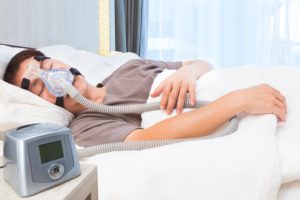
Yes, you can sleep on your side when wearing a CPAP mask. In fact, the side sleeping position is preferred if you have OSA because it can help open up the airway and prevent mouth breathing, which tends to happen when people lie on their backs. It’s also more comfortable than trying to sleep on your stomach with a mask.
What should I do if my mask leaks when I move?
If your mask is leaking when you move in bed, you may need to try adjusting the mask or tightening it so it’s more secure. If it persists, you can also try adding a mask liner, which can sometimes help prevent leaks. Or, it might be time to replace your CPAP equipment or work with your provider to find a mask that works better for you.

Still have questions? Ask our community!
Join our Sleep Care Community — a trusted hub of product specialists, sleep health professionals, and people just like you. Whether you’re searching for the perfect mattress or need expert sleep advice, we’ve got you covered. Get personalized guidance from the experts who know sleep best.
References6 Sources
Genta, P. R., Kaminska, M., Edwards, B. A., Ebben, M. R., Krieger, A. C., Tamisier, R., Ye, L., Weaver, T. E., Vanderveken, O. M., Lorenzi-Filho, G., DeYoung, P., Hevener, W., & Strollo, P. (2020). The Importance of Mask Selection on Continuous Positive Airway Pressure Outcomes for Obstructive Sleep Apnea. An Official American Thoracic Society Workshop Report. Annals of the American Thoracic Society, 17(10), 1177–1185.
https://pmc.ncbi.nlm.nih.gov/articles/PMC7640631/Pinto VL, Sankari A, Sharma S. Continuous Positive Airway Pressure. [Updated 2025 Jul 7]. In: StatPearls [Internet]. Treasure Island (FL): StatPearls Publishing; 2025 Jan-.
https://www.ncbi.nlm.nih.gov/books/NBK482178/NIH. CPAP – CPAP | NHLBI, NIH. www.nhlbi.nih.gov. Published 2022.
https://www.nhlbi.nih.gov/health/cpapAmerican Association of Sleep Technologists. (2021, April 9). CPAP Machines/CPAP Masks: What You and Your Patients Need to Know.
https://aastweb.org/cpap-machinescpap-masks-what-you-and-your-patients-need-to-know/Chen, N., Huang, Q., Lin, S., Huang, H.Y., Tung, P. Continuous Positive Airway Pressure (CPAP) Ventilator, Snoring and Obstructive Sleep Apnea, 10.1007/978-981-95-2648-2_12, (151-161), (2025).
https://onlinelibrary.wiley.com/doi/10.1111/resp.13808Meraj, A., Koep, L., & Baig, M. R. (2025). Development of a guide for continuous positive airway pressure use – A good fit: Making continuous positive airway pressure work for you. Canadian journal of respiratory therapy : CJRT = Revue canadienne de la therapie respiratoire : RCTR, 61, 7–16.
https://pubmed.ncbi.nlm.nih.gov/39866656/