When you buy through our links, we may earn a commission. Products or services may be offered by an affiliated entity. Learn more.

How Does Sleep Apnea Affect the Heart?


- Sleep apnea affects blood oxygen levels and causes fragmented sleep, with knock-on effects for heart health.
- Studies suggest that sleep apnea increases the risk of high blood pressure, pulmonary hypertension, coronary artery disease, atrial fibrillation, heart failure, stroke, and heart attack.
- People with a heart condition should be on the lookout for signs of sleep apnea, and talk to their doctor about a sleep study and potential treatment plan.
Sleep apnea is a common disorder that causes interrupted breathing during sleep. Although seemingly harmless and often not noticeable, over time these disruptions in breathing can have serious consequences for metabolism, breathing, and the cardiovascular system. As a result, sleep apnea is closely tied to a number of chronic health conditions, including obesity, type 2 diabetes, and heart disease .
In this article, we’ll take a look at how sleep apnea affects the body and what this means for long-term heart health. We’ll also discuss steps you can take to lower your risk of chronic health conditions if you have sleep apnea.
How Does Sleep Apnea Impact the Heart?
Sleep apnea is a disorder in which a person repeatedly stops breathing during sleep. This can be caused by a physical airway blockage as in obstructive sleep apnea (OSA), or by a miscommunication between the brain and lungs as in central sleep apnea . In severe cases, pauses in breathing can occur upwards of 30 times an hour , with wide-ranging effects on the lungs and heart.
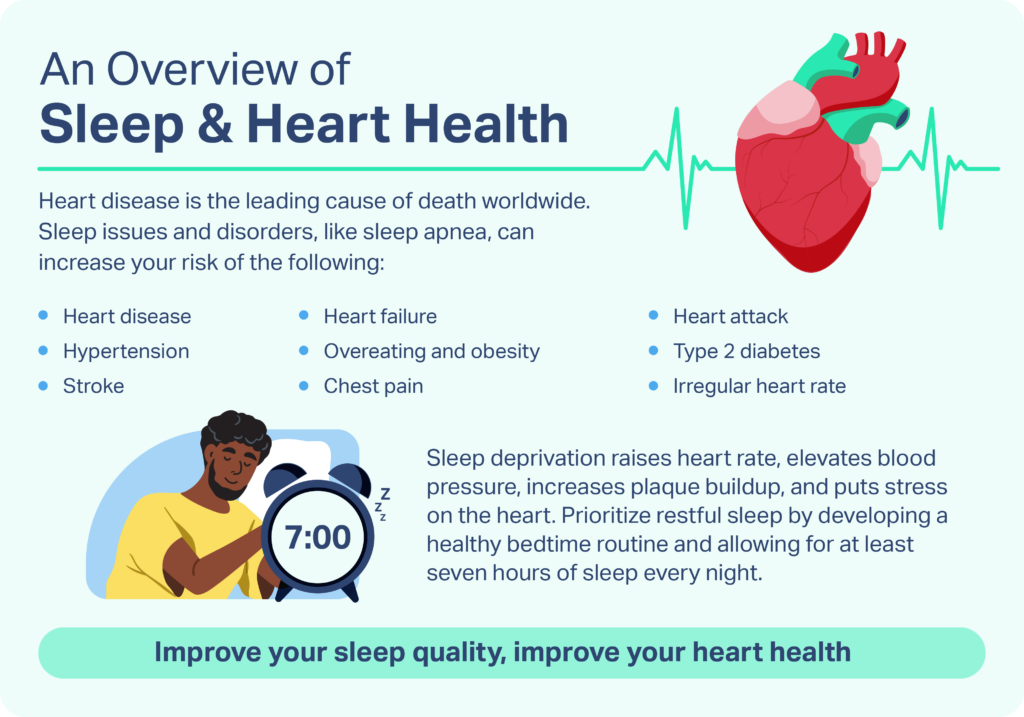
Beyond causing excessive daytime sleepiness, repeated pauses in breathing deprive the lungs of oxygen and cause significant stress on the body . Sleep apnea is associated with a range of serious health complications, including coronary heart disease, heart failure, stroke, and an irregular heartbeat.
While researchers are continuing to learn about the ways in which sleep apnea affects the cardiovascular system and contributes to heart disease, several biological pathways have been suggested.
Sleep Fragmentation
Every time breathing is interrupted, the sleeper partially or fully wakes up in order to resume breathing . This leads to disrupted sleep, which is thought to affect heart health in addition to causing daytime sleepiness. In fact, several studies have found that among people with OSA, those who experience daytime sleepiness may face a higher risk of heart conditions .
Experts propose that heart disorders may also negatively affect sleep in their own right, creating a cycle in which each condition worsens the other.
Fluctuating blood oxygen levels
Hypoxia is the term for when blood oxygen levels are lower than usual. People with sleep apnea experience repeated short episodes of hypoxia every time they stop breathing. Hypoxia is thought to contribute to high blood pressure, atherosclerosis, and heart attack risk.
Activation of the Sympathetic Nervous System
Sleep apnea triggers a fight-or-flight response, known as the sympathetic nervous system, which prevents the sleeper from fully relaxing during sleep.
As the body becomes deprived of oxygen, specialized cells called chemoreceptors detect changes in blood oxygen levels and activate the sympathetic nervous system to respond. The sympathetic nervous system triggers the body to gasp for air.
The sympathetic nervous system also responds to low blood oxygen levels by constricting blood vessels and increasing heart rate and blood pressure . As the pauses in breathing continue throughout the night, ongoing changes in blood pressure may lead to hypertension (chronic high blood pressure) or make existing hypertension worse. Over the long term, this may contribute to additional conditions such as atrial fibrillation and heart failure.
Changes in Pressure Within the Chest
When a person with obstructive sleep apnea (OSA) attempts to breathe, they inhale against a narrowed or closed upper airway. These unsuccessful, forced inhalations can cause substantial changes in pressure within the chest cavity. Over time, these repetitive changes in intrathoracic pressure can damage the heart, leading to atrial fibrillation (an irregular, often rapid heartbeat), problems with blood flow to the heart, and even heart failure.
Oxidative Stress and Inflammation
Oxidative stress is cell damage that occurs when your body takes in too many harmful molecules, called free radicals, and doesn’t have enough of the molecules that safely deal with them, called antioxidants . Oxidative stress is believed to contribute to cardiovascular disease. Experts believe that recurring low blood oxygen levels in OSA may trigger the production of free radicals and contribute to oxidative stress.
A related effect of OSA is inflammation. It’s normal for your body to generate inflammation to protect against something harmful, such as bacteria or trauma . However, when the body’s inflammation levels are permanently higher than usual, this is a recognized contributor to cardiovascular disease, including atherosclerosis and events such as stroke or heart attack . OSA has been linked to ongoing inflammation.
Both oxidative stress and inflammation put strain on the blood vessel walls.

Can Sleep Apnea Cause Heart Problems?
Sleep apnea contributes to a number of heart problems through short-term and long-term effects on the lungs, blood vessels, and heart.
High Blood Pressure
An estimated 50% of people with OSA also have high blood pressure. People with more severe OSA may be more likely to have high blood pressure. A high blood pressure diagnosis often follows in the first five years after discovering you have sleep apnea .
One of the many important roles of sleep is to allow the body to rest and recuperate. Heart rate and blood pressure drop during sleep as breathing becomes stable and regular. But in people with OSA, the nervous system’s fight-or-flight response stays heightened during sleep as the sleeper struggles to breathe. The heart doesn’t get the rest it needs, and this increases the risk of developing high blood pressure.
Because their blood pressure doesn’t dip during the night, people with OSA often have high blood pressure in the morning, even if they take blood pressure medication.
Pulmonary Hypertension
Pulmonary hypertension is the medical term for high blood pressure in the arteries that feed the lungs . Approximately one in five people with moderate or severe OSA have pulmonary hypertension.
One of the causes of pulmonary hypertension is having low blood oxygen levels, which is what happens in sleep apnea. The pulmonary arteries narrow, making it more difficult to pump through blood.

Coronary Artery Disease
Coronary artery disease is a type of heart disease marked by atherosclerosis, or a buildup of plaque in the arteries that deliver blood to the heart . The plaque narrows the arteries and makes it difficult to pump blood, putting strain on the heart muscle and interfering with blood delivery to the rest of the body.
Research suggests that OSA and coronary artery disease affect each other. OSA can worsen coronary artery disease in people who already have the condition, and coronary artery disease may exacerbate OSA symptoms.
Sometimes, apneas may directly trigger chest pain or even cause part of the plaque to break off from the artery wall, which can cause a heart attack.
Heart Attack and Stroke
Moderate to severe OSA is believed to raise the risk of experiencing a stroke, heart attack , or sudden death from a heart-related event. Having high blood pressure due to OSA also interferes with recovery after stroke.
People with OSA are more likely to have a heart attack at night, when sleep apnea is actively causing dips in blood oxygen levels, stress on the circulatory system, and surges in adrenalin. Those with excessive daytime sleepiness or exceedingly low blood oxygen levels may be more likely to experience major cardiovascular events.
Heart Failure
Heart failure is a chronic condition that occurs when your heart is too weak or too stiff to pump the blood your body needs . An estimated 50% to 75% of people with heart failure also have obstructive and/or central sleep apnea
. Having sleep apnea together with heart failure is associated with more severe heart failure and a higher likelihood of premature death.
Sleep apnea causes dips in blood oxygen levels and partial awakenings, triggering spikes in adrenalin that spur on heart disease. Changes in pressure in the chest cavity also put stress on the heart muscles.
The two conditions also share many risk factors, including oxidative stress, inflammation, and sympathetic nervous system activation. OSA also plays a role in atrial fibrillation and high blood pressure, which in themselves can contribute to heart failure.
AFib
Atrial fibrillation (AFib) is a type of cardiac arrhythmia in which the heart doesn’t beat at a steady rhythm . Research suggests that people with obstructive or central sleep apnea are up to four times more likely to have atrial fibrillation, and the more severe the sleep apnea, the more likely someone is to have atrial fibrillation. OSA also makes it less likely that surgeries to correct atrial fibrillation will be successful.
OSA may contribute to structural changes in the heart and it also triggers the fight-or-flight response, both of which contribute to AFib . A few studies have found that hypopneas may directly trigger episodes of atrial fibrillation .
How to Reduce the Risks of Sleep Apnea and Heart Disease
If you have heart disease, you should assume there’s a good chance you also have sleep apnea, and vice-versa. Following a treatment plan that addresses both conditions is important in order to reduce the risk of long-term consequences.
Sleep apnea and heart disease share some common risk factors, the main one being obesity. The first step to minimizing your risk of these conditions is to follow a healthy lifestyle, which includes getting regular exercise, eating plenty of fruits and vegetables, and maintaining a healthy weight.
Some risk factors for heart disease can’t be helped, such as growing older or having a family history of heart disease . But following a healthy lifestyle that incorporates the following may help lower your risk:
- Controlling blood pressure, cholesterol, and triglyceride levels
- Quitting smoking
- Limiting alcohol
- Following a healthy diet high in antioxidants and low in sugar, sodium, and saturated fats
- Managing stress
- Getting quality sleep
- Working toward a healthy weight
- Managing diabetes
If you have heart disease, your doctor may assign specific treatments such as:
- Lifestyle changes
- Medication
- Surgery
- Cardiac rehabilitation
- A pacemaker
Although people with heart failure may not notice many obvious symptoms of sleep apnea, it’s helpful to be on the lookout for some telltale signs, such as:
- Frequent loud snoring or gasping during sleep
- Reduced breathing or pauses in breathing during sleep
- Daytime sleepiness and fatigue
- Difficulty maintaining attention and concentration
- Dry mouth or headaches when waking
- Sexual dysfunction or decreased libido
- Waking up often at night to urinate
- Trouble sleeping through the night
Sleep apnea is generally managed with a mix of lifestyle changes and therapies designed to keep the airway open during sleep:
- Lifestyle changes:Weight loss, exercise, limiting alcohol, quitting smoking, and even changing your sleeping position may help curb symptoms of sleep apnea.
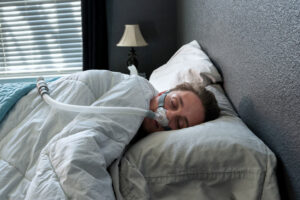
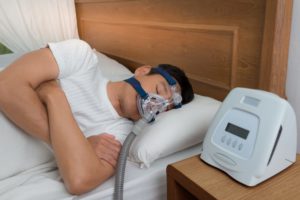
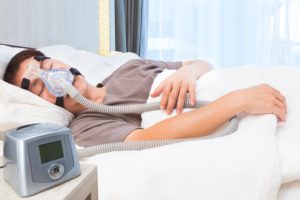
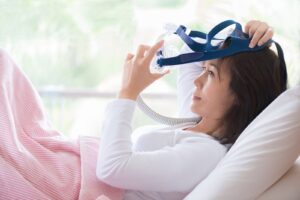
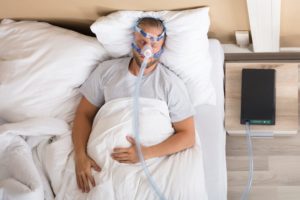
- Continuous positive airway pressure (CPAP) devices: CPAP devices pump air through the airway, preventing the upper airway from collapsing during sleep.
- Mouthpieces and oral appliances: Oral appliances normalize breathing during sleep by changing the position of the jaw or tongue so they are less likely to constrict the airway.
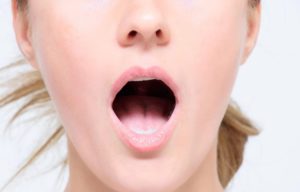
- Mouth and throat exercises: Depending on the cause of your sleep apnea, special exercises of the mouth and throat may help tone these muscles, making them less likely to interfere with breathing during sleep.
- Surgery: Surgery for sleep apnea may involve changing parts of the body that cause airway constriction or implanting devices that causes tightening of the muscles around the airway.
CPAP therapy helps lower blood pressure, but more research is needed to understand if CPAP or alternative sleep apnea treatments can help with symptoms and outcomes of atrial fibrillation, heart failure or sudden events like stroke.

Still have questions? Ask our community!
Join our Sleep Care Community — a trusted hub of sleep health professionals, product specialists, and people just like you. Whether you need expert sleep advice for your insomnia or you’re searching for the perfect mattress, we’ve got you covered. Get personalized guidance from the experts who know sleep best.
Rob Newsom is a health and science writer and mental health counselor with extensive experience communicating complex medical information to general audiences. He spent a decade at the National Cancer Institute, where he helped translate health and medical information for the public.
Dr. Truong is a Stanford-trained sleep physician with board certifications in sleep and internal medicine. She is the founder of Earlybird Health.
Learn more about our medical advisory boardReferences21 Sources
Kline, Lewis R. (2024, October 9). Clinical presentation and diagnosis of obstructive sleep apnea in adults. UpToDate.
https://www.uptodate.com/contents/clinical-presentation-and-diagnosis-of-obstructive-sleep-apnea-in-adultsBadr, M. S. (2023, March 9). Central sleep apnea: Pathogenesis. In R. D. Chervin (Ed.). UpToDate.
https://www.uptodate.com/contents/central-sleep-apnea-pathogenesisMalhotra, A., & Kundel, V. (2024, December 17). Obstructive sleep apnea: Overview of management in adults. In N. Collop (Ed.). UpToDate.
https://www.uptodate.com/contents/obstructive-sleep-apnea-overview-of-management-in-adultsMehra, R. (2024, May). Obstructive sleep apnea and cardiovascular disease in adults. In N. Collop & G. Finlay (Ed.). UpToDate.
https://www.uptodate.com/contents/obstructive-sleep-apnea-and-cardiovascular-disease-in-adultsO’Donnell C, O’Mahony AM, McNicholas WT, Ryan S. Cardiovascular manifestations in obstructive sleep apnea: current evidence and potential mechanisms. Pol Arch Intern Med. 2021;131(6):550-560. doi:10.20452/pamw.16041
https://pubmed.ncbi.nlm.nih.gov/34184854/Cowie MR, Linz D, Redline S, Somers VK, Simonds AK. Sleep Disordered Breathing and Cardiovascular Disease: JACC State-of-the-Art Review. J Am Coll Cardiol. 2021;78(6):608-624. doi:10.1016/j.jacc.2021.05.048
https://pubmed.ncbi.nlm.nih.gov/34353537/Dissanayake HU, Bin YS, Sutherland K, Ucak S, de Chazal P, Cistulli PA. The effect of obstructive sleep apnea therapy on cardiovascular autonomic function: a systematic review and meta-analysis. Sleep. 2022;45(12):zsac210. doi:10.1093/sleep/zsac210
https://pubmed.ncbi.nlm.nih.gov/36107126/Pizzino, G., Irrera, N., Cucinotta, M., Pallio, G., Mannino, F., Arcoraci, V., Squadrito, F., Altavilla, D., & Bitto, A. (2017). Oxidative stress: Harms and benefits for human health. Oxidative Medicine and Cellular Longevity, 2017, 1–13.
https://www.ncbi.nlm.nih.gov/pmc/articles/PMC5551541/A.D.A.M. Medical Encyclopedia. (2020, February 2). Immune response. MedlinePlus.
https://medlineplus.gov/ency/article/000821.htmUptodate.com. Published 2019. https://www.uptodate.com/contents/overview-of-established-risk-factors-for-cardiovascular-disease
https://www.uptodate.com/contents/overview-of-established-risk-factors-for-cardiovascular-diseasewww.uptodate.com. https://www.uptodate.com/contents/c-reactive-protein-in-cardiovascular-disease
https://www.uptodate.com/contents/c-reactive-protein-in-cardiovascular-diseaseStrohl, K. P. (2022, October). Obstructive sleep apnea (OSA). Merck Manual Professional Version.
https://www.merckmanuals.com/professional/pulmonary-disorders/sleep-apnea/obstructive-sleep-apnea-osaA.D.A.M. Medical Encyclopedia. (2020, January 1). Pulmonary hypertension. MedlinePlus.
https://medlineplus.gov/ency/article/000112.htmNational Library of Medicine. Coronary artery disease. Medlineplus.gov. Published 2019. https://medlineplus.gov/coronaryarterydisease.html
https://medlineplus.gov/coronaryarterydisease.htmlYow AG, Venkat Rajasurya, Sandeep Sharma. Sudden Cardiac Death. Nih.gov. Published July 30, 2019. https://www.ncbi.nlm.nih.gov/books/NBK507854/
https://www.ncbi.nlm.nih.gov/books/NBK507854/MedlinePlus. Heart Failure. MedlinePlus. Published 2022. https://medlineplus.gov/heartfailure.html
https://medlineplus.gov/heartfailure.htmlMalhotra, A., & Fang, J. C. (2021, July 15). Sleep-disordered breathing in heart failure. In M. S. Badr (Ed.). UpToDate.
https://www.uptodate.com/contents/sleep-disordered-breathing-in-heart-failureMedlinePlus: National Library of Medicine (US). (2016, August 15). Arrhythmia.
https://medlineplus.gov/arrhythmia.htmlLinz D, Nattel S, Kalman JM, Sanders P. Sleep Apnea and Atrial Fibrillation. Card Electrophysiol Clin. 2021;13(1):87-94. doi:10.1016/j.ccep.2020.10.003
https://pubmed.ncbi.nlm.nih.gov/33516410/Tavares L, Lador A, Valderrábano M. Sleep Apnea and Atrial Fibrillation: Role of the Cardiac Autonomic Nervous System. Methodist Debakey Cardiovasc J. 2021;17(1):49-52. doi:10.14797/ZYUT2951
https://pubmed.ncbi.nlm.nih.gov/34104320/Medline Plus. How to Prevent Heart Disease. Medlineplus.gov. Published March 25, 2015. https://medlineplus.gov/howtopreventheartdisease.html
https://medlineplus.gov/howtopreventheartdisease.html