When you buy through our links, we may earn a commission. Products or services may be offered by an affiliated entity. Learn more.

How Often Should I Replace My CPAP Mask?

- CPAP mask components should be replaced regularly — nasal cushions or pillows every other week, full-face cushions every month, headgear every six months, and tubing every three months — to maintain effective therapy.
- A worn mask can cause air leaks that reduce therapy effectiveness and make it harder to stick with treatment.
- Watch for warning signs between scheduled replacements, including air leaks, visible damage, skin irritation, or difficulty maintaining a seal.
CPAP masks don’t last forever, and knowing when to replace yours can help keep your therapy comfortable and effective. The components of CPAP masks deteriorate with use and should be replaced on a regular schedule. Not all damage is visible, so adhering to this schedule is the best way to ensure that you’re receiving the full benefit of your CPAP therapy.
To help you better understand how often you should replace your CPAP mask, we’ll walk you through the suggested schedule and explain why each component needs to be replaced as often as it does.

Exploring CPAP Machines — But Haven’t Been Tested for Sleep Apnea Yet?
Start with our easy, at-home sleep test. It’s stress-free and effective. Get results within a few days.
Why Do CPAP Masks Need to Be Replaced?
The mask is an essential component of your CPAP therapy, and problems with it can lead to inefficient treatment and discomfort or the return of sleep apnea symptoms. A worn-out mask may be prone to leaks, which in turn, reduces the pressure of the air from the machine by the time it reaches you.
Studies have also found that these leaks can reduce CPAP compliance, which is crucial for CPAP treatment benefits and often necessary for insurance coverage.
Shop Top CPAP Masks
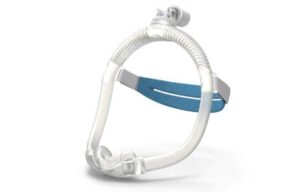
Nasal Mask
ResMed AirFit™ N30i Nasal CPAP Mask
$118
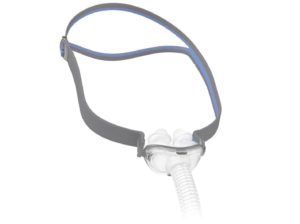
Nasal Pillow Mask
ResMed AirFit™ P10 Nasal Pillow CPAP Mask – Fit Pack
$105
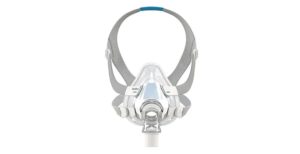
Full Face Mask
ResMed AirFit™ F20 Full Face CPAP Mask
$155$170
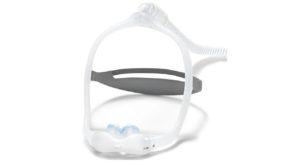
Nasal Mask
DreamWear Nasal CPAP Mask – Fit Pack
$104
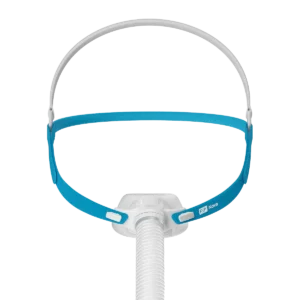
Nasal Pillow Mask
Fisher & Paykel Nova Micro Pillows Mask – Fit Pack
$99
Full Face Mask
Philips Respironics DreamWear Full Face CPAP Mask with Fit Pack
$169$189
How Often to Replace Your CPAP Mask
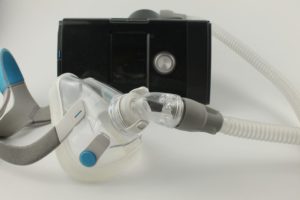
The suggested timeline for replacing your CPAP mask components — the frame, cushion, headgear, and tubing — can vary depending on your mask’s manufacturer and the type of CPAP mask you have. But, most follow a similar schedule.
Insurance providers with CPAP coverage often have their own schedule for how often they’ll cover replacement components. Since these schedules can vary among providers, it’s important to double-check your policies before following the timeline we’ve outlined below.
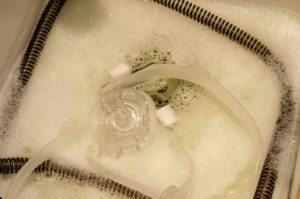
In addition to following a replacement schedule, you should also inspect your equipment when cleaning it and replace components if they become visibly damaged.
CPAP Mask Replacement Schedule
| Mask Part | Replace Every | Why? |
|---|---|---|
| Mask Frame | 3 months | The frame provides a support structure for the entire mask and can cause leaks when it begins to bend or lose its shape. |
| Mask Cushion | Month | Cushions and pillows soften and deteriorate when exposed to skin oil and debris, which then reduces their ability to create a tight seal and conform to the shape of your face. Deteriorating cushions can also harbor bacteria that may cause skin irritation. |
| Nasal Pillows or Cushions | 2 weeks | Just like full-face mask cushions, nasal pillows soften and break down over time, which can reduce their seal and allow air leaks. |
| Mask Headgear and Chin Strap | 6 months | Headgear and chin straps become stretched-out and lose their elasticity with use. Although it might seem tempting to tighten your headgear and carry on, the lack of elasticity changes the fit of your mask and can cause leaks or uncomfortable pressure points. |
| Hoses and Tubing | 3 months | As it bends and flexes, CPAP mask tubing can develop small cracks and tears that may not be visible to the naked eye. |
Signs Your CPAP Mask Needs to Be Replaced
While it’s important to replace your mask and accessories on schedule, there are also handful of signs to look for indicating that you need to find new equipment as soon as possible:
- Noticeable air leaks, even after adjusting your mask
- Visible cracks or tears in your mask or components
- Sudden appearance of pressure sores or skin irritation
- Stretched or worn headgear that doesn’t secure mask
- Difficulty obtaining a secure seal with your mask
How Often to Replace Other CPAP Supplies
It’s not just your mask you need to replace regularly — make sure to check and maintain all components of your CPAP machine, including the machine itself, and replace them when necessary. Here’s a general guide and timeline to replacing other CPAP supplies.
| Item | Replace Every | Why? |
|---|---|---|
| CPAP Machine Filters | 1 month (disposable) or 6 months (reusable) | CPAP filters trap dust, allergens and bacteria, but allowing too much buildup on the filter blocks airflow. |
| Humidifier Water Chamber | 6 months | Over time, the humidifier water chamber is prone to mineral and bacteria buildup. |
| CPAP Machine | 5 years | After five years of wear and tear, CPAP machine performance often becomes less effective and hygienic. |

Still have questions? Ask our community!
Join our Sleep Care Community — a trusted hub of product specialists, sleep health professionals, and people just like you. Whether you’re searching for the perfect mattress or need expert sleep advice, we’ve got you covered. Get personalized guidance from the experts who know sleep best.
References8 Sources
Laaka A, Hollmén M, Bachour A. Evaluation of CPAP mask performance during 3 years of mask usage: time for reconsideration of renewal policies?. BMJ Open Respir Res. 2021;8(1):e001104. doi:10.1136/bmjresp-2021-001104
https://pubmed.ncbi.nlm.nih.gov/34799354/Benjafield AV, Oldstone LM, Willes LA, et al. Positive Airway Pressure Therapy Adherence with Mask Resupply: A Propensity-Matched Analysis. J Clin Med. 2021;10(4):720. Published 2021 Feb 12. doi:10.3390/jcm10040720
https://pmc.ncbi.nlm.nih.gov/articles/PMC7917762/Kang YJ, Cho JH, Park CS. Analysis of risk factors for air leakage in auto-titrating positive airway pressure users: a single-center study. J Clin Sleep Med. 2022;18(1):75-88. doi:10.5664/jcsm.9504
https://pmc.ncbi.nlm.nih.gov/articles/PMC8807919/Fasquel L, Yazdani P, Zaugg C, et al. Impact of Unintentional Air Leaks on Automatic Positive Airway Pressure Device Performance in Simulated Sleep Apnea Events. Respir Care. 2023;68(1):31-37. doi:10.4187/respcare.10065
https://pmc.ncbi.nlm.nih.gov/articles/PMC9993507/Valentin A, Subramanian S, Quan SF, Berry RB, Parthasarathy S. Air leak is associated with poor adherence to autoPAP therapy. Sleep. 2011;34(6):801-806. Published 2011 Jun 1. doi:10.5665/SLEEP.1054
https://pubmed.ncbi.nlm.nih.gov/21629369/Centers for Medicare & Medicaid Services (2023, December 17). Positive Airway Pressure (PAP) Devices for the Treatment of Obstructive Sleep Apnea.
https://www.cms.gov/medicare-coverage-database/view/lcd.aspx?lcdId=33718&ver=52Office of Inspector General. (2013, June). Replacement schedules for Medicare continuous positive airway pressure supplies. Department of Health and Human Services.
https://oig.hhs.gov/oei/reports/oei-07-12-00250.pdfPinto, V. L., & Sharma, S. (2022, May 2). Continuous positive airway pressure (CPAP). In StatPearls. StatPearls Publishing.
https://www.ncbi.nlm.nih.gov/books/NBK482178/