When you buy through our links, we may earn a commission. Products or services may be offered by an affiliated entity. Learn more.

How to Clean a CPAP Hose


- Regularly cleaning your CPAP machine and hose may help prevent bacterial growth.
- You don’t need any special cleaning devices. Soapy water and a clean towel work well.
- Harsh cleaning products like dishwasher detergent or hydrogen peroxide can damage CPAP hoses, and the FDA warns against certain cleaners, including those with fragrances or moisturizers.
- Cleaning your CPAP hose and other CPAP accessories shouldn’t take much longer than 5 minutes.
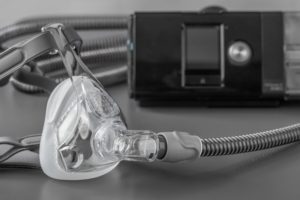
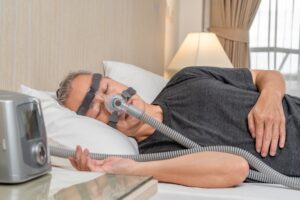
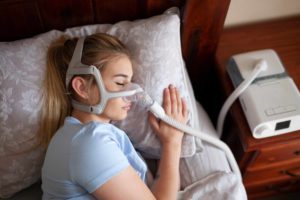
Continuous positive airway pressure (CPAP) machines continue to be the most popular and effective treatment for many people with sleep apnea. By delivering pressurized air to a person’s breathing passages, a CPAP machine can help prevent upper airway collapse and improve overall breathing.
To prevent illness and get the best possible treatment, it’s important to clean all of the components of your CPAP machine, including the hose and any other accessories. Luckily, the cleaning process is simple and fast, and you don’t need anything special.
Don’t Just Test Your Sleep. Understand It.
Discover if sleep apnea is holding you back. You’ll get a personalized medical report and an expert consultation to help you take action.

What You’ll Need
To thoroughly clean your CPAP hose or tubing, you’ll need a few household items:
- A tub, sink, or good-sized bucket
- Warm, drinking-quality water (it doesn’t need to be distilled)
- Mild, fragrance- and moisturizer-free soap or a vinegar solution that’s one part white vinegar and three parts warm water
- A clean, soft towel that’s not prone to fuzzing
How to Clean CPAP Tubing
Cleaning your CPAP hose or tubing is a simple process that shouldn’t take too much time out of your week. Gather all your necessary supplies and find a clean, clutter-free space to work.
- First, make sure that the hose is completely disconnected from your CPAP machine and mask or headgear, then check to see that there are no electrical components attached. If you have heated tubing, there’s a sensor that’s exposed, which can be submerged in the water and patted dry before being reconnected. Check manufacturer guidelines to ensure that you clean it correctly.
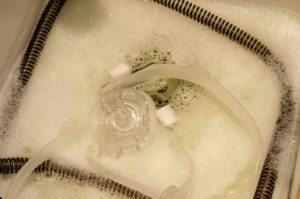
- Fill a tub, sink, or bucket with either warm, soapy water or a white vinegar solution. If you’re using soap, choose a mild soap without any fragrance or moisturizing ingredients. For vinegar, use one part white vinegar and three parts warm water. Water should always be drinking quality.
- Fully submerge the hose in the cleaning solution, making sure that the water gets all the way into the tubing. After washing the hose, rinse it with clean, cool water until all the soap or vinegar is gone.
- You can dry the hose in one of two ways: Either lay it flat to dry on a clean towel, or hang it to dry. Direct sunlight can help dry the hose faster.
Why It’s Important to Clean Your CPAP Hose
CPAP hoses are natural breeding grounds for bacteria and mold . Keeping your CPAP hose clean can also help extend its lifespan. The hose or CPAP machine manufacturer may also only cover a warranty if you adhere to the cleaning schedule that the company outlines.

CPAP Cleaning Schedule
Cleaning your CPAP machine shouldn’t take too long, and it’s important for maintaining your health as well as the effectiveness of your machine. The best way to keep your CPAP machine and accessories germ-free is to clean them regularly.
If you can’t commit to a daily schedule, you should wash all your components, including tubing, at least once a week. Most manufacturers have cleaning instructions that either come with the device manual or is available online.
You don’t need any special tools to clean your CPAP machine or hose, including UV cleaners or ozone cleaners. In fact, the Food and Drug Administration (FDA) has issued guidance stating that consumers should not use these products because they can damage your CPAP machine and negatively impact your health. These cleaners also void the manufacturer’s warranty. The FDA recommends simply using soapy water to clean your CPAP and accessories.
When to Replace Your CPAP Hose
Even with a regular cleaning schedule, you should still get a replacement CPAP hose every 3 months or before if you notice any cracks or tears. Most CPAP hose manufacturers have guidelines directing you to an exact replacement schedule, but the majority fall within this range. Your insurance plan may also dictate how often new supplies are covered.
Switching out your CPAP hose on a regular schedule may also help protect against illness. Regular CPAP replacements may ensure that your machine delivers the correct amount of air to your breathing passages. Cracks or holes in tubing can additionally allow air leaks that may affect your therapy.
Frequently Asked Questions
Can I clean my CPAP hose in the dishwasher?
No, you shouldn’t clean your CPAP hose in the dishwasher. The combination of high heat and harsh dish detergent can lead to the hose breaking down and developing tears or cracks faster than it normally would.
There may also be a significant amount of soap left inside your hose after a cycle in the dishwasher, which can affect both your breathing passages and the integrity of the hose. Instead of putting your hose in the dishwasher, clean it in a medium-sized tub with warm water and mild dish soap.
What’s the best soap to use for CPAP cleaning?
The best soap for CPAP cleaning is a mild soap that doesn’t have any fragrance or moisturizing ingredients. There are many soaps available that are designed specifically for CPAPs. However, in most cases, regular mild soap is perfectly fine to use.
Can I use vinegar or hydrogen peroxide to clean my hose?
You can use a white vinegar solution to clean your CPAP hose, but you shouldn’t use hydrogen peroxide and you should never combine vinegar with hydrogen peroxide. Together, these two liquids form peracetic acid that’s dangerous to breathe and touch.
On its own, hydrogen peroxide is too harsh to use for cleaning — it can damage your CPAP hose or other accessories. To make an effective and safe vinegar solution, use three parts warm water with one part distilled white vinegar. Avoid other cleaning solutions like ammonia and bleach.

Still have questions? Ask our community!
Join our Sleep Care Community — a trusted hub of sleep health professionals, product specialists, and people just like you. Whether you need expert sleep advice for your insomnia or you’re searching for the perfect mattress, we’ve got you covered. Get personalized guidance from the experts who know sleep best.
Cassandra Burns is a health and science writer and editor with nearly a decade of professional writing experience. She specializes in sleep health and disorders, translating scientific research and complex health topics into clear, approachable information for readers.
Brandon R. Peters, M.D., FAASM, is a double board-certified neurologist and sleep medicine specialist and fellow of the American Academy of Sleep Medicine who currently practices at Virginia Mason Franciscan Health in Seattle. He is a leading voice in sleep medicine who works at the cutting edge of medicine and technology to advance the field.
Learn more about our medical advisory boardReferences3 Sources
Cao MT, Sternbach JM, Guilleminault C. Continuous positive airway pressure therapy in obstuctive sleep apnea: benefits and alternatives. Expert Rev Respir Med. 2017;11(4):259-272. doi:10.1080/17476348.2017.1305893
https://pubmed.ncbi.nlm.nih.gov/28287009/Mando N, Antonious D, Gillen N, Joseph M, Thomson E. Pseudomonas Unmasked: Poor Continuous Positive Airway Pressure (CPAP) Hygiene Leads to a Case of Pseudomonas Pneumonia. Cureus. 2025;17(1):e77697. Published 2025 Jan 20. doi:10.7759/cureus.77697
https://pmc.ncbi.nlm.nih.gov/articles/PMC11836909/Food and Drug Administration. (2024). Do You Need a Device That Claims to Clean a CPAP Machine?
https://www.fda.gov/consumers/consumer-updates/do-you-need-device-claims-clean-cpap-machine