When you buy through our links, we may earn a commission. Products or services may be offered by an affiliated entity. Learn more.

How Much Does a CPAP Machine Cost?


- CPAP machines cost anywhere from $500 to more than $1,000, depending on brand and features like auto-adjusting modes and heated humidification.
- Additional costs include supplies like masks, cushions, tubing, filters, and humidifier chambers, which need regular replacement.
- Insurance and Medicare often help cover CPAP machine costs, especially when the device is prescribed for obstructive sleep apnea and medical necessity criteria are met.
If you’ve been diagnosed with sleep apnea, understanding how much a CPAP machine costs is an important part of planning your treatment. Prices can vary widely based on the type of machine, included features, and whether you purchase or rent the device. In addition to the machine itself, ongoing expenses such as masks, tubing, and filters can also affect the total cost over time.
Below, we’ll break down the typical costs associated with CPAP machines, explain what insurance or Medicare may cover, and highlight other factors that can influence how much you pay out of pocket.

Exploring CPAP Machines — But Haven’t Been Tested Yet?
Start with our easy, at-home sleep test. It’s stress-free and effective. Get results within a few days.
Average CPAP Machine Price
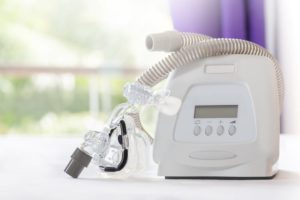
The cost of a CPAP machine can range anywhere from $500 to $1,000 or more, with prices generally rising for CPAP machines with more advanced features. Bilevel positive airway pressure (BiPAP) machines are more complex and tend to cost more as a result. Most BiPAP machines cost $1,700 to $3,000, but some can run significantly higher.
Auto-adjusting positive airway pressure (APAP) machines, sometimes called auto-CPAP machines, tend to cost more than standard CPAP machines (between $600 to $1,600). These machines often look similar to standard CPAP machines, but they’re more technologically advanced.
| Machine Type | Cost Range |
|---|---|
| CPAP machine | $500 to $1,000 |
| BiPAP machine | $1,700 to $3,000 |
| APAP machine | $600 to $1,600 |
| Travel CPAP machine | $500 to $1,000 |
The cost of CPAP machines can vary depending on the machine’s features. Certain features, such as humidifiers, are considered standard . A heated humidifier can reduce dryness and increase comfort, so the sleeper is less likely to have a dry mouth or sore throat after using the CPAP machine.
Your CPAP machine cost will also vary based on whether or not you have insurance, and if you do, what type of coverage you have. Some medical insurance policies cover the majority of the machine’s cost, while others cover only a fraction. (See below for more details on insurance for CPAP machines.)
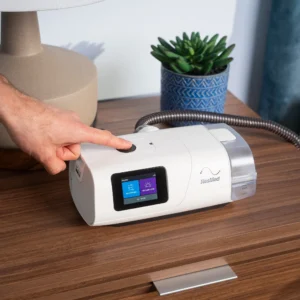
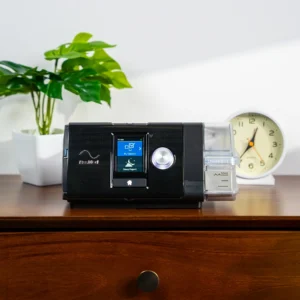
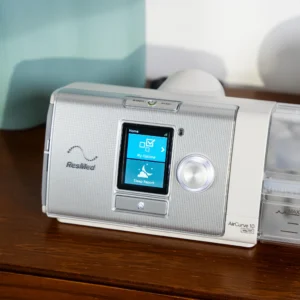
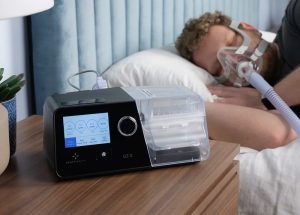
CPAP Masks and Accessories
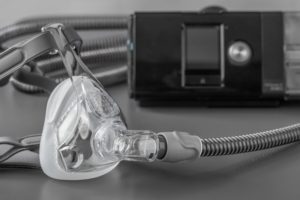
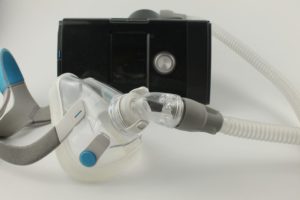
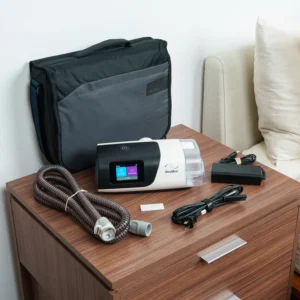
All CPAP machines require accessories. Most retailers sell CPAP machines and accessories separately. Some retailers offer CPAP machine sets or bundles that come with both the base CPAP unit and the required accessories.
Many CPAP machines have a built-in heated humidifier, while some machines require the humidifier to be purchased separately as an attachment. CPAP machines generally come with their own power supply unit, which plugs into standard outlets.
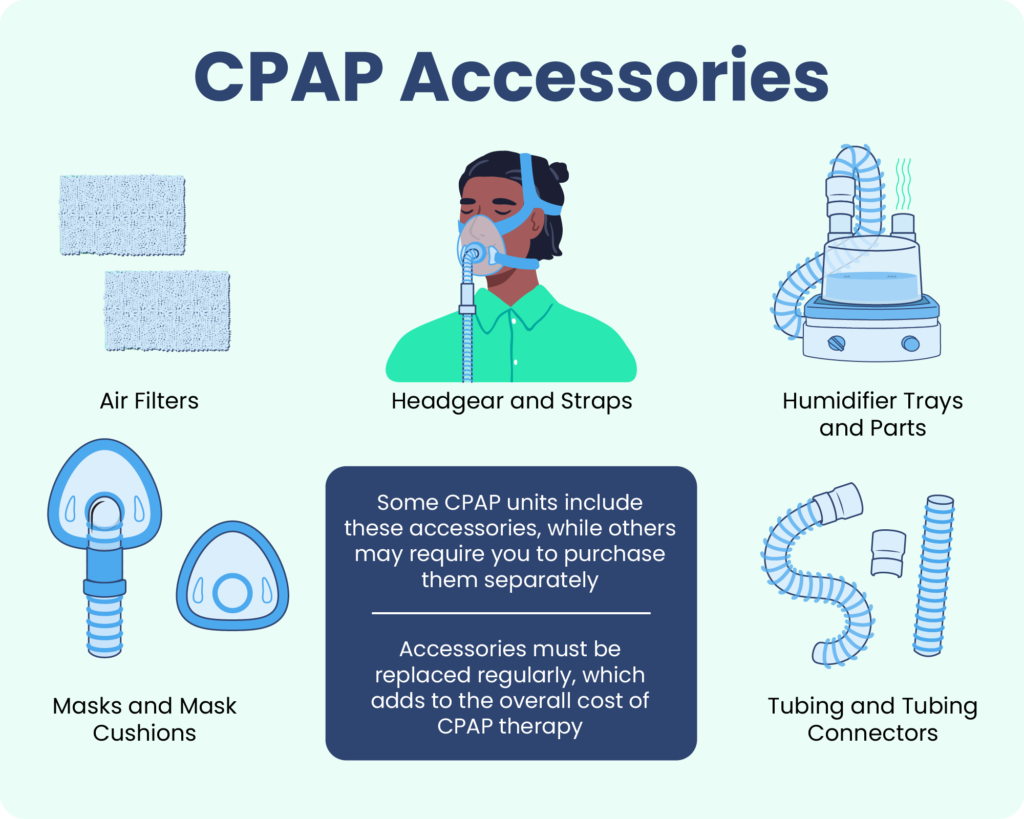
Sleepers can expect to need several accessories for their CPAP machine, which must be replaced on a regular basis . This can add to the overall cost of CPAP therapy.
- Air filters:CPAP air filters typically cost $5 or less per filter, depending on the type of machine. Air filters should be replaced monthly.
- Humidifier: Humidifiers may cost between $20 and $50, depending on the brand.The humidifier water chamber should be replaced every six months or if there are signs of wear and tear.
- Tubing: Standard tubing may range from $5 to $35, and heated options are more expensive ranging from $30 to $75. Tubing should be replaced every three months.
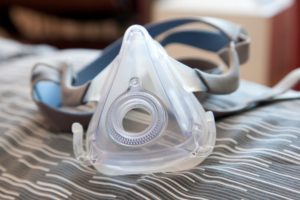
- Headgear and masks: Headgear and masks generally cost between $50 and $200 depending on the design. These components should be replaced every six months, or as they begin to show wear and tear.
- Mask cushions: Smaller pieces that need replacing more often, such as mask cushions, range from $20 to $60. Mask cushions should be replaced monthly.
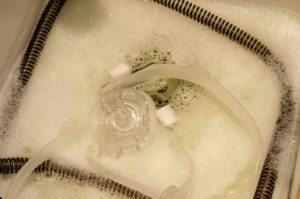
- Cleaning supplies: You can clean most CPAP machines and components with basic household supplies. Manufacturers generally recommend using mild detergent, warm water, cloths for wiping, and sometimes vinegar. The FDA cautions against using CPAP cleaning devices, especially ones that use ozone-based or ultraviolet light cleaning methods, as these may actually damage your equipment.
Insurance providers may cover the total or partial cost of CPAP accessories, so people who are prescribed CPAP therapy should check the details of their policy before purchasing accessories.
| Item | Average Cost | Replacement Frequency |
|---|---|---|
| Mask frame | $80 to $200 | Every 3 months |
| Mask cushion | $30 to $60 | Every month |
| Headgear | $20 to $40 | Every 6 months |
| Air filters | $5 to $20 | Every month (disposable) or every 6 months (reusable) |
| Tubing/hoses | $20 to $60 | Every 3 months |
| Humidifier chamber | $20 to $40 | Every 6 months |
| Cleaning supplies | $20 to $40 | Every 3 to 6 months |

Insurance Coverage for CPAP Machines
Health insurance companies often cover the cost of CPAP machines and accessories. You can see our recommended suppliers that take insurance for CPAP here. Sleepers who need a CPAP machine should check with their insurance company for details before paying out of pocket.
CPAP machines are generally considered “durable medical equipment” by health insurance companies. The deductibles and copays for durable medical equipment tend to differ from those associated with doctor’s visits and procedures.
A health insurance company usually only covers a CPAP machine if they know it’s medically necessary. To prove medical necessity, the patient must usually undergo a sleep study, and their medical provider must confirm to the insurance company that the results of the sleep study suggest the sleeper would benefit from using a CPAP machine.
Some insurance companies require sleepers to technically rent their CPAP machine for a certain amount of time, such as a year. The sleeper must pay a monthly copay for that time period. Once it ends, they will own the CPAP machine outright.

How to Save Money on a CPAP Machine
While the cost of CPAP machines and accessories can add up, there are some simple waves to save money on your treatment:
- Meet all requirements of your health insurance. Most insurance plans cover CPAP treatment. In order to maximize your coverage, make sure to check with your provider on requirements. Many plans require that you demonstrate CPAP compliance or use in-network medical equipment suppliers to minimize your out-of-pocket costs.
- Buy a used machine. Purchasing a used or refurbished CPAP machine from an authorized reseller can reduce upfront costs, especially if your insurance plan still covers it. Avoid buying used machines from online marketplaces like eBay or Facebook Marketplace, as these may not have been cleaned and inspected properly.
- Avoid specialty cleaning supplies. While there are numerous devices and specialty wipes sold for CPAP machines, the FDA suggests simply using mild detergent, a soft cloth, warm water, and sometimes diluted vinegar.
- Clean equipment regularly. Proper and consistent cleaning extends the life of your CPAP machine and accessories and helps you avoid needing to replace parts early.
- Use FSA/HSA funds. CPAP machines, masks, and supplies typically qualify as eligible medical expenses for flexible spending accounts (FSA) and health savings accounts (HSA). Using pre-tax money from these accounts can provide significant savings on your CPAP equipment costs.
- Buy supplies in bulk or bundles. Purchasing frequently replaced items like filters, mask cushions, or water chambers in multi-packs often provides better per-unit pricing than buying individual items. Some suppliers also offer bundle packages that combine multiple supplies at a discounted rate.
- Compare prices online. CPAP supply prices can vary between different retailers and online suppliers, so it’s worth shopping around before making a purchase. Just be sure to buy from authorized dealers to ensure you’re getting genuine replacement parts that are compatible with your equipment.

Still have questions? Ask our community!
Join our Sleep Care Community — a trusted hub of product specialists, sleep health professionals, and people just like you. Whether you’re searching for the perfect mattress or need expert sleep advice, we’ve got you covered. Get personalized guidance from the experts who know sleep best.
Brian Clark is a writer and educator based in Los Angeles. His articles have appeared in The Austin Chronicle, Movieline and Screen Anarchy, among others. Like many, he became acutely aware of the importance of sleep after his first child was born.
Dr. Abhinav Singh, board certified in Sleep Medicine and Internal Medicine, is the Medical Director of the Indiana Sleep Center, which is accredited by the American Academy of Sleep Medicine. He is also a Clinical Assistant Professor at Marian University College of Medicine in Indianapolis, where he developed and teaches a Sleep Medicine rotation.
Learn more about our medical advisory boardReferences8 Sources
A.D.A.M. Medical Encyclopedia. (2022, January 1). Positive airway pressure treatment. MedlinePlus.
https://medlineplus.gov/ency/article/001916.htmPatil, S. P., Ayappa, I. A., Caples, S. M., Kimoff, R. J., Patel, S. R., & Harrod, C. G. (2019). Treatment of adult obstructive sleep apnea with positive airway pressure: An American Academy of Sleep Medicine systematic review, meta-analysis, and GRADE assessment. Journal of Clinical Sleep Medicine, 15(2), 301–334.
https://pubmed.ncbi.nlm.nih.gov/30736888/Office of Inspector General. (2013, June). Replacement schedules for Medicare continuous positive airway pressure supplies. Department of Health and Human Services.
https://oig.hhs.gov/oei/reports/oei-07-12-00250.pdfFood and Drug Administration. (2024). Do You Need a Device That Claims to Clean a CPAP Machine?
https://www.fda.gov/consumers/consumer-updates/do-you-need-device-claims-clean-cpap-machineAmerican Academy of Sleep Medicine Sleep Education (2025). Positive Airway Pressure and Your Insurance: What You Should Know.
https://sleepeducation.org/patients/pap-and-insurance/Skiba, V., & McLellan, B. (2022). Safe use of donated positive airway pressure devices to increase access to treatment for obstructive sleep apnea: a clinical outreach program. Journal of clinical sleep medicine : JCSM : official publication of the American Academy of Sleep Medicine, 18(5), 1455–1457.
https://pmc.ncbi.nlm.nih.gov/articles/PMC9059591/Willis LD, Spray BJ, Edmondson E, Pruss K, Jambhekar SK. Positive Airway Pressure Device Care and Cleaning Practices in the Pediatric Home. Respir Care. 2023;68(1):87-91. doi:10.4187/respcare.10241
https://pmc.ncbi.nlm.nih.gov/articles/PMC9993513/Eligible Health Care FSA (HC FSA) Expenses – FSAFEDS. Fsafeds.gov. Published 2025.
https://www.fsafeds.gov/explore/hcfsa/expenses?take=100