When you buy through our links, we may earn a commission. Products or services may be offered by an affiliated entity. Learn more.

How Does Sleep Work?


- Sleep is a complex biological process that cycles through non-REM and REM sleep several times each night, with each stage serving important functions for the brain and body.
- Your body’s internal clock, sleep drive, and hormones work together to regulate when you feel sleepy, when you wake up, and how deeply you sleep.
- During sleep, your brain processes memories while your body repairs tissues, supports immune function, regulates hormones, and restores energy.
Even after decades of research, the exact reason why we sleep remains one of the most enduring and intriguing mysteries in health science. To try to get to the bottom of this question, experts analyze how sleep works and what happens when we don’t get enough sleep.
Studies demonstrate that sleep is incredibly complex and has effects on virtually all systems of the body. Multiple parts of the brain are involved in the processes of producing hormones and chemicals that regulate sleep and wakefulness.
While there’s much that’s still to be learned about the intricacies of how sleep works, existing research sheds light on the mechanics of what happens in the brain and body during sleep.
What Happens When You Sleep?
Within a minute after falling asleep, notable changes start to affect both the brain and body. Body temperature drops, brain activity ramps down, and heart rate and respiration slow as well. Not surprisingly, the body’s energy expenditure is lower during sleep.
It is important to recognize, though, that what happens during sleep is dynamic. Over the course of one night, you actually progress through multiple sleep cycles, each of which lasts between 70 and 120 minutes and is composed of separate sleep stages. These sleep stages are fundamental to how sleep works.

Is Sleep the Same for Everyone?
While the basic stages of sleep are the same for most people, the way people sleep can vary based on age, lifestyle, health, and individual biology. Newborns spend much more time in REM sleep than adults, teenagers often have naturally later sleep schedules, and older adults may experience lighter, more fragmented sleep. Sleep disorders, medical conditions, and personal habits can also influence when, how long, and how well a person sleeps.








How Does the Body Regulate Sleep?
The body regulates sleep with two key drivers: sleep-wake homeostasis and the circadian alerting system.
- Sleep-wake homeostasis: This technical term describes something most of us know implicitly from experience: the longer you’re awake, the more you feel a need to sleep. This is because of the homeostatic sleep drive, the body’s self-regulating system in which pressure to sleep builds up based on how long you’ve been awake. This same drive causes you to sleep longer or more deeply after a period of insufficient sleep.
- The circadian alerting system: Part of your body’s biological clock, circadian rhythms last roughly 24 hours and play a central role in numerous biological processes, including sleep. Light exposure is the biggest influence on circadian rhythms, encouraging wakefulness during the day and sleepiness at night.
In addition, a wide range of external factors can influence sleep-wake homeostasis and the circadian alerting system. For example, stress or hunger may disrupt your normal process for sleep regulation. Caffeine intake or exposure to light from electronic devices are other examples of how behavioral choices can alter the body’s underlying systems for managing sleep.
These multifaceted processes are managed by several parts of the brain including the hypothalamus, the thalamus, the pineal gland, the basal forebrain, the midbrain, the brain stem, the amygdala, and the cerebral cortex. The fact that so many parts of the brain are involved in wakefulness and sleep, including the sleep stages, is further demonstration of the biological complexity of sleep.


What Chemicals and Hormones Regulate Sleep?
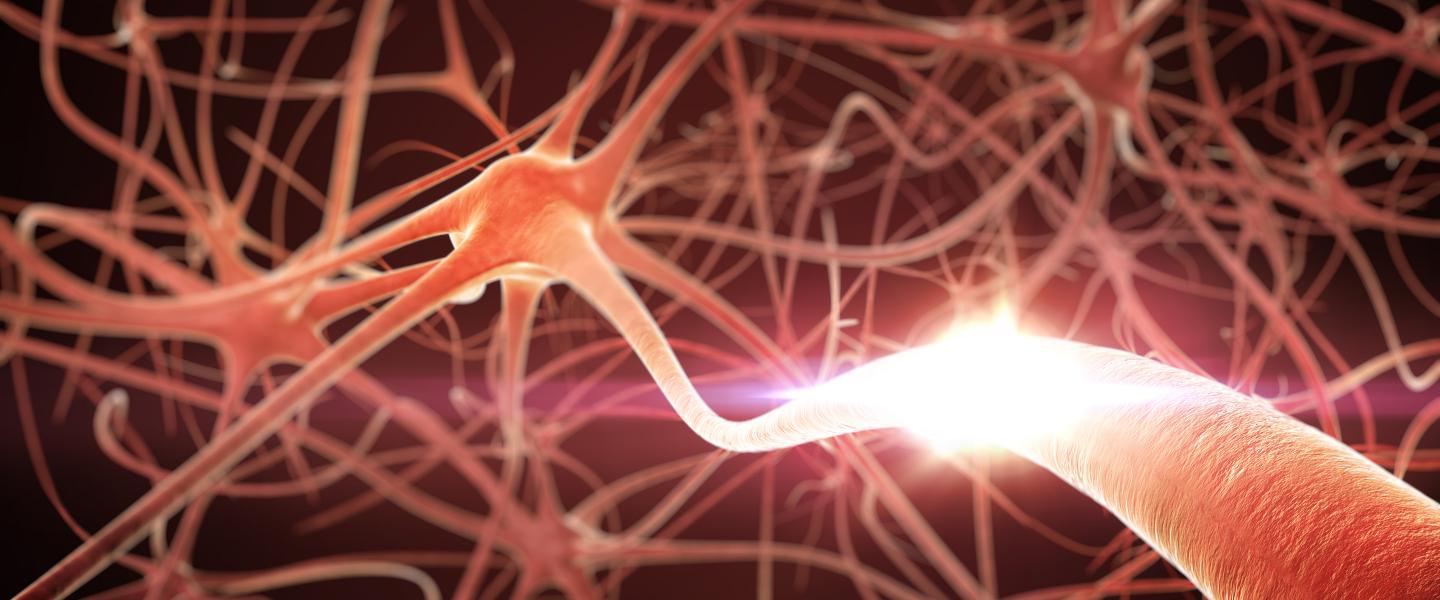
Numerous chemicals and hormones are involved in the mechanics of sleep-wake homeostasis and the circadian alerting system. Shifting between wakefulness and sleep creates changes in thousands of neurons in the brain and a complex signaling system that generates specific reactions in the body.
A chemical called adenosine is believed to play a central role in sleep-wake homeostasis. Adenosine builds up when we’re awake and appears to increase sleep pressure. Caffeine, on the other hand, suppresses adenosine, which may explain part of how it promotes wakefulness.
Hormones also play an integral role in signaling and regulating sleep-wake states. Melatonin, which promotes sleep and is naturally produced as light exposure decreases, is one of the best known hormones related to sleep. Other important sleep-related hormones include adrenaline, cortisol, and norepinephrine. Sleep can also affect the production of vital hormones, such as growth hormone as well as leptin and ghrelin that regulate appetite, which may exert influence on sleep-wake homeostasis and circadian rhythms.
The function of these chemicals and hormones may be different in some individuals based on their genetics, which is why certain sleep disorders like sleep apnea may run in families. Environment and lifestyle choices may also influence the chemical and hormonal signaling responsible for sleep.
Looking to improve your sleep? Try upgrading your mattress.

Why Is Sleep Important?
While even experts haven’t reached a consensus explanation for why we sleep, numerous indicators support the view that it serves an essential biological function.
Sleep appears to be critical to both physical and mental development in babies, children, and young adults. In adults, a lack of sleep has been associated with a wide range of negative health consequences including cardiovascular problems, a weakened immune system, higher risk of obesity and type II diabetes, impaired thinking and memory, and mental health problems like depression and anxiety.






Still have questions? Ask our community!
Join our Sleep Care Community — a trusted hub of product specialists, sleep health professionals, and people just like you. Whether you’re searching for the perfect mattress or need expert sleep advice, we’ve got you covered. Get personalized guidance from the experts who know sleep best.
Eric Suni has over a decade of experience as a science writer and was previously an information specialist for the National Cancer Institute.
Dr. John DeBanto has been a medical doctor and gastroenterologist for over 20 years. He is board certified in both internal medicine and gastroenterology. He is also a Fellow with the American College of Gastroenterology, serving on the patient care committee. He enjoys educating his patients on nutrition, cancer screening, and weight issues, as he is acutely aware of how obesity can lead to significant morbidity and in particular sleep apnea, fatty liver, cancer, and cardiac issues.
Learn more about our medical advisory boardReferences7 Sources
Jung, C. M., Melanson, E. L., Frydendall, E. J., Perreault, L., Eckel, R. H., & Wright, K. P. (2011). Energy expenditure during sleep, sleep deprivation and sleep following sleep deprivation in adult humans. The Journal of physiology, 589(Pt 1), 235–244.
https://pubmed.ncbi.nlm.nih.gov/21059762/Liu, S., Liu, Q., Tabuchi, M., & Wu, M. N. (2016). Sleep Drive Is Encoded by Neural Plastic Changes in a Dedicated Circuit. Cell, 165(6), 1347–1360.
https://pubmed.ncbi.nlm.nih.gov/27212237/Saper, C. B., Fuller, P. M., Pedersen, N. P., Lu, J., & Scammell, T. E. (2010). Sleep state switching. Neuron, 68(6), 1023–1042.
https://pubmed.ncbi.nlm.nih.gov/21172606/Kim, T. W., Jeong, J. H., & Hong, S. C. (2015). The impact of sleep and circadian disturbance on hormones and metabolism. International journal of endocrinology, 2015, 591729
https://pubmed.ncbi.nlm.nih.gov/25861266/Dahl R. E. (2007). Sleep and the developing brain. Sleep, 30(9), 1079–1080.
https://pubmed.ncbi.nlm.nih.gov/17910377/Miller, M. A., & Cappuccio, F. P. (2007). Inflammation, sleep, obesity and cardiovascular disease. Current vascular pharmacology, 5(2), 93–102.
http://www.eurekaselect.com/openurl/content.php?genre=article&issn=1570-1611&volume=5&issue=2&spage=93Cappuccio, F. P., D’Elia, L., Strazzullo, P., & Miller, M. A. (2010). Sleep duration and all-cause mortality: a systematic review and meta-analysis of prospective studies. Sleep, 33(5), 585–592.
https://www.ncbi.nlm.nih.gov/pubmed/20469800