When you buy through our links, we may earn a commission. Products or services may be offered by an affiliated entity. Learn more.

How to Treat CPAP Pressure Sores


- Clean and care for sores promptly: Pressure sores should be kept clean with mild soap and water to promote healing and prevent infection.
- Reduce mask pressure and adjust fit: With your provider’s guidance, loosening mask straps or switching to a different mask can lessen compression and help the skin begin to heal.
- Manage discomfort and protect skin: Pain relievers and moisturizers or barrier products can ease irritation, but treatment should be tailored to your skin’s needs.
- Prevent recurrence: Regular mask cleaning, ensuring a proper fit, and using protective accessories like mask liners or nasal pillows can help reduce the risk of future pressure sores.
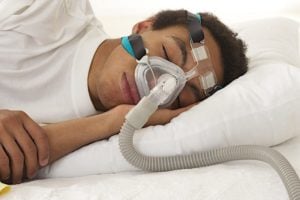
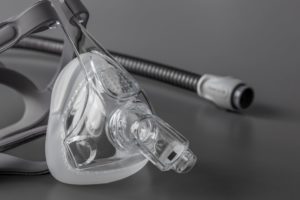
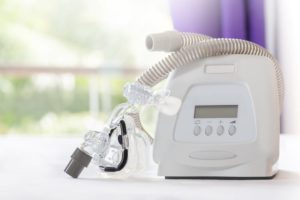
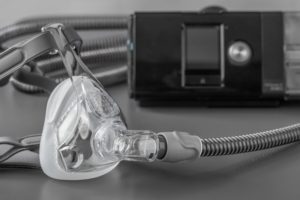
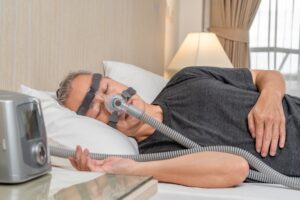
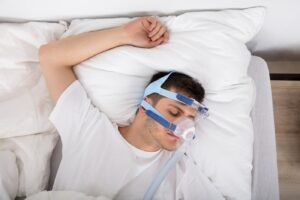
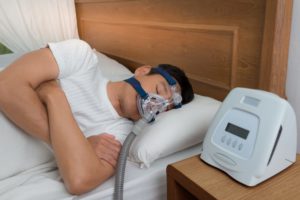
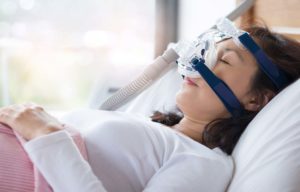
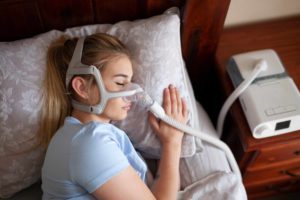
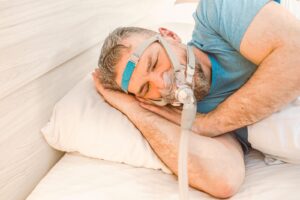
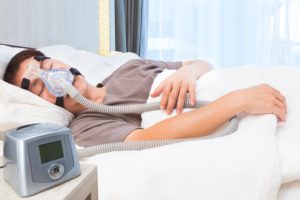
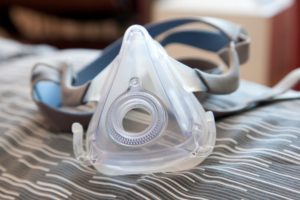
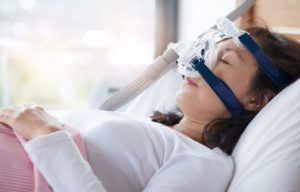
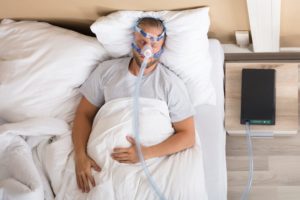
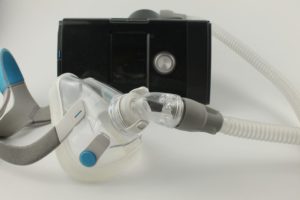
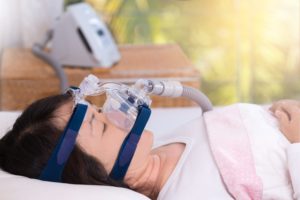
CPAP masks create a seal against your skin that allows pressured air to keep your upper airway open . This contact can sometimes cause skin irritation and sores on your nose and cheeks . Your CPAP mask may cover your mouth and nose (full-face mask) or just your nose, but either kind can cause this side effect.
Both the straps of the headgear and the mask itself can cause CPAP mask pressure sores from compression, friction , and trapped moisture .
Contact dermatitis (skin irritation and inflammation) and pressure ulcers (sores) from CPAP equipment can make it more difficult to use your CPAP every night , which can affect how well the therapy treats your obstructive sleep apnea (OSA) .
Below, learn how to properly treat CPAP pressure sores so you can breathe well all night long.
Causes of CPAP Pressure Sores
To get enough pressure into your airway and avoid air leaks, a CPAP mask needs to be sufficiently tightened to seal . But if your straps are too snug , they can compress tiny blood vessels in your skin (capillaries), making them unable to deliver oxygen and remove waste. This can make the skin more easily irritated and may even cause skin breakdown and pressure sores .
In addition to a tight mask, too much moisture trapped against the skin and under the plastic or fabric of the mask can speed up skin breakdown and worsen pressure sores. Excess dryness can also be a problem if it causes dermatitis and skin irritation. Your provider can help you balance the device’s humidity levels for optimal skin health and airway comfort.

How to Treat CPAP Pressure Sores
To treat CPAP pressure sores, you need to lessen compression, treat the wound, manage pain, and prevent infection.
Reduce Pressure
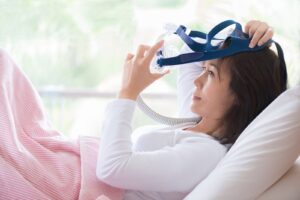
With your provider’s help, you can adjust your mask straps to make sure they aren’t too tight but still tight enough to prevent air leaks. If that doesn’t work, your provider may recommend a different type of mask. Both size and style may be important changes. As a general rule, it is best to use the smallest mask that you can get away with, most people preferring a simple nasal mask (such as nasal pillows) over a full-face mask. Once the pressure against the skin eases up, it can begin to heal.
Clean the Wound
Wounds heal best when you keep them clean , and failing to address this need can lead to infection. If a CPAP pressure sore gets infected, the area around it may look red, feel warm, be more painful, and you may have a fever or notice green or yellow pus draining from the wound .
To clean a pressure injury from your mask, wash the area with mild soap and water at least once a day.
Manage Pain
Pressure sores can get painful, and if discomfort stops you from using your CPAP every night, let your healthcare provider know. They may recommend over-the-counter pain relievers like acetaminophen (Tylenol) or ibuprofen (Advil).
Ask About Moisturizers
The balance of moisture around your CPAP mask can either help mend sores or make them worse. Your provider may recommend mask-friendly moisturizer options for contact dermatitis caused by dry skin and air leaks. But if a wound already exists, excessive moisture can aggravate it, so always ask your provider before trying any new facial moisturizer with your CPAP. Petroleum-based products may dissolve the materials of the mask over time, worsening leak.
How to Prevent CPAP Pressure Sores
You can prevent CPAP pressure sores by optimizing mask size, type, and tightness , keeping your mask clean, and using protective devices.
Try Nasal Pillows
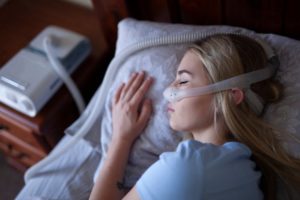
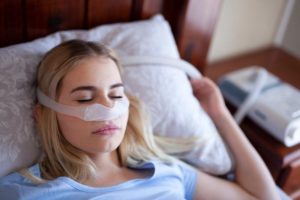
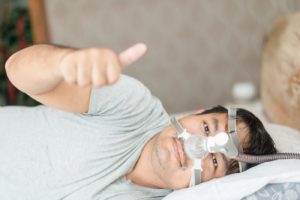
Nasal pillows look like two rubber cones that you place directly into each nostril. Compared to a nasal mask, which covers the entire nose, this option can prevent excessive pressure on the bridge of your nose — a common spot for CPAP pressure ulcers . Be mindful that pressure against the inside of the nostril may also lead to a sore.
Use a Mask Liner
For an extra layer of protection between your mask and face, you can try using CPAP mask liners. These accessories can be placed around the mask, and plenty of options are available in comfortable materials, including cotton and foam.
Keep Your Mask Clean
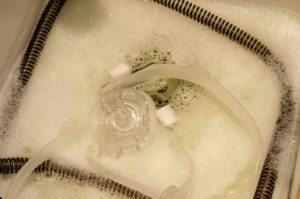
Each mask will come with instructions on how to clean it, but you can typically wash them in soapy water, then hang them up to air dry. For visible grime, first wipe it clean with a soft cloth and let it soak before washing and drying.
It’s best to replace your mask about every three months and clean it at least once a week. Make sure to let it dry completely before using it again. If drying time becomes an issue, you can alternate between two masks.
When to See a Doctor
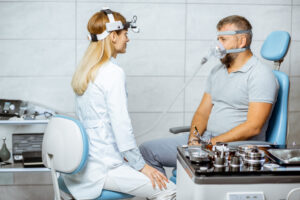
If you notice redness that doesn’t go away or an open sore where your CPAP mask rests, tell your doctor about it. They can advise you on how to treat it and help you adjust your mask tightness so it can heal. Tell your provider right away if you notice redness and warmth spreading out from the injury, pus coming from the wound, increasing pain, or fever.
Frequently Asked Questions
Can I still use my CPAP if I have a sore on my nose?
CPAP therapy works best when you use it every night, but if you have a sore on your nose, you can ask your provider for a different mask, a cushioned liner, or a looser fit to decrease the pressure on your skin .
What ointments are safe to use with a CPAP mask?
The safest ointment to use depends on the material your mask is made of. For example, plastics can be affected by petroleum products. You can consult your manufacturer instruction booklet or call their customer service line for more precise recommendations. Before using any new moisturizer with your CPAP, it’s also important to ask your doctor first.
Do mask liners really help prevent sores?
By adding a protective layer between your mask and skin, mask liners may prevent friction and irritation that can lead to pressure sores. They’re available as both daily disposable liners for convenience and washable, reusable liners for long-term use, allowing you to choose the option that best fits your routine and comfort preferences.
How often should I replace my CPAP mask to avoid irritation?
In most cases, you should replace your CPAP mask every three months. In between, wash it in soapy water at least once a week to avoid irritation from trapped irritants.
Should I switch to a different mask type if I keep getting sores?
You can switch to a different mask if your doctor recommends it. They may suggest this if you’ve tried adjusting your current mask several times with no improvement in sores.
Medical Disclaimer: The content on this page should not be taken as medical advice or used as a recommendation for any specific treatment or medication. Always consult your doctor before taking a new medication or changing your current treatment.

Still have questions? Ask our community!
Join our Sleep Care Community — a trusted hub of sleep health professionals, product specialists, and people just like you. Whether you need expert sleep advice for your insomnia or you’re searching for the perfect mattress, we’ve got you covered. Get personalized guidance from the experts who know sleep best.
References17 Sources
Sleep Apnea – Lung and Airway Disorders. MSD Manual Consumer Version.
https://www.msdmanuals.com/home/lung-and-airway-disorders/sleep-apnea/sleep-apneaWeaver, T. E. (2024, February 28). Assessing and managing nonadherence with continuous positive airway pressure (CPAP) for adults with obstructive sleep apnea. In N. Collop (Ed.). UpToDate.
https://www.uptodate.com/contents/assessing-and-managing-nonadherence-with-continuous-positive-airway-pressure-cpap-for-adults-with-obstructive-sleep-apneaPressure Injuries – Dermatologic Disorders. Merck Manuals Professional Edition.
https://www.merckmanuals.com/professional/dermatologic-disorders/pressure-injury/pressure-injuriesAhmed G, Pal S, Esquinas AM, Karim HMR. Perioral Dermatitis Caused by Improper Use of Activated Oxygen in CPAP users and its Complexity. J Clin Aesthet Dermatol. 2022;15(8):14.
https://pubmed.ncbi.nlm.nih.gov/36061482/Soundararajan, V., Lor, J., & Fishbein, A. B. (2020). Sleep apnea and skin. Current Sleep Medicine Reports, 6(3), 94–100.
https://pubmed.ncbi.nlm.nih.gov/33767945/Rochester A. Quality improvement project to reduce the incidence of nasal bridge pressure sores in adults requiring acute non-invasive ventilation (NIV) and continuous positive airway pressure (CPAP). BMJ Open Qual. 2025;14(2):e003238. Published 2025 Apr 2. doi:10.1136/bmjoq-2024-003238
https://pubmed.ncbi.nlm.nih.gov/40180353/Weaver TE, Maislin G, Dinges DF, et al. Relationship between hours of CPAP use and achieving normal levels of sleepiness and daily functioning. Sleep. 2007;30(6):711-719. doi:10.1093/sleep/30.6.711
https://pubmed.ncbi.nlm.nih.gov/17580592/Bachour A, Avellan-Hietanen H, Palotie T, Virkkula P. Practical Aspects of Interface Application in CPAP Treatment. Can Respir J. 2019;2019:7215258. Published 2019 Nov 3. doi:10.1155/2019/7215258
https://pubmed.ncbi.nlm.nih.gov/31781315/Noninvasive Ventilation: Overview, Methods of Delivery, General Considerations. eMedicine. Published online June 29, 2022.
https://emedicine.medscape.com/article/304235-overview#showallKirman CN. Pressure injuries (pressure ulcers) and wound care: Practice essentials, background, anatomy. eMedicine. Published online November 18, 2024.
https://emedicine.medscape.com/article/190115-overviewPressure Injuries (Pressure Ulcers) and Wound Care Treatment & Management: Approach Considerations, General Measures for Optimizing Medical Status, Pressure Reduction. eMedicine. Published online March 26, 2020.
https://emedicine.medscape.com/article/190115-treatmentMedlinePlus: National Library of Medicine (US). (2016, May 2). Pressure sores.
https://medlineplus.gov/pressuresores.htmlMedlinePlus. How to care for pressure sores. MedlinePlus. Published 2024.
https://medlineplus.gov/ency/patientinstructions/000740.htmEmami Zeydi A, Zare-Kaseb A, Nazari AM, Ghazanfari MJ, Sarmadi S. Mask-related pressure injury prevention associated with non-invasive ventilation: A systematic review. Int Wound J. 2024;21(6):e14909. doi:10.1111/iwj.14909
https://pubmed.ncbi.nlm.nih.gov/38826030/UpToDate. Noninvasive ventilation in adults with chronic respiratory failure from neuromuscular and chest wall diseases: Practical aspects of initiation. Published 2025.
https://www.uptodate.com/contents/noninvasive-ventilation-in-adults-with-chronic-respiratory-failure-from-neuromuscular-and-chest-wall-diseases-practical-aspects-of-initiationLaaka A, Hollmén M, Bachour A. Evaluation of CPAP mask performance during 3 years of mask usage: time for reconsideration of renewal policies?. BMJ Open Respir Res. 2021;8(1):e001104. doi:10.1136/bmjresp-2021-001104
https://pubmed.ncbi.nlm.nih.gov/34799354/Uptodate.com. Noninvasive ventilation in adults with chronic respiratory failure from neuromuscular and chest wall diseases: Practical aspects of initiation. Published 2025.
https://www.uptodate.com/contents/noninvasive-ventilation-in-adults-with-chronic-respiratory-failure-from-neuromuscular-and-chest-wall-diseases-practical-aspects-of-initiation