When you buy through our links, we may earn a commission. Products or services may be offered by an affiliated entity. Learn more.

Types of CPAP Machines


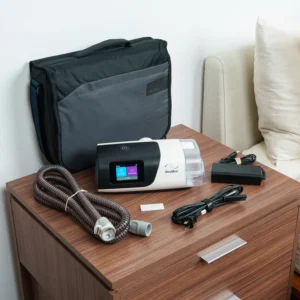
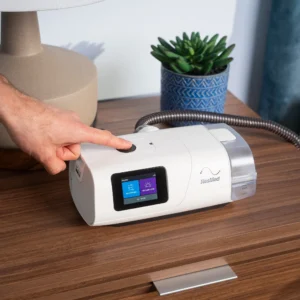
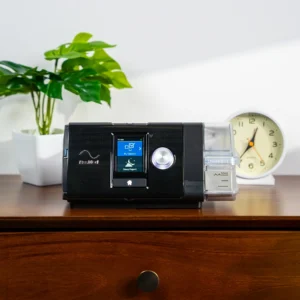
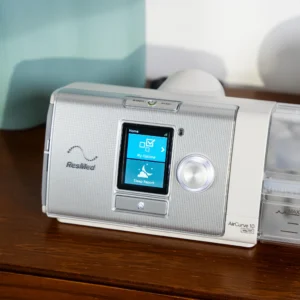
- There are three main types of PAP machines: CPAP, APAP, and BiPAP.
- CPAP provides a constant level of air pressure, while APAP automatically adjusts pressure, and BiPAP uses separate settings for inhalation and exhalation.
- Travel CPAP machines offer more portability and deliver therapy in a smaller, more convenient design.
- The best machine for you depends on factors like severity of sleep apnea and how well you tolerate your pressure settings.
Not all CPAP machines work the same way. Different types are designed to deliver air pressure based on your specific breathing needs. Some provide a steady, fixed pressure, while others automatically adjust throughout the night or use different pressures for inhaling and exhaling, which can improve comfort for certain users.
Understanding these differences can help you feel more confident when discussing options with your healthcare provider and choosing a machine that supports consistent, effective treatment.

Exploring CPAP Machines — But Haven’t Been Tested Yet?
Start with our easy, at-home sleep test. It’s stress-free and effective. Get results within a few days.
CPAP Machine Types
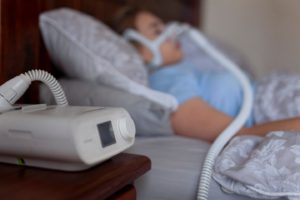
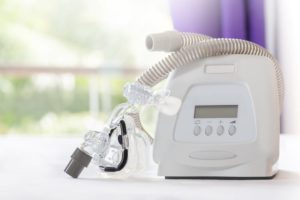
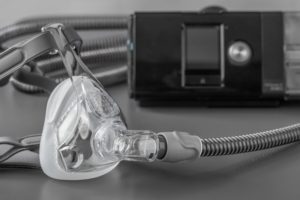
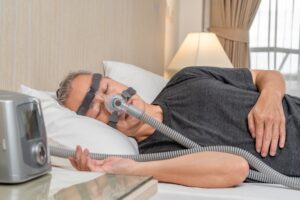
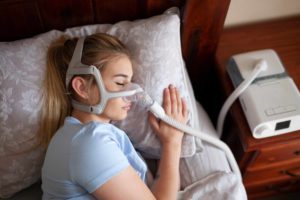
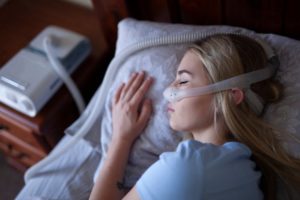
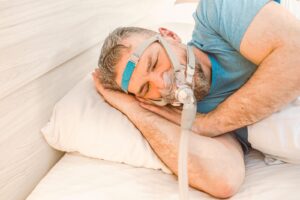
Positive airway pressure (PAP) therapy is the gold-standard treatment for people diagnosed with obstructive sleep apnea (OSA). It’s a form of noninvasive mechanical ventilation therapy that delivers pressurized air to open the airways of sleepers with OSA or other breathing conditions.
PAP machines measure pressure in centimeters of water (cm H2O). Different types of machine vary in their pressure levels, pressure adjustments, and size. Therapeutic CPAP pressure settings usually range from 4 to 20 cm H2O, though many people diagnosed with OSA are treated with 8 to 10 cm H2O .
While CPAP is sometimes used as a catchall term, there are several types of PAP machines.
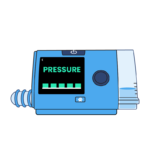
CPAP Machines
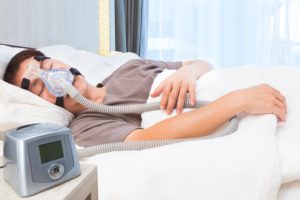
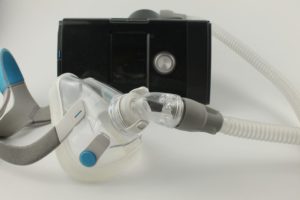
Continuous positive airway pressure is the most common type of PAP therapy. CPAP machines provide constant pressure to keep your upper airway open as you sleep. Some CPAP machines include a pressure relief setting to slightly lower the amount of pressure during exhalation.
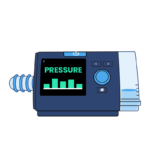
APAP Machines
Auto-adjusting positive airway pressure (APAP) machines, also referred to as auto-CPAP, can raise or lower the pressure based on your breathing patterns. This is often more comfortable for sleepers whose pressure needs change between sleep positions, or those who have trouble tolerating CPAP therapy .
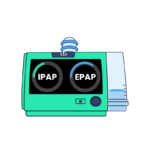
BiPAP Machines
Bilevel positive airway pressure (BiPAP or BPAP) machines have two pressure settings, switching between a higher pressure as you inhale and a lower pressure as you exhale. BiPAP machines often have a wider pressure range, reaching up to 30 cm H2O .
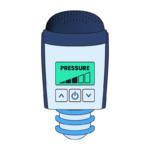
Travel CPAP Machines
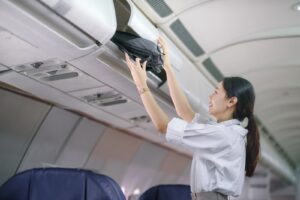
Travel CPAP machines work like traditional CPAP machines but have a more portable design. These devices are usually small and lightweight. Some models are also FAA-approved and can be used in flight, though specific policies may vary by airline.
Differences Between Types of CPAP Machines
The biggest difference between PAP machines is their pressure settings. CPAP and travel CPAP machines administer a steady level of pressure. APAP machines automatically adjust their pressure output based on your breathing, and BiPAP machines have different settings for inhalation and exhalation.
| Design Features | Benefits | Cost | |
|---|---|---|---|
| CPAP | CPAP machines are designed to deliver a constant level of pressure to the airways while you sleep. | CPAP can be an effective treatment for people experiencing OSA. With a simple design, CPAP machines are also the most affordable type of PAP machine. | CPAP machines generally cost between $500 and $1,000. Traditional CPAP machines are usually the least expensive type of PAP device. However, models with more features tend to be more expensive. |
| APAP | APAP machines are more advanced than traditional CPAP devices. As you sleep, the machine can increase pressure when it senses a respiratory event. | APAP machines adjust the pressure based on your breathing patterns, which may be more comfortable for sleepers whose needs change throughout the night. | APAP machines typically range from $600 to $1,600. They are usually more expensive than traditional CPAP machines because they must detect and change pressure in response to the sleeper’s breathing. |
| BiPAP | A BiPAP machine can sense when you inhale and exhale to administer higher-pressure air as you breathe in. | BiPAP machines may be more comfortable at higher pressures than CPAP machines. BiPAP therapy is also used for people with more complex or severe breathing issues. | Because this is a more advanced type of PAP machine, it is also more expensive. BiPAP devices usually cost $1,700 to $3,000. |
| Travel CPAP | Travel CPAP machines have the same therapeutic benefits as regular CPAP devices. However, they are designed to be portable for easy travel use. | This style of CPAP device allows travelers to keep up with their PAP therapy while on the road. | Travel CPAP devices typically cost $450 to $1,200. |
How to Decide Which Type of CPAP Machine Is Right for You
A physician can help determine whether PAP therapy is right for you and decide which type of machine best suits your needs and condition. While CPAP therapy is often the first-line treatment for obstructive sleep apnea, APAP and BiPAP can be useful for those who have problems with traditional CPAP machines.
CPAP Machines
CPAP machines are the simplest, most affordable, and most widely available option for sleepers experiencing OSA symptoms. If you’re on a budget or looking for the biggest selection of models and features, a traditional CPAP machine may be the best choice. Additionally, CPAP therapy is typically the first line of treatment for OSA. If you’re newly diagnosed, your doctor will likely start you off with a CPAP machine and see how you respond.
APAP Machines
APAP machines are useful for those who have trouble sleeping with the constant pressure of a CPAP machine. They can also be effective for sleepers who experience regular changes in their breathing patterns, like people with allergies or those who change sleep positions frequently.
BiPAP Machines
BiPAP machines provide a more specialized form of PAP therapy. A doctor usually only prescribes BiPAP treatment for people with OSA if they don’t respond to traditional CPAP therapy. BiPAP can also be effective for sleepers with other breathing-related conditions, such as central sleep apnea (CSA) .
Travel CPAP Machines
A travel CPAP machine is a convenient solution for people with OSA who occasionally sleep away from home. Travel CPAP devices are small, lightweight, and easy to pack. While you may be able to take a traditional CPAP machine on your travels, their bulkier designs can be cumbersome.

How to Buy a CPAP Machine
Buying a CPAP machine involves a few important steps, including getting a prescription, understanding your insurance coverage, and choosing a reliable place to purchase your device. Because CPAP machines are regulated medical devices, most people will need documentation from a healthcare provider before buying one.
Do You Need a Prescription for a CPAP Machine?
All PAP machines require a prescription from a physician. The U.S. Food and Drug Administration (FDA) regulates them as class II medical devices . Consulting with a licensed medical professional is essential to ensuring that the therapy is safe and effective. Your doctor may also order a titration study to determine the best pressure setting for you.
Does Health Insurance Cover CPAP Machines?
Medicare and health insurance plans usually cover part of the cost of a CPAP machine. How much your plan covers may depend on the severity of your symptoms.
Medicare may cover a three-month trial period of CPAP therapy for people diagnosed with obstructive sleep apnea. After the trial, Medicare may continue coverage if you meet certain requirements and your doctor determines that CPAP treatment improves your symptoms. In addition to contributing to the cost of machine rental after you meet your Plan B deductible, Medicare also covers part of the cost for other CPAP supplies, like masks and tubing.
Other health insurance plans vary in their coverage and authorization requirements. Many cover a portion of the cost of a CPAP machine. Some providers consider your apnea-hypopnea index (AHI), a measure of OSA severity, when deciding the amount of coverage.
If you pay out of pocket for your CPAP equipment, you’ll need to submit a claim for reimbursement. Verify that your insurance covers out-of-pocket expenses before making a purchase. After your purchase, keep your receipt, complete the appropriate claims form, and submit the required documentation to your insurance company.
Where Can You Buy a CPAP Machine?
Ordering directly from the CPAP manufacturer or through a third-party retailer gives you the most options. You can browse multiple brands and models with different features. However, buying direct generally requires paying out of pocket and submitting a reimbursement claim to your insurance company. In this scenario, you’ll still be subject to the terms and conditions of your insurance plan.
Frequently Asked Questions
How can I make PAP therapy more comfortable?
Making PAP therapy more comfortable often involves small adjustments to your equipment and routine. Choosing a well-fitting mask, adjusting the headgear, and using features like ramp time or a heated humidifier can help reduce discomfort.
You may also benefit from trying different mask styles, managing air leaks, and keeping your equipment clean. If discomfort continues, a healthcare provider or equipment specialist can help fine-tune your settings or recommend alternatives to improve comfort and consistency.
Do APAP and BiPAP machines require a titration study?
BiPAP machines usually require a titration study, but APAP machines may not. Overnight titration studies help your doctor determine the right level of pressure for your device by observing how much pressurized air is required to keep your airways open.
BiPAP machines use two different pressure settings, so a titration study is critical for determining what settings relieve your sleep apnea symptoms without disturbing your sleep. APAP machines can automatically adjust their pressure to the sleeper’s needs, so they may not require a titration study.
Are CPAP accessories interchangeable between machine types?
Most CPAP accessories are interchangeable between different machine types and models, but it’s important to double-check compatibility.
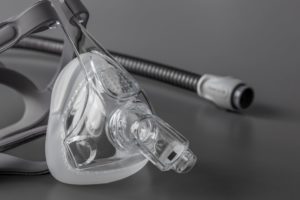
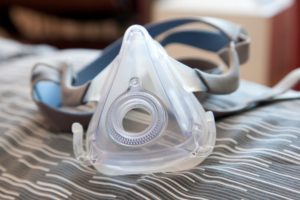
The majority of CPAP masks are universally compatible, so they can work with almost any CPAP, APAP, or BiPAP machine. That said, there are a few exceptions. A few CPAP models only work with certain types of masks.
Standard 19-millimeter tubing is compatible with nearly all PAP masks and machine varieties. However, certain models can only be used with a slim 15-millimeter hose.

Still have questions? Ask our community!
Join our Sleep Care Community — a trusted hub of product specialists, sleep health professionals, and people just like you. Whether you’re searching for the perfect mattress or need expert sleep advice, we’ve got you covered. Get personalized guidance from the experts who know sleep best.
Jay Vera Summer is a writer, editor, and wellness coach. She holds a Bachelor's of Science in psychology and Master's degrees in both writing and public policy.
Dr. Abhinav Singh, board certified in Sleep Medicine and Internal Medicine, is the Medical Director of the Indiana Sleep Center, which is accredited by the American Academy of Sleep Medicine. He is also a Clinical Assistant Professor at Marian University College of Medicine in Indianapolis, where he developed and teaches a Sleep Medicine rotation.
Learn more about our medical advisory boardReferences7 Sources
Slowick, J. M., & Collen, J. F. (2022, January). Obstructive sleep apnea. In StatPearls. StatPearls Publishing.
https://www.ncbi.nlm.nih.gov/books/NBK459252/Farré, R., Gozal, D., & Montserrat, J. M. (2021). Alternative procedure to individual nasal pressure titration for sleep apnea. Journal of Clinical Medicine, 10(7), 1453.
https://pubmed.ncbi.nlm.nih.gov/33916282/Xu, T., Li, T., Wei, D., Feng, Y., Xian, L., Wu, H., & Xu, J. (2011). Effect of automatic versus fixed continuous positive airway pressure for the treatment of obstructive sleep apnea: An up-to-date meta-analysis. Sleep and Breathing, 16(4), 1017–1026.
https://pubmed.ncbi.nlm.nih.gov/22139138/Brown, L. K., & Lee, W. (2021, September 17). Titration of positive airway pressure therapy for adults with obstructive sleep apnea. In N. Collop (Ed.). UpToDate.
https://www.uptodate.com/contents/titration-of-positive-airway-pressure-therapy-for-adults-with-obstructive-sleep-apneaIshikawa, O., & Oks, M. (2021). Central sleep apnea. Clinics in Geriatric Medicine, 37(3), 469–481.
https://pubmed.ncbi.nlm.nih.gov/34210451/American Academy of Sleep Medicine. (2018, October 19). FDA reclassifies positive airway pressure as a Class II medical device.
https://aasm.org/fda-reclassifies-positive-aiway-pressure-class-ii-medical-device/U.S. Centers for Medicare and Medicaid Services. (n.d.) Continuous positive airway pressure (CPAP) devices, accessories, & therapy.
https://www.medicare.gov/coverage/continuous-positive-airway-pressure-devices