- Share


- Url copied
FDA Warns Certain Philips CPAP Machines May Overheat and Cause Injuries

Risa Kerslake, RN, BSN
Contributing Writer
Risa Kerslake is a registered nurse turned freelance writer specializing in sleep, women’s health, parenting, and healthcare technology. She’s written for publications including Sleep Review, Healthline, Parents, Discover, Vice, and Healthgrades. Risa lives in Minneapolis, Minnesota.
Read Full BioWant to read more about all our experts in the field?
Learn About The Editorial TeamSleep Foundation
Fact-Checking: Our Process
The Sleep Foundation editorial team is dedicated to providing content that meets the highest standards for accuracy and objectivity. Our editors and medical experts rigorously evaluate every article and guide to ensure the information is factual, up-to-date, and free of bias.
The Sleep Foundation fact-checking guidelines are as follows:
- We only cite reputable sources when researching our guides and articles. These include peer-reviewed journals, government reports, academic and medical associations, and interviews with credentialed medical experts and practitioners.
- All scientific data and information must be backed up by at least one reputable source. Each guide and article includes a comprehensive bibliography with full citations and links to the original sources.
- Some guides and articles feature links to other relevant Sleep Foundation pages. These internal links are intended to improve ease of navigation across the site, and are never used as original sources for scientific data or information.
- A member of our medical expert team provides a final review of the content and sources cited for every guide, article, and product review concerning medical- and health-related topics. Inaccurate or unverifiable information will be removed prior to publication.
- Plagiarism is never tolerated. Writers and editors caught stealing content or improperly citing sources are immediately terminated, and we will work to rectify the situation with the original publisher(s)
- Although Sleep Foundation maintains affiliate partnerships with brands and e-commerce portals, these relationships never have any bearing on our product reviews or recommendations. Read our full Advertising Disclosure for more information.
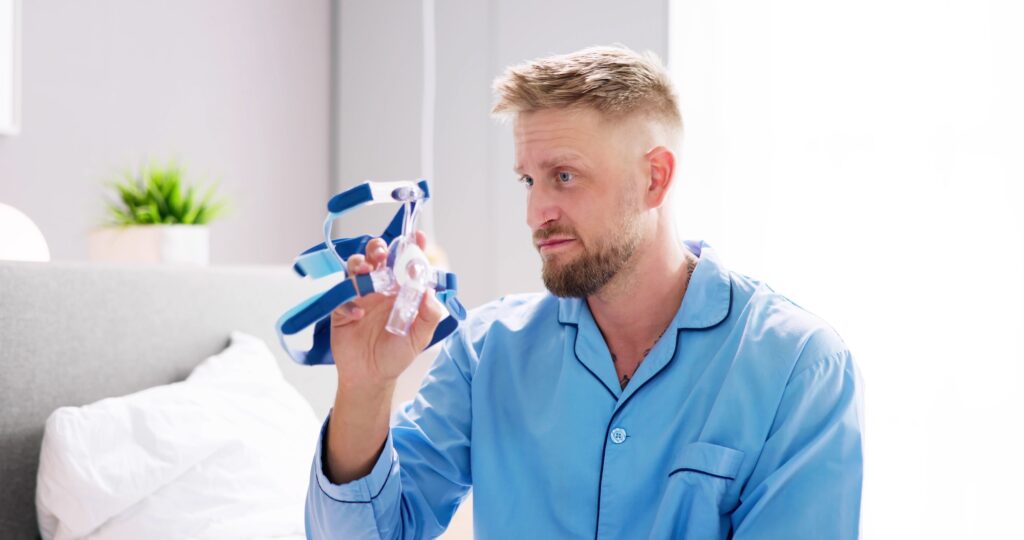
The U.S. Food and Drug Administration (FDA) issued a new safety warning alerting those who use Philips DreamStation 2 CPAP machines to be aware of the potential for overheating. Trusted Source U.S. Food and Drug Administration (FDA)The FDA is responsible for protecting the public health by ensuring the safety, efficacy, and security of human and veterinary drugs, biological products, and medical devices; and by ensuring the safety of our nation's food supply, cosmetics, and products that emit radiation.View Source The agency explains that they have received over 270 reports of problems filed by users between August 1 and November 15, 2023, a sharp rise over the past three years.
According to the medical device reports from the manufacturer and facilities that use the machines, these overheating issues have resulted in burns, smoke, and even fires. The FDA says the device’s electrical or mechanical systems might be to blame, causing the CPAP machines to overheat while in use. The FDA and the CPAP company Philips are working together to figure out the exact cause. They will continue to provide updates on this ongoing issue.
CPAP (continuous positive airway pressure) machines are one of the most common ways to treat sleep apnea, with an estimated 33 million people using them. The machines provide a steady flow of air into the upper airway during sleep to help prevent pauses in breathing and reduced oxygen levels caused by sleep apnea. Without treatment, sleep apnea can lead to serious health complications.
Philips DreamStation CPAP machines have been recalled in the past because of concerns about the devices’ foam. This foam could release harmful chemicals or break down and put users’ safety at risk if the broken-down foam is inhaled or swallowed while the machine is in use. The current safety warning isn’t believed to be related to the CPAP’s foam, according to the FDA.
If you own a Philips DreamStation 2 CPAP, the FDA recommends reducing the risk of your machine overheating. You can find safety tips in the owner’s manual, including:
- Keep the CPAP on a hard, flat surface so it can’t tip over and away from flammable objects such as fibers and cleaning products.
- Follow instructions for keeping the CPAP clean.
- Empty the water reservoir daily.
- Let the CPAP’s heater plate and water cool completely before removing the tank. These components can burn you if you touch them while they’re still hot.
Inspect your CPAP before going to bed to make sure you don’t notice any changes to how it looks or smells. It’s a good idea to look over your machine before and after each use. Check that water hasn’t spilled into the machine itself.
Unplug the CPAP and don’t use it if you smell burning, see smoke, notice anything unusual in its appearance or sounds, or don’t think it’s working correctly.
Talk with your doctor if you can’t use your CPAP due to these or other concerns related to this report. They can help you come up with a plan so you can continue treating your sleep apnea safely.
The FDA is encouraging CPAP users to report problems with their machines by contacting the manufacturer and filling out the FDA’s MedWatch Voluntary Reporting Form.
Got a hot tip? Pitch us your story idea, share your expertise with SleepFoundation.org, or let us know about your sleep experiences right here.
Written By
Risa Kerslake, RN, BSN, Contributing Writer RN, BSN
Risa Kerslake is a registered nurse turned freelance writer specializing in sleep, women’s health, parenting, and healthcare technology. She’s written for publications including Sleep Review, Healthline, Parents, Discover, Vice, and Healthgrades. Risa lives in Minneapolis, Minnesota.
- Share
- Url copied
References1 Sources
Food and Drug Administration. (2023, November 28). Carefully Monitor Philips DreamStation 2 CPAP Machines for Signs of Overheating: FDA Safety Communication.
https://www.fda.gov/medical-devices/safety-communications/carefully-monitor-philips-dreamstation-2-cpap-machines-signs-overheating-fda-safety-communication
Learn More About Sleep News
Latest Updates on Daylight Saving Time in 2026
By Eric Suni July 15, 2026
Sleep News
January 22, 2024
Researchers Develop New Seal-Less CPAP Mask
By Danielle Pacheco May 10, 2024
Study Finds Microdosing LSD May Enhance Sleep
By Eric Suni May 6, 2024
46% of People with Below-Average Sleep Quality Rate Their Mental Health As Poor
By Annie Atherton May 3, 2024
Philips Reaches $1.1B Settlement Over Defective CPAP Machines
By Annie Atherton May 2, 2024
Can a Weight-Loss Drug Treat Sleep Apnea on Its Own?
By Tina Smithers Peckham April 26, 2024
Accidental Melatonin Overdoses by Kids Leads to Spike in ER Visits
By Eric Suni April 5, 2024
77% of Young Adult Vape Users Report Insomnia Symptoms
By Risa Kerslake, RN, BSN March 27, 2024
How Does Your Sleep Change With a New Mattress?
By Garen Glazier March 22, 2024
People On Plant-Based Diets Sleep Up to 48 More Minutes Per Night
By Tina Smithers Peckham March 22, 2024
Do Grounding Sheets Help You Sleep Better?
By Kelsey Casselbury March 21, 2024
The Windowless Bedroom Debate Heats Up
By Michael Hines March 8, 2024
Sleep Differences Between Women and Men
By Annie Atherton March 5, 2024
Study Finds Bedtime Procrastination Impacts Sleep Quality
By Cassandra Burns March 4, 2024
How Pumping Up with Steroids Can Deflate Sleep
By Kelsey Casselbury March 1, 2024
What Does the Hurkle-Durkle TikTok Trend Do for Your Sleep?
By Jay Vera Summer February 29, 2024
New Study Finds Post-COVID Insomnia is Common Even Among Mild Cases
By Tina Smithers Peckham February 27, 2024
Only Murders While You're Sleeping: The Parasomnia Defense
By Eric Suni February 16, 2024
When Your Partner Snores, No One Sleeps
By Tina Smithers Peckham February 15, 2024
Samsung Watch Sleep Apnea Feature First Ever Approved by FDA
By Kelsey Casselbury February 13, 2024
New Research Evaluates Accuracy of Sleep Trackers
By Colin Simpson February 9, 2024
Purdy vs. Mahomes: Which Super Bowl LVIII QB Has Better Sleep Habits?
By Kelsey Casselbury February 5, 2024
New Studies Link Sleep Problems and Hearing Loss
By Linda Childers February 2, 2024
2024 Projected to Be Biggest Year Yet for Sleep Industry
By Annie Atherton January 29, 2024
New Sleep Mask Benefit Unlocked: Improved Brain Function
By Annie Atherton January 25, 2024
The Best & Worst U.S. Cities for Sleep
By Tina Smithers Peckham January 23, 2024
Do Sleepy Girl Mocktails Help You Sleep Better?
By Kelsey Casselbury January 23, 2024
New Study Finds That the Wavelength of Light, Not Color, Impacts Sleep
By Eric Suni January 11, 2024
New Study Shows CPAP Therapy Can Aid Memory Processes in the Brain
By Eric Suni January 10, 2024
If Opening a Window Leads to Better Sleep, Why Don't We Do It?
By Constance Sommer January 9, 2024
Can New Weight Loss Drugs Improve Sleep?
By Eric Suni January 3, 2024
Thinking About a Dry January? 61% Say They Sleep Better For It.
By Ashley Lauretta December 28, 2023
10 New Year's Resolutions That Can Improve Your Sleep
By Constance Sommer December 22, 2023
FDA Clears First Oral Appliance for Severe Sleep Apnea
By Jay Vera Summer December 19, 2023
The Year in Sleep: 37% of Us Slept Worse in 2023
By Heather Balogh Rochfort December 15, 2023
The Unexpected Impact of Caffeine and Alcohol on Sleep
By Jay Vera Summer December 5, 2023
Is Cannabis More Effective Than Other Sleep Aids?
By Risa Kerslake, RN, BSN November 30, 2023
77% of Us Lose Sleep Over Financial Worries. How Do We Earn It Back?
By Annie Atherton November 17, 2023
New Feature for 2024 Apple Watch Reportedly Detects Sleep Apnea
By Jay Vera Summer November 10, 2023
Drowsy Driving Is a Factor in 21% of Fatal Crashes. Why Don't We Talk About It More?
By Annie Atherton November 6, 2023
Health and Safety Concerns Cited as Top Priority in New Daylight Saving Time Survey
By Eric Suni November 3, 2023
How Bedroom Temperatures and Bedding Choices Impact Sleep
By Danielle Pacheco November 1, 2023
How Your Gut Microbiome Influences How and When You Sleep
By Rob Newsom October 20, 2023
Hitting the Snooze Button May Actually Be Good for You
By Brian Clark October 20, 2023
94% of Us Drink Caffeinated Beverages. But What Does it do to Our Sleep?
By Tina Smithers Peckham September 26, 2023
Nearly Half of Parents Give Their Kids Melatonin for Sleep
By Brian Clark September 19, 2023
Our Brains Can Age as Much as Two Years With No Sleep for 24 Hours
By Rob Newsom August 14, 2023
Good Sleep Linked to Longer Life
By Jennifer Welsh August 10, 2023
Study Shows Keto Diet Can Help You Sleep Better
By Annie Atherton August 3, 2023
What Do We Really Think of Later School Start Times?
By Constance Sommer July 25, 2023
Social Media Dominates Pre-Bedtime Routine for U.S. Adults, Survey Finds
By Mary Ladd June 6, 2023
Hidden Sleep Crisis: Unhoused Americans Struggle For Their Health
By Sana Khan June 6, 2023
Sleep Solutions for Working From Home
By Sarah Shoen April 13, 2023
Fewer Than 2% Of Adults Are in a Sleep Divorce. But Do They Sleep Better?
By Jennifer Stavros March 28, 2023
How Often Do We Eat Before Bed, and How Bad Is It for Us?
By Jennifer Welsh February 24, 2023
Why Can't Hawaii Sleep? And What Makes the Top States for Sleep So Good?
By Rena Goldman January 3, 2023
Painsomnia Steals 51.5 Minutes of Our Sleep Every Night. How Do We Cope?
By Lisa Marie Basile December 16, 2022
How Gamers Actually Sleep
By Lauren Gravitz November 18, 2022
It Ain’t the Turkey: We Lose 11 Minutes of Sleep on Thanksgiving
By Constance Sommer November 15, 2022
Do We Lose Sleep to Seasonal Affective Disorder?
By Lisa Marie Basile October 31, 2022
We May Be Showering All Wrong, at Least When It Comes to Sleep
By Erin Quinn-Kong October 31, 2022
What Do We Really Think About Adults Who Sleep In?
By Susan Johnston Taylor October 25, 2022
How Much Melatonin Do We Really Take?
By Brianna Graham, MPH October 20, 2022
Who's Napping, How Long, and What Does It Mean for Our Health?
By Constance Sommer October 3, 2022
Sleep Apnea May Increase Risk of COVID-19 Severity
By Sarah Shoen September 29, 2022
One-Third of Us Lose Sleep to the 'Sunday Scaries.' Here's How To Get It Back
By Brianna Graham, MPH September 21, 2022
Having Your Own Room as a Kid May Be Worth 28 Minutes of Sleep
By Erin Quinn-Kong September 9, 2022
Do We Sleep Better in Airbnbs or Hotels?
By Susan Johnston Taylor August 11, 2022
Sleep Inequity Takes Center Stage in SIDS Recommendations
By Lisa Fields July 19, 2022
Why Are We All Still Watching TV Right Before Bed?
By Hilary Achauer July 8, 2022
New Rules May Change the Game For Some Baby Sleep Products
By Lisa Fields May 26, 2022
Older Adults May Improve Deep Sleep With Noise
By Dylan Roche May 20, 2022
Lifting Weights May Help You Sleep Better Than Cardio
By Kelsey Casselbury April 20, 2022
Noise During Sleep Affects Your Heart, Study Finds
By Sarah Shoen January 6, 2022
FDA Warns Against Certain At-Home Cleaners for Your CPAP Machine
By Sarah Shoen July 10, 2021
Wildfires and Smoke: How to Protect Your Sleep
By Sarah Shoen June 30, 2021
Can Tracking Your Child’s Sleep Give a Look Into Their Upcoming Day?
By Sarah Shoen May 14, 2021