- Share


- Url copied
Noise During Sleep Affects Your Heart, Study Finds

Researchers out of Australia’s Flinders University recently studied various physical reactions during sleep when exposed to noise. They found that certain levels of noise exposure while sleeping, even those below recommended safe levels, may affect a person’s cardiovascular response. When chronically activated during sleep, these responses “could potentially have detrimental effects on the cardiovascular system,” said researchers.
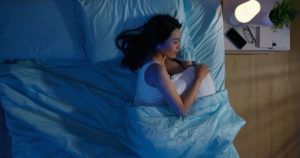
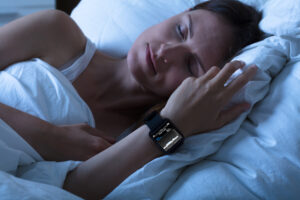
Researchers exposed 20 adult participants to various decibels of wind farm and road noise while asleep, then monitored physical responses including blood flow and heart rate as well as sleep awakenings. Although asleep, participants reacted to these noises, as found by the researchers.
For example, a 48 decibel (dB) noise — which is quieter than the 50 dB hum of a refrigerator — was 3.4 times more likely to cause a change in participants’ pulse wave amplitude, which is a measurement that relates to blood flow.
Participants’ heart rates responded to the noise as well. After being exposed to a noise of over 40 dB, they experienced an increase followed by a decrease in their heart rates.
The study noted that these sound levels are under the recommended 70 dB limit by the World Health Organization.
Physiological reactions that the study monitored, such as heart rate and blood flow, may root in the proper responses that may be “potentially needed to defend against threats during sleep,” researchers said.
Sleep is typically a time for the body to rest and recover, and noise-induced activation of these cardiovascular responses during sleep may prevent a person from getting the proper amount of healthy sleep they need.
Researchers noted that chronic exposure to noise pollution during sleep may increase the risk of cardiovascular disease, such as hypertension, heart disease, and other adverse health effects.
To help mitigate the potential increased health risks posed by recurrent noise-induced sleep disturbances, researchers suggest that their findings help inform creating public policies around noise levels during sleep.
Sarah Shoen is a journalist and writer with experience across print, broadcast, and digital media. She holds a bachelor’s degree in broadcast journalism from the University of Nevada, Reno and has worked in newspaper reporting, broadcast news, and magazine publishing.
- Share
- Url copied
References1 Sources
Lechat, B., Scott, H., Decup, F., Hansen, K. L., Micic, G., Dunbar, C., Liebich, T., Catcheside, P., & Zajamsek, B. (2021). Environmental noise-induced cardiovascular responses during sleep. OUP Academic., Retrieved January 4, 2022.
https://academic.oup.com/sleep/advance-article-abstract/doi/10.1093/sleep/zsab302/6489046?redirectedFrom=fulltext