
When you buy through our links, we may earn a commission. Products or services may be offered by an affiliated entity. Learn more.
Best Memory Foam Mattress of 2026
Top Picks From Our Product Experts

Sleep Foundation
Why Trust Us


Our mission to create a healthier, more well-rested world demands that our product reviews be best-in-class. You won’t find more expertise on mattresses and sleep products anywhere else.
The Sleep Foundation product testing team uses an industry-leading evaluation process paired with real world consumer feedback to come up with objective recommendations so that you can feel confident in your product decisions.
As someone who’s slept on all kinds of different mattresses, I can tell you that memory foam has a very specific feel. No other material hugs the body in the same way. And there’s a lot of variation in foam beds. But after nearly a decade of testing more than 600 foam mattresses, I’ve learned a lot about what makes a good memory foam bed — and who they’re best for. Below, I’ll share what to look for, as well as our team’s top picks based on hands-on testing.
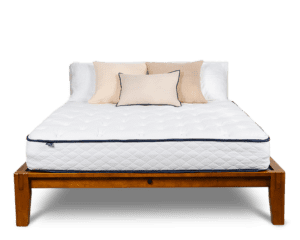
Our Top Pick: WinkBeds GravityLux
After evaluating more than 600 memory foam mattresses, we’ve settled on the WinkBeds GravityLux as our best overall selection in this category. Dense comfort layers and a zoned support system deliver that soothing balance of cushioning and pushback that makes memory foam beds so popular, and three firmness options ensure most people can find a design that meets their needs.
Our Top Picks
Best Overall Memory Foam Mattress
:WinkBeds GravityLux
Shop Now
Best Plush Memory Foam Mattress
:Leesa Original
Shop Now
Best Affordable Memory Foam Mattress
:Brooklyn Bedding CopperFlex Pro Memory Foam
Shop Now
Best Memory Foam Mattress Alternative
:Nolah Signature 12
Shop Now
Best Gel Memory Foam Mattress
:Lull Original Mattress
Shop Now
Best Memory Foam Mattress for Back Pain
:Bear Original
Shop Now
Best Cooling Memory Foam Mattress
:SweetNight CoolNest Memory Foam
Shop Now
Best Luxury Memory Foam Mattress
:Saatva Contour5
Shop Now
Best Firm Memory Foam Mattress
:Silk & Snow Mattress – Firm
Shop Now
Best Memory Foam Mattress for Side Sleepers
:Layla Memory Foam Mattress
Shop Now
Labor Day Discount Spotlight: SweetNight CoolNest
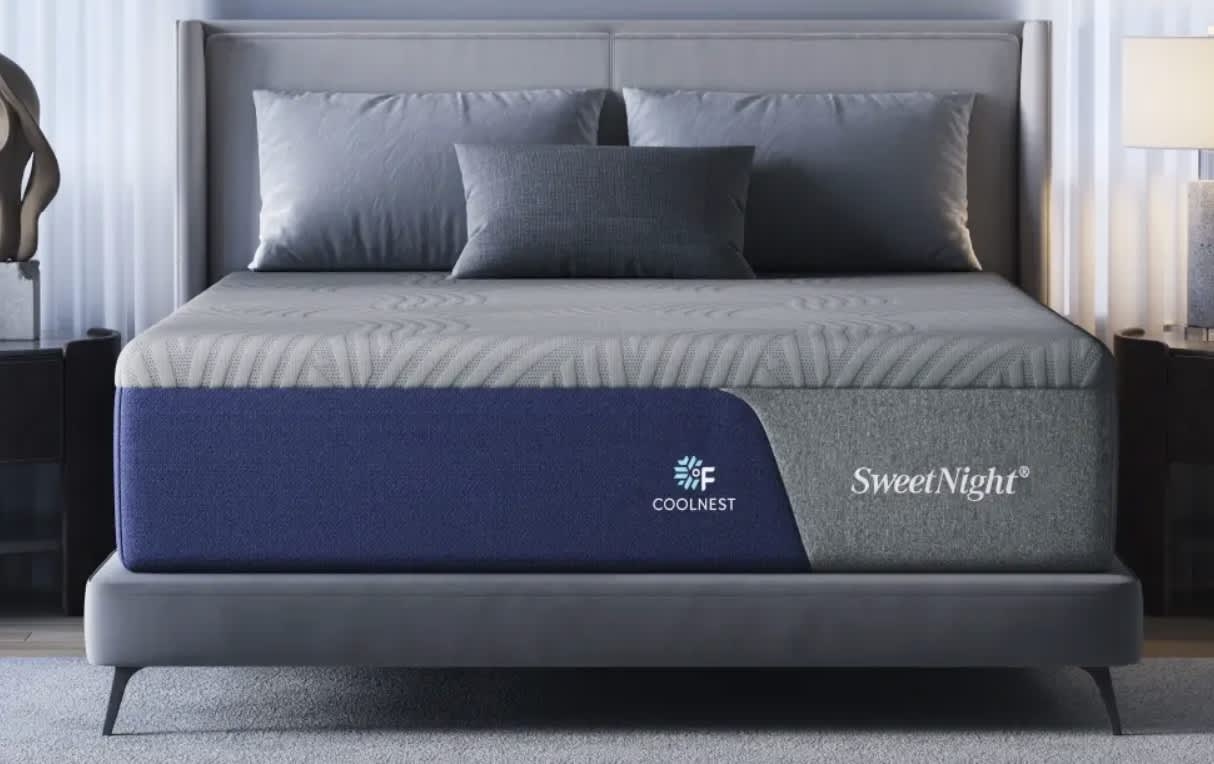
The Labor Day deal for SweetNight’s CoolNest Memory Foam — our best cooling pick for hot sleepers — is hard to beat.
Now through September 13, you’ll receive 45% off sitewide, an additional 15% off bundles, and free pillows with your purchase.
No code needed at checkout. Shipping is free for all orders.
Best Mattress Deals for Labor Day
- Save $771 — WinkBeds GravityLux
$1,799(List Price $2,570) - Save $333 — Leesa Original
$999(List Price $1,332) - Save $167 — Brooklyn Bedding CopperFlex Pro Memory Foam
$498(List Price $665) - Save $630 — Nolah Signature 12
$1,169(List Price $1,799) - Save $1,375 — Lull Original Mattress
$708(List Price $2,083)
How We Test
How We Calculate Our Overall Scores
When it comes to our methodology, our team thoroughly tests and researches each mattress that lands on our lists. We use a four-step evaluation process that analyzes the bed’s construction and materials, firmness options, and expected lifespan. We also look at real-life user reviews and ratings to get a better understanding of the company’s reputation and customer service.
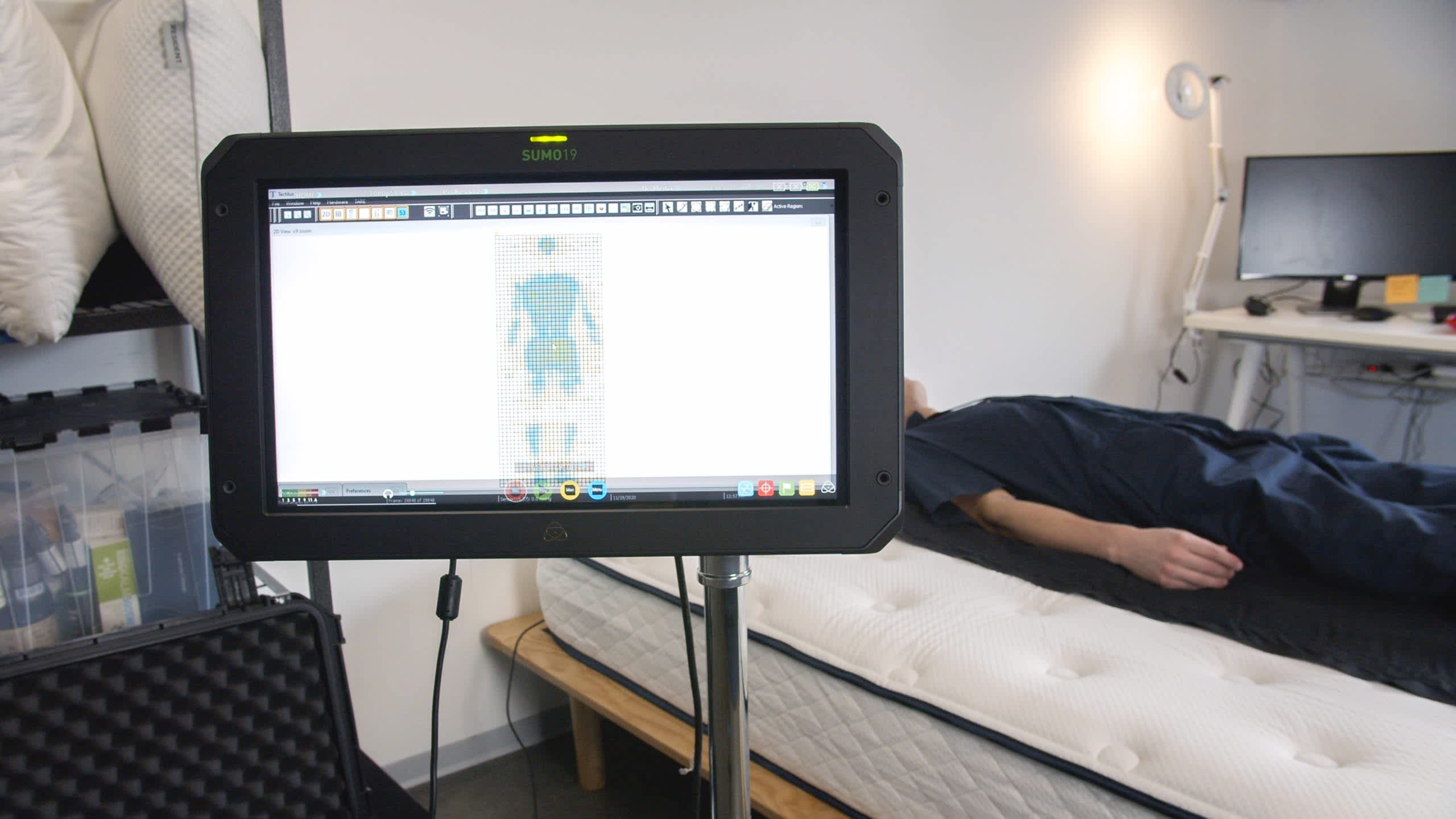
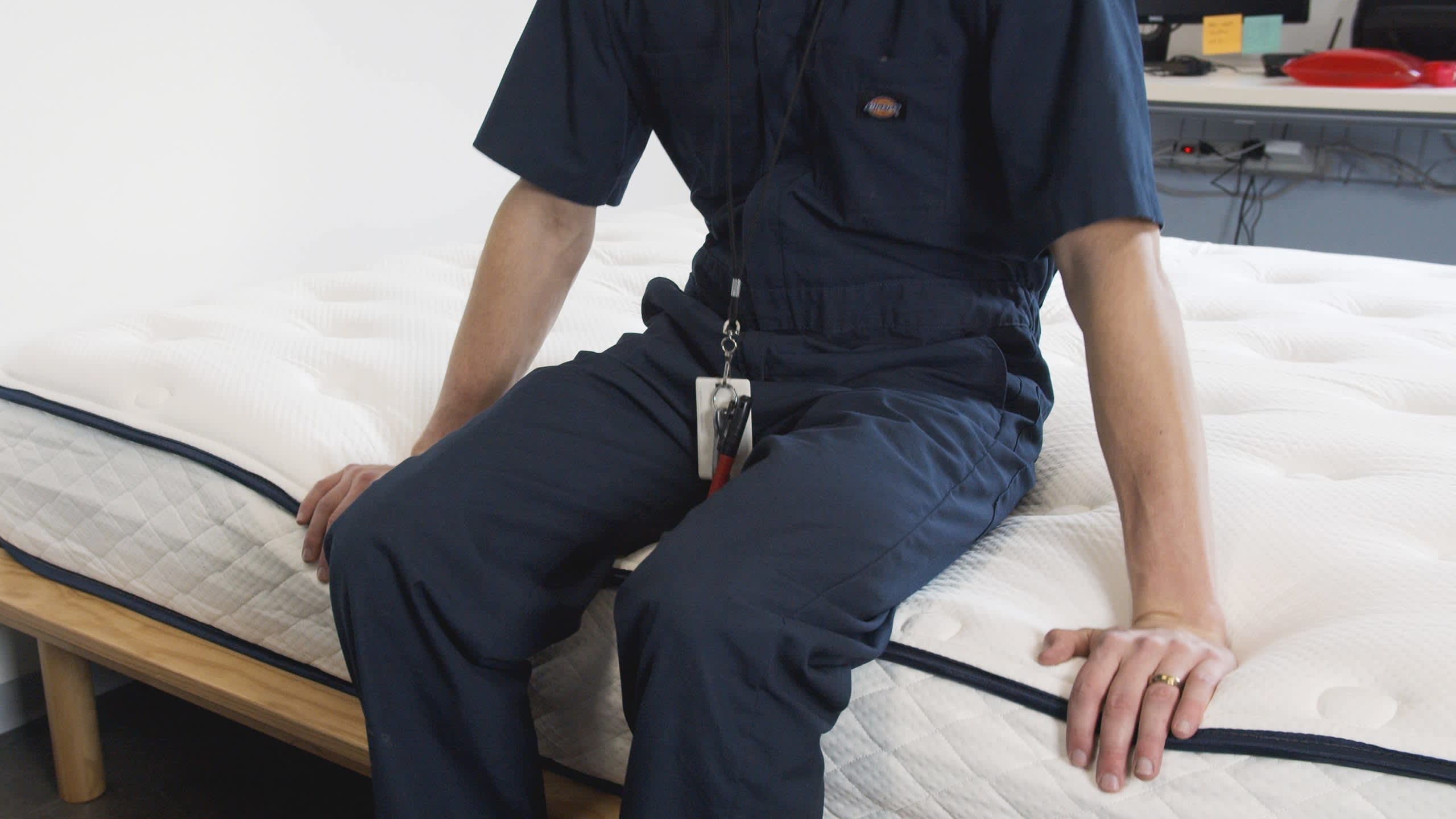
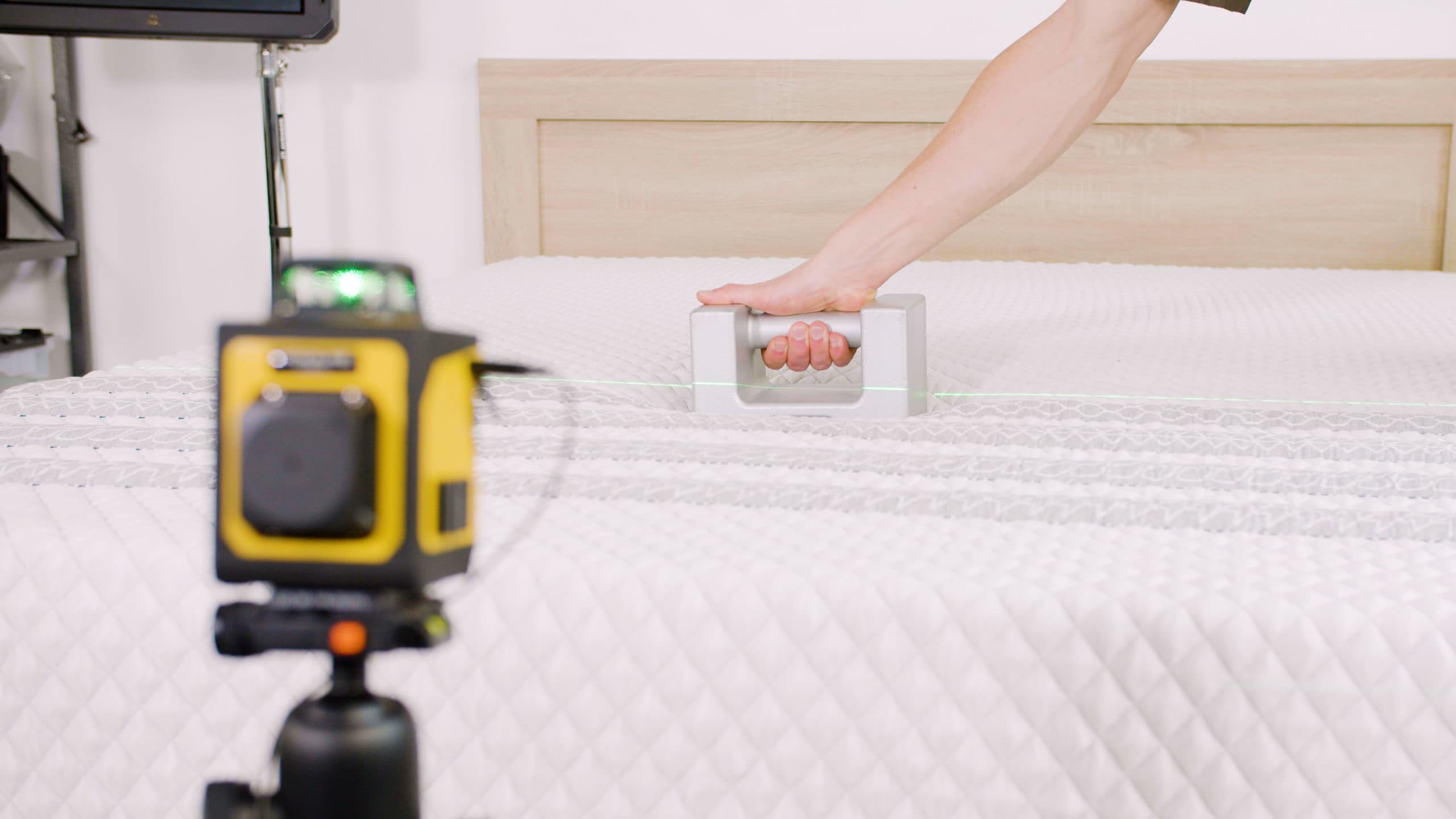
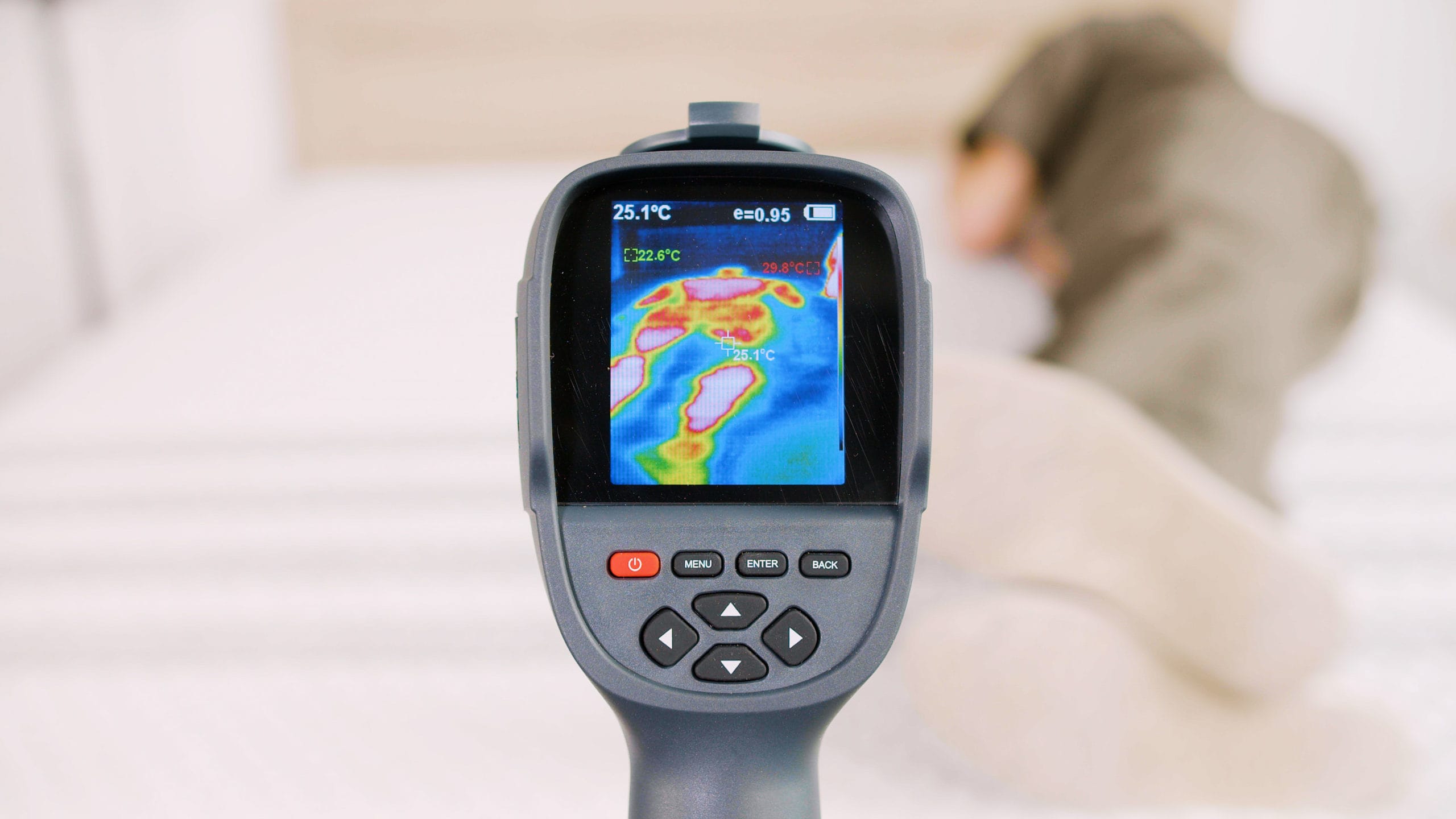
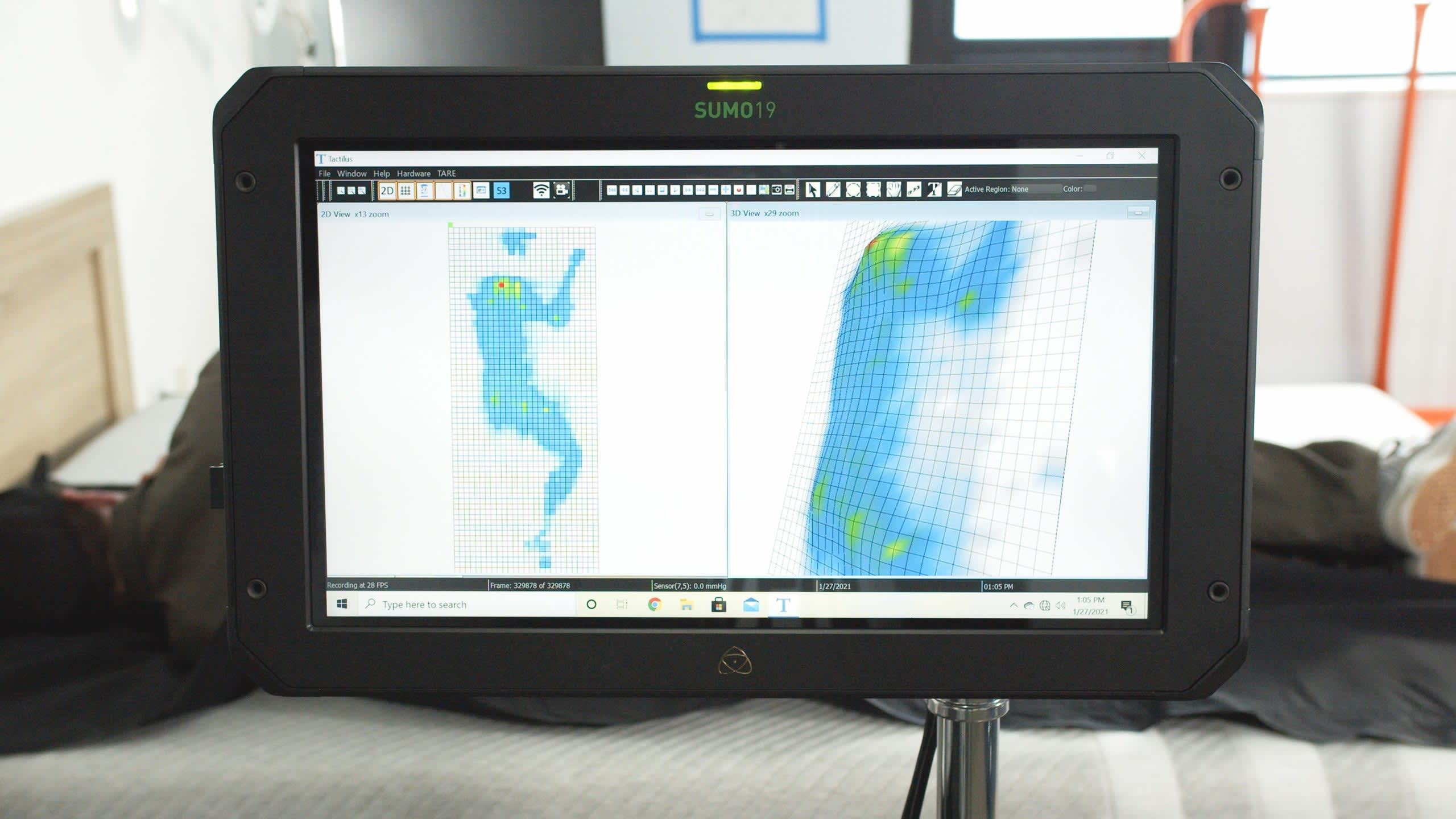
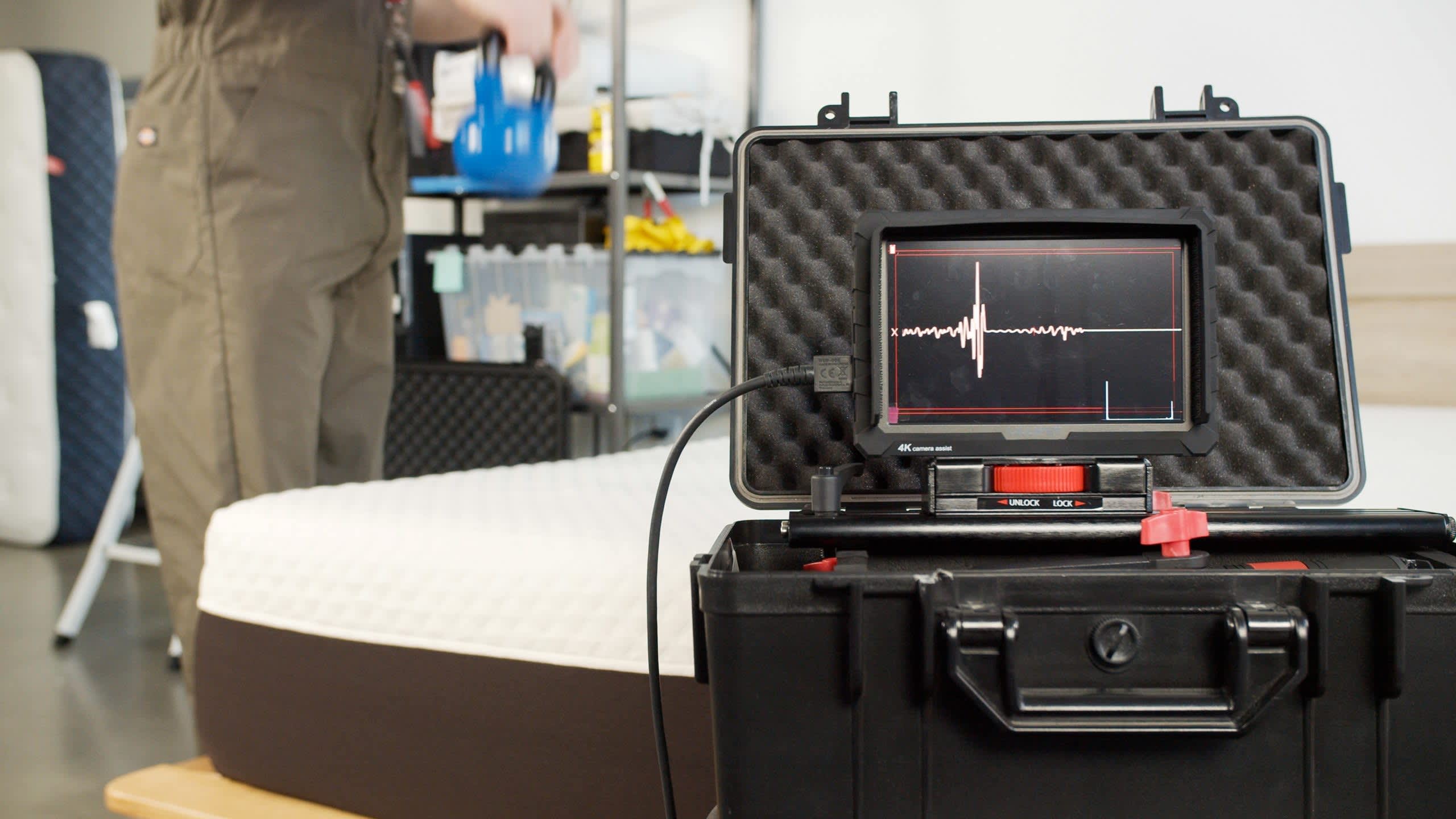
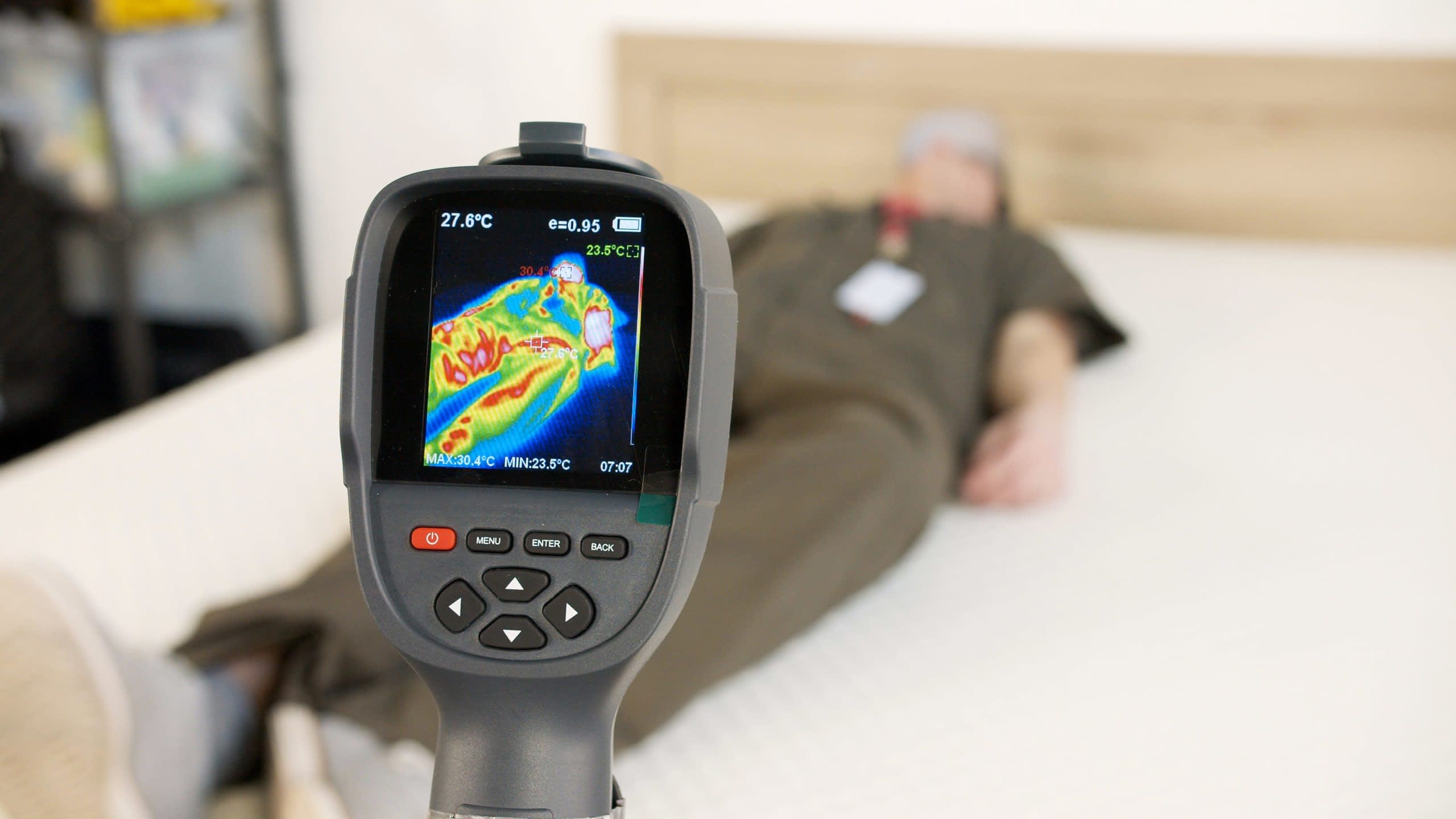
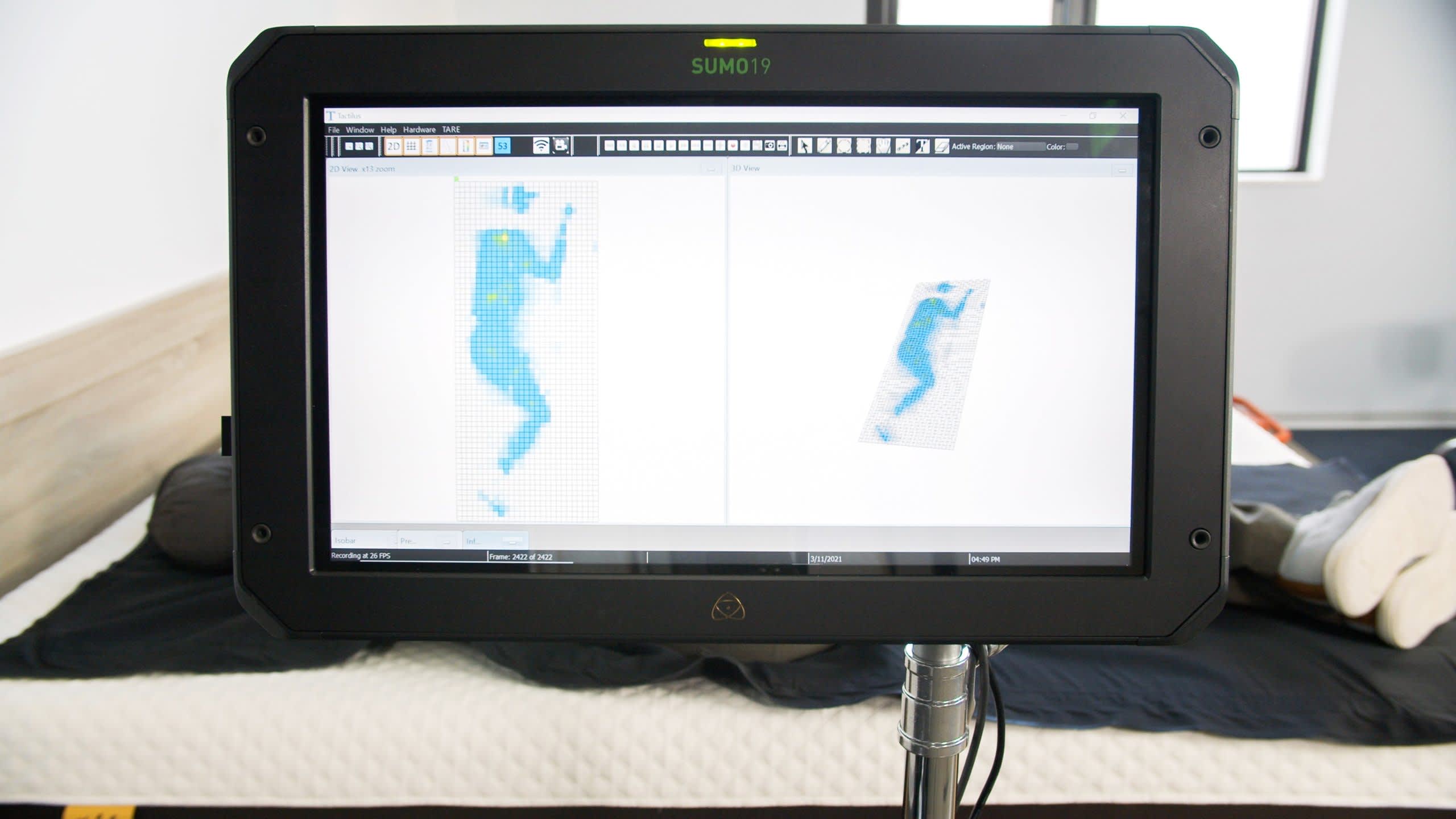
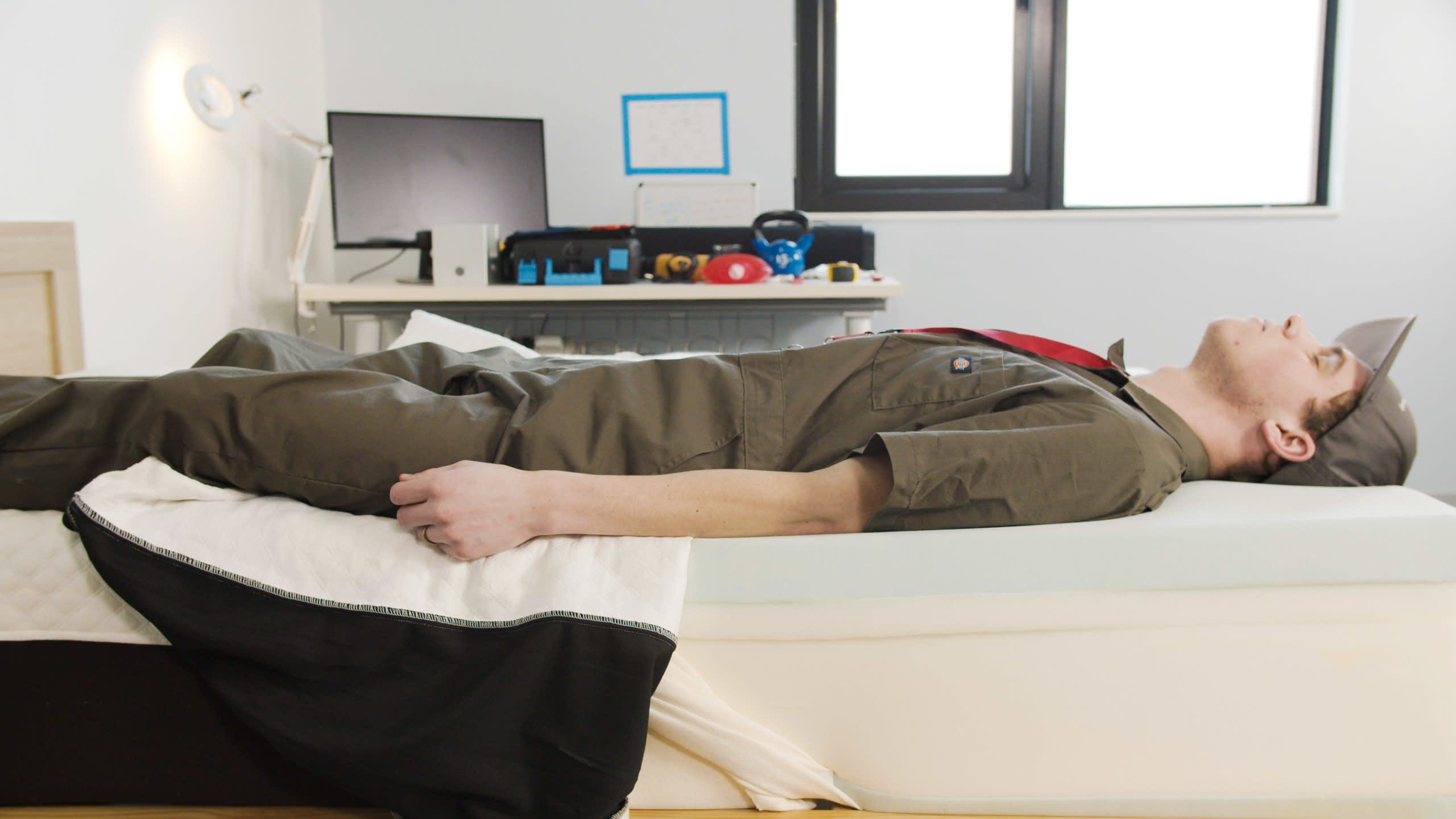
In terms of hands-on testing, we use special tools and technology to get data on key performance categories like motion isolation, temperature regulation, and pressure relief. Once our labwork is finished, we have members of our testing team take home the mattresses for 2 to 3 weeks so we can get a better idea of how the bed performs long-term and with different sleeper profiles.
The overall test lab score and individual ratings you see for each mattress are determined using calculated data and notes we’ve taken throughout an in-depth testing process. Learn more about our those performance categories below, with each metric taking up a certain percentage of our overall ratings.

How We Determine the Best Memory Foam Beds
There were a few key factors we kept in mind when finding the best memory foam mattresses (besides material, of course):
- Firmness: Different sleeping positions and preferences tend to have different firmness needs, so we made sure to include a variety of feels, ranging from medium soft to firm. Memory foam is known for its ability to contour to your body, offering pressure relief and a “sinking” like feeling.
- Temperature Control: Memory foam isn’t the most breathable material. It’s on the denser side, though there have been solutions to this, like gel and open-cell memory foam beds.
- Spinal Alignment: Since memory foam offers that comfortable contouring sensation, it may not always provide the support needed for proper spinal alignment. It can depend on materials and construction, but we made sure to source out mattresses that have proper support cores to ensure all types of sleepers receive essential lumbar support.
- Pressure Relief: Like I mentioned above, memory foam tends to do an excellent job of providing relief at key pressure points, like the shoulders, hips, and neck.
Our Testing Team

Logan Foley
Executive Product Director
Full Bio

Mary Fenton
Head of Product Content
Full Bio

Jeremy Klein
Product Testing Manager
Full Bio

Brad Nehring
Product Testing Manager
Full Bio

Colin Simpson
Product Research Manager
Full Bio
Learn More About the Best Memory Foam Mattresses
Best Overall Memory Foam Mattress
8.8/10Test Lab Score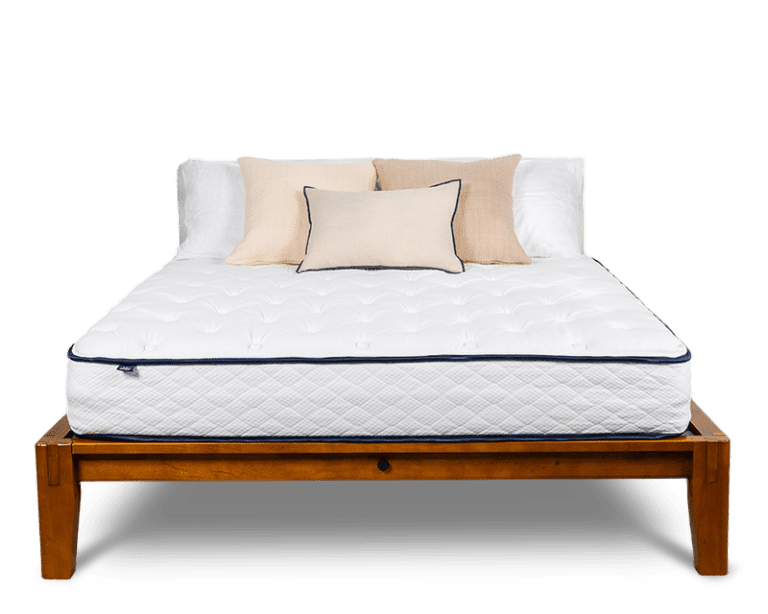
WinkBeds GravityLux
An all-around performer offered in a range of firmness options.
Key Details
- Who It’s Best For: People with lower back or hip pain, couples, and mattress shoppers looking for firmness options
- Feel: Available in three firmness levels, each with a distinct combination of plush contouring and firm support
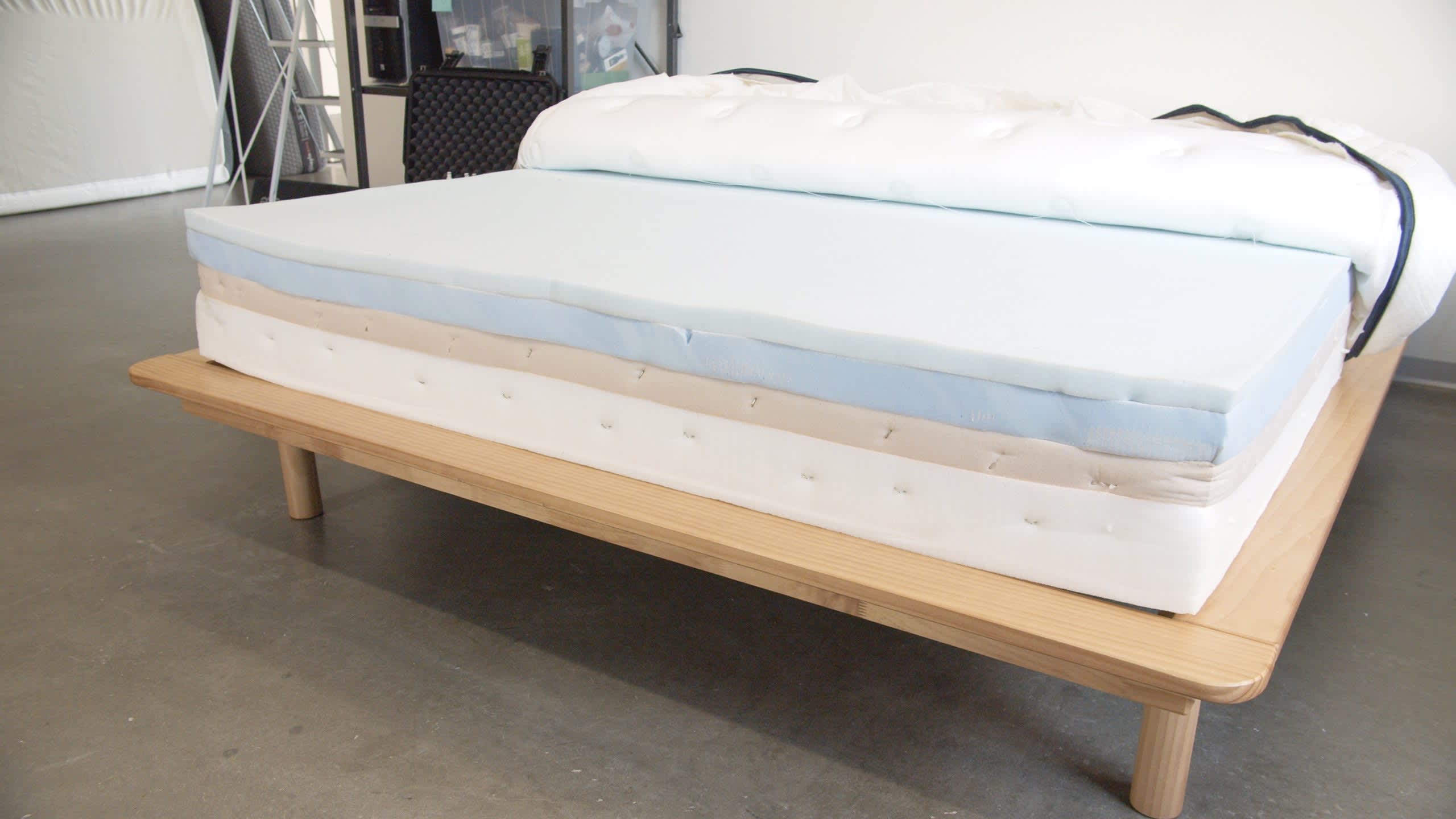
- What It’s Made Of: A comfort layer of proprietary AirCell memory foam over zoned transitional foam and high-density base foam with a cover made of moisture-wicking Tencel fabric
- What We Don’t Like: Strong off-gassing odor for the first few nights
Scoring & Reviews
The following ratings show how suitable this mattress is for different sleeping positions and sleeper weights. These scores are determined by how well the mattress supports and relieves pressure for each sleeper type.
In addition to the hands-on feedback from our team, we conduct a number of quantitative tests in our Test Lab. The below ratings are based on the experience of our testers.
Performance
Full Breakdown
The GravityLux by WinkBeds is a memory foam mattress that comes in three firmness levels: medium soft (4), medium (5), and firm (8). Our testers found that the bed optimizes comfort for many body types and sleep positions regardless of firmness level, which should suit couples with different preferences.
How It Performs
After performing numerous tests on the GravityLux, our testers gave it high marks in the pressure relief and motion isolation categories. This makes it great for people who experience back, shoulder, or hip pain, as well as couples and light sleepers.
Since the bed is available in three different firmness options, we think sleepers of all weights and sleeping positions should be able to find a GravityLux model that works for them. While all-foam mattresses inevitably will sleep somewhat hot at night, the open-celled foam makes the GravityLux more temperature neutral than other memory foam beds we’ve tested.
Trial, Shipping, and Warranty
As a luxury option, the GravityLux comes at a slightly higher price-point than the average all-foam mattress, but it also stands out due to its quality construction and materials. WinkBeds offers a 120-night sleep trial, a lifetime warranty, and free shipping within the contiguous U.S.
Best Plush Memory Foam Mattress
8.2/10Test Lab Score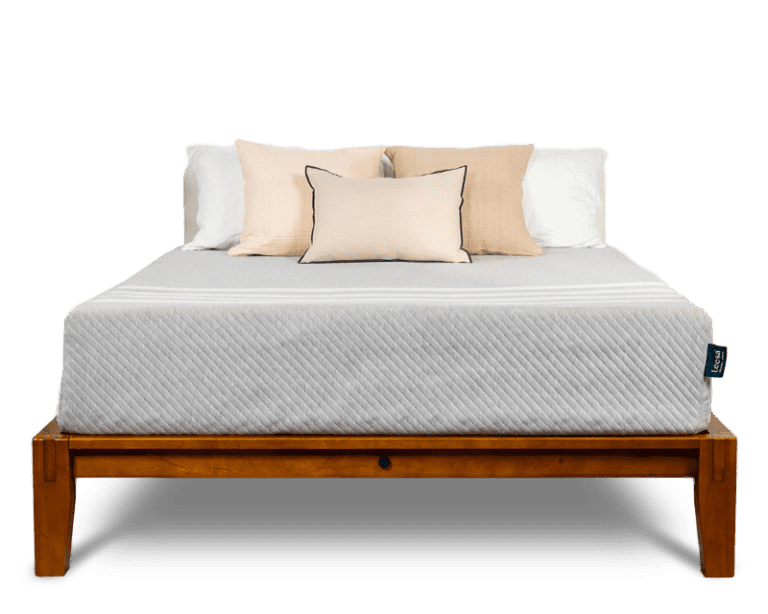
Leesa Original
High-quality all-foam bed that appeals to most sleepers.
Key Details
- Who It’s Best For: Side sleepers up to 230 pounds, co-sleepers, and anyone who prefers a bit of bounce from their mattress
- Feel: Medium (5) feel with a gentle bounce on the surface and deep, even contouring as your body settles into the mattress
- What It’s Made Of: A top polyfoam layer that’s adaptive and lightly responsive to movement, followed by body-hugging memory foam and a dense foam support core
- What We Don’t Like: Lacks the support needed for most back and stomach sleepers
Scoring & Reviews
The following ratings show how suitable this mattress is for different sleeping positions and sleeper weights. These scores are determined by how well the mattress supports and relieves pressure for each sleeper type.
In addition to the hands-on feedback from our team, we conduct a number of quantitative tests in our Test Lab. The below ratings are based on the experience of our testers.
Performance
Full Breakdown
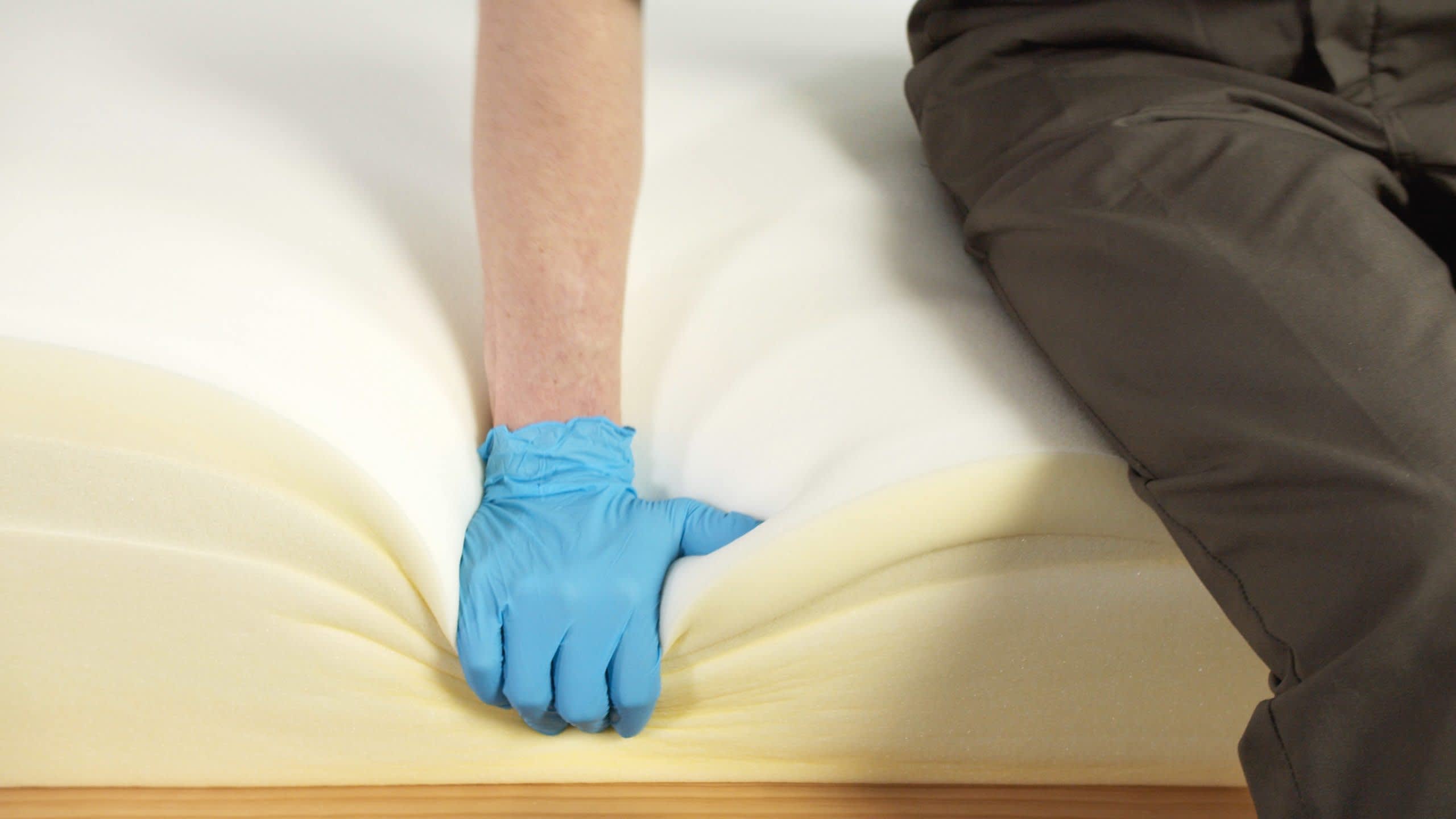
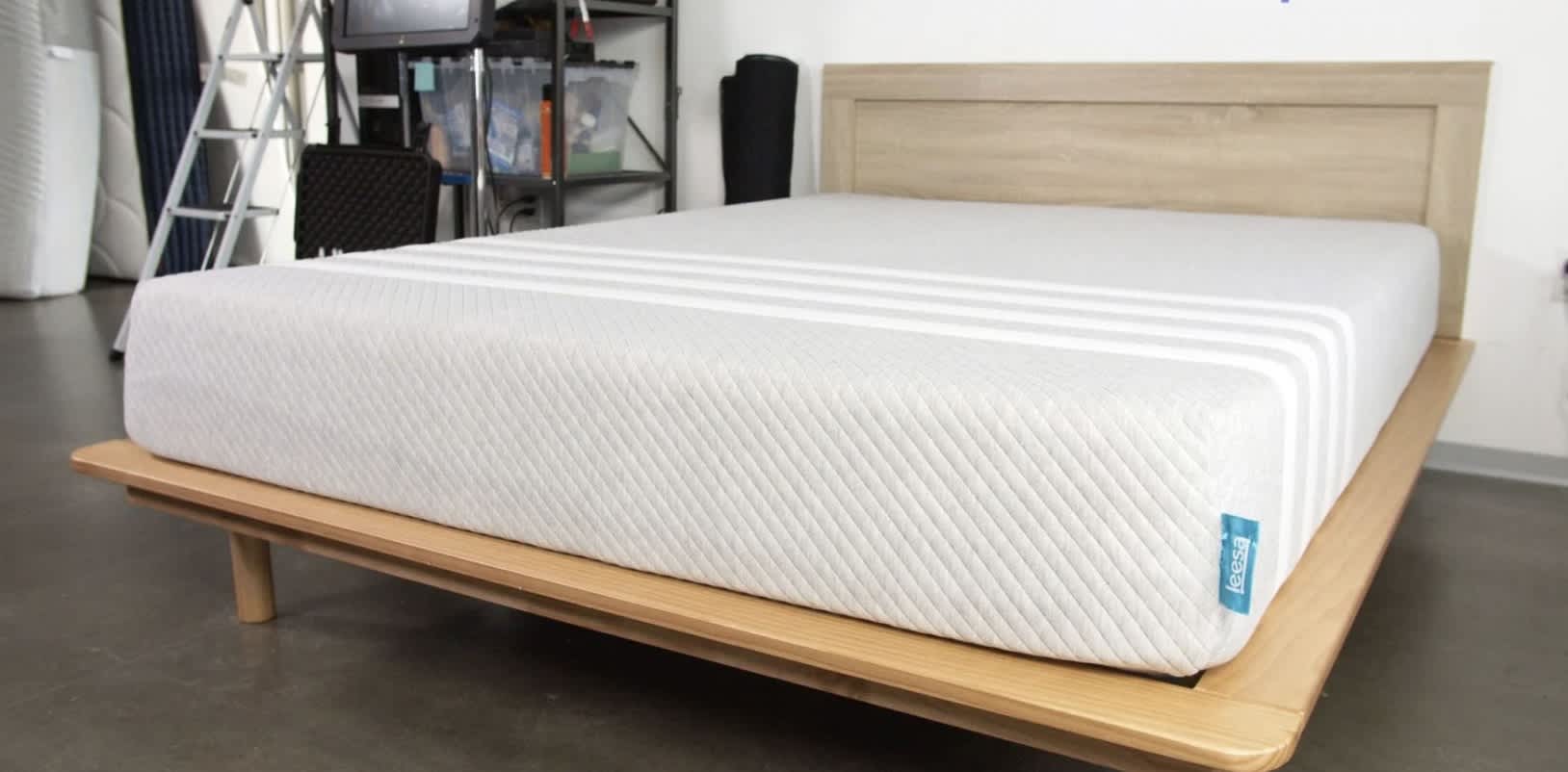
The Leesa Original has a medium (5) feel and a thick comfort system that may appeal to people who prioritize cushioning when it comes to comfortable mattresses. Our tests showed that the combination of adaptive and responsive foams evenly balanced pressure relief and support to help prevent aches and pains.
How It Performs
Our testers found the Leesa’s mid-range feel and all-foam construction made it an excellent choice for side sleepers who weigh up to 230 pounds. Back-sleeping testers who weigh under 130 pounds also found the mattress comfortable.
Thanks to its thick memory foam comfort layer, the Leesa Original scored high marks in pressure relief. This layer has an adaptive feel that helped reduce pain in pressure-prone areas among our testers. The comfort layers also absorbed most motion transfer and noise, so couples and co-sleepers should notice very few sleep disturbances when their partner changes positions at night.
Trial, Shipping, and Warranty
The Leesa Original comes at an affordable price, and the company ships free to customers in all 50 states. Purchases come with a 120-night sleep trial, where you can return the mattress after a 30-night break-in period. Leesa backs the mattress with a 10-year warranty.
Best Affordable Memory Foam Mattress
8.9/10Test Lab Score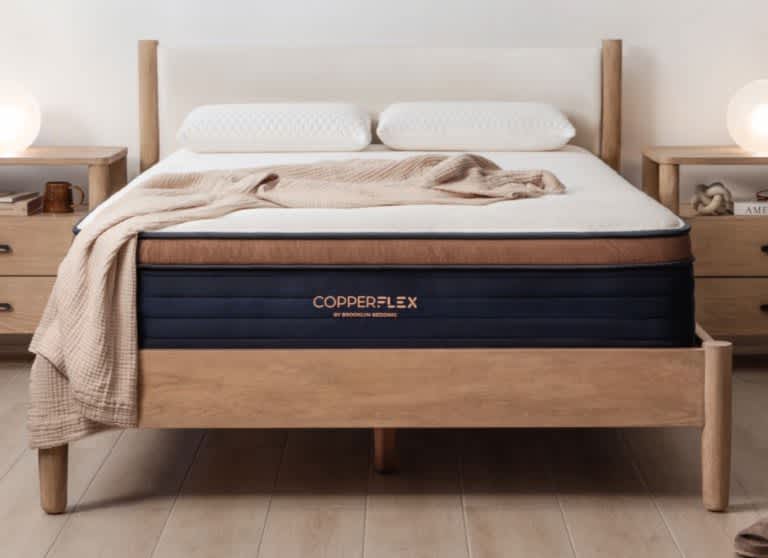
Brooklyn Bedding CopperFlex Pro Memory Foam
Deep cushioning and contouring to soothe your sensitive areas
Key Details
- Who It’s Best For: Side and back sleepers, people who run hot on foam beds, and budget shoppers
- Feel: Medium firm (6) design with a plush, adaptive surface that cradles the spine and extra reinforcement around the torso and hips
- What It’s Made Of: A sophisticated, six-layer design consisting of memory foam and adaptive polyfoam comfort layers over zoned transitional foam for targeted midsection support and high-density base polyfoam
- What We Don’t Like: May not provide enough support for back and stomach sleepers who weigh more than 230 pounds
Scoring & Reviews
The following ratings show how suitable this mattress is for different sleeping positions and sleeper weights. These scores are determined by how well the mattress supports and relieves pressure for each sleeper type.
In addition to the hands-on feedback from our team, we conduct a number of quantitative tests in our Test Lab. The below ratings are based on the experience of our testers.
Performance
Full Breakdown
Side sleepers often enjoy the deep contouring of memory foam – but for many, the material doesn’t provide enough support for their shoulders and hips. The Brooklyn Bedding CopperFlex Pro Memory Foam remedies this issue with a transitional layer of zoned polyfoam, which feels firmer and more supportive around the midsection. This helps keep your entire body on the same level while you sleep, reducing pressure buildup in the process.
How It Performs
Side sleepers on our team gave the CopperFlex Pro favorable ratings. Those who weigh 130 pounds or more were particularly impressed with the balanced, medium firm (6) feel. Back and stomach sleepers under 130 pounds also enjoyed the mattress during our tests, but those weighing more noticed a bit more sinkage despite the zoned transitional foam. People who use these positions and weigh 130 pounds or more may want to consider a hybrid model with sturdier coil support.
Motion isolation is one testing area where the CopperFlex Pro shined. All six foam layers work together to absorb movement and prevent disruptive motion transfer, allowing you to sleep through your partner’s movements and position changes — and vice versa. Pressure-mapping tools also revealed the mattress supports the spine and minimizes pressure buildup along the spine, even for testers who generally thought it felt too soft.
Trial, Shipping, and Warranty
The sticker price is reasonable, and Brooklyn Bedding offers free ground shipping to shoppers in the contiguous U.S. Each order includes a 120-night sleep trial. If you decide to keep the CopperFlex Pro Memory Foam after the return period ends, your purchase is also backed by a lifetime warranty against manufacturing defects.
Best Memory Foam Mattress Alternative
8.1/10Test Lab Score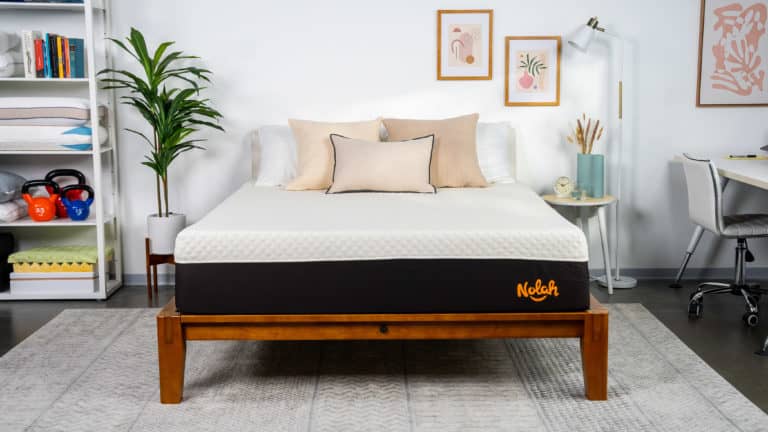
Nolah Signature 12
A close-conforming foam bed with a medium firmness.
Key Details
- Who It’s Best For: Side sleepers weighing up to 230 pounds, back and stomach sleepers under 130 pounds, and people who usually feel too warm on traditional memory foam
- Feel: Medium (5) construction with comfort layers that conform closely to create a deep, pressure-relieving cradle without hugging or sinking excessively
- What It’s Made Of: A comfort layer of proprietary open-cell polyfoam over a transitional layer of high-resiliency foam and a dense foam base
- What We Don’t Like: May not provide enough support for back and stomach sleepers, especially if they weigh more than 230 pounds
Scoring & Reviews
The following ratings show how suitable this mattress is for different sleeping positions and sleeper weights. These scores are determined by how well the mattress supports and relieves pressure for each sleeper type.
In addition to the hands-on feedback from our team, we conduct a number of quantitative tests in our Test Lab. The below ratings are based on the experience of our testers.
Performance
Full Breakdown
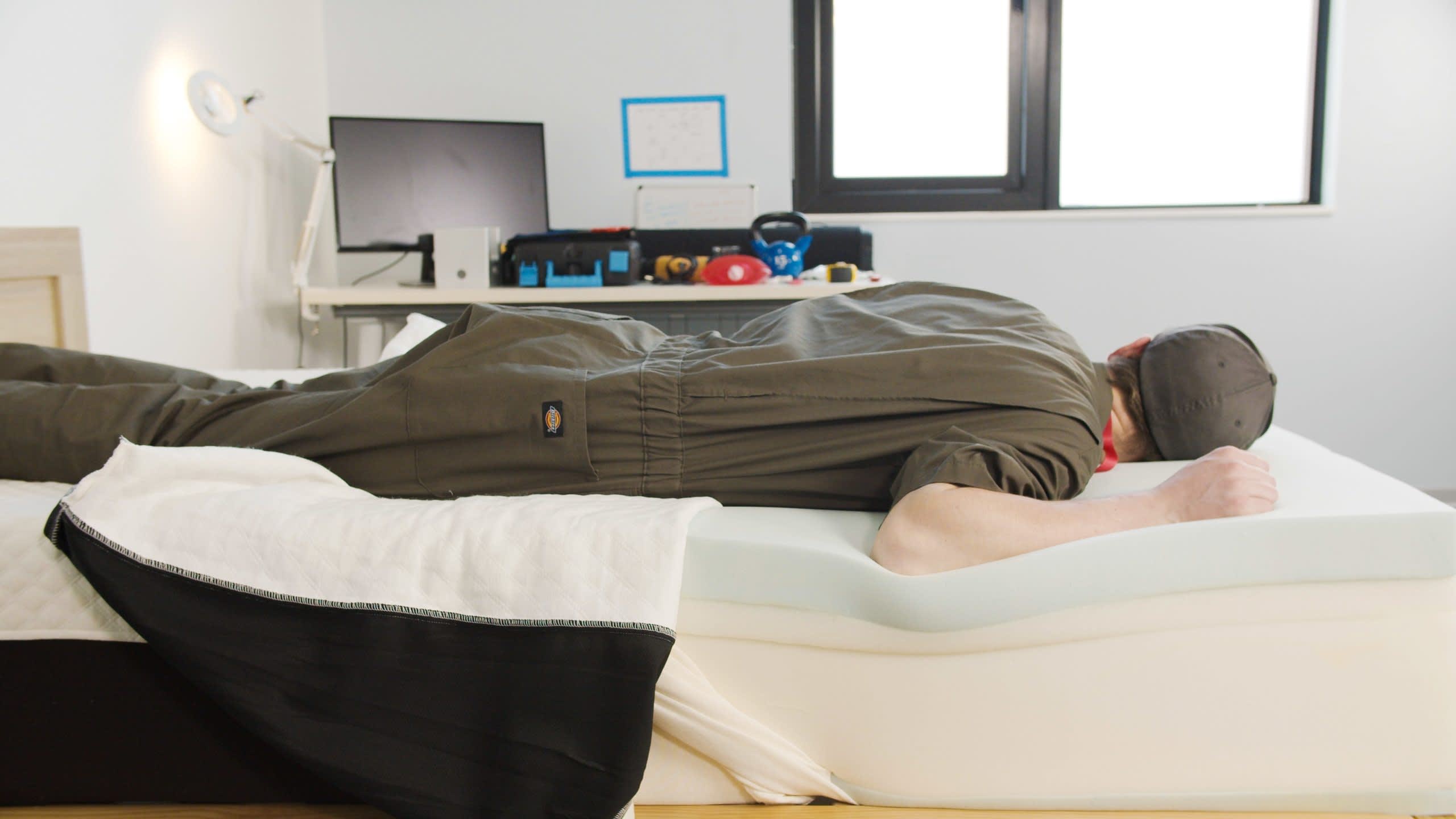
The Nolah Signature 12 is slightly different from the other entries we included on this list. The mattress contains layers of adaptive polyfoam rather than traditional memory foam. This ensures comparable levels of pressure relief without the deep sinkage or excessive heat retention many people dislike about memory foam. Thanks to the polyfoam design, we recommend the Signature 12 for side sleepers and those who tend to sleep hot.
How It Performs
Since the Signature 12 has a medium (5) feel and thick comfort system, we found it best suited to side sleepers – particularly those who weigh up to 230 pounds. Back and stomach sleepers under 130 pounds may also feel adequately supported. The foam layers contoured closely enough to cradle the spine and alleviate pressure caused by uneven alignment. These layers also absorbed motion well to help reduce sleep disruptions for people who share their bed with a partner.
We noticed minimal heat buildup on the surface. The AirFoam’s open-cell design, coupled with a breathable cover, should make the Signature 12 a good option for people who typically sleep hot on traditional memory foam mattresses.
Trial, Shipping, and Warranty
The mattress comes in six standard sizes, as well as a split king for adjustable beds. All customers in the contiguous U.S. qualify for free ground shipping with their Signature 12 order. Nolah offers a 120-night sleep trial, but you may opt out of the return period and save some money on your purchase. The mattress is also backed by a lifetime manufacturer’s warranty.
Best Gel Memory Foam Mattress
8.6/10Test Lab Score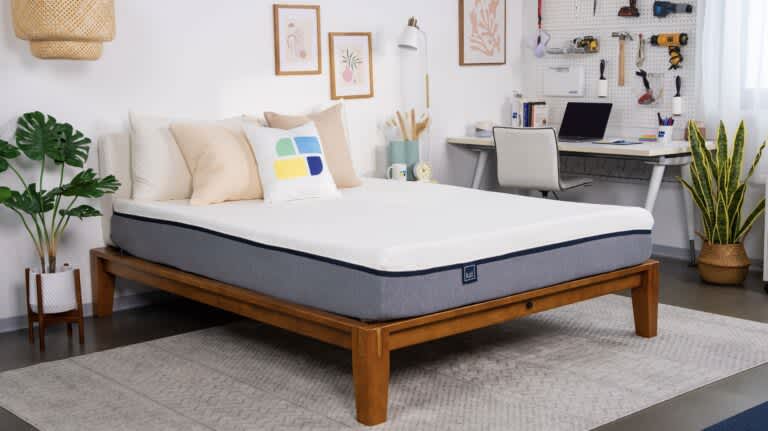
Lull Original Mattress
Medium firm all-foam mattress with a close-conforming feel.
Key Details
- Who It’s Best For: Sleepers between 130 and 230 pounds, couples, and shoppers looking for a bed with a lengthy sleep trial
- Feel: Medium firm (6) feel with a surface that conforms gently and support layers that push back against your weight to minimize sagging
- What It’s Made Of: A three-layer design consisting of gel-infused memory foam over denser polyfoam in the transitional and base layers
- What We Don’t Like: Probably too soft for back and stomach sleepers over 230 pounds
Scoring & Reviews
The following ratings show how suitable this mattress is for different sleeping positions and sleeper weights. These scores are determined by how well the mattress supports and relieves pressure for each sleeper type.
In addition to the hands-on feedback from our team, we conduct a number of quantitative tests in our Test Lab. The below ratings are based on the experience of our testers.
Performance
Full Breakdown
If you normally sleep with a partner, you should take their needs into account along with your own when choosing a new mattress. The Lull Original checks a lot of important boxes for co-sleepers — foam layers that absorb movement and isolate motion transfer, a surface that remains relatively cool, and decent perimeter support. An agreeable sticker price should also appeal to shoppers with limited budgets.
How It Performs
Our hands-on tests show the Lull Original should provide the right balance of cushioning and support for most side and back sleepers up to 230 pounds. Stomach sleepers under 130 pounds should also get the reinforcement they need. Those who weigh more may feel more comfortable on a firmer mattress.
Motion isolation and pressure relief were two of the Original’s biggest strengths we observed during testing. Both of these qualities can be attributed to the all-foam design. Cushy memory foam gives the Original a plush, adaptive surface and limits how much motion transfers when you or your partner move in bed. The foam also forms a nice cradle around your figure and alleviates sore spots in the process.
Trial, Shipping, and Warranty
The Lull Original is reasonably priced compared to the competition and ground shipping is free throughout the contiguous U.S. Your order comes with a generous sleep trial that runs for an entire year. If you decide to keep the mattress after the trial ends, your purchase is also covered under a lifetime warranty.
Best Memory Foam Mattress for Back Pain
7.8/10Test Lab Score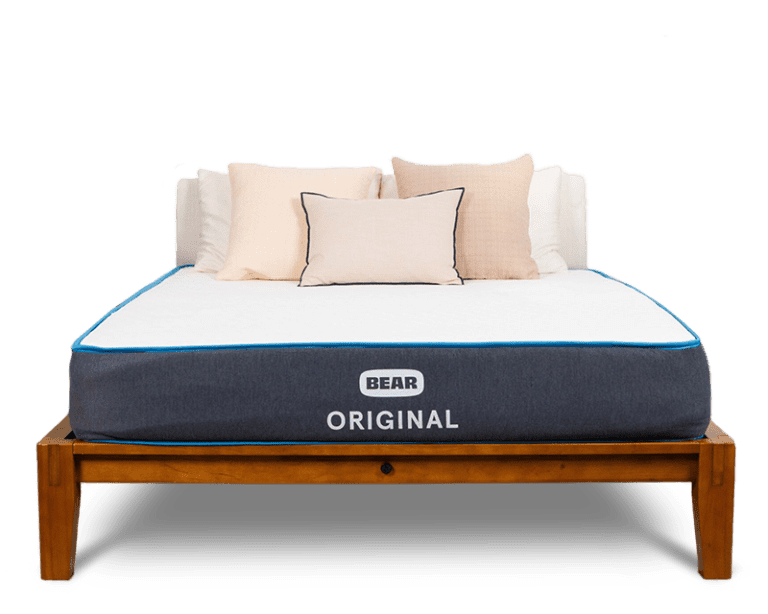
Bear Original
An affordable foam bed designed for those with an active lifestyle.
Key Details
- Who It’s Best For: People who weigh 130 pounds or more and want a memory foam mattress with strong support
- Feel: Firm (7) with very light cushioning on the surface and a sturdy, responsive support system
- What It’s Made Of: A top layer of gel-infused memory foam over transitional and base layers of denser polyfoam
- What We Don’t Like: Too firm for most side sleepers under 130 pounds
Scoring & Reviews
The following ratings show how suitable this mattress is for different sleeping positions and sleeper weights. These scores are determined by how well the mattress supports and relieves pressure for each sleeper type.
In addition to the hands-on feedback from our team, we conduct a number of quantitative tests in our Test Lab. The below ratings are based on the experience of our testers.
Performance
Full Breakdown
The Bear Original offers proprietary cooling technology and high-quality performance at an affordable price-point. We’ve tested many foam beds, and this model had a distinctly firm feel that is somewhat rare for an all-foam mattress. If you’re a back or stomach sleeper, or simply prefer a more supportive mattress, you may want to consider this pick.
How It Performs
We found the Bear’s firmer feel and foam design made it a strong choice for back-sleeping testers who weigh at least 130 pounds. Side sleepers over 230 pounds and stomach sleepers under 130 pounds also appreciated this combination.
Thanks to the thick memory foam comfort layer, this bed excelled in pressure relief. If you frequently experience pressure-induced pain in your joints, you’ll appreciate the close contouring. These foam layers were also excellent at isolating motion. When two testers shared the bed surface, they barely felt each other’s movements. This may appeal to co-sleepers who are frequently disturbed by a partner’s movement.
Trial, Shipping, and Warranty
Bear ships free to the contiguous U.S. Mattress purchases come with a 120-night sleep trial where you can return the mattress after the 30-night break-in period. The company backs the mattress with a lifetime warranty, covering structural defects.
Best Cooling Memory Foam Mattress
8.2/10Test Lab Score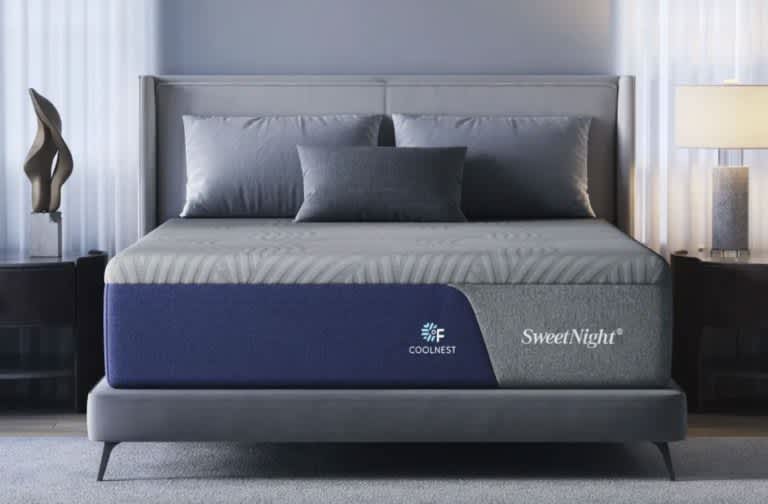
SweetNight CoolNest Memory Foam
A plush, pressure-relieving foam mattress available in three high profiles.
Key Details
- Who It’s Best For: Side sleepers across weight groups, couples, and people with persistent shoulder or hip pain
- Feel: Available in three firmness levels, all of which feel plush and adaptive on the surface for a full-body contour
- What It’s Made Of: A comfort system with adaptive polyfoam cushioning the surface, two memory foam layers, and dense transitional foam over a high-density polyfoam support core
- What We Don’t Like: Probably too soft for back and stomach sleepers over 230 pounds
Scoring & Reviews
The following ratings show how suitable this mattress is for different sleeping positions and sleeper weights. These scores are determined by how well the mattress supports and relieves pressure for each sleeper type.
In addition to the hands-on feedback from our team, we conduct a number of quantitative tests in our Test Lab. The below ratings are based on the experience of our testers.
Performance
Full Breakdown
Proper spinal alignment is crucial for a good night’s sleep and pain-free mornings. The plush SweetNight CoolNest Memory Foam is available in three firmness levels, and each design hugs the body to support the spine and promote even alignment through your hips, lower back, shoulders, and neck. This close contouring is especially beneficial for side sleepers who need extra padding around their shoulders and hips.
How It Performs
The SweetNight CoolNest Memory Foam was a big hit among the side sleepers on our team. Those weighing up to 230 pounds were particularly impressed with the close contour and soothing hug of this mattress, as were some of our back sleepers under 130 pounds. Those who need extra support from their sleep surface, including most back and stomach sleepers who weigh 130 pounds or more, may want to consider a firmer mattress that doesn’t conform as deeply.
Motion isolation for couples is one of the CoolNest Memory Foam’s biggest strengths. Our testers felt virtually no movement when lying side by side on the mattress, even during position changes. At the same time, some testers reported difficulty moving on the mattress, and our temperature sensors detected a bit of heat retention.
Trial, Shipping, and Warranty
The CoolNest Memory Foam is affordably priced, and SweetNight offers free standard shipping throughout the contiguous U.S. Each order includes a 100-night trial and 10-year manufacturer’s warranty.
Best Luxury Memory Foam Mattress
8.5/10Test Lab Score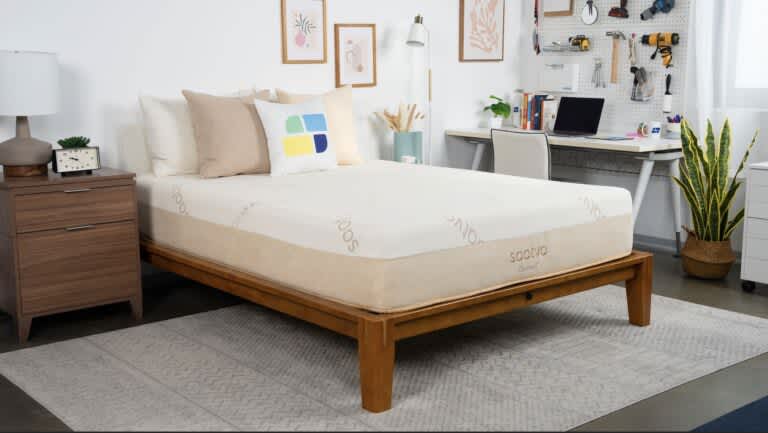
Saatva Contour5
Premium all-foam mattress that comes in medium and firm options.
Key Details
- Who It’s Best For: Side and back sleepers looking for a firmer memory foam mattress, co-sleepers, and people who need assistance setting up a new mattress
- Feel: Available in medium firm (6) and firm (8) designs, both with surfaces that mold gently to the body with limited response to movement
- What It’s Made Of: Comfort layers of ventilated polyfoam and memory foam over dense transitional and support layers
- What We Don’t Like: On the expensive side
Scoring & Reviews
The following ratings show how suitable this mattress is for different sleeping positions and sleeper weights. These scores are determined by how well the mattress supports and relieves pressure for each sleeper type.
In addition to the hands-on feedback from our team, we conduct a number of quantitative tests in our Test Lab. The below ratings are based on the experience of our testers.
Performance
Full Breakdown
The Saatva Contour5 boasts all the hallmarks of a high-end all-foam mattress. Dense comfort layers ensure close, even conforming for your entire body, and two firmness options are available depending on how much cushioning you need to sleep comfortably.
How It Performs
Back and stomach sleepers on our testing team were impressed with how supportive the Contour5 felt, especially the firm model. Many people who use these positions don’t get enough support from softer memory foam mattresses, but excessive sinkage wasn’t an issue with the Contour5.
Other strengths our testers observed include strong motion isolation, consistent pain and pressure relief, and above-average temperature control. The firm model also provides sturdy edge support.
Trial, Shipping, and Warranty
The Contour5’s above-average price-point reflects its luxurious construction, but Saatva offers a few perks to incentivize shoppers. White Glove delivery – which includes full in-home setup and old mattress removal – is free for all customers in the contiguous U.S., and each purchase is backed by a 365-night sleep trial. The mattress also comes with a 15-year warranty.
Best Firm Memory Foam Mattress
8.4/10Test Lab Score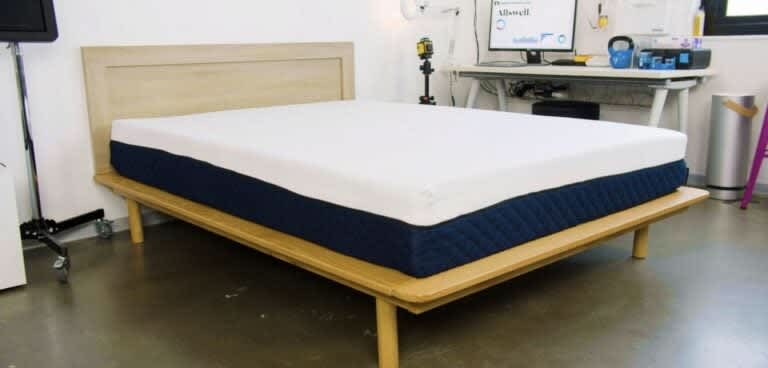
Silk & Snow Mattress – Firm
A foam mattress that conforms close to your body for pressure relief.
Key Details
- Who It’s Best For: Side sleepers weighing at least 130 pounds, back sleepers up to 230 pounds, and budget shoppers
- Feel: Firm (7) feel with light contouring on the surface and sturdy underlying support
- What It’s Made Of: Gel-infused polyfoam and memory foam comfort layers over a dense foam base with a removable, machine-washable cover
- What We Don’t Like: May not provide enough reinforcement for back and stomach sleepers over 230 pounds
Scoring & Reviews
The following ratings show how suitable this mattress is for different sleeping positions and sleeper weights. These scores are determined by how well the mattress supports and relieves pressure for each sleeper type.
In addition to the hands-on feedback from our team, we conduct a number of quantitative tests in our Test Lab. The below ratings are based on the experience of our testers.
Performance
Full Breakdown
If your current bed feels too soft and you sink excessively during the night, then a firmer mattress might be just what you need. The Silk & Snow Mattress is an all-foam model available in three firmness levels, including a firm (7) design that feels exceptionally supportive compared to most of the competition. Our hands-on tests show this mattress is particularly well suited to side sleepers over 230 pounds, and back and stomach sleepers between 130 and 230 pounds.
How It Performs
Since this mattress is fairly firm, it earned high marks from members of our testing team who often complain about memory foam models feeling too soft. These include side sleepers over 230 pounds, and back and stomach sleepers from 130 to 230 pounds. Lighter side sleepers may want to consider one of the Silk & Snow’s softer designs.
One area where the firm Silk & Snow performed well was edge support. Unlike a lot of competing memory foam mattresses that sag and dip along the perimeter, this model feels fairly solid and responsive to movement. At the same time, the mattress isolates motion well for couples and relieves pressure with an even contour that cradles and supports the spine.
Trial, Shipping & Warranty
The mattress has a below-average sticker price compared to other all-foam models on the market today. Silk & Snow also offers free ground shipping to customers in the contiguous U.S. and provincial Canada. Your order comes with a 365-night sleep trial. The mattress is further backed by a 15-year warranty if you choose to keep it.
Best Memory Foam Mattress for Side Sleepers
8.4/10Test Lab Score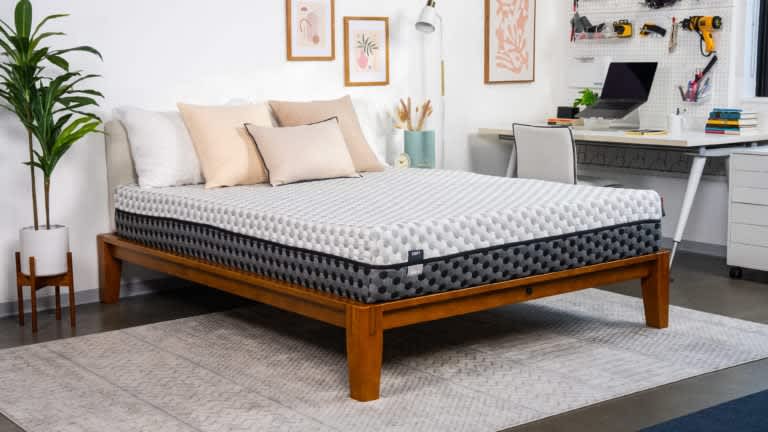
Layla Memory Foam Mattress
The gold standard of dual-sided mattresses with a pleasant memory foam feel.
Key Details
- Who It’s Best For: Side and back sleepers, people who usually run hot on memory foam, and couples
- Feel: Flippable design with an adaptive, medium soft (4) feel on one side and a supportive firm (7) feel on the other
- What It’s Made Of: Comfort systems on both sides of the bed with plush, copper-infused memory foam; denser transitional foam; and a shared support core of high-density foam
- What We Don’t Like: Relatively light but lifting and flipping can be a pain without a second person to help
Scoring & Reviews
The following ratings show how suitable this mattress is for different sleeping positions and sleeper weights. These scores are determined by how well the mattress supports and relieves pressure for each sleeper type.
In addition to the hands-on feedback from our team, we conduct a number of quantitative tests in our Test Lab. The below ratings are based on the experience of our testers.
Performance
Full Breakdown
The Layla Memory Foam Mattress has an innovative flippable design, quality construction, and competitive price-point compared to other foam beds we’ve tested. The two-sided construction offers a medium (4 out of 10) firmness on one side and a firm (7) feel on the other. We recommend the bed, especially the softer side, for side sleepers and other people who need ample pressure relief for sensitive joints.
How It Performs
Our in-house testing team found that the Layla’s two-sided design had something to offer sleepers of different body types and sleeping positions. The soft side appealed to testers who sleep on their side and some back sleepers who weigh less than 230 pounds. The firm side appealed most to back and stomach sleepers over 230 pounds.
This mattress performed very well during our tests for pressure relief, motion isolation, and durability, making it a good long-lasting option for couples and those with pain issues.
Trial, Shipping & Warranty
Layla backs the Memory Foam Mattress with a 120-night sleep trial and a lifetime warranty. The bed ships free to the contiguous U.S.
Video: We Tested the Best Memory Foam Mattresses — Here Are Our Favorites
What Is a Memory Foam Mattress?
Memory foam was first created by NASA contractors to cushion and protect pilots during test flights . Back on Earth, it quickly became a favorite for mattresses thanks to its ability to conform to the body, relieve pressure, and absorb motion.
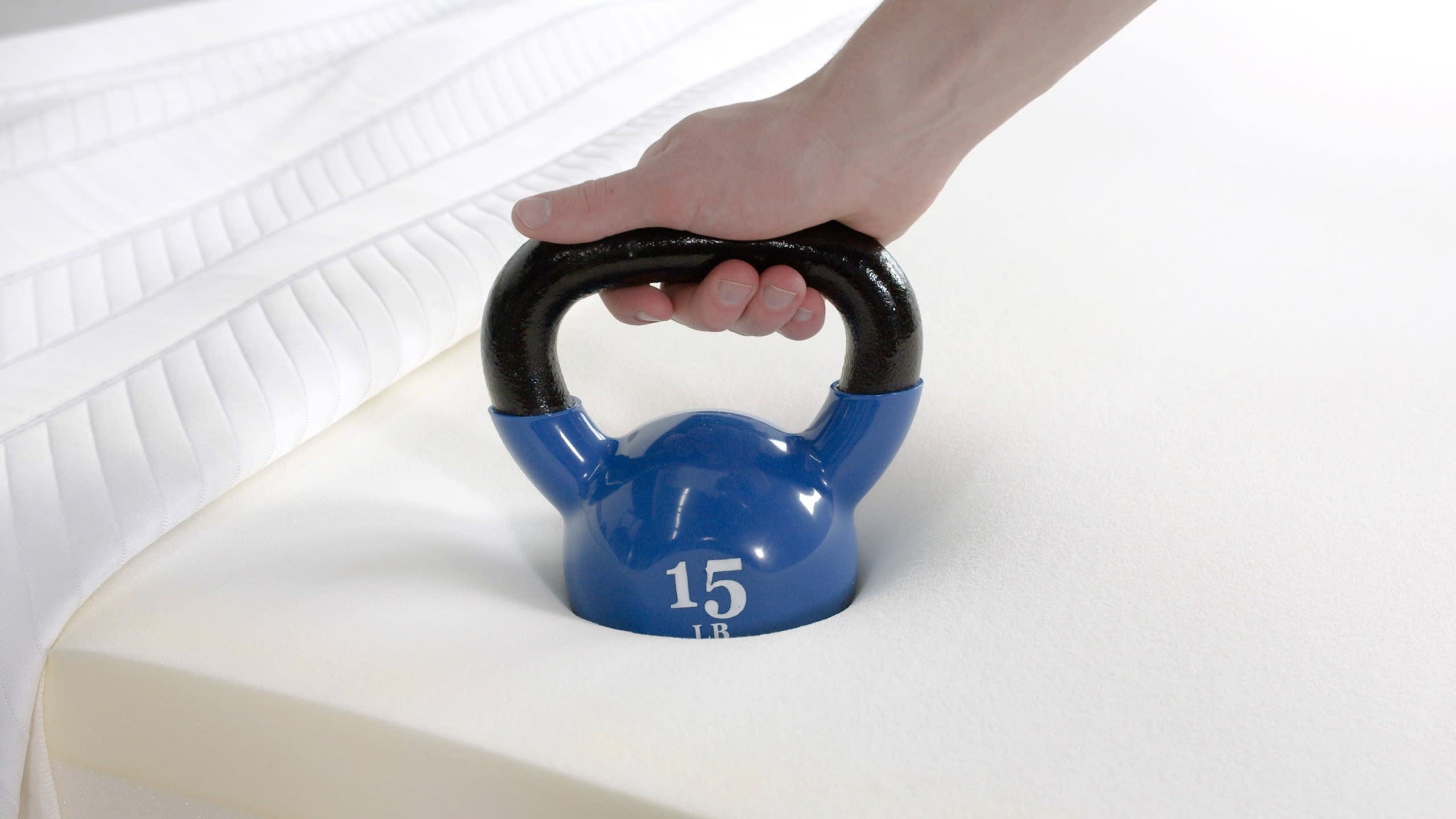
A memory foam mattress includes at least one top layer of a special type of polyurethane foam (that’s the memory foam) that softens and molds to your body as you lie on it, then slowly bounces back when you get up. In fact, it got its name because it temporarily shows a “memory” of your body’s imprint, even after you’ve gotten up .
Most are made entirely of foam layers, with some featuring a base made of a higher density foam called polyfoam. Because of differences in manufacturing, not every memory foam mattress feels the same. Foam density and thickness, additional materials, and mattress firmness dramatically change how much comfort and support you feel.
In general, here’s what I’ve learned to expect from a memory foam mattress:
- Significant “hug,” contouring to your shape and weight and cradling your body
- Minimal bounce
- Virtually no ripple effect from movement on one side of the mattress
- Quiet performance
- A greater tendency for heat buildup than other materials
Because of that last point, many modern mattresses include cooling features like gel infusions, copper, graphite, or breathable covers to help dissipate heat. But does cooling tech actually work? That depends on how it’s constructed. Our testing team evaluated how well gel memory foam works.
Who Should Buy a Memory Foam Mattress?
Close your eyes and imagine you’re lying on the most comfortable mattress in the world. If you’re picturing yourself sinking into a mattress that softly cradles your body, you’ll more than likely enjoy sleeping on a memory foam mattress.
Still not sure if you should try one? From my own experience — plus insights from our medical advisors and testing team — I’ve found that there are a few types of sleepers who tend to be the best fit for a memory foam mattress:
| Sleepers With Sensitive Joints | Side Sleepers | Couples |
|---|---|---|
| Memory foam helps evenly distribute your weight across the mattress surface, taking some pressure off sensitive joints and areas prone to pain like the lower back. With the right firmness level, a memory foam mattress may improve comfort for people with medical conditions like arthritis, fibromyalgia, and sciatica. | If you’re a side sleeper like me, memory foam provides cushion for your bottom shoulder and hip. It also helps you maintain a neutral spine, reducing the risk of morning aches and pains. | Memory foam absorbs movement soundlessly, so I don’t feel (or hear!) my partner moving around on their side of the mattress. |
Who Are Memory Foam Beds Less Than Ideal For?
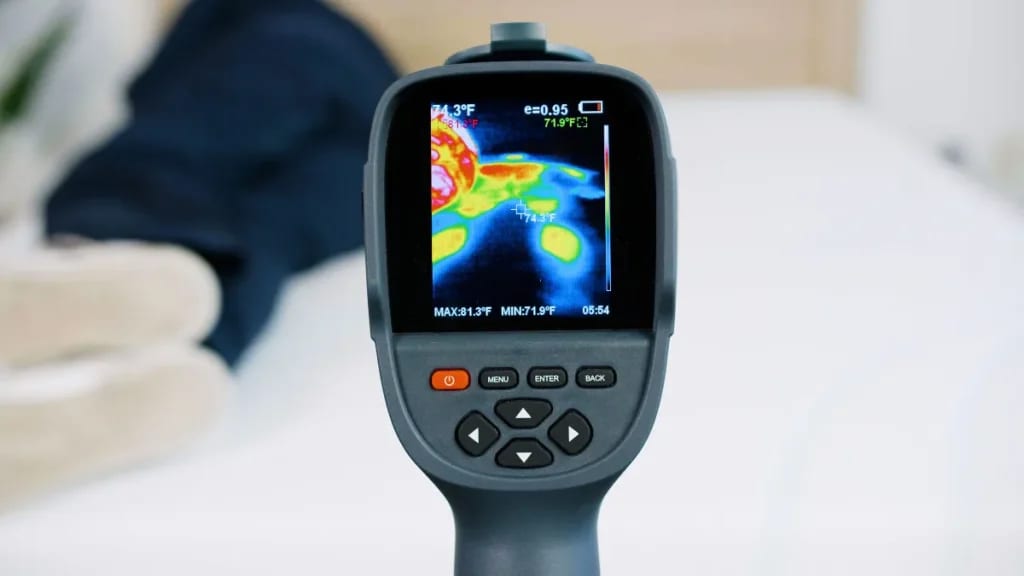
While memory foam beds are great for many sleepers, they’re not for everyone. If you want a firmer mattress that doesn’t conform to your body, memory foam is decidedly not your jam. Hot sleepers, stomach sleepers, and people who want a bouncy mattress should also probably think twice before buying a memory foam mattress.
| Hot Sleepers | Stomach Sleepers | Sleepers Who Like Bouncy Beds | People Who Prioritize Edge Support |
|---|---|---|---|
| The downside of close-conforming memory foam is that it traps body heat. As a result, hot sleepers often feel too warm on a traditional memory foam mattress. Try a cooling mattress instead. | In our testing, we frequently find that stomach sleepers say memory foam is too soft and doesn’t have enough support for their midsection. Try a mattress specifically designed for stomach sleepers instead. | The material has almost no bounce to it, which can make it more of a chore to move around in bed. Try a latex mattress instead. | While I love memory foam, one of my biggest frustrations with it is that it can feel weak around the perimeter. Try a firm mattress instead. |
What to Consider When Shopping for a Memory Foam Mattress
Memory foam mattresses come in a range of styles. Some really lean into the traditional feel of memory foam, while others change things up by pairing memory foam with latex or other types of foam.
That means you can find memory foam beds with different firmness levels and different degrees of hug, heat retention, and motion isolation. While that broadens your options, it’s also important to know what you’re looking for. Here are some of the things I’ve found to be most useful to consider when shopping for a quality memory foam mattress.
Sleep Position and Body Weight
When I shop for clothing, I can’t find the right fit unless I think about my body’s shape and size. The same applies to mattress shopping.
Optimal comfort and spinal support aren’t universal — they depend on your weight and how you position your body on a mattress. That’s a huge reason why mattresses, like most clothes, aren’t “one size fits all.”
If you sleep on your side, your bottom hip and shoulder push down into a mattress way more than they do in other sleep positions. Memory foam contours around these joints, making memory foam mattresses popular among side sleepers. However, if you’re a back or stomach sleeper, you typically need more firmness to keep your spine in an even plane and help prevent back pain.
Your weight influences how a mattress feels, too. A mattress that’s perfect for a heavier person may feel too firm to someone of a lighter weight. Similarly, a mattress that feels comfortable and supportive to a lighter person may feel too soft for a heavier individual.
And though comfort is ultimately subjective, our testing team put together some general recommendations for mattress firmness based on your sleeping position and body type. We rate firmness on a scale of 1 to 10, with 10 being the firmest.
| Weight | Side Sleepers | Back Sleepers | Stomach Sleepers |
|---|---|---|---|
| Less than 130 lbs. | Soft (3) to Medium Soft (4) | Medium Soft (4) to Medium (5) | Medium (5) to Medium Firm (6) |
| 130 to 230 lbs. | Medium (5) to Medium Firm (6) | Medium Firm (6) to Firm (7 or 8) | Medium Firm (6) to Firm (7 or 8) |
| More than 230 lbs. | Medium Firm (6) to Firm (7 or 8) | Firm (7 or 8) to Extra Firm (9) | Firm (7 or 8) to Extra Firm (9) |
Contouring and Pressure Relief
All memory foam mattresses will contour to your body to some degree. But I’ve found that there’s a lot of variation in just how much of a hug you’ll get.
Ultimately, the right amount of hug depends on your sleep style and preferences. If you have sharp pressure points — say, if you’re a side sleeper with broad shoulders — you may want deeper contouring so that your shoulders get plenty of cushioning.
But if you’re a back or stomach sleeper, that level of hug may be overkill. In fact, it may even cause your midsection to sink down into the mattress, setting you up for an achy lower back in the morning.
Motion Isolation
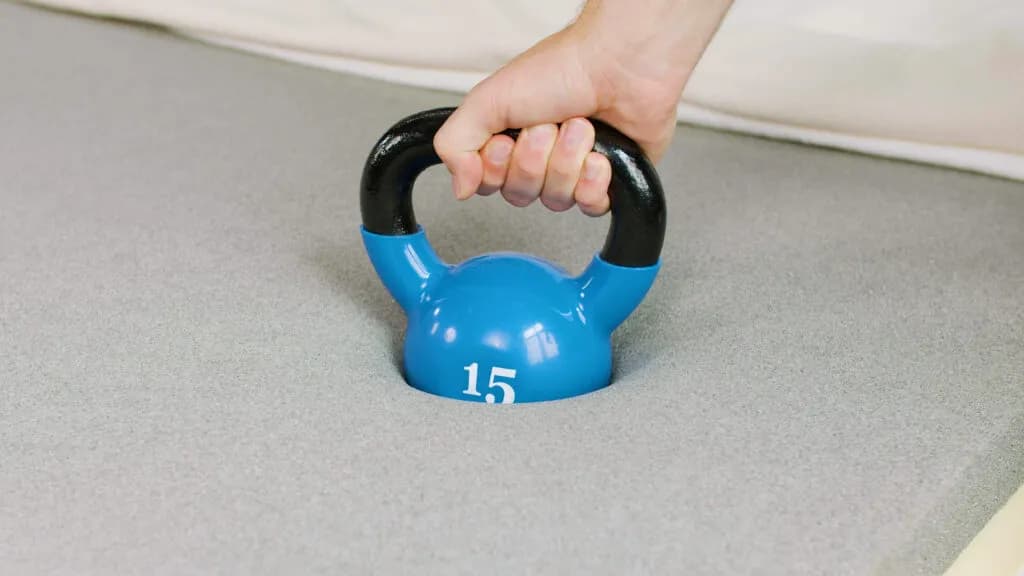
Sharing a mattress isn’t always conducive to high-quality sleep, especially if your bed partner is constantly tossing and turning. Thankfully, a quality memory foam mattress can dramatically reduce disruptions from movement on the other side of the bed. It also stays quiet — no squeaky springs here!
However, through testing, I’ve observed that some memory foam mattresses are far better at limiting noise and motion transfer. I recommend that couples who share a bed look closely at test results (we break down each mattress’s scores on their individual review pages) and customer ratings to gauge just how well a specific model performs in these areas.
Temperature Regulation
Hot sleepers should proceed with caution when buying a memory foam mattress. That doesn’t mean they should avoid these mattresses altogether, but being aware of temperature regulation can help zero in on the ideal mattress.
Traditional memory foam was known for major heat buildup. Thankfully, most mattresses today have design features meant to resist overheating. For example, you may see options with cooling gels, copper, or other materials that have been infused into the foam layers. Breathable covers with specialty fabrics are also getting more popular as a way to try to limit heat retention.
Durability
The average mattress lasts around seven years, but this number can vary greatly depending on how durable the mattress is. The type, density, and quality of the foam will all play a role in how durable an all-foam bed is. Polyfoam tends to be more durable than memory foam, higher density foams are more durable than lower density, and higher-end foam beds tend be of a better quality.
Budget
As with any purchase, price is an important factor. I used to think that a more expensive mattress was always better, but I’ve tested enough mattresses to know that price doesn’t necessarily always reflect quality.
A great mattress is a worthy investment, so I don’t recommend shopping based on price alone. Instead, give yourself a general price range (lowest, ideal, and absolute max) and use that to narrow down your options. From there, you can pick the mattress that best suits your sleeping position, body weight, and comfort preferences. You can also check out our guide to the best affordable memory foam mattresses.
Sleep Trials
I’ve experienced firsthand how much you can learn about a mattress by sleeping on it for a few weeks. That’s why I always recommend buying a mattress with an extended sleep trial.
In the mattress industry, a “sleep trial” is a term for a flexible return policy. Most online companies give you a few months to test out a mattress at home with the option to return it for a full refund. The standard sleep trial is around 100 nights, but some last for a full year. Other companies make you “break in” the mattress for at least a month before you can return it, and others charge return fees.
More Mattress Guides
Our team tests mattresses to determine the best options for different types of sleepers. To see how we’ve ranked mattresses in other performance categories, check out the product guides below.
Shopping Guides by Mattress Type
- Best Mattress for Sciatica
- Best Mattress for Scoliosis
- Best Mattress for Athletes
- Best Affordable Memory Foam Mattress
- Best Tempur-Pedic Mattress for Side Sleepers
- Best Tempur-Pedic Mattress for Back Sleepers
- Best Tempur-Pedic Mattress for Stomach Sleepers
- Best Mattress for Seniors
- Best Mattress on Amazon
- Best Mattress for Couples
- Best Gel Mattress

Still have questions? Ask our community!
Join our Sleep Care Community — a trusted hub of product specialists, sleep health professionals, and people just like you. Whether you’re searching for the perfect mattress or need expert sleep advice, we’ve got you covered. Get personalized guidance from the experts who know sleep best.
Jeremy is a sleep product tester with a passion for methodology and data collection. He’s spent the last six years at Sleep Foundation testing nearly every mattress, pillow, and sheet on the market, and has gained a holistic understanding of how to get the most accurate and universal results possible. When he’s not working, Jeremy likes to make music, play tennis, and watch old movies.
References1 Sources
Forty-Year-Old Foam Springs Back With New Benefits | NASA Spinoff. spinoff.nasa.gov/Spinoff2005/ch_6.html.
https://spinoff.nasa.gov/Spinoff2005/ch_6.html