
When you buy through our links, we may earn a commission. Products or services may be offered by an affiliated entity. Learn more.
Best Affordable Memory Foam Mattress of 2026

Sleep Foundation
Why Trust Us


Our mission to create a healthier, more well-rested world demands that our product reviews be best-in-class. You won’t find more expertise on mattresses and sleep products anywhere else.
The Sleep Foundation product testing team uses an industry-leading evaluation process paired with real world consumer feedback to come up with objective recommendations so that you can feel confident in your product decisions.
While luxury brands like Tempur-Pedic helped kick off the popularity of memory foam mattresses, you don’t have to shell out a small fortune to get the benefits of this pressure-relieving material. Quality memory foam mattresses are available at accessible prices, but it’s important to shop wisely to make sure that you really get your money’s worth. If you’re interested in learning more about other mattress options and seeing the best picks of the year, have a look at our guide to the best mattress of 2026.
Our #1 Pick: Nectar Classic
We love the Nectar Classic for its pressure-relieving memory foam layers, as well as the affordable sticker price. This mattress received high scores from our team for motion isolation, pressure relief, and temperature control.
Read on to see our full list of best affordable memory foam mattresses of 2026 based on performance ratings from our in-house testing team, in-depth product inspections, and verified reviews from real mattress owners.
Our Top Picks
Best Mattress Overall
:Nectar Classic
Shop Now
Most Comfortable Mattress
:Leesa Original
Shop Now
Best Mattress for Side Sleepers
:Layla Essential Mattress
Shop Now
Best Mattress for Kids
:Helix Kids
Shop Now
Best Temperature Regulating Mattress
:Cocoon Chill
Shop Now
Best Mattress for Back Pain
:Silk & Snow Mattress
Shop Now
Best Mattress for Combination Sleepers
:Dreamfoam CopperFlex Essential
Shop Now
Best Mattress for Guest Rooms
:Siena Memory Foam Mattress
Shop Now
Best Mattress Deals Happening Now
- Save $916 — Nectar Classic
$699(List Price $1,615) - Save $333 — Leesa Original
$999(List Price $1,332) - Save $150 — Layla Essential Mattress
$549(List Price $699) - Save $250 — Helix Kids
$749(List Price $999) - Save $322 — Cocoon Chill
$597(List Price $919)
How We Tested the Best Affordable Memory Foam Mattresses
Testing Criteria
To determine the best cheap memory foam mattresses, we primarily looked at criteria that affect the overall value. Here are the factors we assessed when picking our top choices:
- Price: An affordably priced mattress can be as comfortable to sleep on as it is on the wallet. We focused on some of the most affordable options that don’t skimp on quality.
- Lifespan and durability: How long a mattress lasts ultimately affects the value. If a mattress holds up well and resists premature sagging or indentations, you may be able to delay your next mattress purchase longer. It’ll be far more comfortable to sleep on for a lengthier period, too.
- High-quality construction: Quality memory foam and construction will often last longer and feel more comfortable. While some budget mattresses focus on lower-quality foam to cut costs, all of our picks use durable, high-quality materials.
- Customer reviews and ratings: With plenty of budget-friendly memory foam mattresses on the market, getting qualitative insight into how the mattresses perform for different sleepers can help identify models that actually perform well. We made sure to read through plenty of customer reviews to get a better idea of how they stack up before testing them out ourselves.
What We Evaluated
By sifting through our database of over 2,000 mattress models, we were able to pinpoint options that performed well based on the following criteria:
- A price point under $2,000
- Exceptional durability and projected lifespan compared to similarly priced memory foam mattresses
- Variety of firmness options
- Quality foam designs, ranging from traditional memory foam to breathable, open-cell foam and durable high-density foam
From there, we narrowed the field to several standout models and brought them into our Seattle Test Lab for hands-on testing, where we evaluated durability, material quality, and overall value in greater depth.
Our testers provided scores for key performance categories and assigned accolades to each option before selecting the best picks.
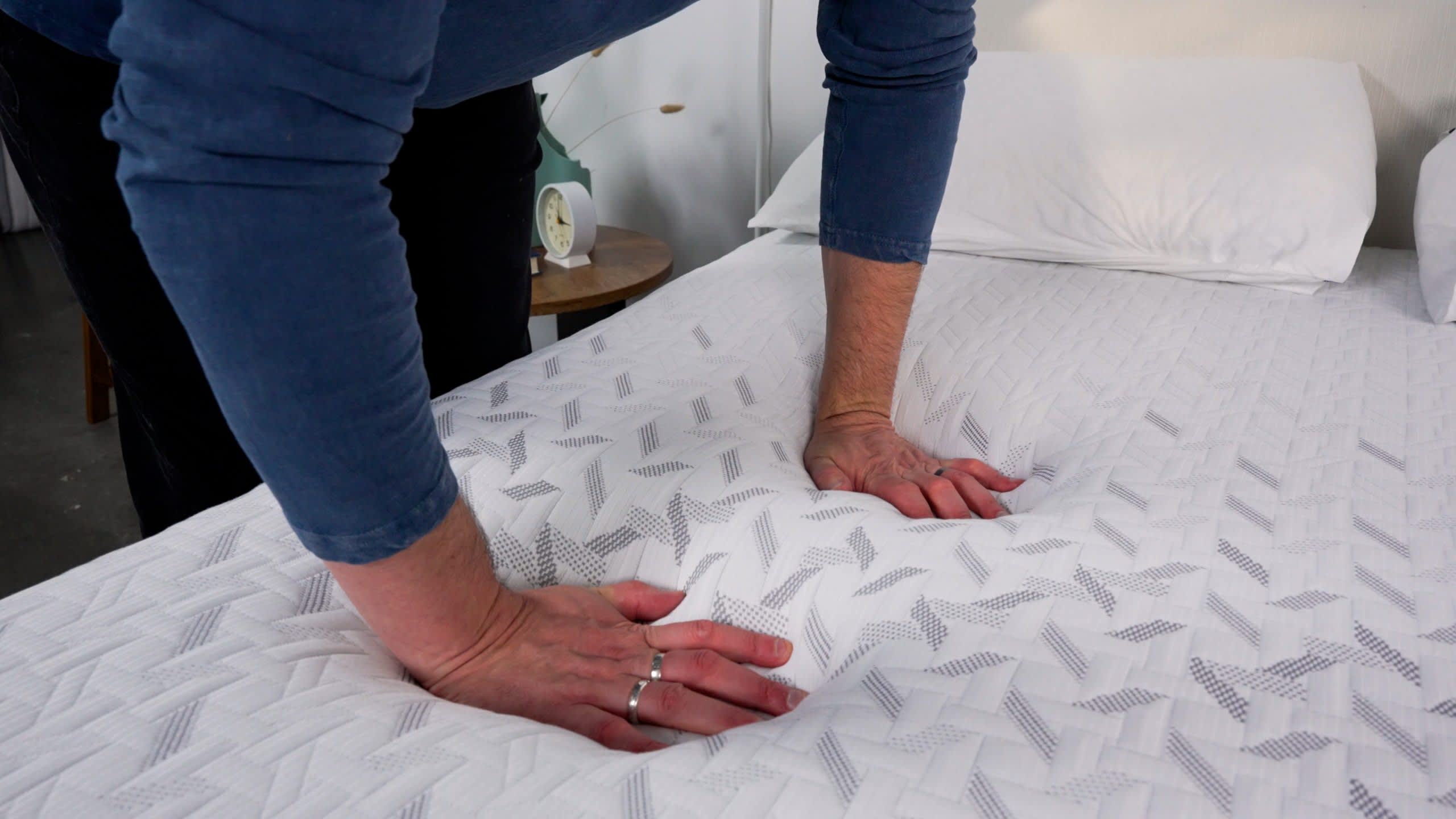
Our Testing Team

Logan Foley
Executive Product Director
Full Bio

Mary Fenton
Head of Product Content
Full Bio

Jeremy Klein
Product Testing Manager
Full Bio

Brad Nehring
Product Testing Manager
Full Bio

Colin Simpson
Product Research Manager
Full Bio
Best Mattress Overall: Nectar Classic
Best Mattress Overall
8.7/10Test Lab Score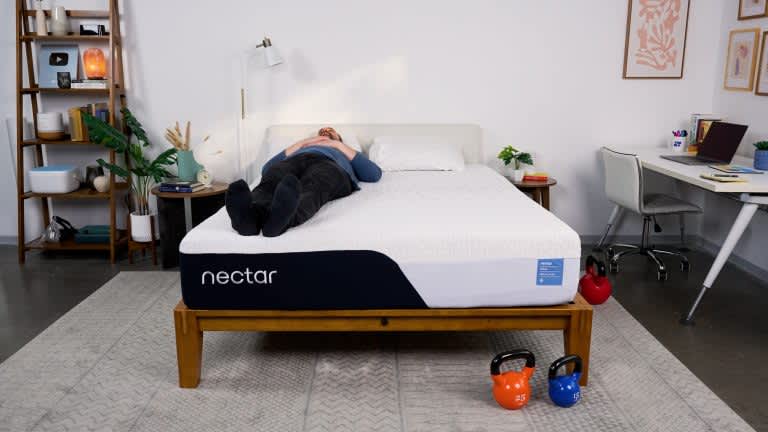
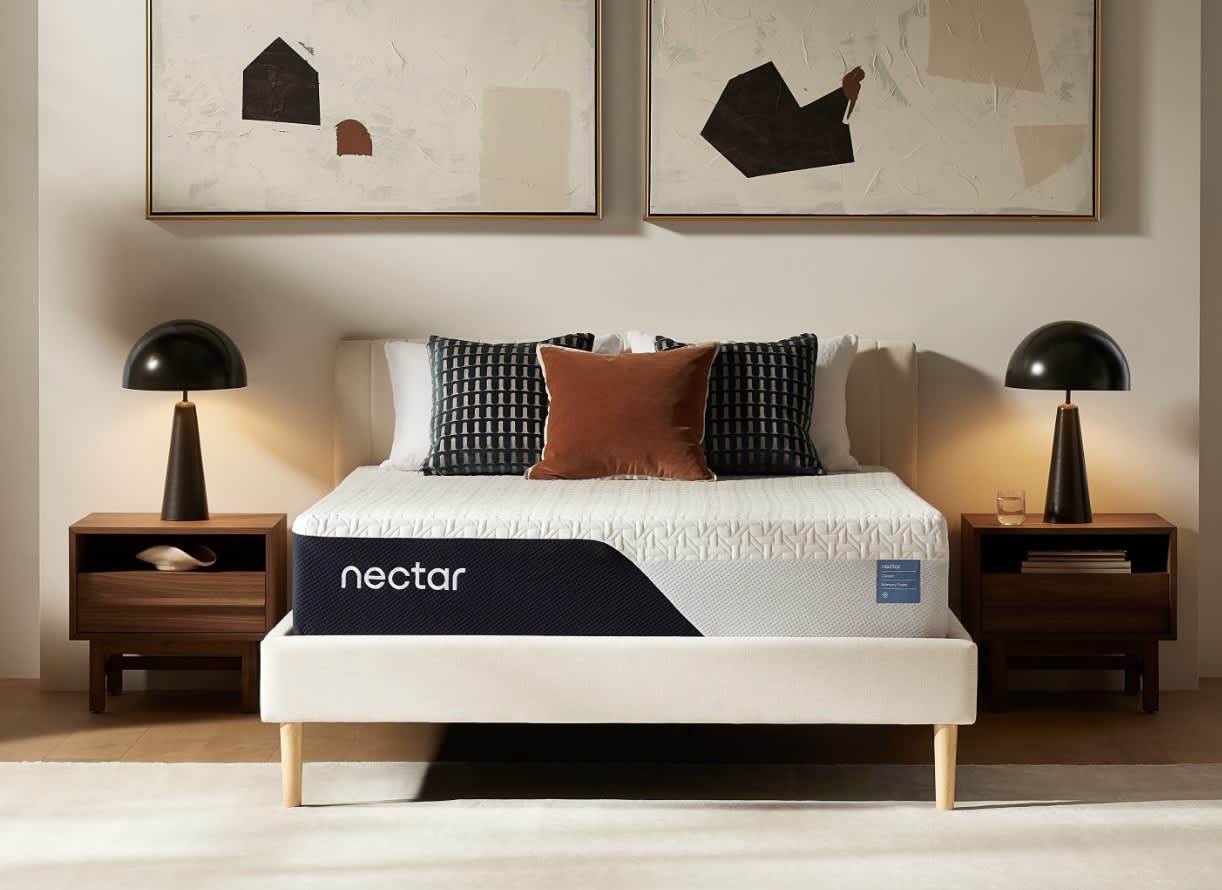
Nectar Classic
A pressure relieving memory foam bed at an amazing value.
Key Details
- Who It’s Best for: Side and back sleepers across most weight groups.
- Feel: Medium firm (6) construction with a cushy surface that hugs your body and sturdy underlying support.
- What It’s Made of: A gel-infused memory foam comfort layer over transitional and support layers of dense polyfoam.
- What We Don’t Like: Most stomach sleepers will sink too much.
Scoring & Reviews
The following ratings show how suitable this mattress is for different sleeping positions and sleeper weights. These scores are determined by how well the mattress supports and relieves pressure for each sleeper type.
In addition to the hands-on feedback from our team, we conduct a number of quantitative tests in our Test Lab. The below ratings are based on the experience of our testers.
Performance
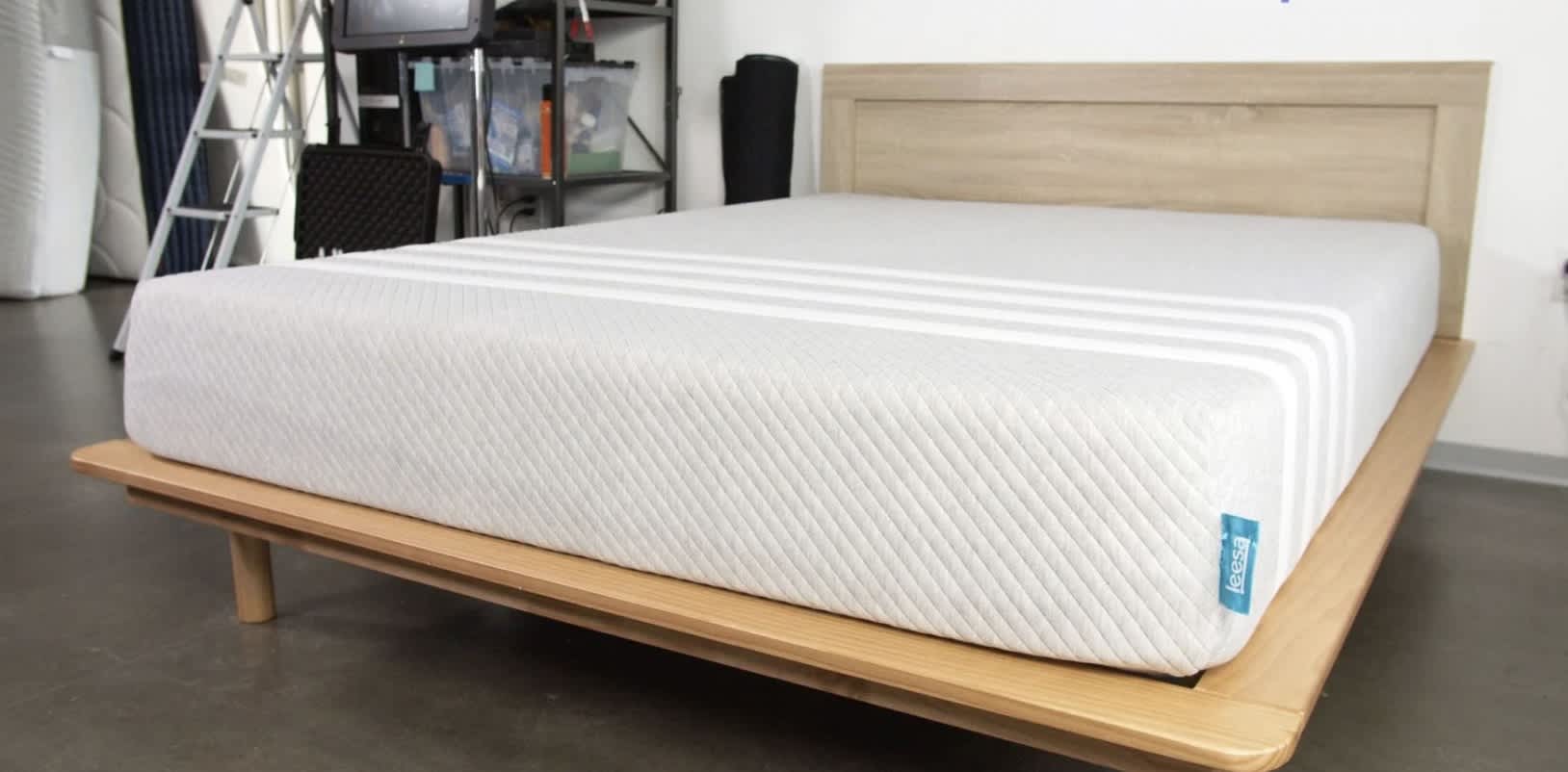
Most Comfortable Mattress: Leesa Original
Most Comfortable Mattress
8.2/10Test Lab Score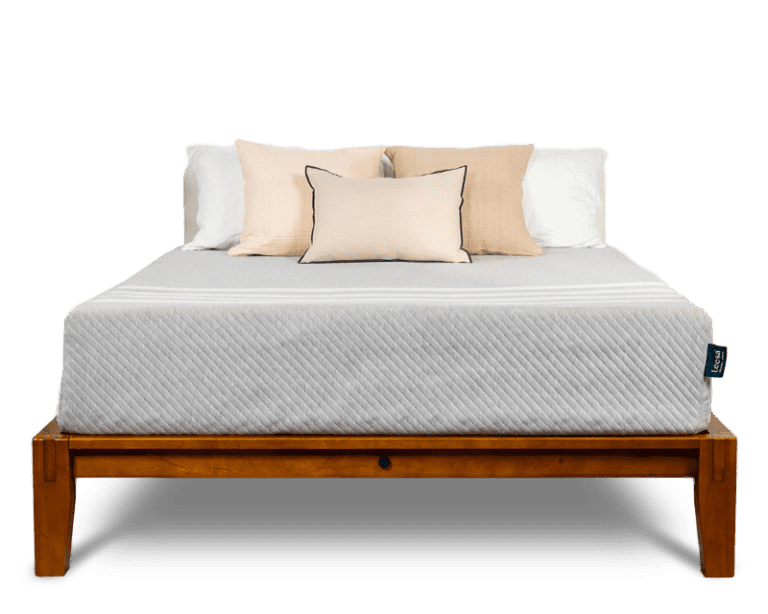
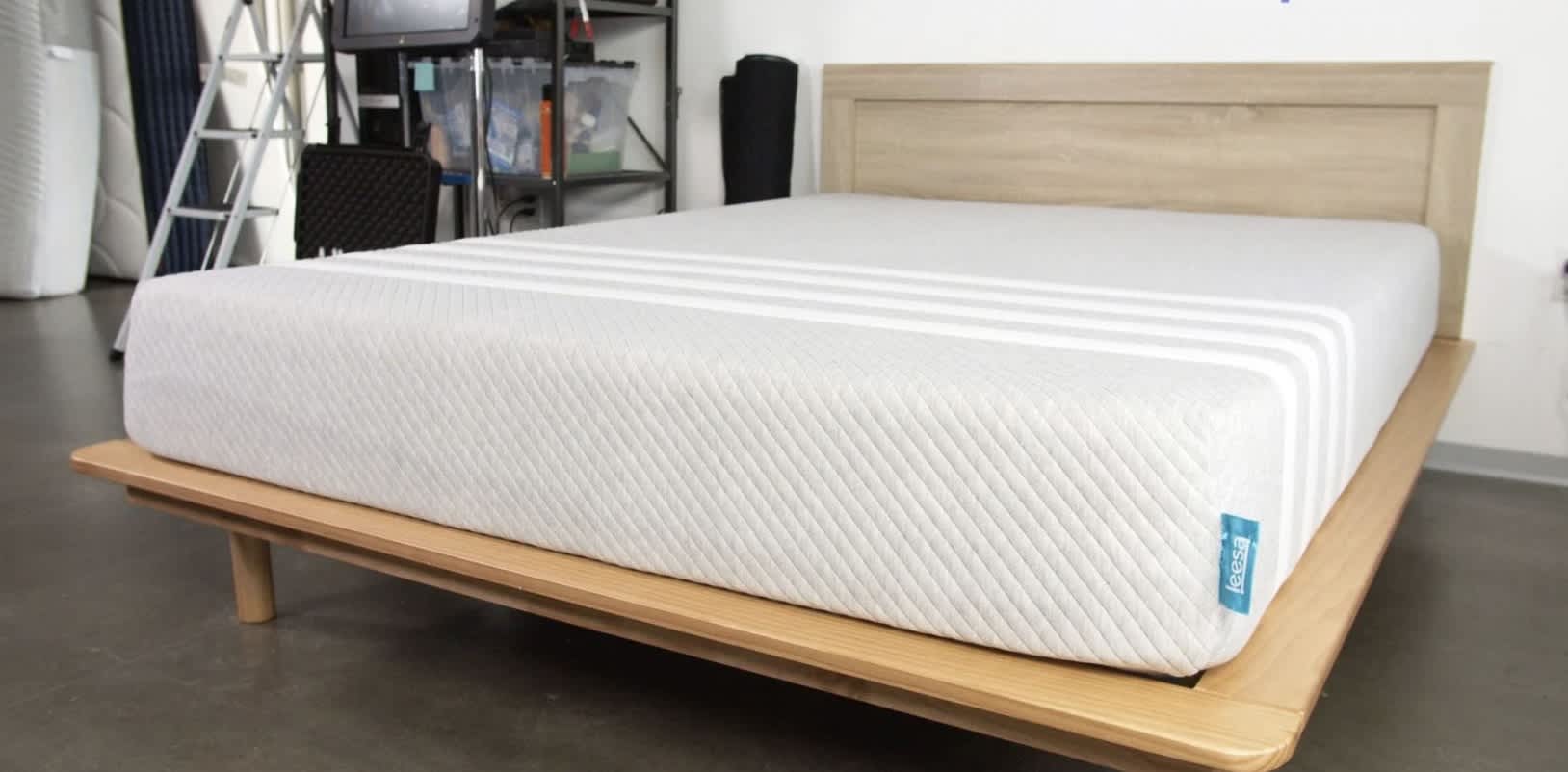
Leesa Original
High-quality all-foam bed that appeals to most sleepers.
Key Details
- Who It’s Best for: Side sleepers up to 230 pounds and back sleepers under 130 pounds.
- Feel: Plush medium (5) feel with deep cushioning and contouring.
- What It’s Made of: A responsive top layer of polyfoam, transitional memory foam, and a high-density foam base.
- What We Don’t Like: Back and stomach sleepers weighing 130 pounds or more will probably sink too much.
Scoring & Reviews
The following ratings show how suitable this mattress is for different sleeping positions and sleeper weights. These scores are determined by how well the mattress supports and relieves pressure for each sleeper type.
In addition to the hands-on feedback from our team, we conduct a number of quantitative tests in our Test Lab. The below ratings are based on the experience of our testers.
Performance

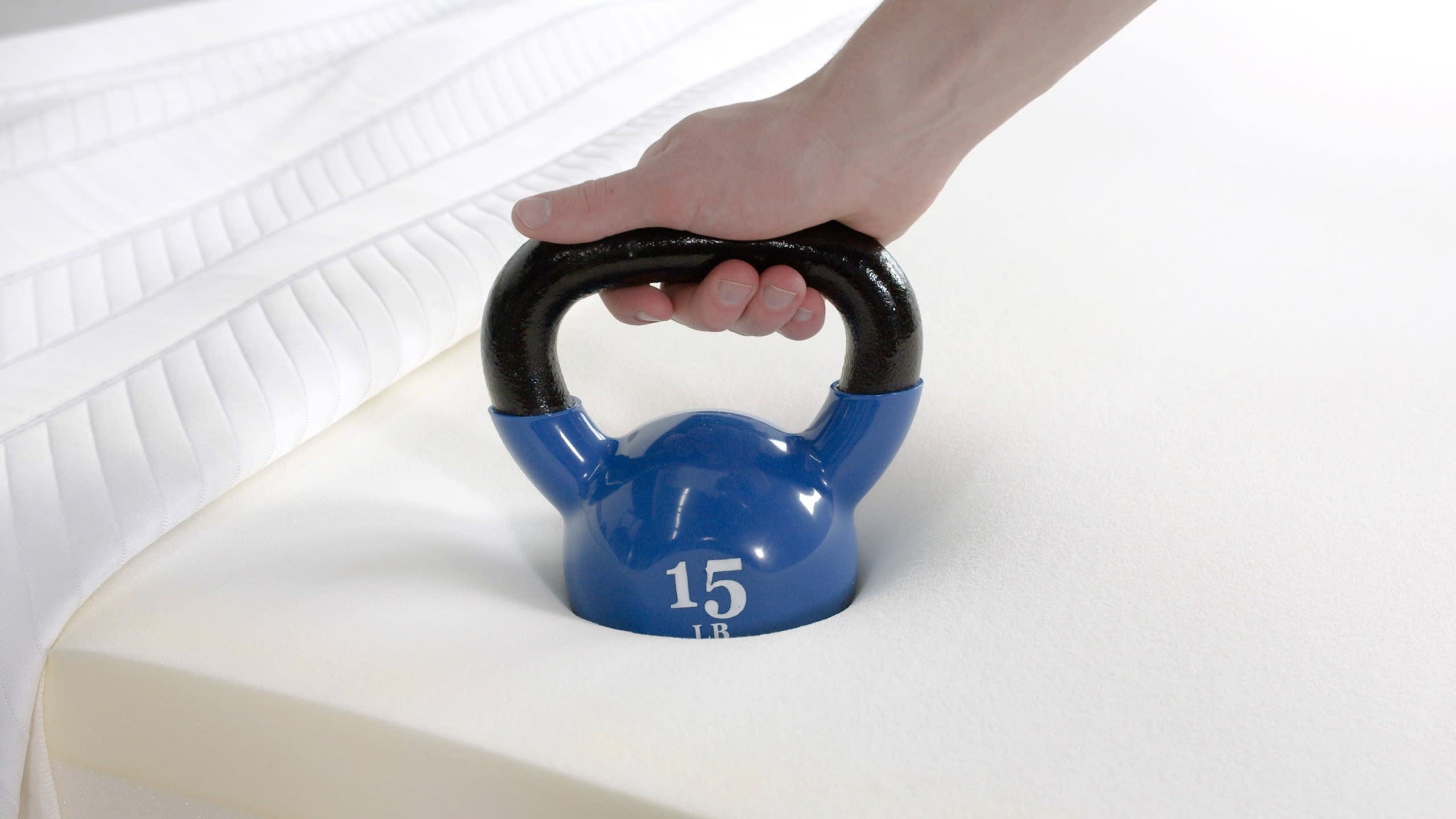
Best Mattress for Side Sleepers: Layla Essential Mattress
Best Mattress for Side Sleepers
7.7/10Test Lab Score
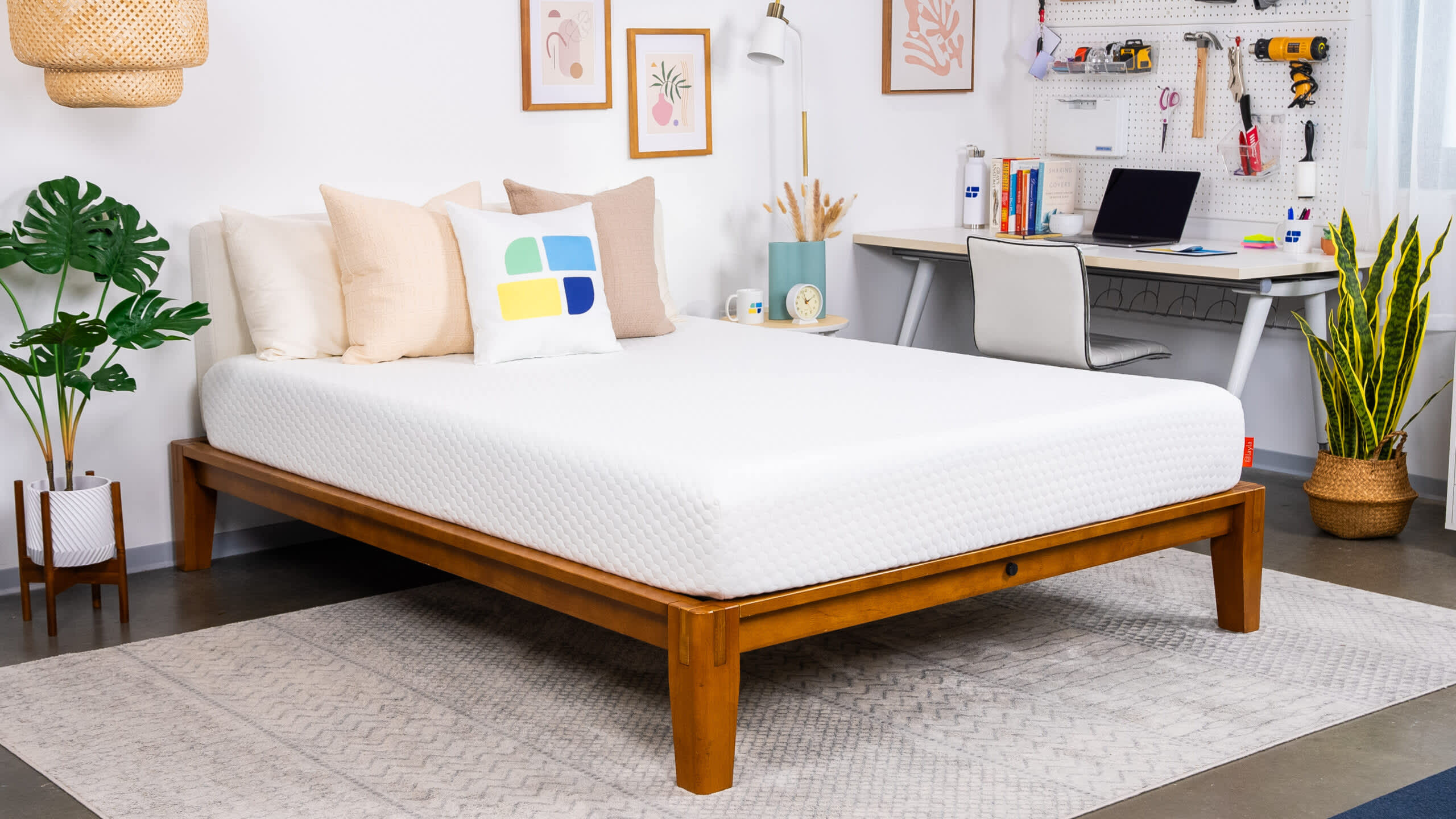
Layla Essential Mattress
A budget-friendly foam mattress that excels at pain and pressure relief.
Key Details
- Who It’s Best for: Side sleepers weighing up to 230 pounds, and back and stomach sleepers under 130 pounds.
- Feel: A medium firm (6) design with gentle contouring and very little bounce.
- What It’s Made of: A comfort layer of open-cell memory foam over a high-density polyfoam support core.
- What We Don’t Like: Foam layers can sink and hinder movement on the mattress surface.
Scoring & Reviews
The following ratings show how suitable this mattress is for different sleeping positions and sleeper weights. These scores are determined by how well the mattress supports and relieves pressure for each sleeper type.
In addition to the hands-on feedback from our team, we conduct a number of quantitative tests in our Test Lab. The below ratings are based on the experience of our testers.
Performance
Best Mattress for Kids: Helix Kids
Best Mattress for Kids
8.3/10Test Lab Score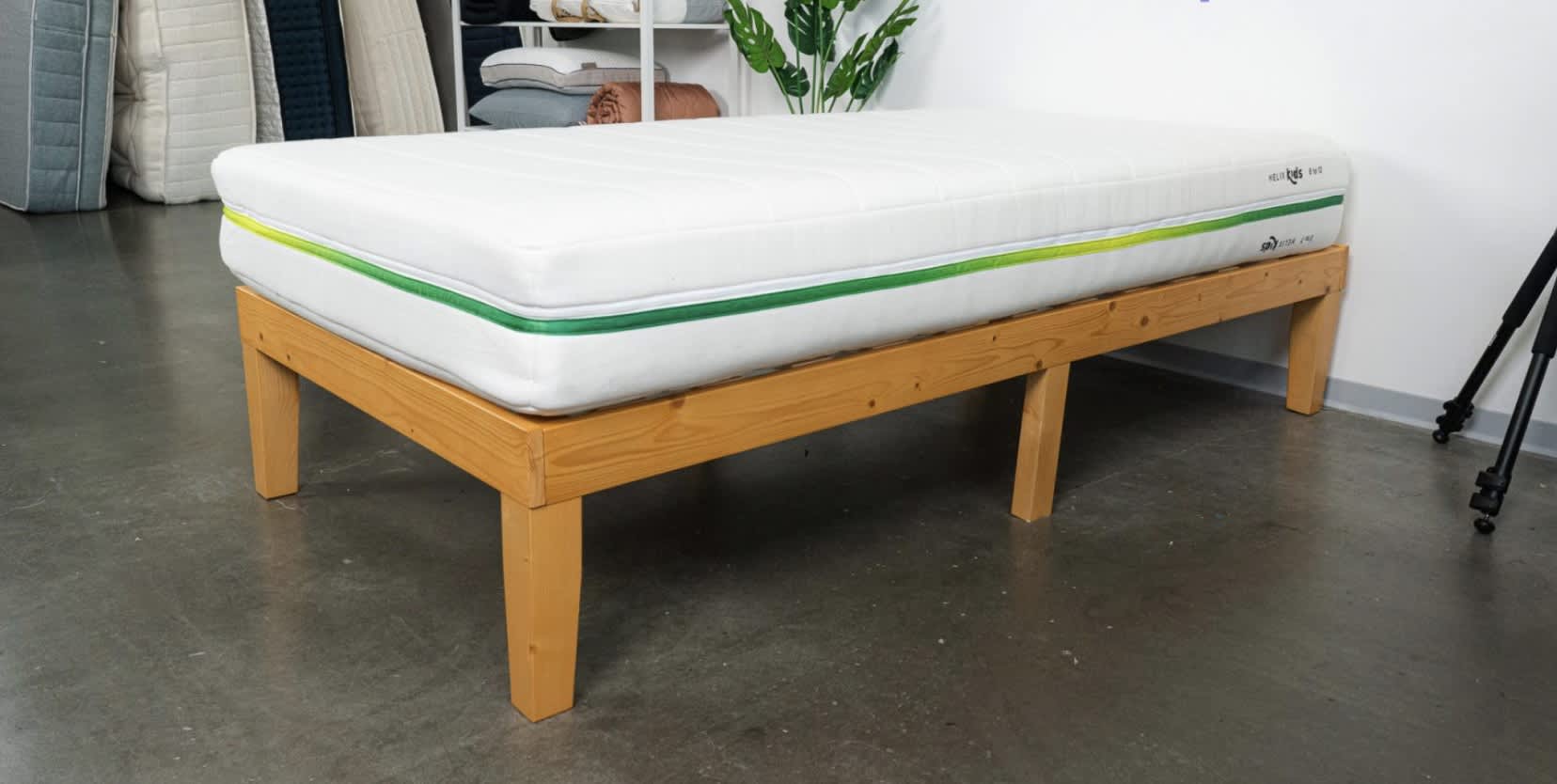
Helix Kids
A flippable hybrid designed for kids 3-12.
Key Details
- Who It’s Best for: Kids between the ages of 3 and 12.
- Feel: Firmer and more supportive on the “younger” side, and a bit plusher on the “older” side.
- What It’s Made of: Each side features a memory foam comfort layer with a waterproof barrier and antimicrobial coating. The shared support core of pocketed coils is located between the comfort systems.
- What We Don’t Like: Not available in twin XL, one of the most common sizes for kid mattresses.
Scoring & Reviews
The following ratings show how suitable this mattress is for different sleeping positions and sleeper weights. These scores are determined by how well the mattress supports and relieves pressure for each sleeper type.
In addition to the hands-on feedback from our team, we conduct a number of quantitative tests in our Test Lab. The below ratings are based on the experience of our testers.
Performance
Best Temperature Regulating Mattress: Cocoon Chill
Best Temperature Regulating Mattress
7.6/10Test Lab Score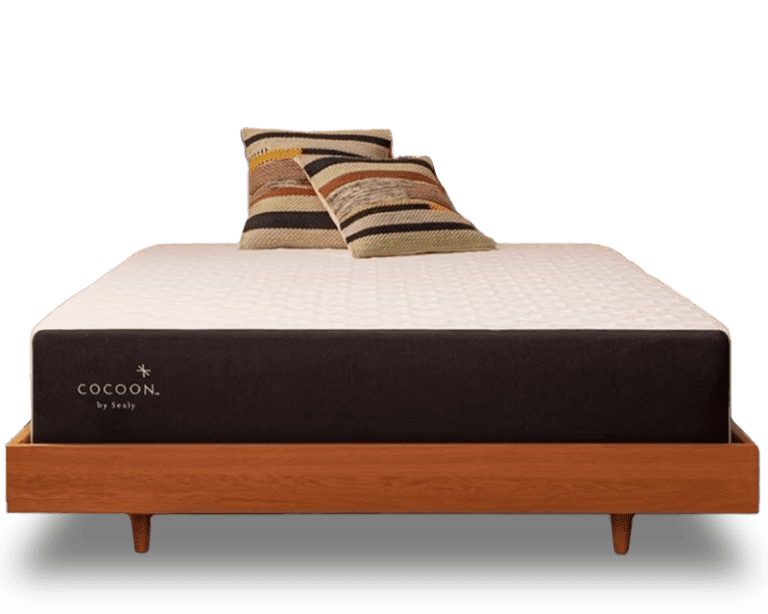
Cocoon Chill
Memory foam or hybrid options at great value and with cooling tech.
Key Details
- Who It’s Best for: Side and back sleepers who enjoy the feel of memory foam but also run hot in bed.
- Feel: A true medium firm (6) feel with an adaptive “hugging” surface and a sturdy support system to push back against your weight.
- What It’s Made of: Top layer of memory foam infused with cooling phase change material, followed by transitional and support layers of dense polyfoam.
- What We Don’t Like: Edge support is limited, so the perimeter may buckle when you sit or sleep along the perimeter.
Scoring & Reviews
The following ratings show how suitable this mattress is for different sleeping positions and sleeper weights. These scores are determined by how well the mattress supports and relieves pressure for each sleeper type.
In addition to the hands-on feedback from our team, we conduct a number of quantitative tests in our Test Lab. The below ratings are based on the experience of our testers.
Performance
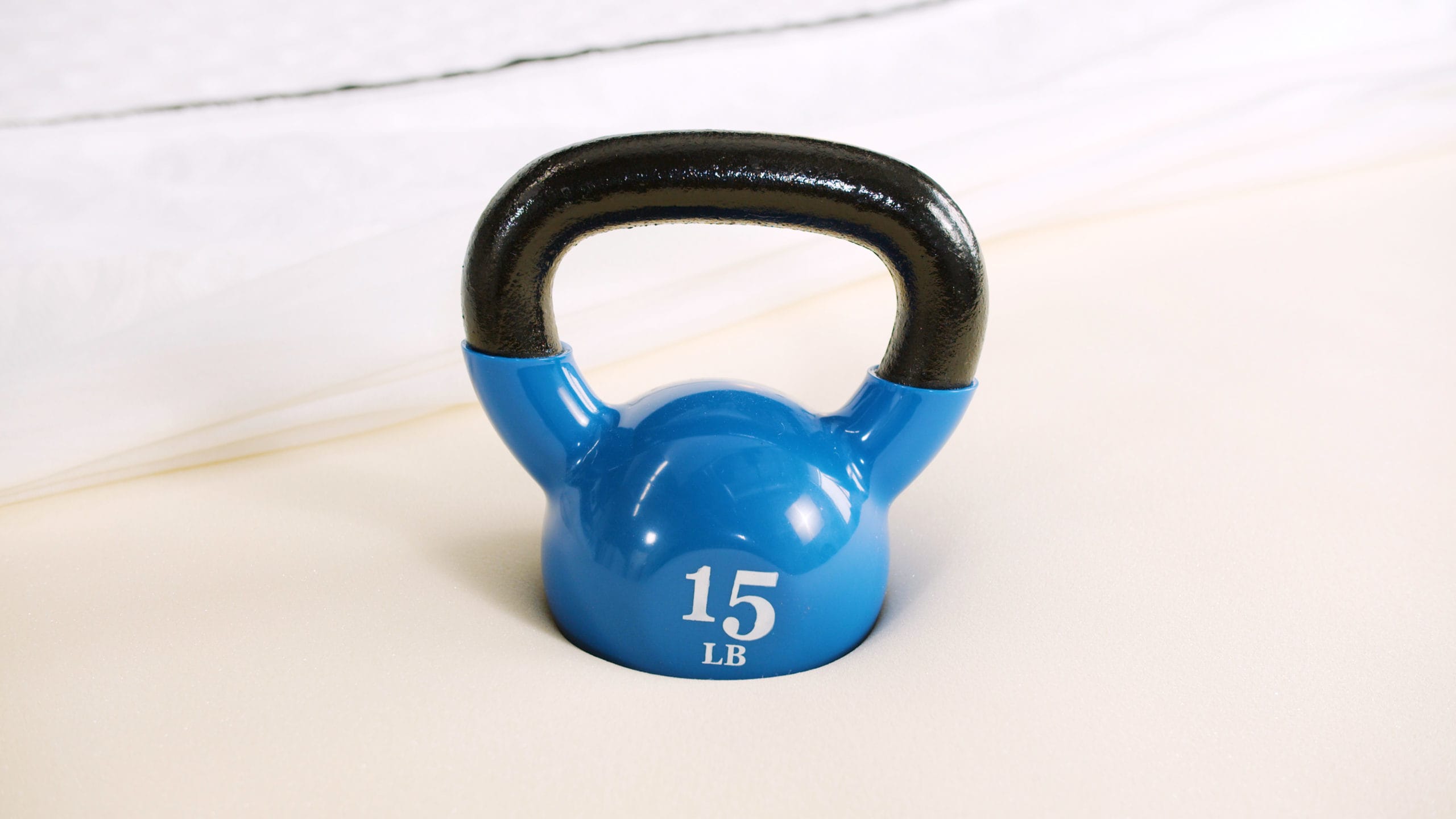
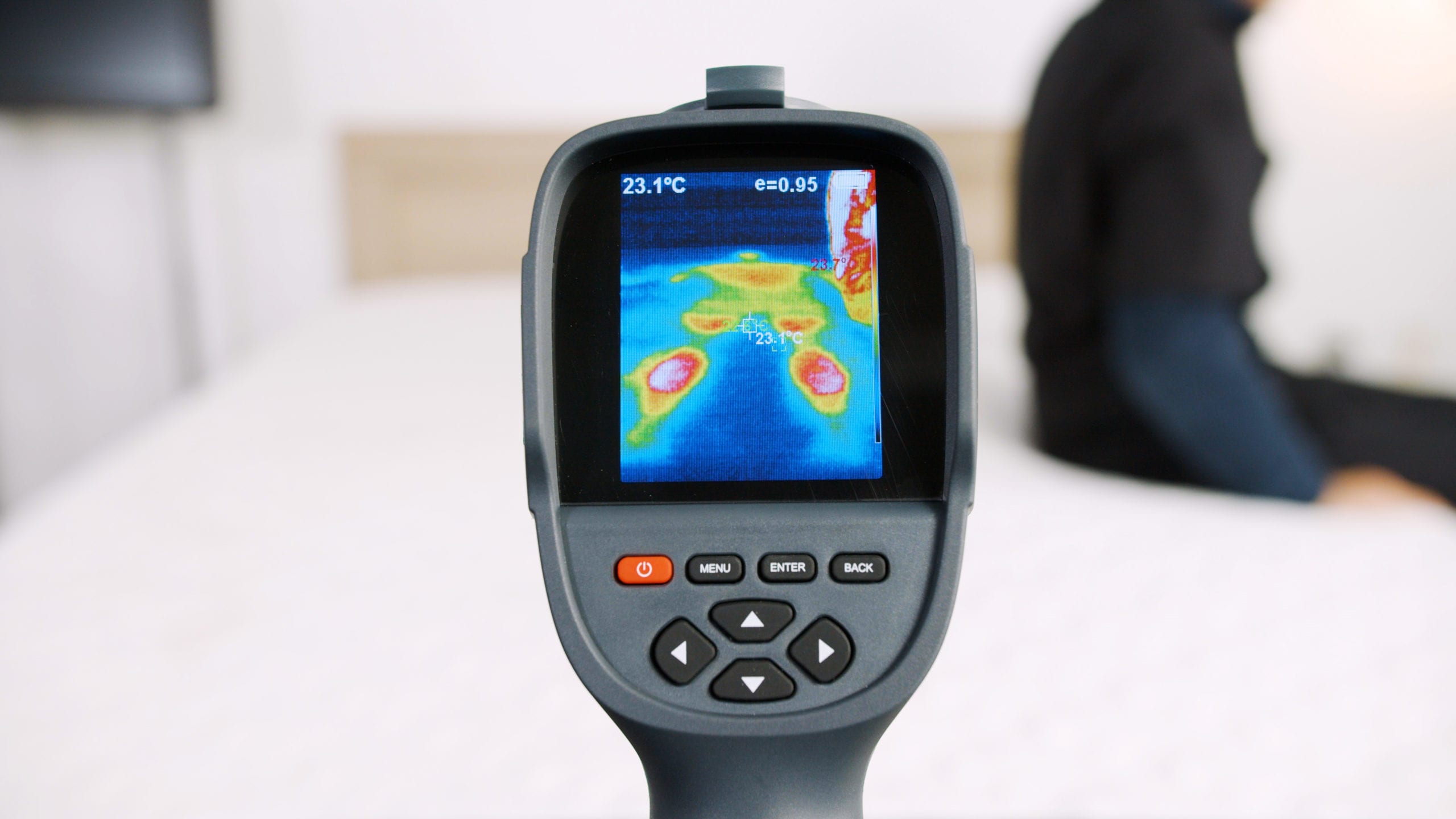
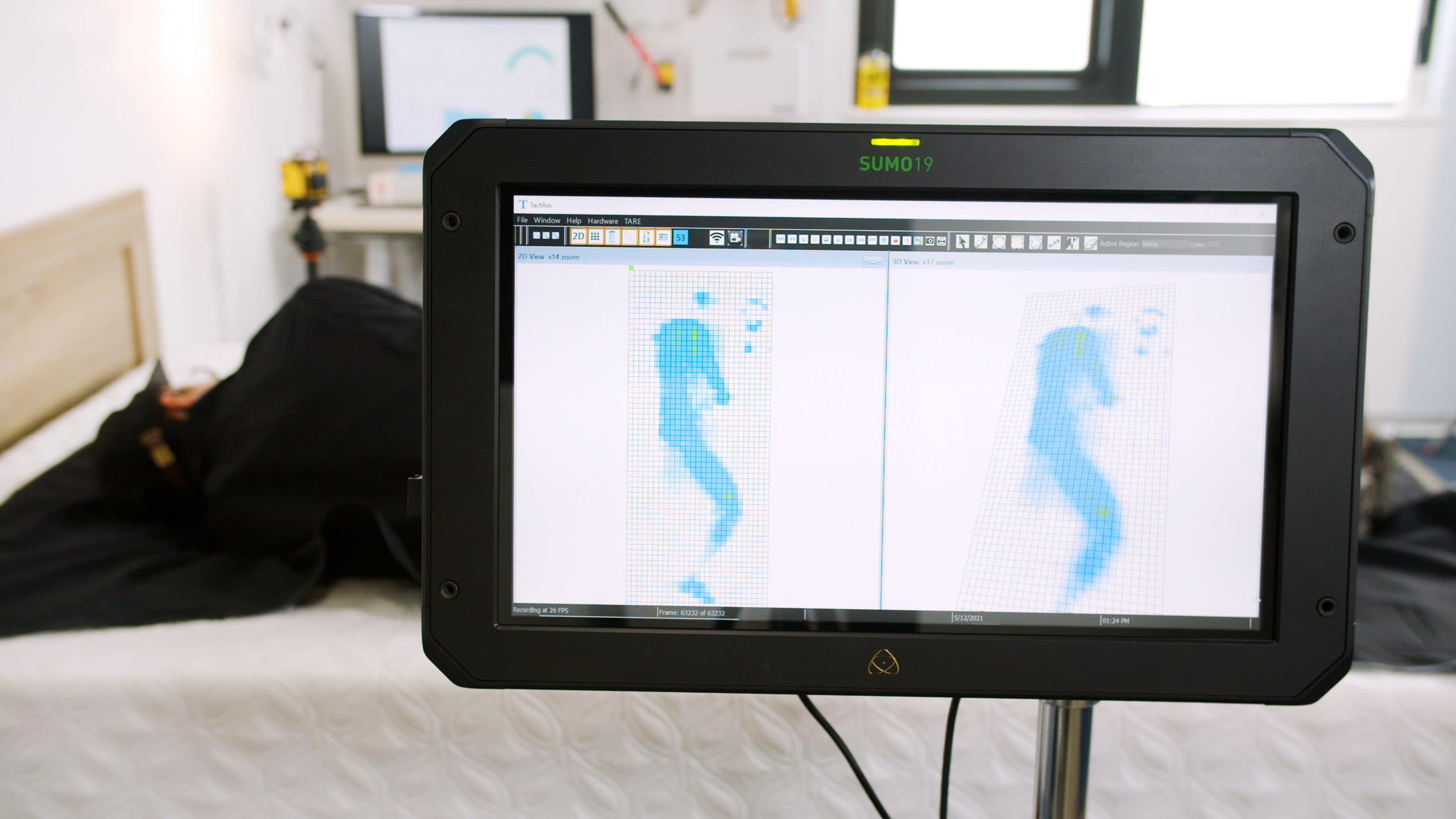
Best Mattress for Back Pain: Silk & Snow Mattress
Best Mattress for Back Pain
8.4/10Test Lab Score
Silk & Snow Mattress
A foam mattress that conforms close to your body for pressure relief.
Key Details
- Who It’s Best for: Side and back sleepers across most weight groups.
- Feel: Two firmness options, a plusher medium (5) feel with close contouring and a more supportive firm (7) design.
- What It’s Made of: Open-cell memory foam and transitional polyfoam over a high-density foam base layer.
- What We Don’t Like: Stomach sleepers over 230 pounds will probably find both designs too soft.
Scoring & Reviews
The following ratings show how suitable this mattress is for different sleeping positions and sleeper weights. These scores are determined by how well the mattress supports and relieves pressure for each sleeper type.
In addition to the hands-on feedback from our team, we conduct a number of quantitative tests in our Test Lab. The below ratings are based on the experience of our testers.
Performance
Best Mattress for Combination Sleepers: Dreamfoam CopperFlexEssential
Best Mattress for Combination Sleepers
7.2/10Test Lab Score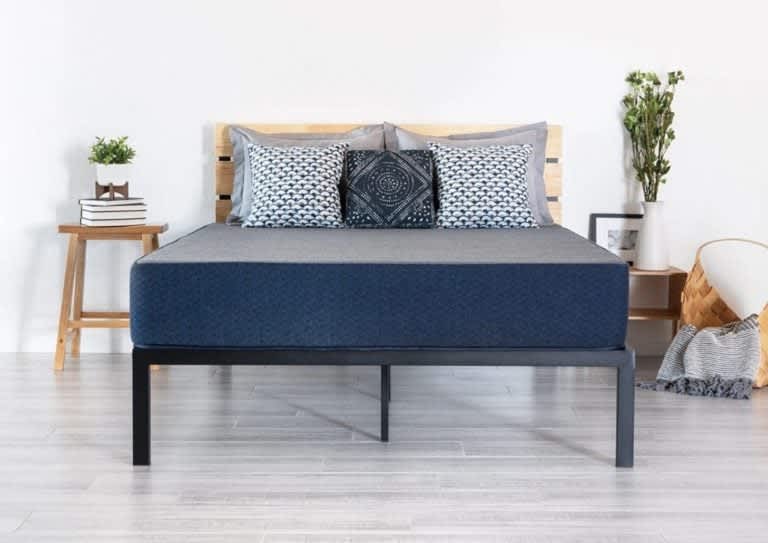
Dreamfoam CopperFlex Essential
A budget-friendly foam mattress with many firmness options.
Key Details
- Who It’s Best for: Most side, back, and stomach sleepers across different weight groups – but it’s important to choose a firmness that aligns with your body type.
- Feel: Each profile has a distinct feel. Firmness options include medium soft (4), medium (5), medium firm (6), firm (7), and firm (8).
- What It’s Made of: Composition varies by profile, but all CopperFlex Essentials contain a memory foam comfort layer and high-density foam base. Thicker models also include a transitional foam layer.
- What We Don’t Like: No firmness exchanges allowed during the trial and a $99 fee for returns.
Scoring & Reviews
The following ratings show how suitable this mattress is for different sleeping positions and sleeper weights. These scores are determined by how well the mattress supports and relieves pressure for each sleeper type.
In addition to the hands-on feedback from our team, we conduct a number of quantitative tests in our Test Lab. The below ratings are based on the experience of our testers.
Performance
Best Mattress for Guest Rooms: Siena Memory Foam Mattress
Best Mattress for Guest Rooms
7.5/10Test Lab Score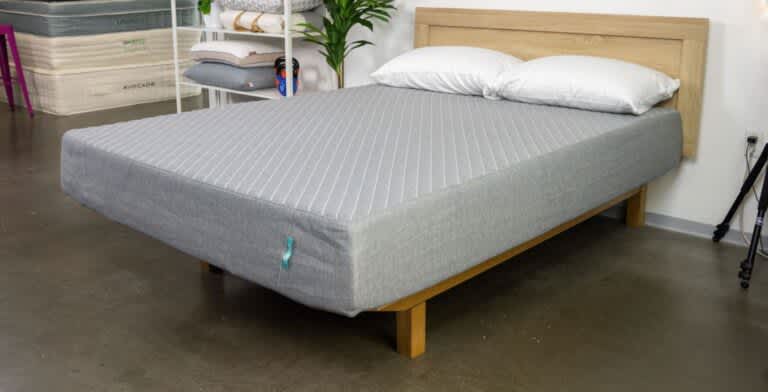
Siena Memory Foam Mattress
An affordable memory foam mattress ideal for kids and guest rooms.
Key Details
- Who It’s Best for: Side sleepers up to 230 pounds and back sleepers under 130 pounds.
- Feel: Medium firm (6) construction with a surface that contours closely and a stable support system.
- What It’s Made of: A memory foam comfort layer over transitional and base layers of high-density polyfoam.
- What We Don’t Like: Not enough support for most stomach sleepers.
Scoring & Reviews
The following ratings show how suitable this mattress is for different sleeping positions and sleeper weights. These scores are determined by how well the mattress supports and relieves pressure for each sleeper type.
In addition to the hands-on feedback from our team, we conduct a number of quantitative tests in our Test Lab. The below ratings are based on the experience of our testers.
Performance
Who Should Buy a Cheap Memory Foam Mattress?
Some people can benefit from using a memory foam mattress, while others should consider another mattress type based on their needs and preferences. We’ll highlight the best candidates for a cheap memory foam mattress, and who should keep looking.
Who Is an Affordable Memory Foam Mattress Best for?
Budget-Conscious Shoppers
- The average memory foam mattress costs between $800 and $1,200 in a queen size. Cheaper models tend to run between $500 and $700, making them a good option for people with limited shopping budgets.
- That said, mattress buyers should carefully evaluate their options before completing their purchase. A mattress with low-density foam layers may begin to sag and lose shape in less than a year, whereas models with denser layers hold up better over time.
People With Chronic Pain
- Memory foam is known for its even contouring and deep cushioning. The material provides a cradle-like hug that can alleviate aches, pains, and pressure points for sleepers.
- Choosing the right firmness for your memory foam mattress is key. A mattress that feels too soft will sink excessively and possibly exacerbate your existing pain, while an overly firm mattress may not reduce discomfort in your most sensitive areas.
Side Sleepers
- The deep cushioning of memory foam is often a good match for side sleepers because this position often leads to pressure buildup in the shoulders and hips.
- Side sleepers under 130 pounds should consider a soft to medium soft memory foam mattress. Those who weigh 130 pounds or more should get the support they need from a mattress that’s medium to medium firm.
Couples
- Memory foam isolates movement better than most other mattress materials. As a result, these beds are a great choice for anyone who shares their sleep surface with a partner and frequently wakes up due to the other person’s movements.
- We’ve found mattresses that provide good motion isolation also alleviate pressure and achy spots, making them a good choice for couples with ongoing pain.
Who Is an Affordable Memory Foam Mattress Not Best for?
Back and Stomach Sleepers Over 230 Pounds
- Preferences vary from person to person, but our hands-on tests show most back and stomach sleepers who weigh more than 230 pounds don’t receive enough support from memory foam mattresses. This material may sink excessively, causing pain and pressure to build in the shoulders and hips.
- That said, a memory foam mattress that falls between 7 and 10 on our 10-point firmness scale may be sufficient for back and stomach sleepers in this weight group.
Hot Sleepers
- Memory foam has a tendency to absorb and trap body heat. Excessive heat retention can cause the surface of a memory foam mattress to feel uncomfortably warm, especially during hot or humid times of the year.
- Many memory foam mattresses feature copper, gel, and other cooling agents intended to offset heat buildup. However, we’ve found these components often have a limited effect.
People Who Are Sensitive to Strong Smells
- Synthetic foam emits an odor known as “off-gassing.” This comes from volatile organic compounds (VOCs) in the foam. While VOCs are thought to be relatively harmless, the smell can be strong and unpleasant.
- Most memory foam mattresses produce pungent off-gassing for 48 to 72 hours after they are unboxed. These odors can be problematic for quality sleep if you have a strong sense of smell — though they’ll eventually dissipate.
How to Choose the Best Affordable Memory Foam Mattress
To get the best value on a low-cost memory foam mattress, you need to know what to look for and what to ignore. Keeping your focus sharp will help avoid winding up with a poorly built mattress that causes your sleep to suffer.
What to Look for in a Mattress
It’s not uncommon to come across some bold — and even confusing or misleading — marketing hype in the mattress industry. Unfortunately, for some customers, this can draw their attention away from the most important factors to consider.
To keep this from happening to you, when researching different mattresses, consider which of the following key issues are most critical for you and how the options you’re researching stack up in those areas.
- Price: If you’re looking for a cheap mattress, obviously price is an essential consideration. You can rule out the high-end, luxury mattresses and focus on those with a more accessible price. It also helps to be on the lookout for promotions and discounts.
- Quality Materials: As you might expect, some budget mattresses cut corners when it comes to the quality of their components. Look for beds with a solid design, well-built components, and a track record of success as this will bode well for the bed’s durability and performance.
- Firmness Level: Firmness is fundamental to mattress comfort and satisfaction, so you want to pick a bed with the right feel. On the 1-10 firmness scale, with 10 being the firmest, most people prefer a mattress between Medium Soft (4) and Firm (7). Stomach and back sleepers normally do best with firmer options than side sleepers.
- Pressure Relief: The ability to cushion the body’s sharpest pressure points is a standout feature of most foams and especially memory foam. However, you want to make sure the comfort system, including the memory foam component, is thick and robust enough to accommodate your body.
- Edge Support: If you often find yourself sitting or sleeping near the edge of the bed, then solid edge support is important. Unfortunately, because of the way foam compresses, memory foam beds can be weak in this area. A dense support core or transition foam layer can help improve edge support.
- Contouring: Contouring refers to the way a mattress can adjust to the body with a hug-like feel. Some sleepers like deep contouring, especially if they have major pressure points, while others prefer more limited hug. As a general rule, memory foam has well above-average contouring.
- Temperature Regulation: Sleeping hot can be a real issue for some people, and the problem can be pronounced on memory foam. This can happen because of how the foam fits tightly to the body, gets softer as it warms up, and is limited in ventilation. While this material typically sleeps warm, features like open-cell or gel-infused memory foams may modestly reduce heat retention.
- Ease of Movement: If you can’t move on a bed, it may feel like lying on quicksand, which can be especially troublesome for combination sleepers and people with an active sex life. The best way to maintain ease of movement is to have bounce and more moderate hug, which is why some memory foam beds are not strong performers in this category.
- Motion Isolation: When one person stirs in bed, it can be disruptive to their bed partner and may jar them awake. Motion isolation can help prevent this by decreasing how much movement is felt across the mattress. This is a strength of most memory foam beds, which makes them popular with many couples.
Types of Memory Foam
A number of formulations of memory foam are used in mattresses. While there isn’t a standardized nomenclature, there are some terms that can be useful to know.
Traditional memory foam refers to the classic form of this material that is usually quite soft with deep contouring, top-notch motion isolation, little-to-no bounce, and considerable heat retention.
Updates to the traditional memory foam can take different forms. Open-cell foam creates more room for air to pass through the foam itself and may slightly cut down on heat buildup. Infused foams have other materials mixed into the foam. The most common are gel-infused foams, but there are also copper-infused and graphite-infused materials. The primary purpose of these infusions is to decrease heat retention.
Specialty foams are what some manufacturers have formulated in order to make small modifications of the foam’s feel. This is typically done to try to adjust its level of responsiveness or firmness.
High-density memory foam usually has a density rating of 3.5 pounds per cubic foot (PCF) or higher. This means that the foam is heavier and normally holds up better over years of nightly use.
Benefits of a Memory Foam Mattress
Memory foam has won over a huge number of sleepers thanks to its unique feel and multiple advantages.
- Deep Pressure Relief: For the body’s heavier areas and problem areas for pain, memory foam offers welcome relief. Its ability to compress in proportion to the weight applied to it allows the material to smoothly cushion the body in key areas.
- Standout Motion Isolation: If your bed partner is constantly moving around, memory foam can keep bothersome ripple effects from their movement from reaching your side of the mattress.
- Spinal Support: Keeping the spine aligned is crucial to preventing all types of back pain. With its tailored cradling of the body, memory foam works to keep the whole body in a healthy posture.
- Silent Performance: With memory foam, you get a virtually noise-free mattress; you don’t have to worry about squeaking or other noise that can disrupt your sleep.
- Solid Durability: Though it won’t last forever, quality memory foam should retain its structural integrity for 6-8 years or longer.
What Can Affect the Price of Memory Foam Beds?
There’s not one foolproof formula for how a mattress is priced; nevertheless, some factors are ordinarily involved in the final price of a memory foam mattress.
- The total amount of memory foam. More memory foam thickness generally equates to a higher cost.
- The density of the memory foam. It costs more to produce high-density foam, so it tends to raise the price.
- Overall mattress height. Because a taller mattress involves more and/or thicker layers and a greater amount of total material, it can translate to a more expensive bed.
- Quality of construction. Mattresses with a thoughtful design and high-end components usually cost more than those that cut corners in their construction.
- Cooling components. The inclusion of cooling features, such as special cover materials, gel-infused foam, or copper-infused foam, may elevate the price.
- Extra features. If a mattress has special features, such as a reversible firmness design or a proprietary material, expect those features to increase the cost of the mattress.
- Where the mattress is manufactured. Beds made in the United States usually carry a higher price tag than those made in other countries. Mattresses made in China are frequently the least expensive.
Shipping Rates, Returns, and Warranties
As you get ready to buy a memory foam mattress online, it’s helpful to know what to expect when it comes to a number of practical issues such as shipping, returns, and warranties.
Shipping
For most memory foam mattresses bought online, shipping is fast and free. Boxed memory foam mattresses are compressed in plastic packaging and sent to your doorstep in a manageably sized “mattress in a box” that typically arrives within 7-10 days.
Once the mattress arrives, all you have to do to set it up is take the box to your bedroom and remove the packaging. Because of the package’s weight, it’s recommended that two people do this together, especially for a queen size mattress and larger.
The exact shipping terms can depend on the mattress and where it is purchased. If you buy from a third-party retailer like Amazon or Walmart, the cost and timeline of delivery may be different than if a mattress is bought directly from the manufacturer.
Returns
When you buy a mattress straight from the manufacturer, you are almost always offered a sleep trial. During this trial, which is usually 100 nights or longer, you can use the mattress in your own bedroom, and if you aren’t satisfied with it, you can ask for a return and a full refund. To carry out a return, most companies will either pick up the bed from your home or help find a local organization to pick it up. In some cases, you are required to keep the mattress for a few weeks as a “break-in period” before asking for a refund.
If buying from a retailer like Amazon, returns will be subject to the retailer’s policies, and any returns will need to be coordinated with them instead of the manufacturer. In general, retailers offer shorter sleep trials than manufacturers.
Warranties
Whether you buy directly from a mattress company or through a third-party, your mattress should come with a warranty that is extended by the manufacturer.
While a warranty can offer a helpful remedy if your mattress is a “lemon,” it’s important to know that there are limits to what’s covered. A mattress warranty virtually never covers normal wear-and-tear such as minor sagging. In addition, it won’t cover accidental damage from spills or pet accidents.
To determine the quality of coverage provided by the warranty, look at the fine print for three things:
- The Length of the Warranty: Also known as the warranty “term,” this states how long you are covered.
- Whether It is Non-Prorated or Prorated: With a non-prorated warranty, the remedy for a defective mattress stays the same over the full term. With a prorated warranty, you have to pay a percentage of repair or replacement costs that increases as you’ve owned the mattress for longer.
- Who Pays Shipping Costs: If the customer is responsible for transportation costs, going through with a warranty claim can carry considerable expense.
The ideal warranty is at least 10 years long, non-prorated, and stipulates that the manufacturer covers all shipping fees.
Additional Mattress Costs
Setting up your bedroom can involve different types of costs, so choosing an affordable mattress isn’t the only issue that will affect your bottom line. As you map out your budget, consider these potential additional costs:
- Bed Frames and Foundations: A good frame supports both your body and the mattress, and a weak frame may cause your mattress to wear down faster. Many warranties even require that the mattress be placed on a certain type of frame. If you need to upgrade, a new frame or foundation can cost from around $50 up to hundreds of dollars.
- Bedding: If you are switching to a new mattress size or just want fresh sheets, pillows, or blankets, build the cost of new bedding into your planning. The price range on all of these products varies substantially depending on their materials and quality.
- Mattress Removal: If you’re replacing an old mattress, you’ll need to find a way to remove it from your home. Some organizations will pick it up at no charge or for a small fee. Other services charge $50 or considerably more, depending on your location, to pick up an old bed.
- Expert Assembly: A memory foam mattress doesn’t usually require expert assembly, but if you buy a complex type of frame, you may need to pay for someone to set it up. Depending on the time it takes, this may cost $100 or more.
Get the Best Deal on a Mattress
No matter where you shop or what mattress you’re planning to buy, it’s natural to want to get the best deal. Knowing about the different ways to save can play a big part in getting the lowest price on a new mattress.
Mattress Sales
There are prime times for mattress sales that normally occur each year around certain major holidays. If you’re in no rush to buy a new mattress, waiting until one of these sales rolls around can mean scoring a better deal.
In-Store Sales
- Black Friday: The Friday after Thanksgiving is a massive shopping day for virtually all products, including mattresses and bedding. Almost all mattress chains, furniture stores, and department stores will offer steep discounts and special deals for Black Friday.
- Other Holidays: Memorial Day, Labor Day, and other big holidays frequently involve sales events, although they may not be as significant as those on Black Friday.
Online Sales
- Cyber Monday: The sibling of Black Friday, the Monday after Thanksgiving has become a huge day for promotions for online shopping. Deals are offered directly from manufacturers and on third-party retail sites like Amazon.
- Prime Day: This sales event for Amazon Prime members spans two days and is held every year in July. Major discounts, including many short-term “lightning deals” are offered on all types of products, and mattresses are no exception.
- Holiday Sales: Around most major holidays, you can find promotions being offered by online mattress companies. In most cases, the discounts will be available throughout a holiday weekend and will involve a price cut and/or free extras like sheets or pillows.
Not all brands or models will have the same sales, so it can be useful to do a little advanced research starting about a week before any big holiday or sale event.
Coupons, Discounts, and Other Ways to Save
If you’re shopping in-between major holidays or sale days, there are still a number of ways to save.
- Coupon Codes: A coupon code is entered during the online checkout process, and at that point, a discount is applied before entering payment information. The coupon code could involve a price break, freebies, and/or free shipping. Coupon codes can be found directly from manufacturers and on third-party review sites.
- Online-Only Promotions: These promos are most often issued by companies that have both physical stores and an online presence, but the deal is not available in the physical stores.
- Referrals: Being referred to a mattress site can translate to a lower price. The referral may come from a third-party review site or partner of the mattress maker. Referral bonuses can also sometimes come from a friend who has had a good experience with a specific mattress and gets a referral code to give to others.
- Bundles: Bundles provide a discount on a pack of products. In most cases, this means getting a reduced price if you buy a mattress plus a frame and/or bedding. If you need multiple items, a bundle can be a great deal.
- Negotiate the Price: Being a skilled negotiator can pay off when mattress shopping, especially in-store where markups are higher and sales people expect you to negotiate. There is less bargaining online, but you can always ask via phone or live chat if there are extra discounts or promotions available.
- Store Closing Sales: When a store is going out of business, they’ll often clear out their inventory at cut-rate prices. Look for ads on local radio or in the newspaper with details about special store-closing sales.
How We Test: Your Comfort Is Our Science
Our industry-leading product testing team cares deeply about improving your sleep. Having a holistic understanding of a mattress’s role as part of a sleep system is paramount to our testing process. Since a bed’s comfort and feel depend largely on body weight and sleeping position, our testing team represents a wide range of body types, sleep positions, and comfort preferences.
In our Seattle-based Test Lab, we use an objective, hands-on process to evaluate mattresses across performance categories. The following are the key guidelines that inform our performance ratings. Our ultimate goal is to ensure you have all the information you need to make the best purchase decision for you.
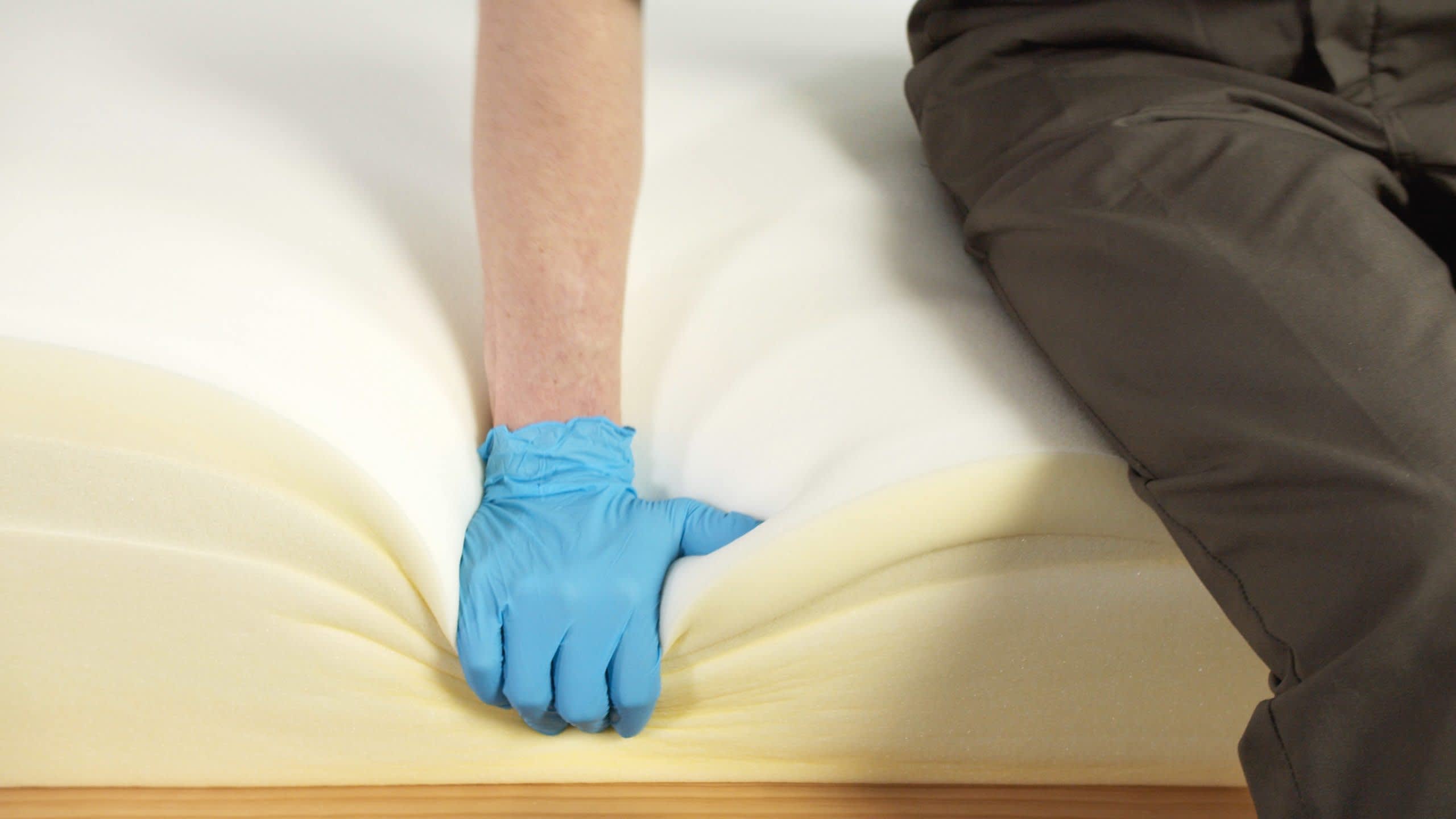
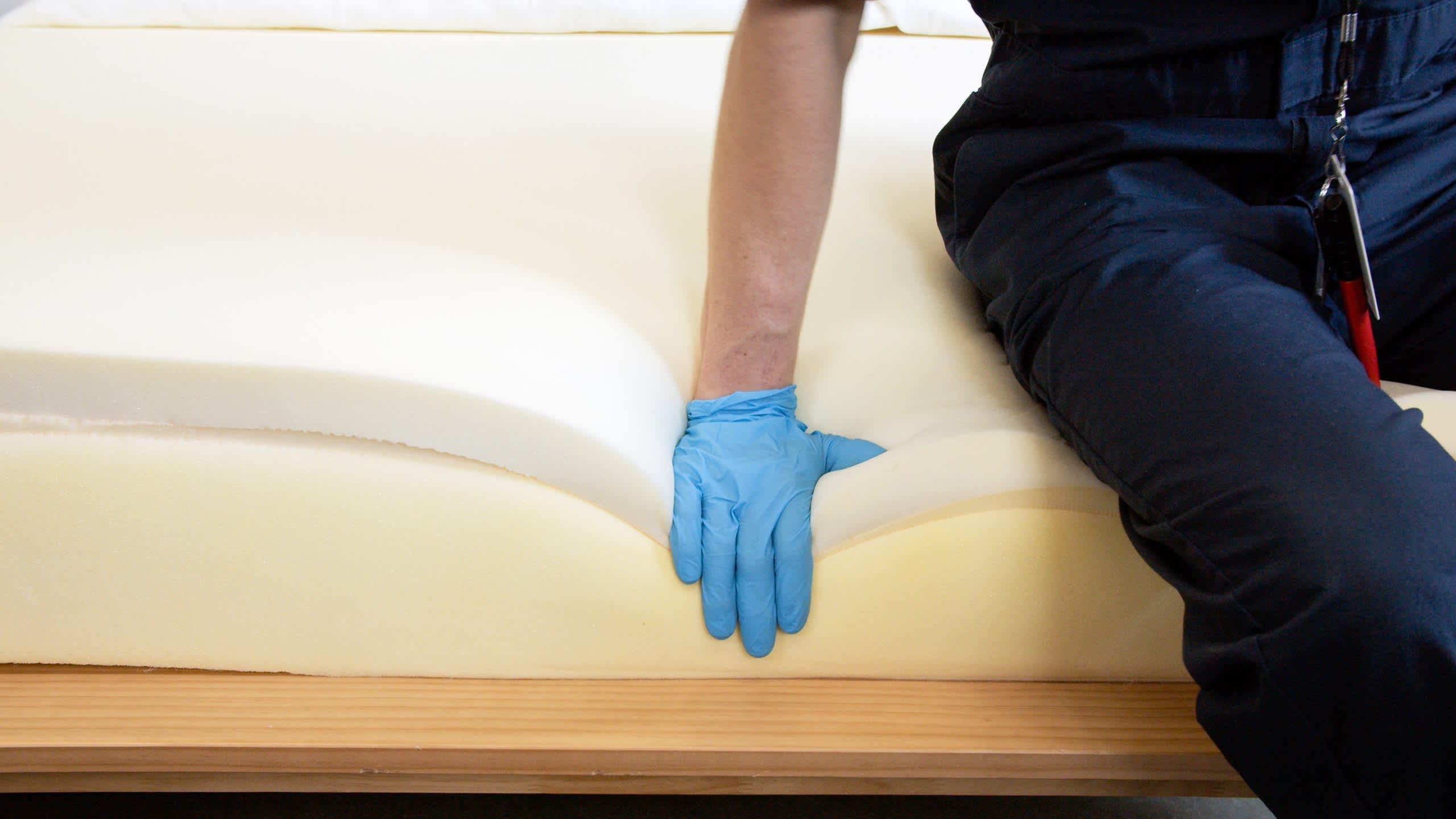
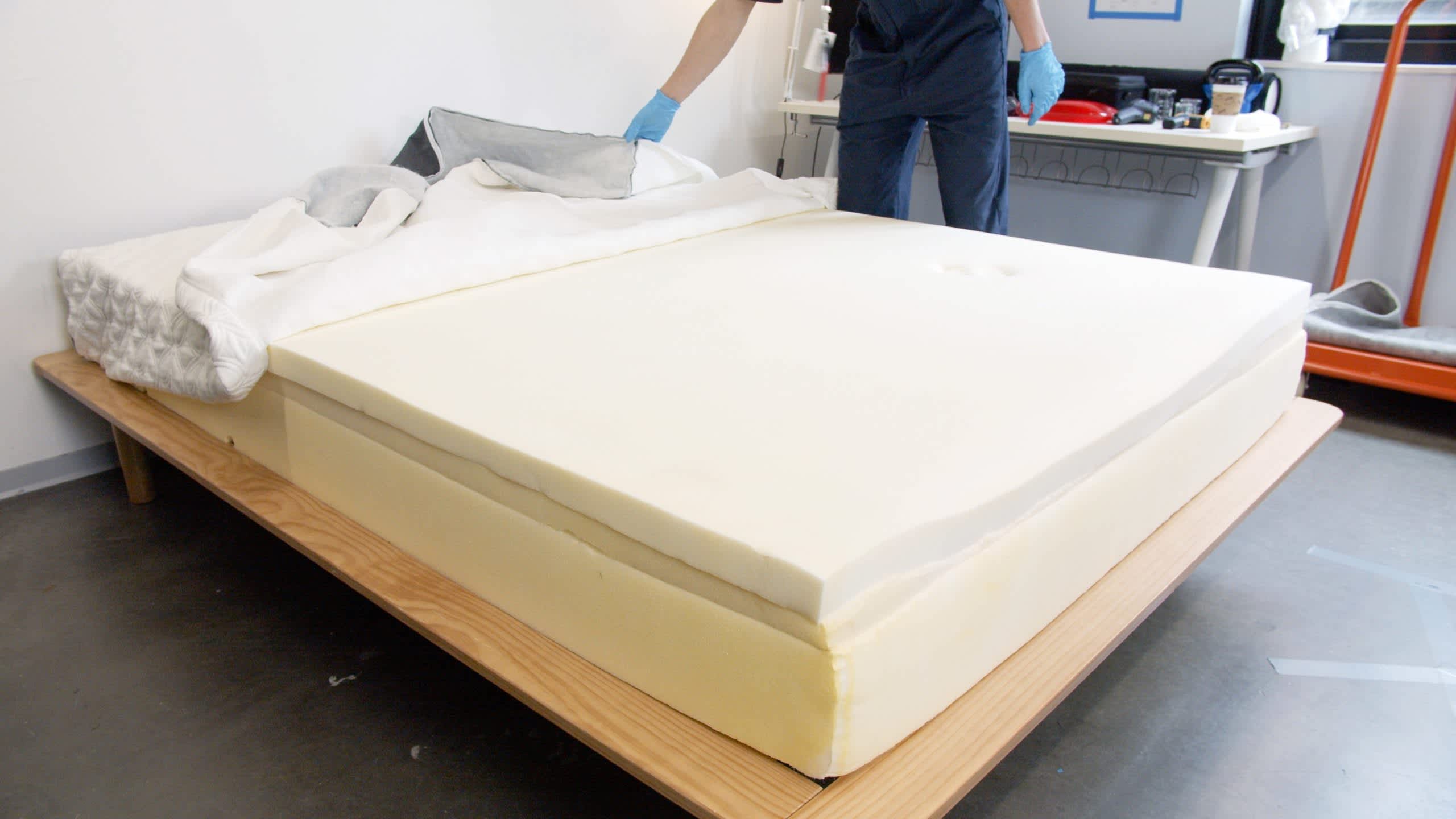
Construction analysis:We begin testing each mattress by analyzing its design and making note firmness, height, individual layer composition, and sticker price. This allows us to evaluate qualities like support, durability, and value.
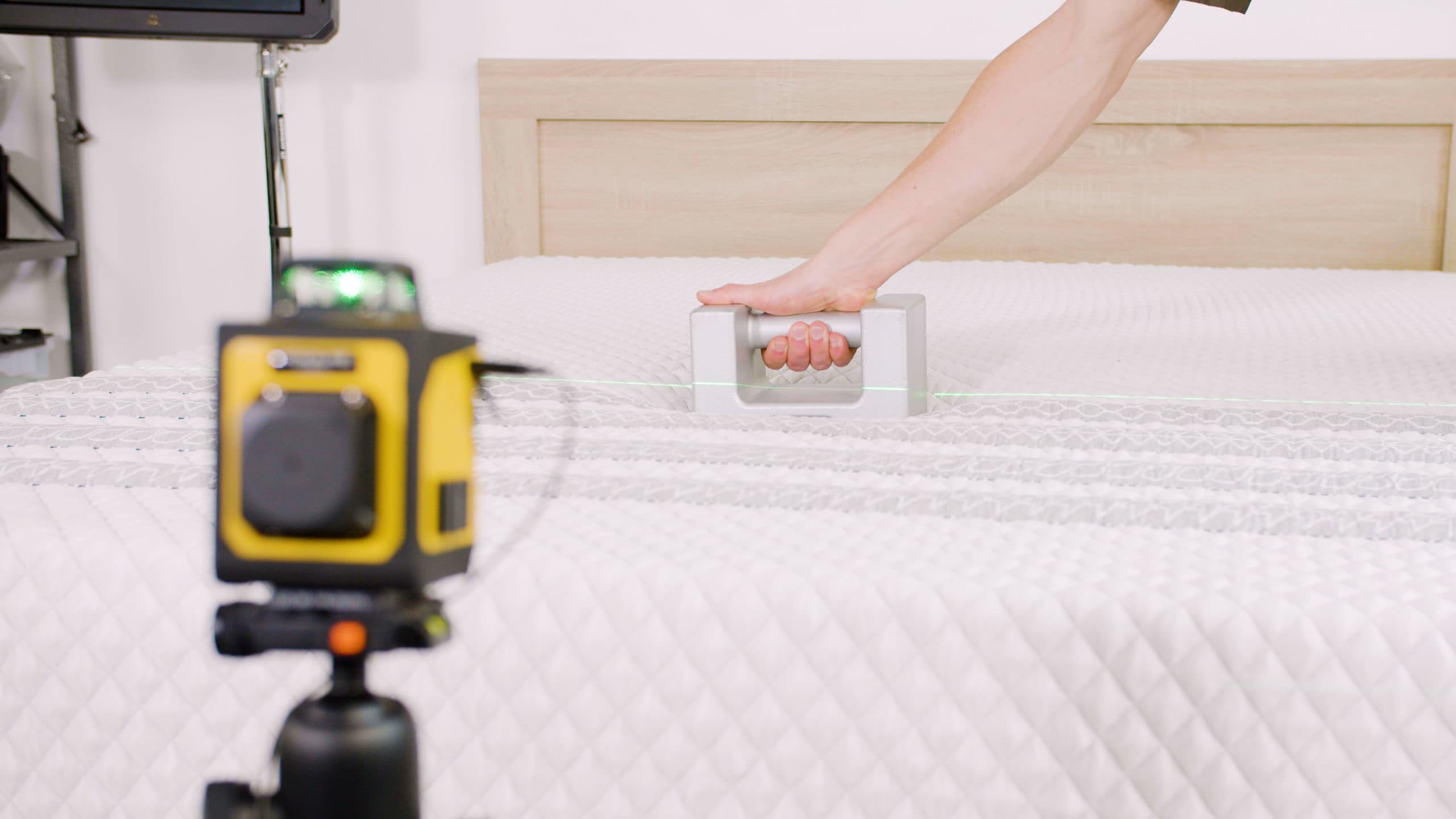
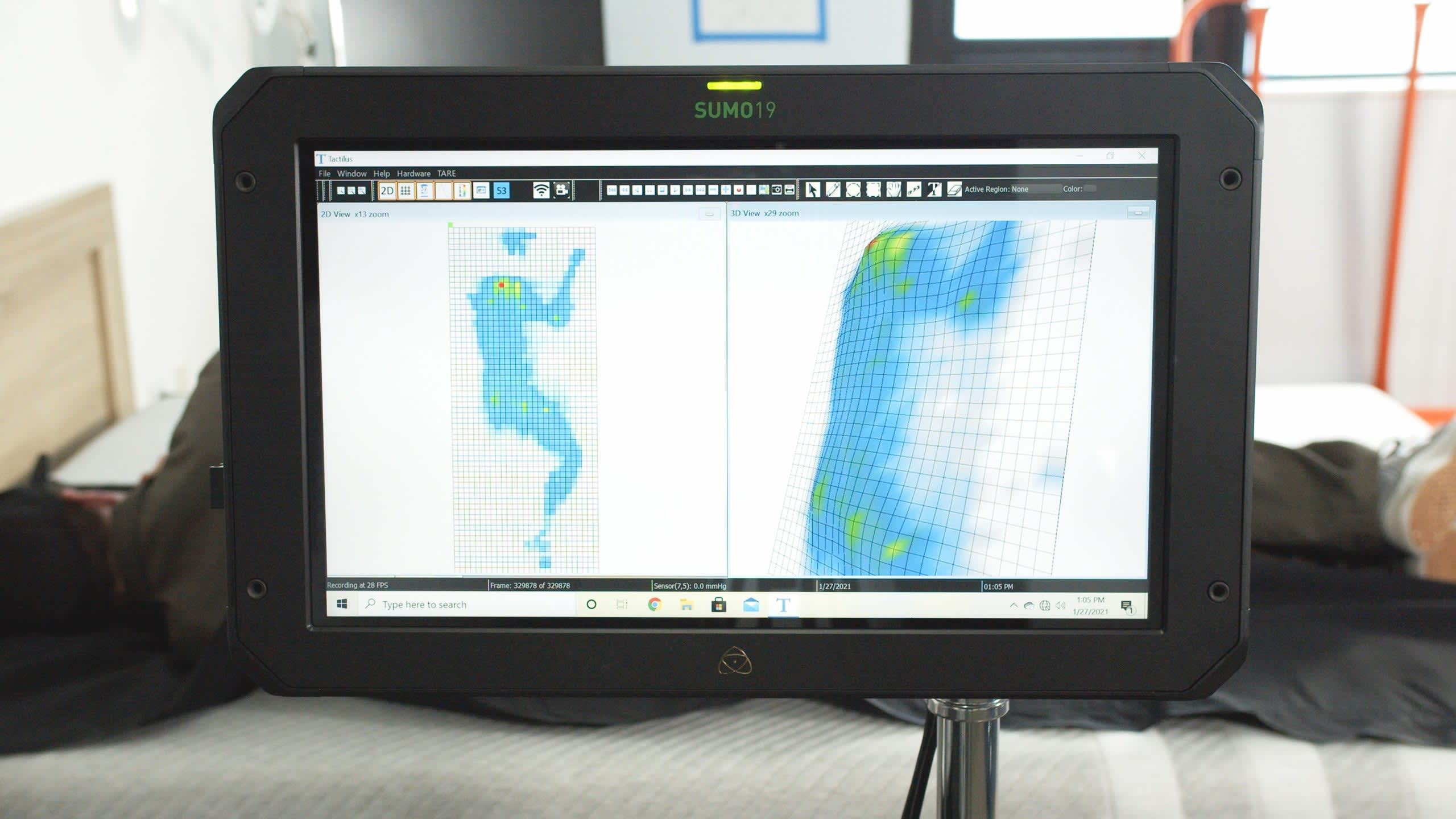
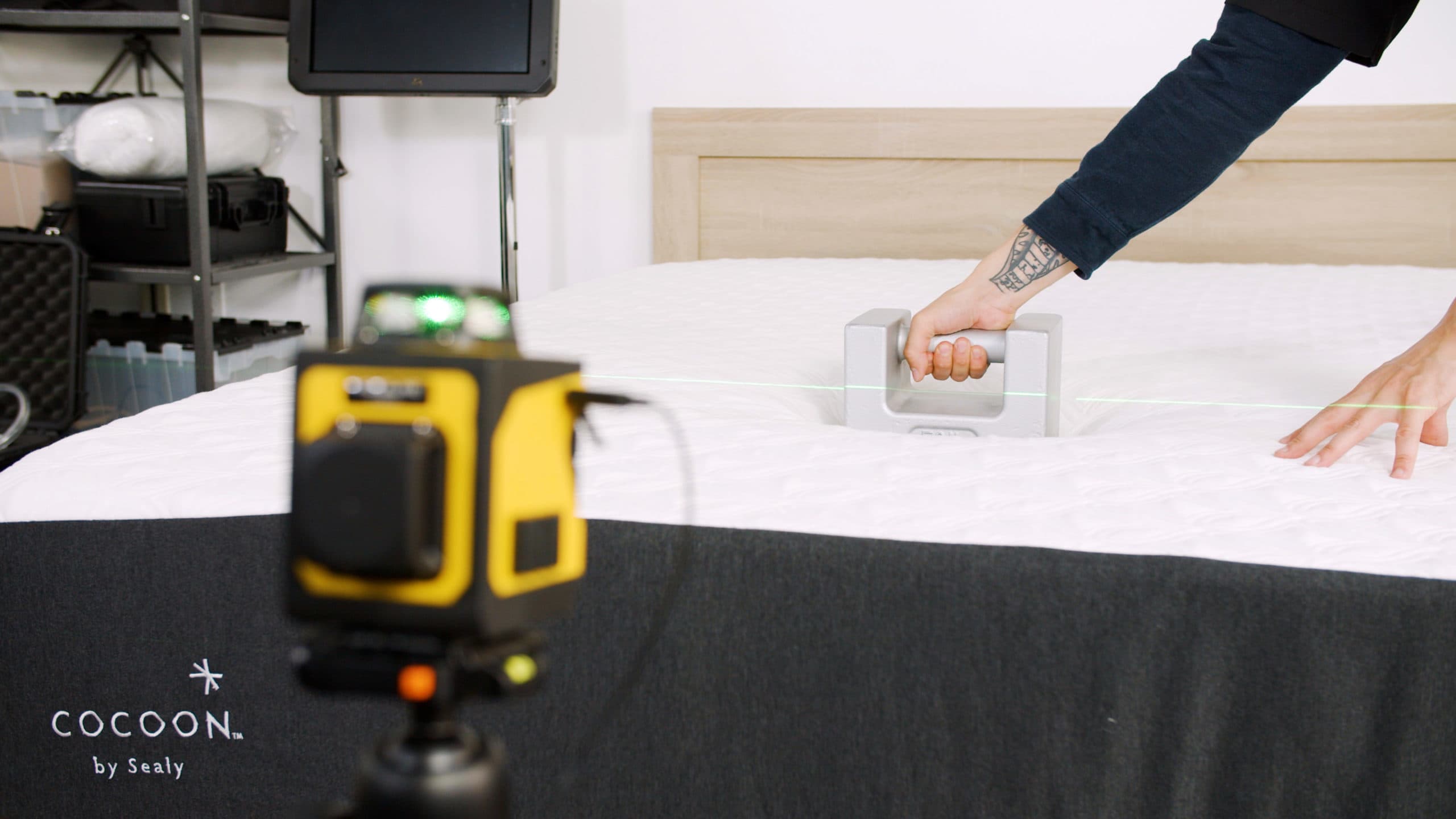
Product testing:Firsthand testing is crucial to our evaluation and ratings system. We use a wide range of tools and technology to test mattresses in six performance categories: motion isolation, pressure relief, temperature control, ease of movement, edge support, and odor potential.
Field testing: In addition to lab-based tests, we base our ratings on feedback from field testers who use the mattresses in their own homes. They spend several weeks collecting data — this gives us insights into how the mattress performs night after night for an extended period.
User testing:We curate feedback verified owners have provided in surveys, sleep stories, and product reviews. This helps us evaluate our initial findings and, if needed, tweak our ratings to reflect real-world experiences.
How We Determine Our Overall Scores
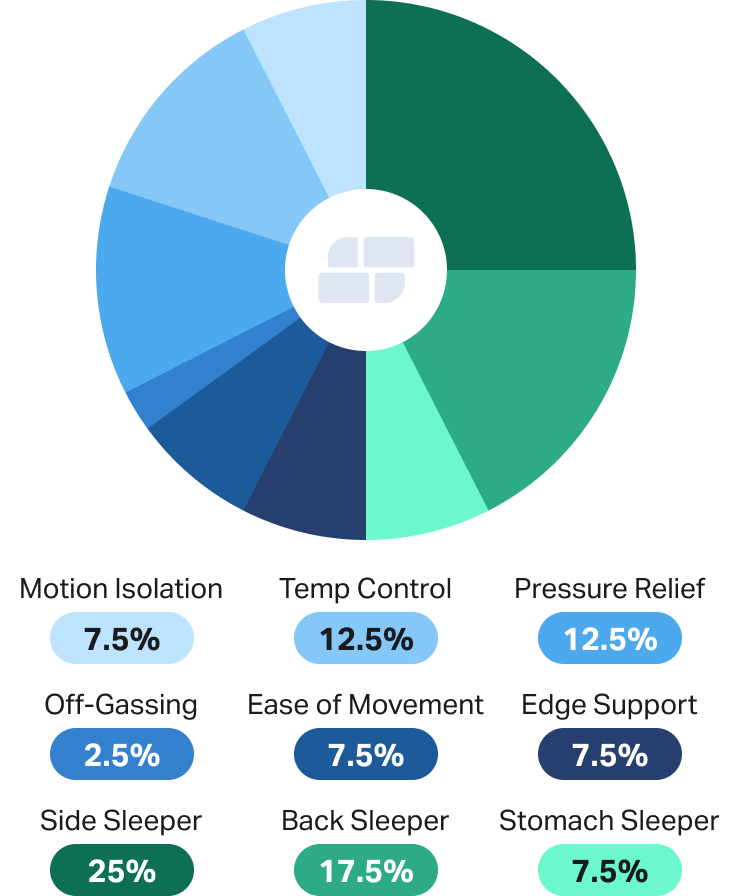
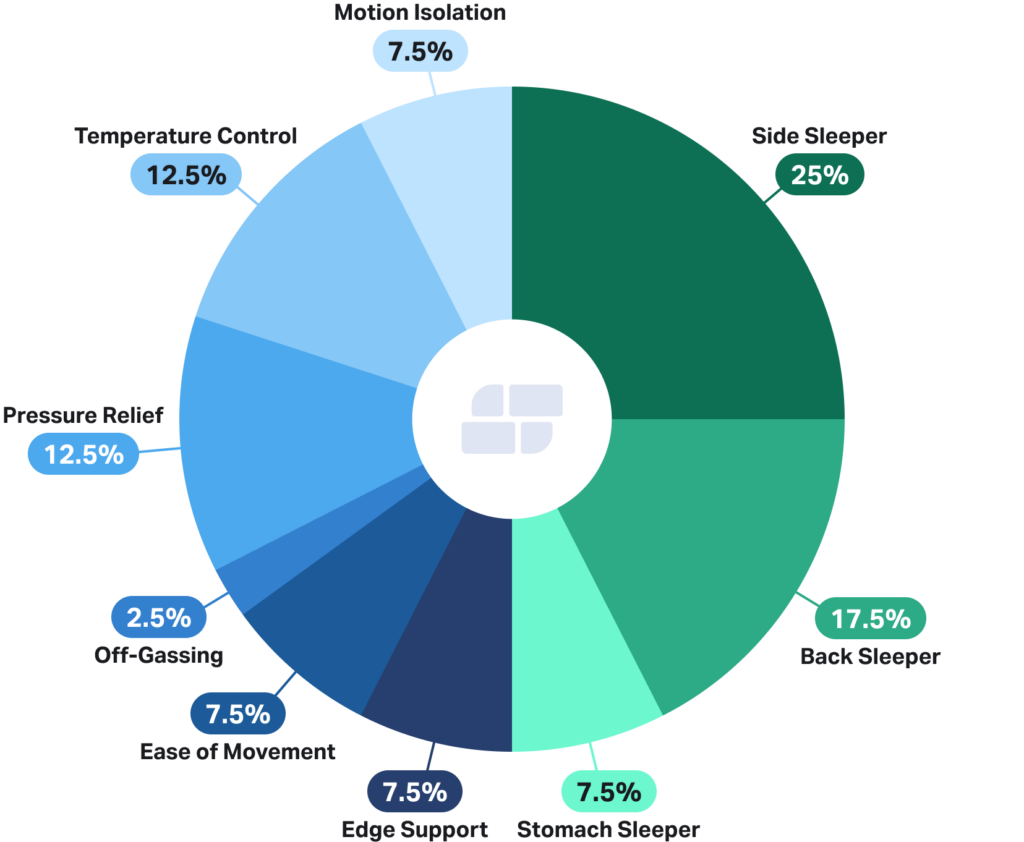
To determine a mattress’s overall score, we assign weighted percentages to performance categories based on how important they are to the individual sleep experience. For instance, areas like pressure relief and temperature control tend to matter more to people than something like off-gassing, and because more people sleep on their side and back than on their stomach, we weigh those positions more heavily.
Performance Categories
Motion Isolation
This criteria alludes to the amount of motion a mattress absorbs when a sleeper moves on the surface. We use two testers lying side by side to evaluate motion isolation, who each feel for transfer while the other person moves on the mattress.
Temperature Control
To determine how well a mattress regulates temperature, we perform temperature tests and look closely at its materials and construction. Many mattresses are designed with cooling components meant to reduce heat retention.
Pressure Relief
A bed with strong pressure relief excels at preventing pressure from building up in areas like the shoulders and hips. Beds with even contouring and weight distribution are top performers when it comes to pressure relief.
Off-Gassing
A mattress in a box may release unpleasant chemical odors for a short period after you’ve unboxed it. The initial smell may be strong but typically fades within 2 or 3 days.
Ease of Movement
This criteria reflects how easily a sleeper can move across a bed’s surface. Responsive surfaces made of latex typically perform better than foam surfaces, which can inhibit movement.
Edge Support
We perform sit tests along a bed’s perimeter to measure how well the edges push back against weight. Mattresses with strong edge support have minimal sagging when sleepers sit on or lie close to the perimeter.
Dive Deeper – Mattress Guides by Price
Still not sure if you’ve found the right mattress for your needs? We’ve tested tons of mattresses at different price points to help you land on one that you’ll love.

Still have questions?
Our product experts have extensive experience testing just about every sleep product on the market.
Send an email to AskAnExpert@sleepfoundation.org with your questions and we’ll help you find exactly what you’re looking for.
Logan is a Certified Sleep Science Coach with a deep understanding of what it means to struggle with sleep. Her years of experience researching and testing sleep products – including mattresses, natural sleep aids, and bedding – are critical to her role helping lead the editorial team. When she’s not testing mattresses or researching CBT-I, she enjoys spending time in the sunshine with her husband and her dogs Pepper and Winston.