
When you buy through our links, we may earn a commission. Products or services may be offered by an affiliated entity. Learn more.
Best Amazon Mattress of 2026
New Testing & Rankings for 2024

Sleep Foundation
Why Trust Us


Our mission to create a healthier, more well-rested world demands that our product reviews be best-in-class. You won’t find more expertise on mattresses and sleep products anywhere else.
The Sleep Foundation product testing team uses an industry-leading evaluation process paired with real world consumer feedback to come up with objective recommendations so that you can feel confident in your product decisions.
Each mattress sold on Amazon features a dedicated product page that includes construction details and specs, prices for each size, images, shipping options, warranty information, and customer reviews. In some cases, Amazon customers qualify for the original brand’s sleep trial, which will generally span at least 90 nights in length. Otherwise, the mattress will be backed by Amazon’s standard sleep trial of 30 nights.
Want to learn more about our top mattress picks? Our best mattresses of 2026 have earned strong performance ratings across different testing categories.
Our Top Picks
Best Mattress Overall
:DreamCloud Classic Hybrid
Shop Now
Best Value Mattress
:Brooklyn Bedding CopperFlex Memory Foam
Shop Now
Best Luxury Mattress
:Leesa Sapira Hybrid
Shop Now
Most Comfortable Mattress
:Layla Memory Foam Mattress
Shop Now
Best Mattress for Side Sleepers
:Helix Midnight Luxe
Shop Now
Best Mattress for Back Pain
:Plank Firm
Shop Now
Best Mattress for Pressure Relief
:Titan Plus Core
Shop Now
Best Mattress for Combination Sleepers
:Zinus Green Tea Memory Foam
Shop Now
How We Tested the Best Amazon Mattresses
Testing Criteria
As most of us know, one of the best things about shopping on Amazon is the company’s easy return policy. It’s why many consumers are willing to purchase their mattresses without in-person testing. However, there are other important factors to consider when shopping for a bed on Amazon — here are some things we took into consideration when making our list:
Price: Another benefit of shopping on Amazon is its range of brands and prices. If the mattress is available on Amazon Prime, which offers free shipping, it can also help cut costs. We included mattresses that are available at a range of prices, from the mid-hundreds to $1,000 or more.
Customer reviews: Customer ratings and reviews will give you a general idea of the mattress’s performance. Not every sleeper is the same, of course, but it gives a good idea of how reputable the brand and product is.
Mattress type and construction: Amazon offers an enormous selection of mattresses, including foam, innerspring, and hybrid. The best type of mattress will ultimately come down to personal preference, including body type, preferred sleep position, and firmness level.
Warranty and sleep trial: While Amazon usually offers a generous return window, not all manufacturers and Amazon sellers do, so we looked for those without return-limiting policies. Additionally, unlike mattress-specific retailers, you typically won’t find a lengthy sleep trial.
How We Evaluated
To determine the best mattresses on Amazon, we started with a thorough review of our highest-scoring models available for purchase on the site. We also made sure each option had a flexible warranty and decent return policy. Since Amazon offers such a broad range of products, we stuck to trusted brands, like Leesa, Plank, and Nectar. We also looked for models with the following qualities:
- Sleeper position and body type
- Pressure relief
- Easy shipping and returns
From there, it was all about testing. Our team includes a diverse range of sleepers comprised of different body sizes, sleep positions, and sleep needs. After sleeping on each bed and getting a good idea of their performance, they provided scores for key performance categories (think motion isolation, edge support, and temperature regulation), then assigned superlatives. Ultimately, they chose these eight as the best Amazon mattresses.
Our Testing Team

Logan Foley
Executive Product Director
Full Bio

Mary Fenton
Head of Product Content
Full Bio

Jeremy Klein
Product Testing Manager
Full Bio

Brad Nehring
Product Testing Manager
Full Bio

Colin Simpson
Product Research Manager
Full Bio
Best Mattress Overall: DreamCloud Classic Hybrid
Best Mattress Overall
8.5/10Test Lab Score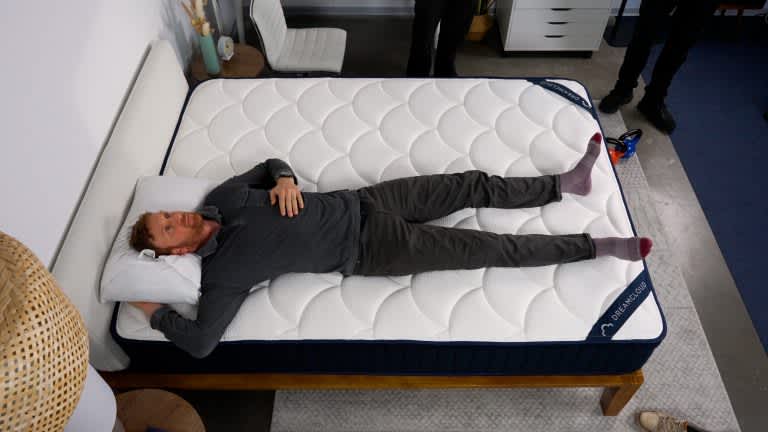
DreamCloud Classic Hybrid
An all-around great hybrid mattress at an affordable price.
Key Details
- Who It’s Best For: Side and back sleepers between 130 and 230 pounds.
- Feel: Medium firm: the foam curves around your body to relieve pressure but lacks the “hug” that’s common in many memory foam mattresses.
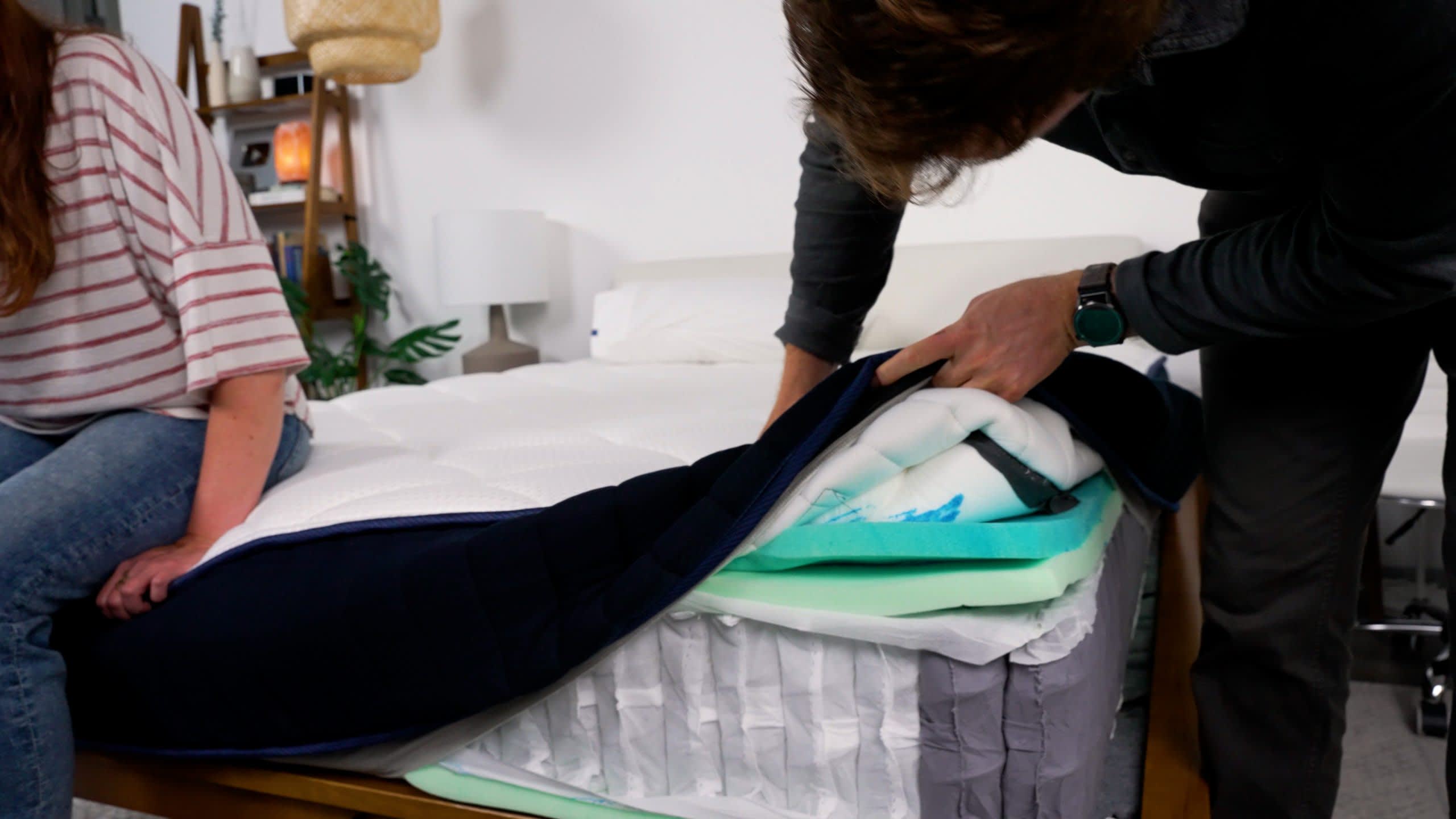
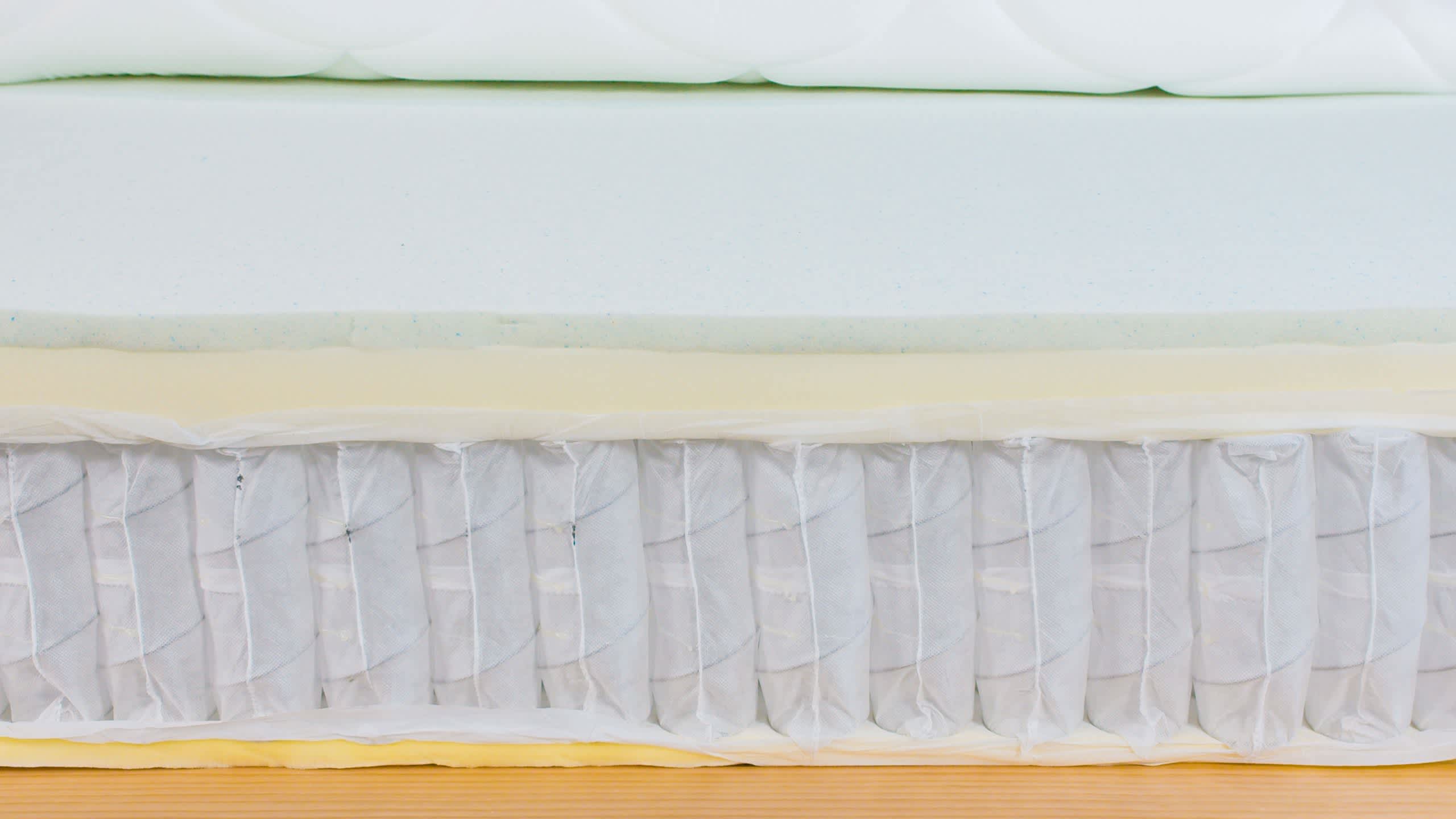
- What It’s Made Of: Cashmere-blend cover on top of five layers of foam and a support core of pocketed coils. The foam layers include quilted and gel-infused memory foam, transitional gel foam, quilted polyfoam, and a base of standard polyfoam.
- What We Don’t Like: Too firm for most sleepers below 130 pounds. Lacks support for most stomach sleepers.
Scoring & Reviews
The following ratings show how suitable this mattress is for different sleeping positions and sleeper weights. These scores are determined by how well the mattress supports and relieves pressure for each sleeper type.
In addition to the hands-on feedback from our team, we conduct a number of quantitative tests in our Test Lab. The below ratings are based on the experience of our testers.
Performance
The DreamCloud is a medium firm hybrid mattress that pairs thick memory foam with supportive pocketed coils for a balanced mattress with wide appeal. Despite its affordable price-point, the mattress is thoughtfully designed and includes luxury features such as gel-infused foam, a cashmere-blend cover, and a 14-inch profile that might necessitate adding a new extra-deep sheet set to your Amazon order.
Construction Breakdown
The DreamCloud features a pillow-top surface cushioned with adaptive foam, creating a plush feel when you get into bed. Additional memory foam and polyfoam layers make up the comfort system. While the mattress is medium-firm (6) and offers excellent overall support, these initial layers provide deep cushioning and contouring to reduce pressure along the spine.
The support core contains pocketed coils over a base layer of high-density foam. A foam encasement around the coils reinforces the perimeter, ensuring great stability when you sleep close to the edges of the mattress or get out of bed in the morning.
The coils are engineered to move independently from one another, so excessive motion transfer shouldn’t be an issue, but the support core generates enough responsiveness to help you move across the surface without feeling trapped or stuck.
Trial, Shipping, and Warranty
Each purchase of the DreamCloud is backed by a 365-night sleep trial. If you choose to keep the DreamCloud, you will also receive a lifetime warranty against structural defects.
Read More
 Read Less

Best Value Mattress: Brooklyn Bedding CopperFlex Memory Foam
Best Value Mattress
8.8/10Test Lab Score
Brooklyn Bedding CopperFlex Memory Foam
An all-foam mattress that hugs and soothes pressure points for restful sleep.
Key Details
- Who It’s Best For: Side and back sleepers up to 230 pounds.
- Feel: Medium firm (6) with a cushy surface, zoned transitional layer, and dense base-level support.
- What It’s Made Of: Comfort layers of memory foam and adaptive polyfoam over zoned transitional foam that feels more supportive beneath the midsection and high-density base foam.
- What We Don’t Like: Initial off-gassing odor from the foam layers can be strong and persist for several nights.
Scoring & Reviews
The following ratings show how suitable this mattress is for different sleeping positions and sleeper weights. These scores are determined by how well the mattress supports and relieves pressure for each sleeper type.
In addition to the hands-on feedback from our team, we conduct a number of quantitative tests in our Test Lab. The below ratings are based on the experience of our testers.
Performance
When we talk about mattresses, “value” doesn’t necessarily refer to the cheapest models. A mattress that brings long-term value is reasonably priced, but also built with high-quality materials and shown to perform well in key areas for sleeper comfort. The Brooklyn Bedding CopperFlex fits this description to a T. We’re recommending the all-foam CopperFlex model for this Amazon mattress guide, but the hybrid version is also competitively priced and holds its own in terms of performance.
Construction Breakdown
The six-layer CopperFlex Memory Foam begins with a layer of adaptive polyfoam sewn to the cover for an extra-plush surface. Copper-infused memory foam adds more cushioning and contouring, while two layers of transitional foam create a comfortable buffer between your body and the support core. The second transitional layer is zoned to feel firmer and more supportive beneath your midsection, so the heaviest areas of your body shouldn’t sink too much.
A thick layer of high-density polyfoam forms the CopperFlex’s base layer. In the CopperFlex Hybrid, all of the comfort layers match those in the all-foam model but the support core contains pocketed coils instead. Standard CopperFlex Memory Foam and Hybrid mattresses are 12 inches thick.
Amazon shoppers can also select the CopperFlex Pro, a 14-inch mattress available as a foam or hybrid model. This design adds a second memory foam layer for more surface-level cushioning without losing support from the coil layer. All CopperFlex mattresses are encased in covers made of cool-to-the-touch GlacioTex fabric.
Trial, Shipping, and Warranty
The CopperFlex’s price varies depending on which type, profile, and size you select, but all are relatively affordable compared to the competition. Your order also comes with a 120-night sleep trial, and the mattress is covered under a lifetime manufacturer’s warranty.
Read More
Read Less
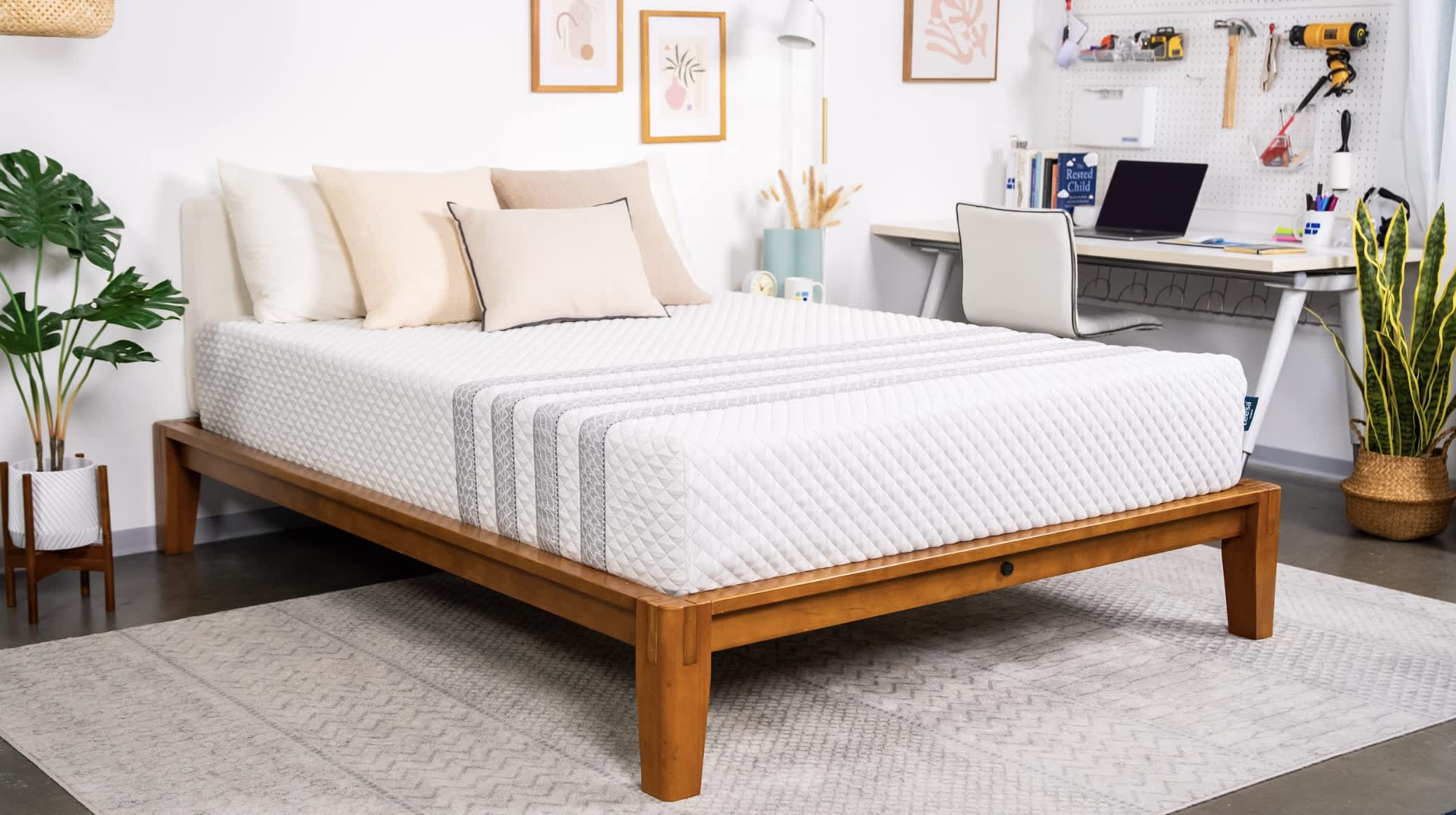
Best Luxury Mattress: Leesa Sapira Hybrid
Best Luxury Mattress
8.9/10Test Lab Score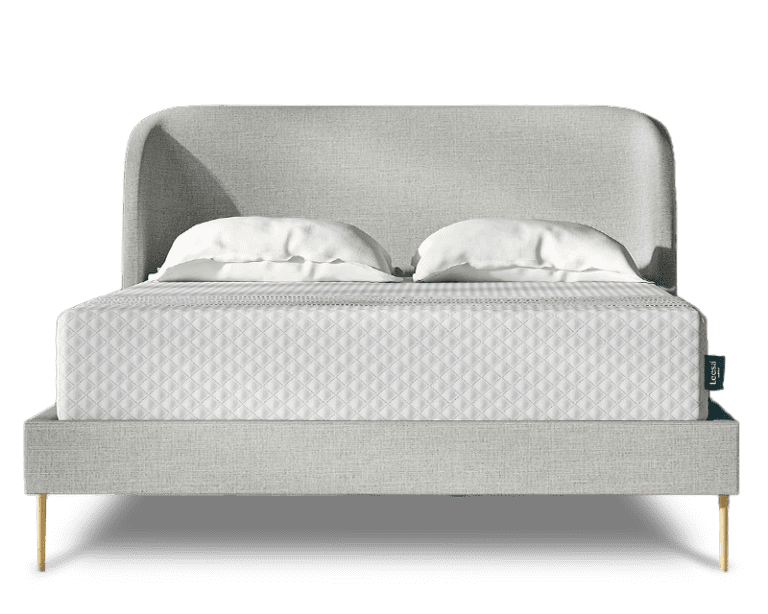
Leesa Sapira Hybrid
A foam hybrid that cushions you without sacrificing bounce or support.
Key Details
- Who It’s Best For: Side sleepers, as well as back sleepers between 130 and 230 pounds.
- Feel: Medium firm (6). Deeply cushioned and creates a pressure-relieving cradle around your body. Feeling of sleeping in their mattress without sinking into it.
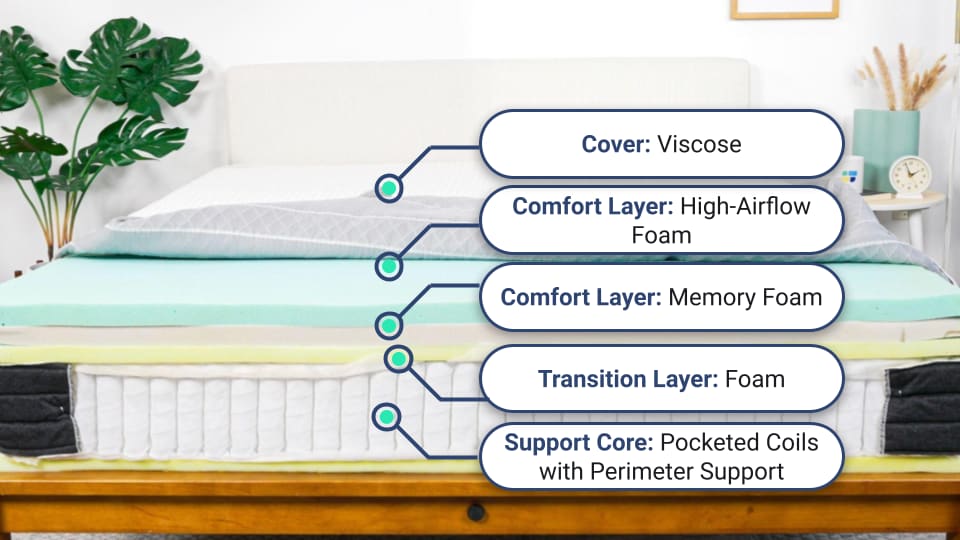
- What It’s Made Of: Comfort system is aerated polyfoam, memory foam, and standard polyfoam. Support core is six inches of pocketed coils and a stabilizing high-density polyfoam base.
- What We Don’t Like: Difficult for some people, particularly those with mobility concerns, to move around or change positions.
Scoring & Reviews
The following ratings show how suitable this mattress is for different sleeping positions and sleeper weights. These scores are determined by how well the mattress supports and relieves pressure for each sleeper type.
In addition to the hands-on feedback from our team, we conduct a number of quantitative tests in our Test Lab. The below ratings are based on the experience of our testers.
Performance
Hybrid mattresses are popular for their blend of cozy, contouring foam and responsive pocketed coils. The Leesa Sapira Hybrid makes the most of each of these features, then adds high-end touches like aerated open-cell polyfoam and a reinforced perimeter that might make this high-performing mattress worth the cost for many sleepers.
Construction Breakdown
The Leesa Sapira Hybrid combines foam and pocketed coil construction for a balanced sleep experience. The mattress starts with a polyfoam layer that provides a mix of bounce and conforming comfort. The second layer features memory foam for enhanced pressure relief and motion isolation, while the third polyfoam layer prevents excessive sinking.
The support core consists of thick pocketed innerspring coils, reinforced along the perimeter for added strength. These coils reduce motion transfer compared to traditional innerspring designs. Beneath the coils is a high-density polyfoam layer that stabilizes the structure and contributes to overall mattress stability.
The smooth polyester-blend cover wicks moisture to help prevent overheating. With a medium firm (6) feel, the Leesa Sapira Hybrid contours to pressure points while maintaining a firm, responsive surface for support and bounce.
Trial, Shipping, and Warranty
The Leesa Sapira Hybrid comes with a 120-night sleep trial with a 30-night break-in period, after which you can return it for a full refund. Additionally, the mattress is backed by a 10-year warranty that covers any defects in materials or workmanship.
Read More
Read Less
Most Comfortable Mattress: Layla Memory Foam Mattress
Most Comfortable Mattress
8.4/10Test Lab Score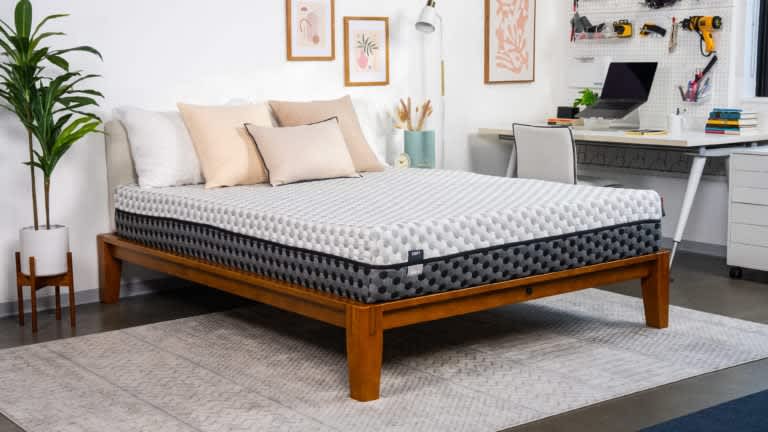

Layla Memory Foam Mattress
The gold standard of dual-sided mattresses with a pleasant memory foam feel.
Key Details
- Who It’s Best For: Side sleepers under 130 pounds (soft side) and back and stomach sleepers between 130 and 230 pounds (firm side).
- Feel: Softer side has a plush, deeply contouring feel with a comfortable “hug.” Firmer side is less cushioned, making it easier to move or change positions.
- What It’s Made Of: High-density polyfoam support core sandwiched between two comfort systems. The soft side features copper-infused memory foam and transitional polyfoam, while the firm side has a single 1-inch layer of copper-infused memory foam.
- What We Don’t Like: Firm side lacks motion isolation and contouring pressure relief.
Scoring & Reviews
The following ratings show how suitable this mattress is for different sleeping positions and sleeper weights. These scores are determined by how well the mattress supports and relieves pressure for each sleeper type.
In addition to the hands-on feedback from our team, we conduct a number of quantitative tests in our Test Lab. The below ratings are based on the experience of our testers.
Performance
Depending on which side you sleep on, the Layla Memory Foam Mattress has either a medium soft (4) or firm (7) feel, with varying amounts of sink and contouring. Supportive zoning helps ensure proper spinal alignment, while the copper-infused memory foam may deter microorganisms and sleep cooler than standard memory foam.
Construction Breakdown
The Layla is a flippable memory foam mattress. One side is medium-soft (4) and the other is firm (7). The memory foam comfort layers are infused with copper, which has natural cooling properties and can minimize heat buildup on the surface. The medium-soft side is also constructed with a convoluted polyfoam transitional layer to promote extra airflow.
The Layla also contains a shared support core of high-density polyfoam. This layer keeps your body on an even plane. A breathable and stretchy cover made from a blend of polyester, rayon, viscose, and poly-lycra.
Trial, Shipping, and Warranty
Layla’s 120-night sleep trial is available to Amazon customers, as is the bed’s non-prorated lifetime warranty.
Read More
Read Less
Best Mattress for Side Sleepers: Helix Midnight Luxe
Best Mattress for Side Sleepers
9.7/10Test Lab Score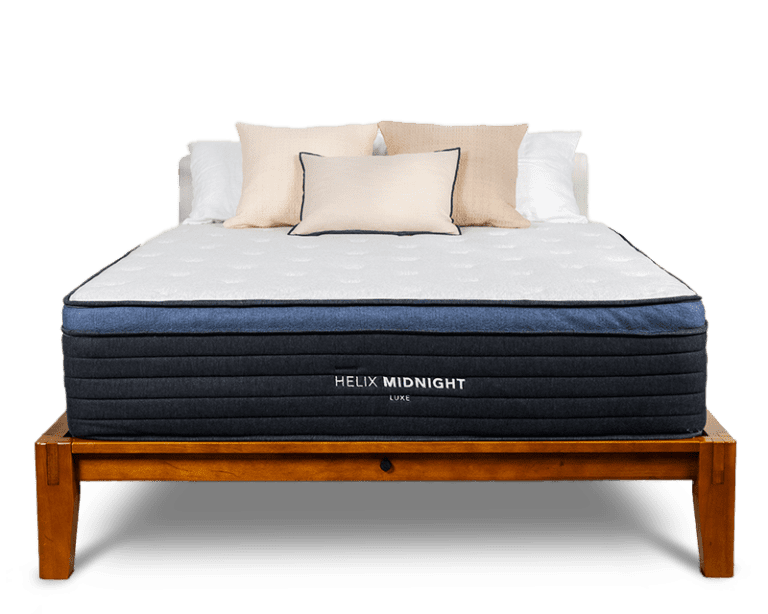
Helix Midnight Luxe
A foam-on coil hybrid that excels at pressure relief, motion isolation, and sleeper support.
Key Details
- Who It’s Best For: Side, back, and combination sleepers
- Feel: Medium firm (6) with a cushy, adaptive surface and zoned coil support.
- What It’s Made Of: Two layers of memory foam in the comfort system, followed by transitional polyfoam and multi-zone pocketed coils for support. The cover is a moisture-wicking Tencel fabric, and customers can upgrade to a luxury cooling cover.
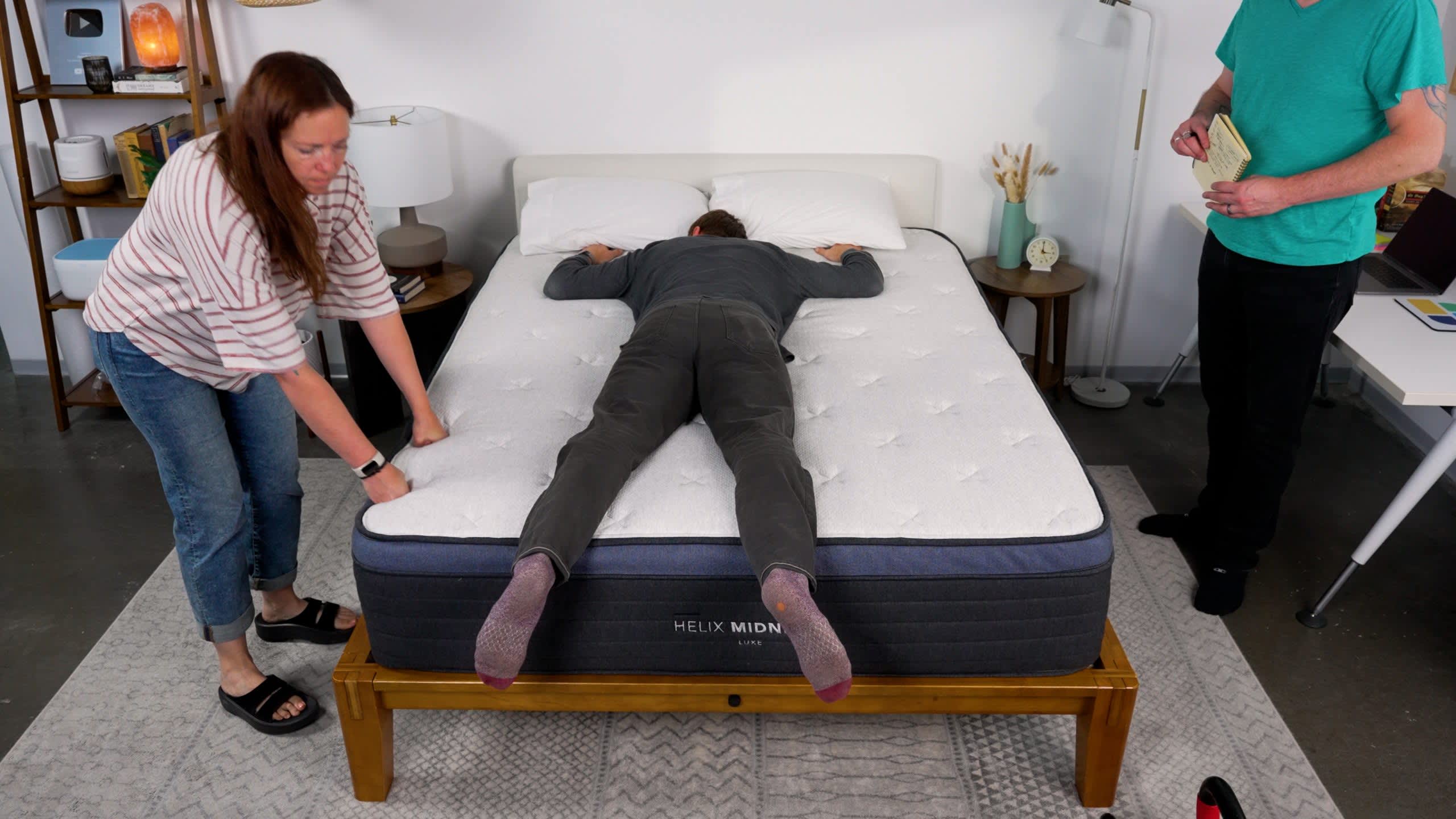
- What We Don’t Like: This mattress is designed with side sleepers in mind, so other people – especially stomach sleepers – may sink too much.
Scoring & Reviews
The following ratings show how suitable this mattress is for different sleeping positions and sleeper weights. These scores are determined by how well the mattress supports and relieves pressure for each sleeper type.
In addition to the hands-on feedback from our team, we conduct a number of quantitative tests in our Test Lab. The below ratings are based on the experience of our testers.
Performance
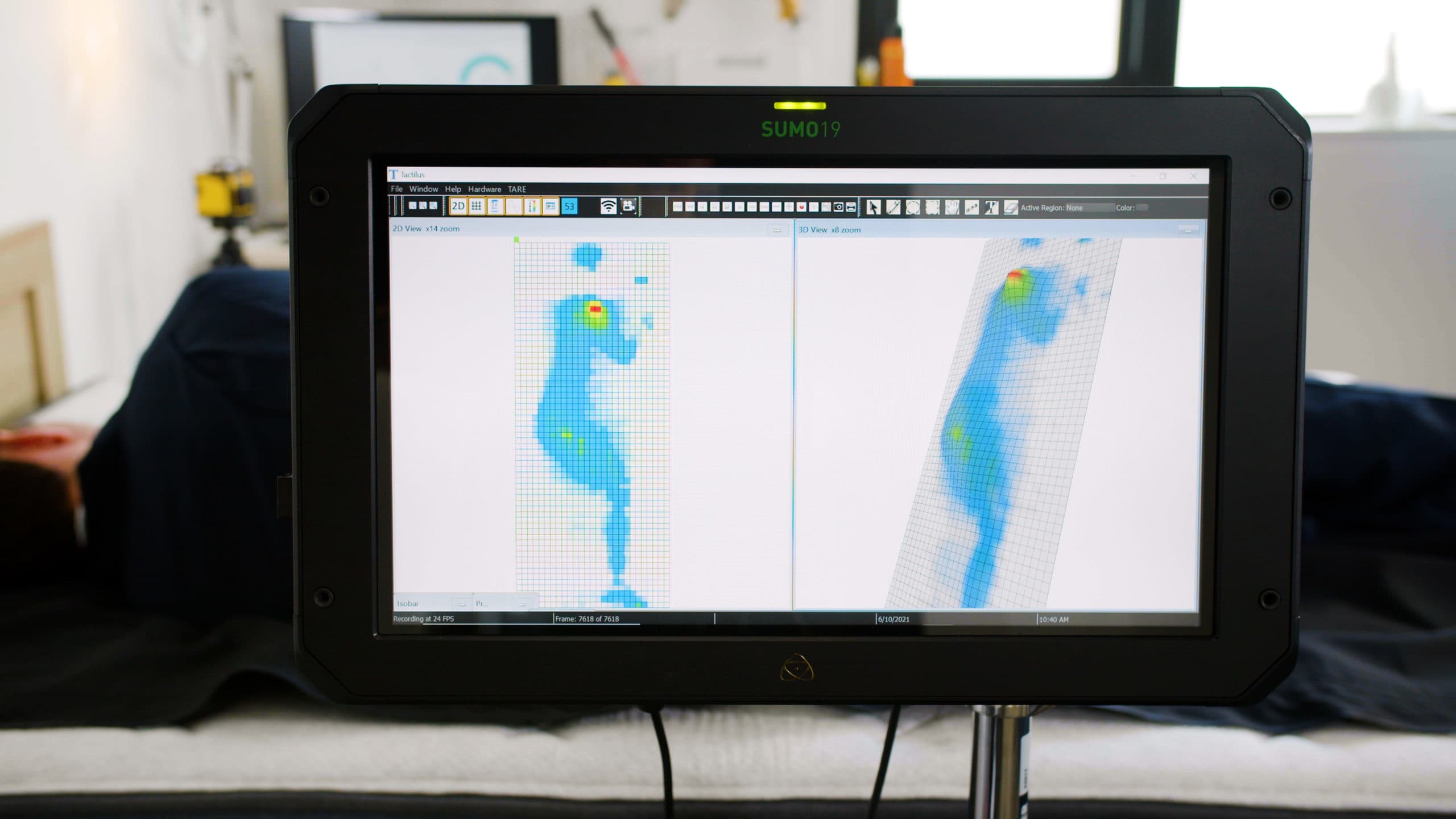
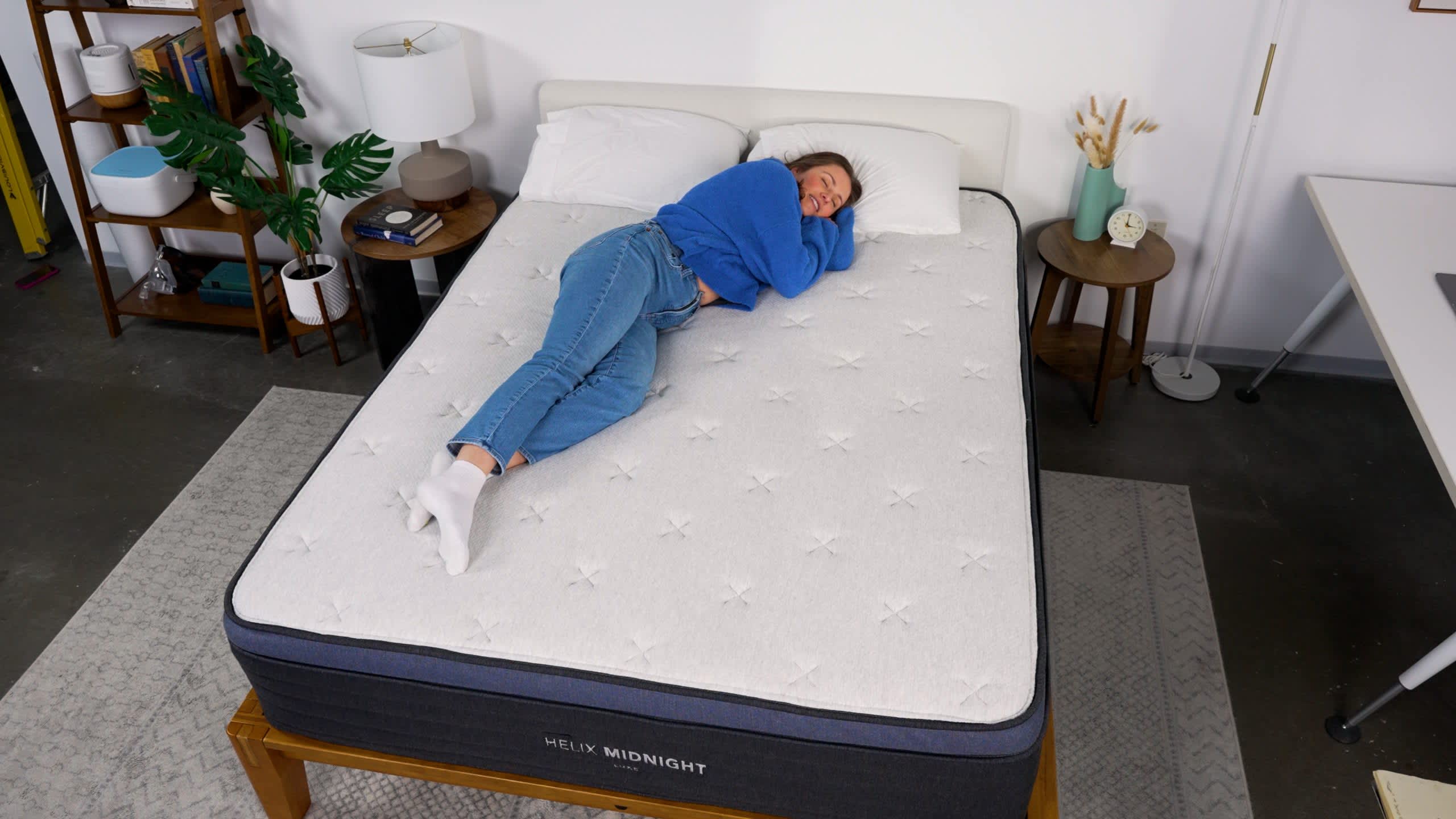
As our hands-on tests have shown time and again, your sleep position is one of the most important factors to consider when shopping for a new mattress. Helix makes this step easy for buyers because each mattress in the company’s lineup is designed for a specific type of sleeper. The Helix Midnight Luxe is our top pick for side sleepers, but our team also found the mattress provided enough surface-level cushioning and midsection support for most back sleepers up to 230 pounds.
Construction Breakdown
The Midnight Luxe begins with two top layers of memory foam sewn into a Euro-top cover. These materials respond to changes in temperature by becoming softer, so the surface feels quite plush and adaptive. Denser transitional foam adds some cushioning, but also provides a gentle barrier between your body and the support system.
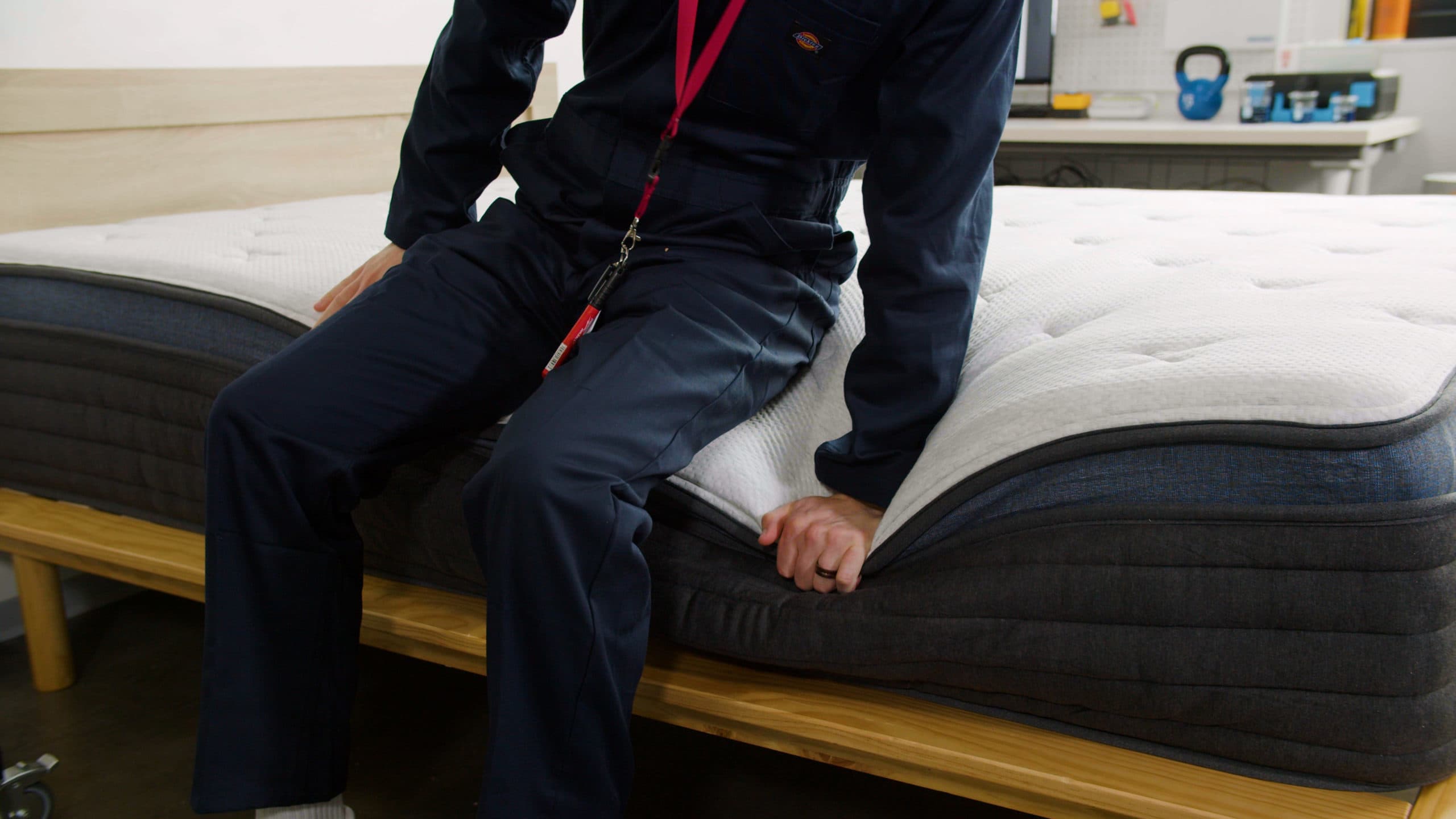
Pocketed coils make the Midnight Luxe feel sturdy and robust, and you’ll notice a light bounce when you change sleep positions. The coils are zoned with thicker springs resting beneath your torso and hips, which ensures your midsection won’t dip too much into the mattress. Perimeter coils are also reinforced to bolster edge support.
Standard-issue Helix Midnight Luxe covers are made from Tencel, a eucalyptus-derived textile that feels silky-smooth and wicks moisture away from your body. You can upgrade to GlacioTex, a specialty fabric engineered to feel cool to the touch at all times.
Trial, Shipping, and Warranty
The Midnight Luxe’s sticker price is on par with the average luxury hybrid. Helix offers a 120-night sleep trial with all orders on Amazon. If you decide to keep the mattress after the return period ends, your purchase is also covered under a lifetime warranty against manufacturing defects.
Read More
Read Less
Best Mattress for Back Pain: Plank Firm
Best Mattress for Back Pain
8.5/10Test Lab Score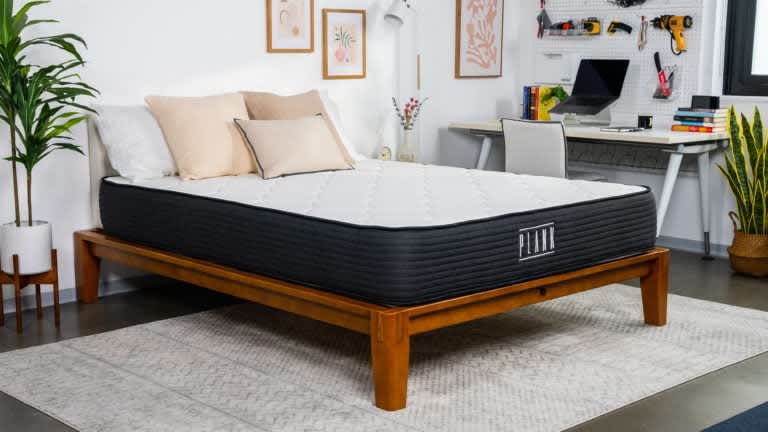
Plank Firm
A reversible foam mattress with an ultra-supportive feel on both sides.
Key Details
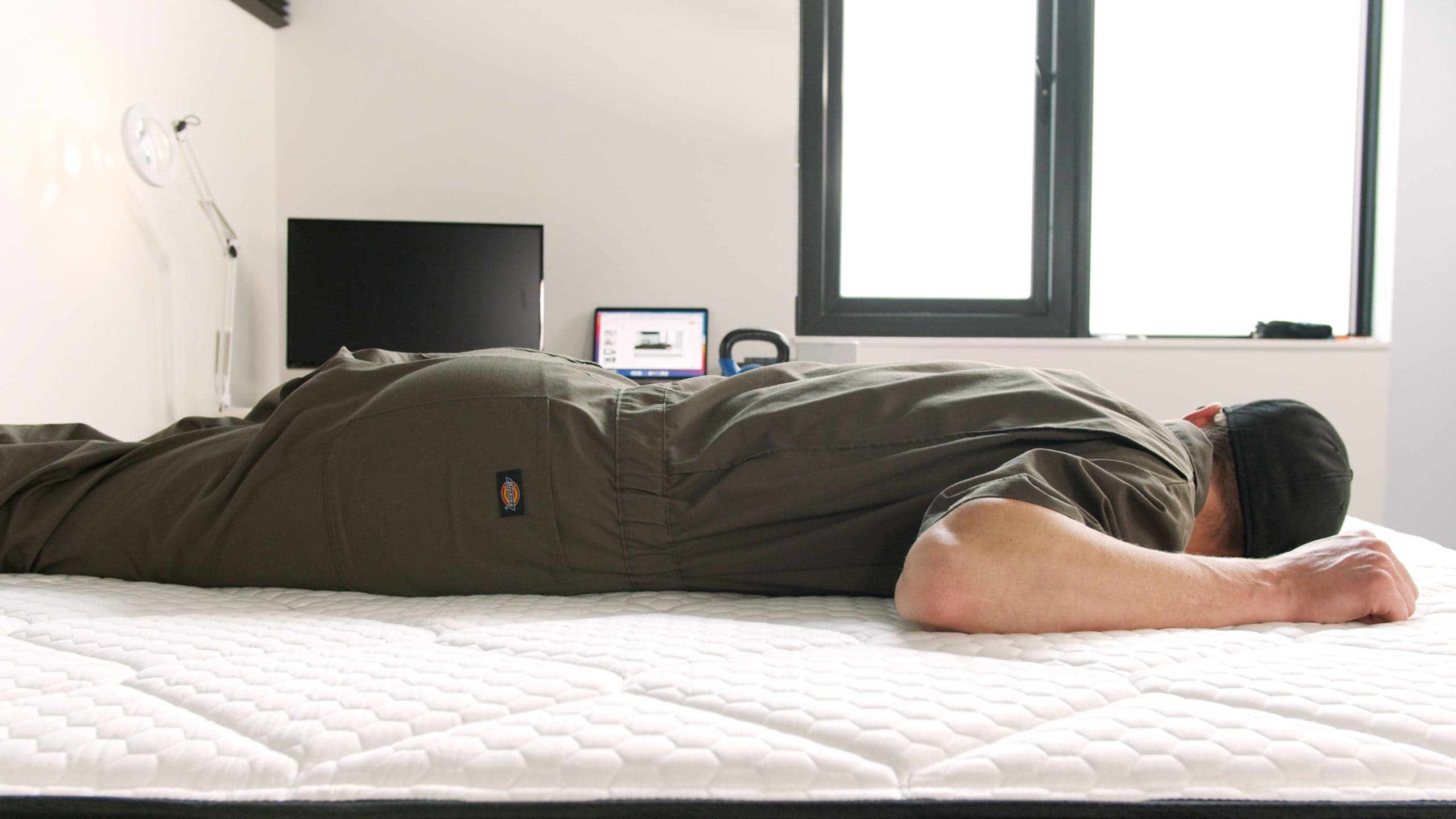
- Who It’s Best For: Back and stomach sleepers over 130 pounds.
- Feel: Firm (7) and extra firm (9) sides. Minimally contouring with very little sink. The firm side is noticeably more pressure-relieving than the extra firm side.
- What It’s Made Of: A layer of quilted foam, which is paired on the firm side with a layer of proprietary latex-alternative polyfoam. A 7-inch layer of high-density polyfoam provides support for both sides.
- What We Don’t Like: Some people appreciate its extra-supportive feel, while others find that the lack of contouring can cause pressure points or muscle stiffness.
Scoring & Reviews
The following ratings show how suitable this mattress is for different sleeping positions and sleeper weights. These scores are determined by how well the mattress supports and relieves pressure for each sleeper type.
In addition to the hands-on feedback from our team, we conduct a number of quantitative tests in our Test Lab. The below ratings are based on the experience of our testers.
Performance
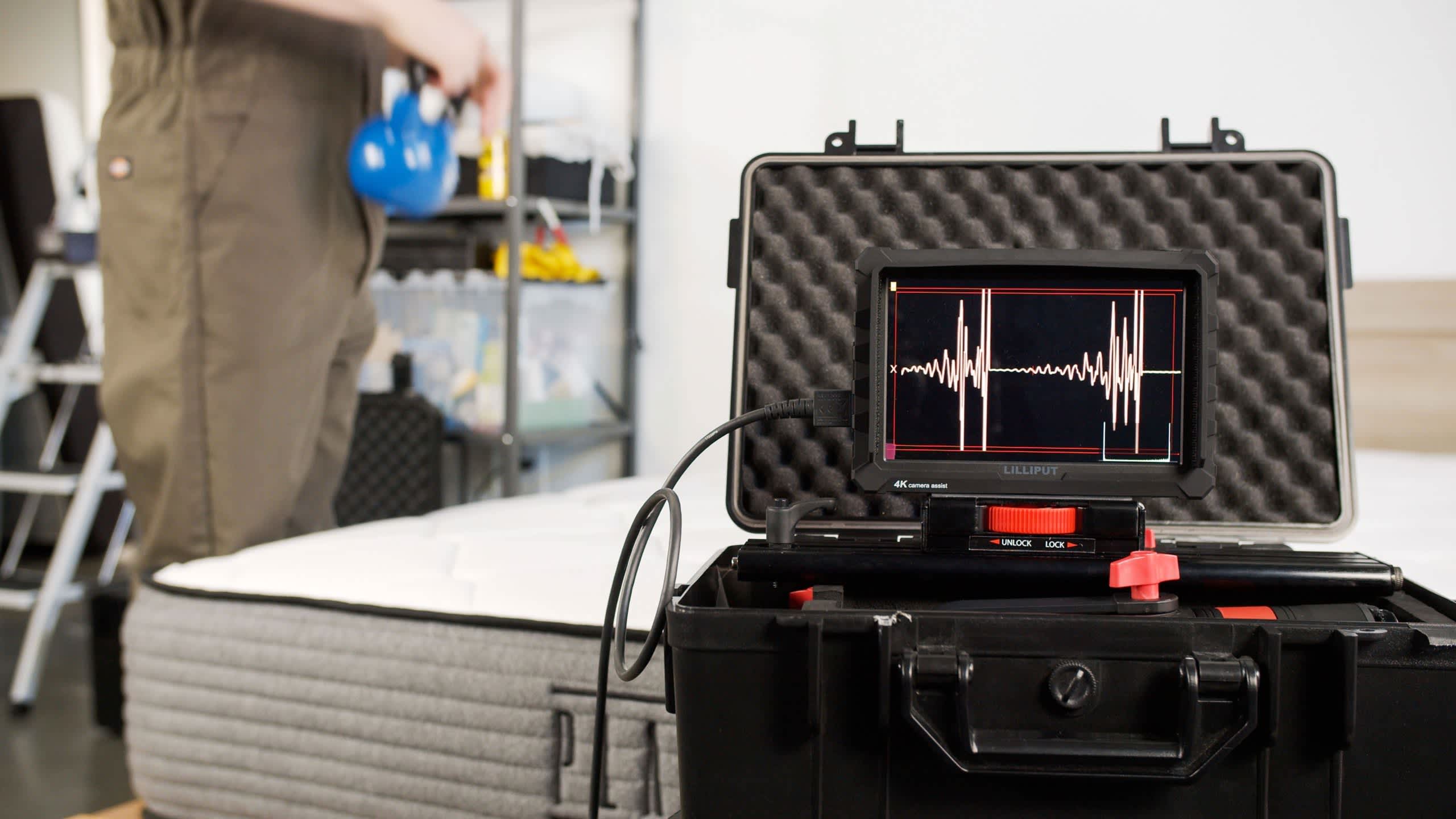
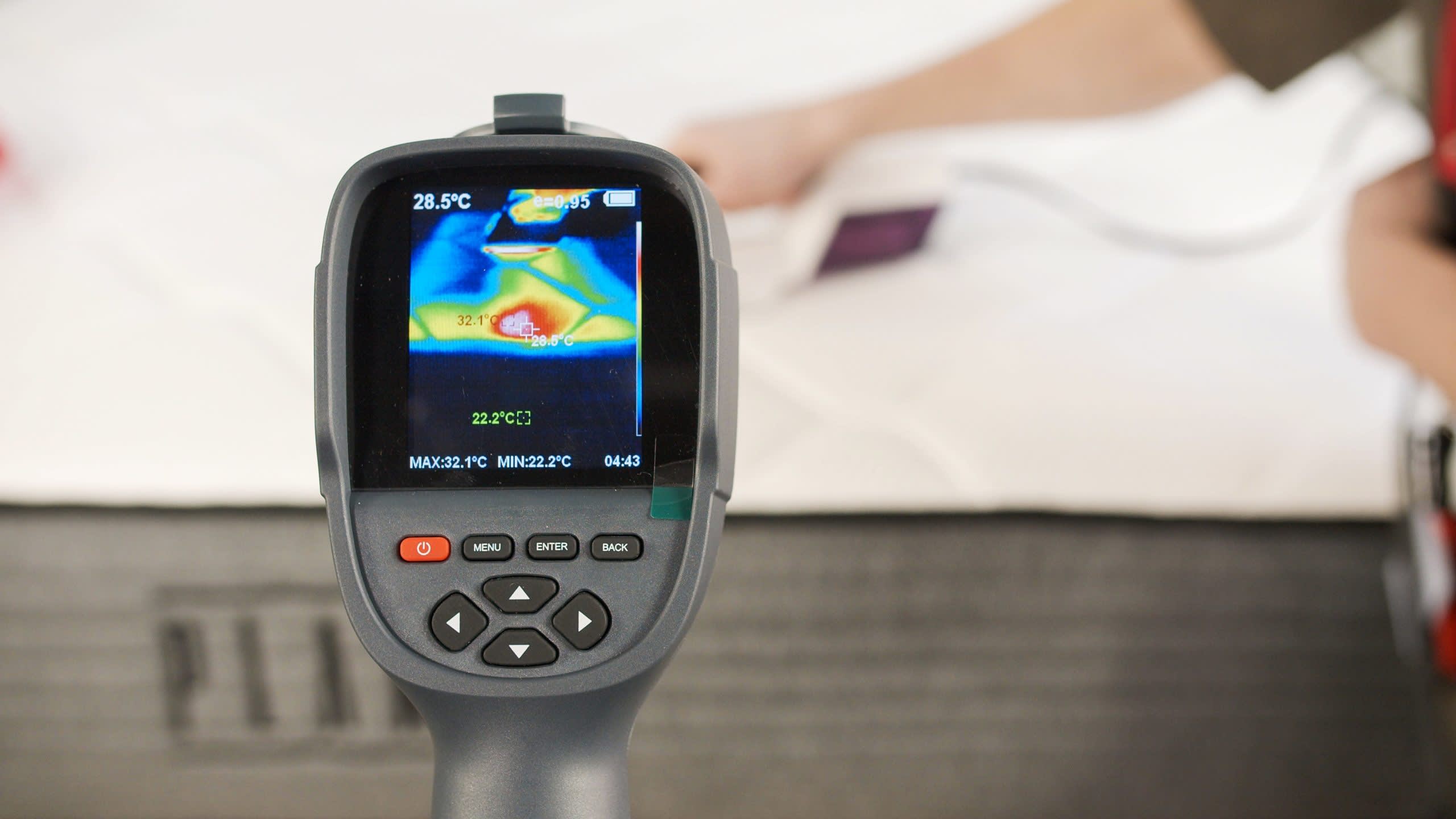
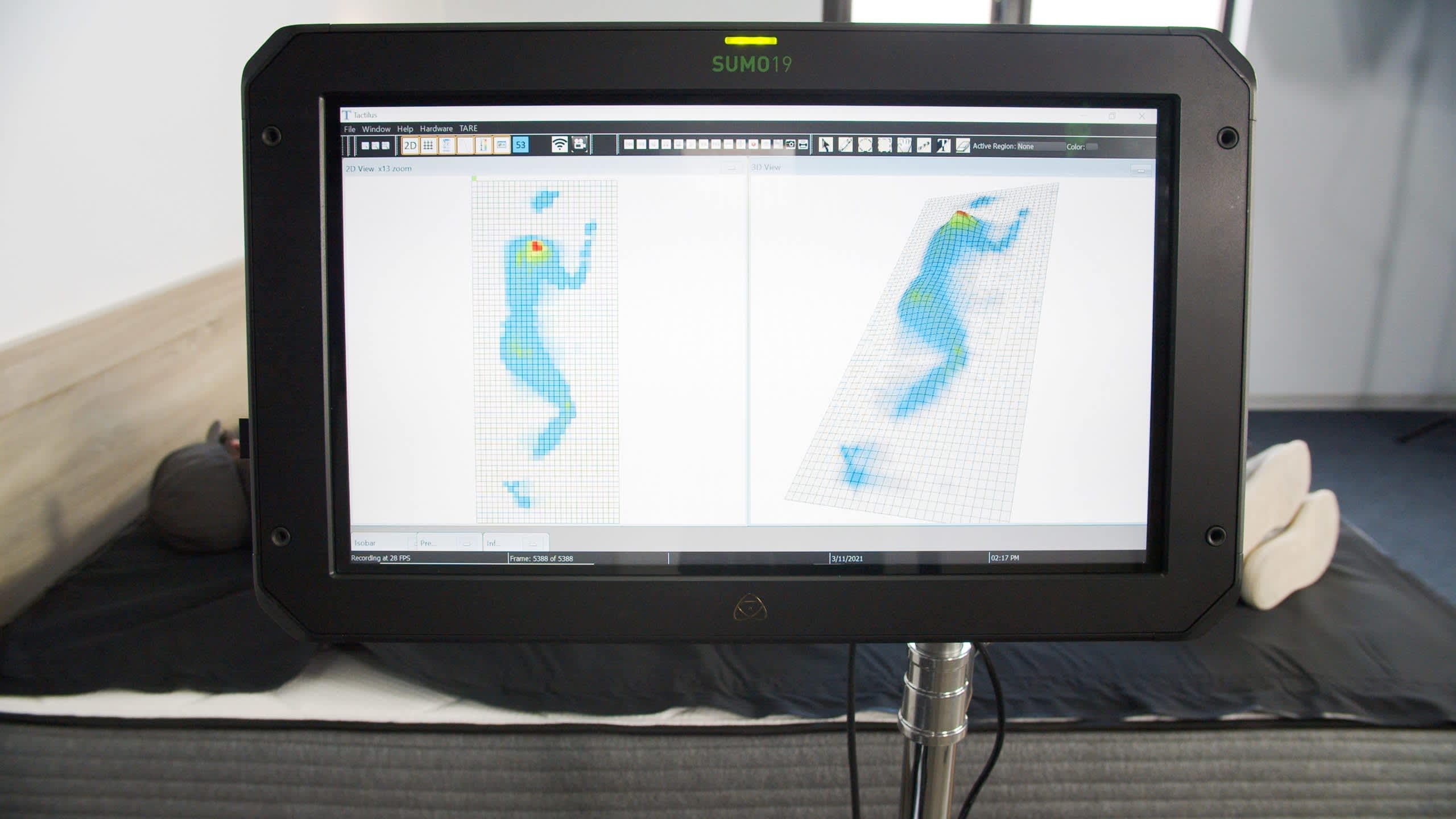
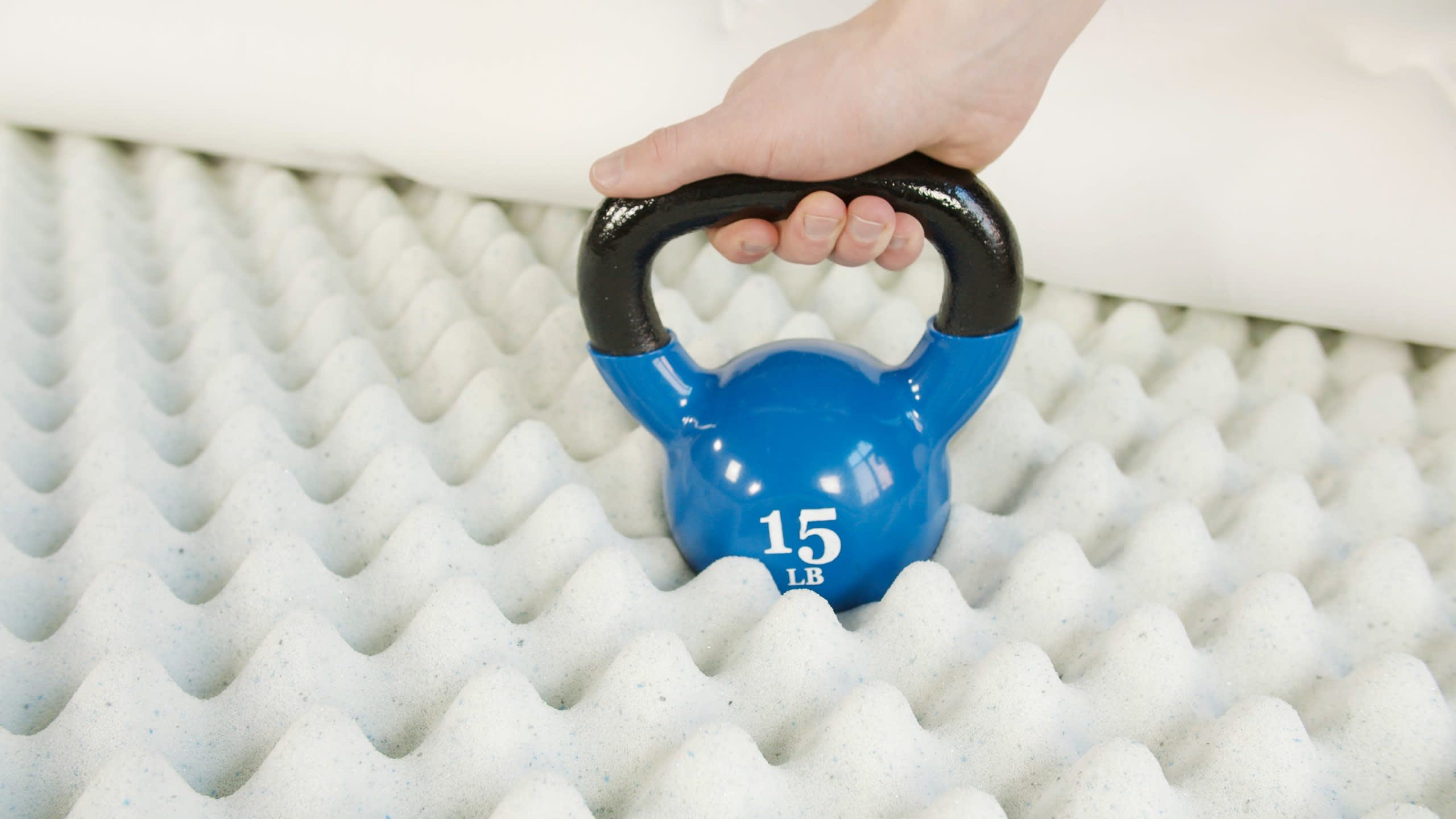
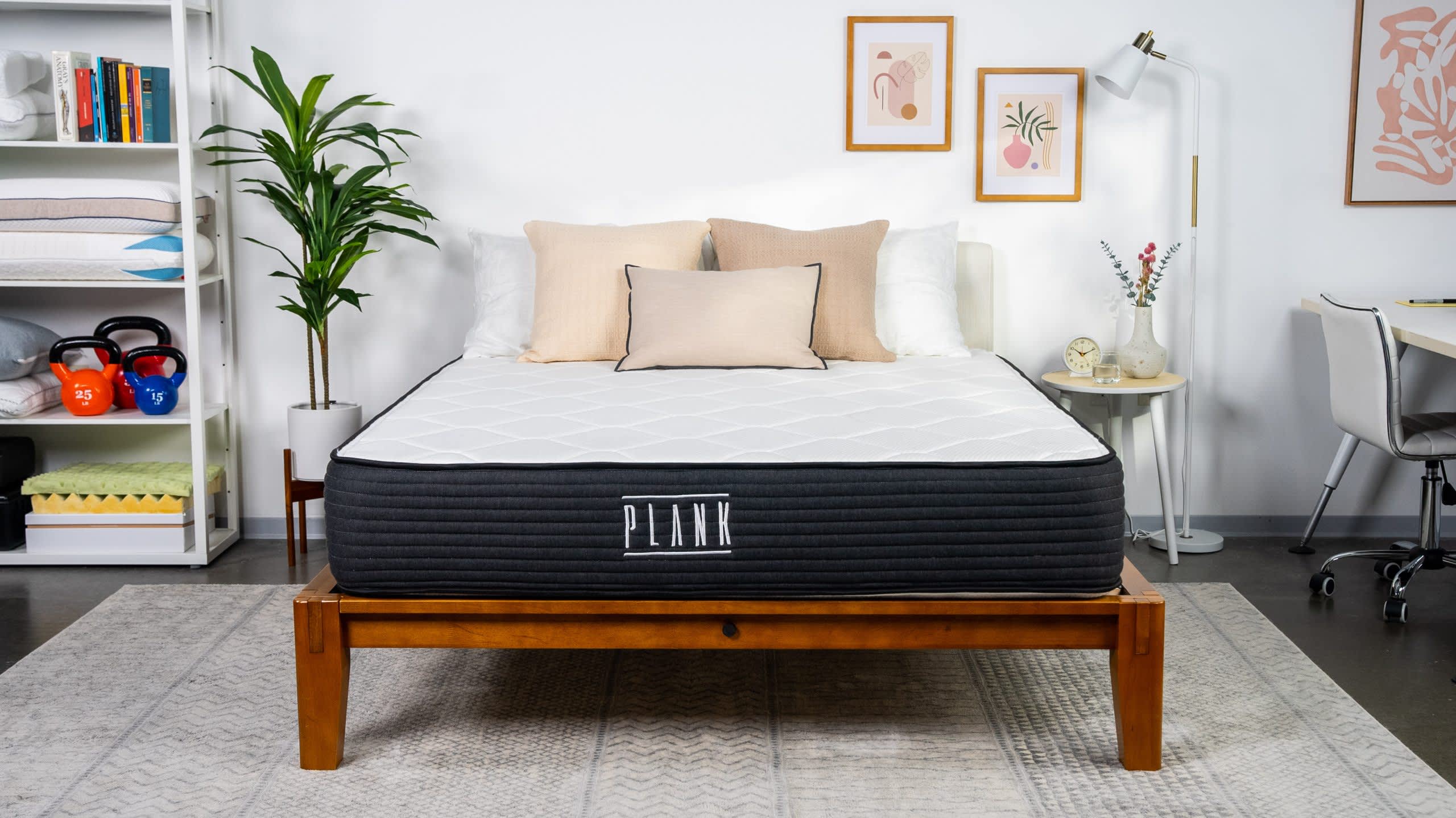
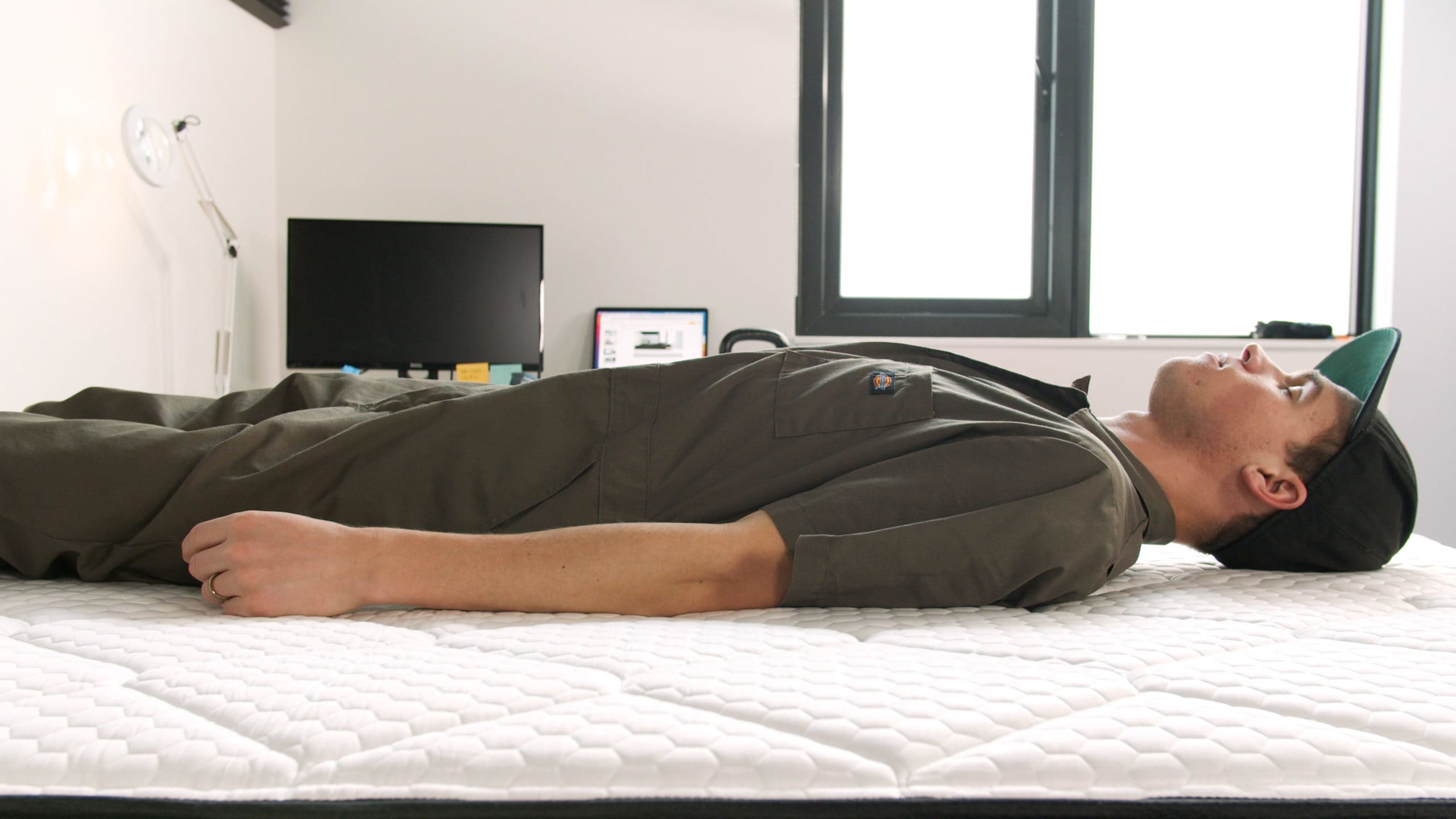
The dual-sided Plank Firm is one of the sturdiest all-foam mattresses available on Amazon. One side has a firm (7) feel, while the other side makes sense of this bed’s name with an extra firm (9) feel. Despite being made from foam, the Plank Firm sleeps relatively cool even without the optional cooling panel.
Construction Breakdown
The Plank Mattress is a flippable all-foam model offering two firmness levels. One side is firm (7), and the other is extra firm (9), allowing sleepers to choose their preferred level of support.
The firm side starts with a 0.75-inch layer of medium-density 1.5 PCF quilting foam, offering moderate contouring and breathability. Beneath that, a 2-inch layer of TitanFlex foam provides deep compression support and responsiveness similar to latex, preventing excessive sinking. The extra firm side features a 1.5-inch layer of firm 1.5 PCF quilting foam, creating a solid, even plane with little give.
Both sides are supported by a 7-inch 1.8 PCF polyfoam core, which adds durability and ensures even support.
The mattress is wrapped in a four-way stretch knit cotton cover, and an optional cooling panel with phase change material (PCM) is available for an additional charge to regulate temperature and promote a cooler sleep surface.
Trial, Shipping, and Warranty
The Plank Mattress includes a 120-night sleep trial with a 30-night adjustment period before initiating a return. The mattress is also backed by a 10-year warranty, which covers defects such as sagging, foam indentations over 1 inch deep, and other manufacturing flaws.
Read More
Read Less
Best Mattress for Pressure Relief: Titan Plus Core
Best Mattress for Pressure Relief
8.9/10Test Lab Score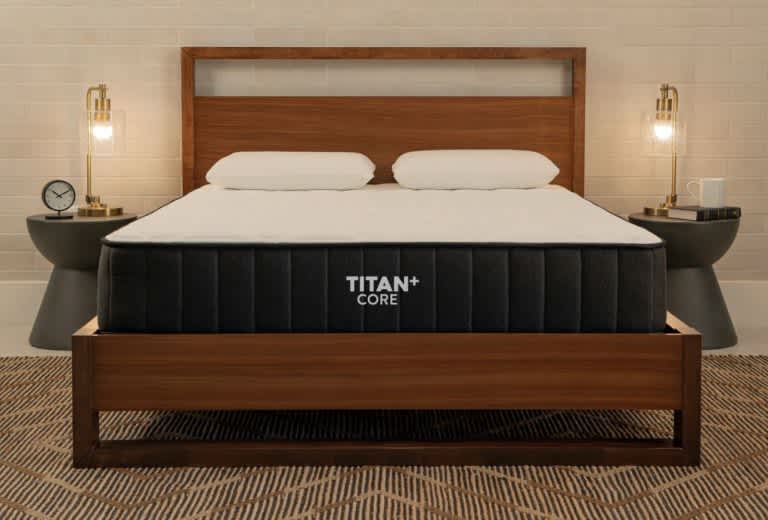
Titan Plus Core
A firm hybrid that provides excellent support for heavier people.
Key Details
- Who It’s Best For: Sleepers over 230 pounds, as well as stomach and back sleepers between 130 and 230 pounds.
- Feel: Bouncier with less sink and plenty of pushback, giving it an extra-supportive feel.
- What It’s Made Of: One-inch layer of memory foam and a 2-inch layer of latex-alternative polyfoam. Pocketed coils rest on high-density polyfoam.
- What We Don’t Like: Not as pressure-relieving for sleepers under 230 pounds.
Scoring & Reviews
The following ratings show how suitable this mattress is for different sleeping positions and sleeper weights. These scores are determined by how well the mattress supports and relieves pressure for each sleeper type.
In addition to the hands-on feedback from our team, we conduct a number of quantitative tests in our Test Lab. The below ratings are based on the experience of our testers.
Performance
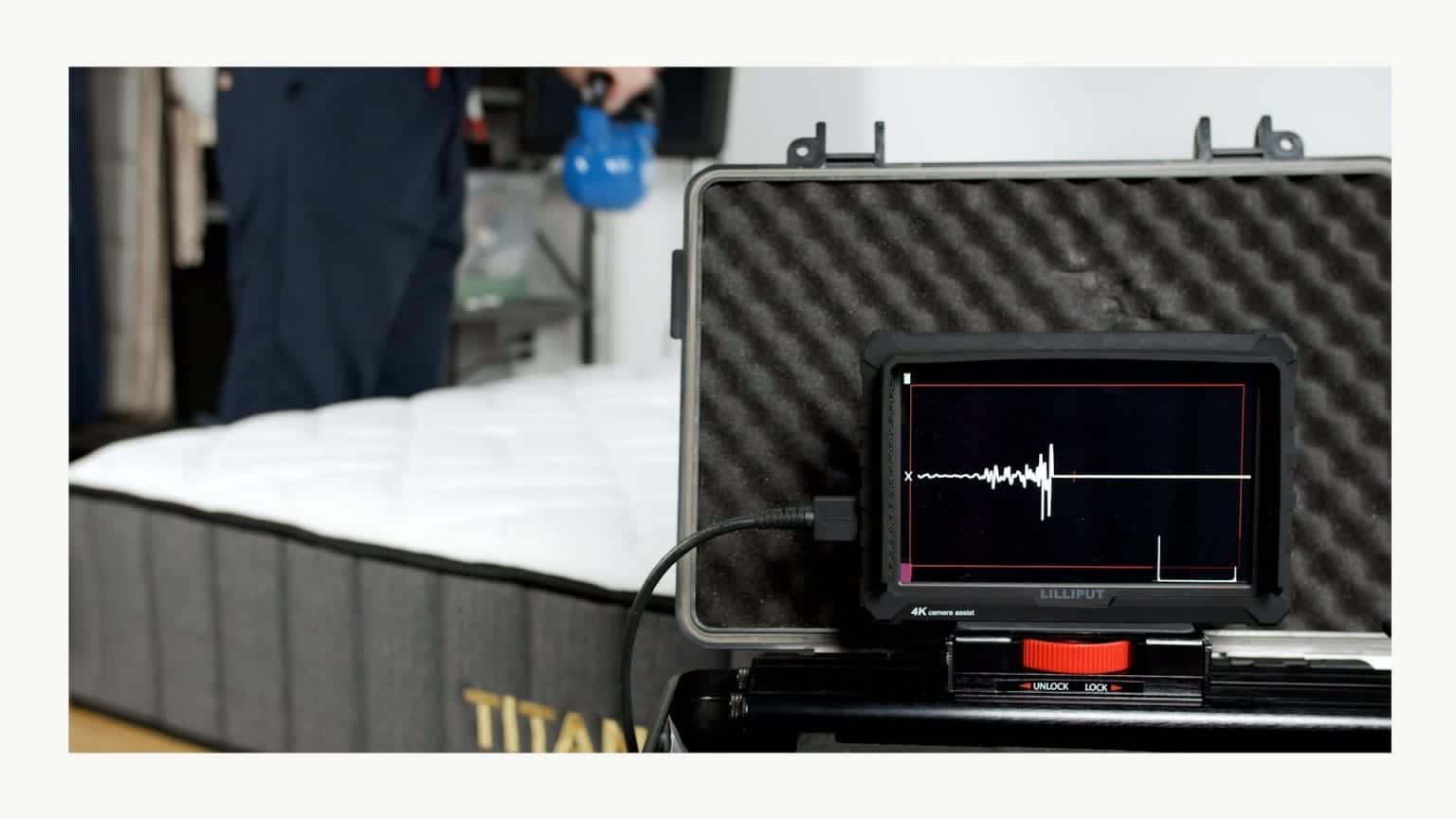
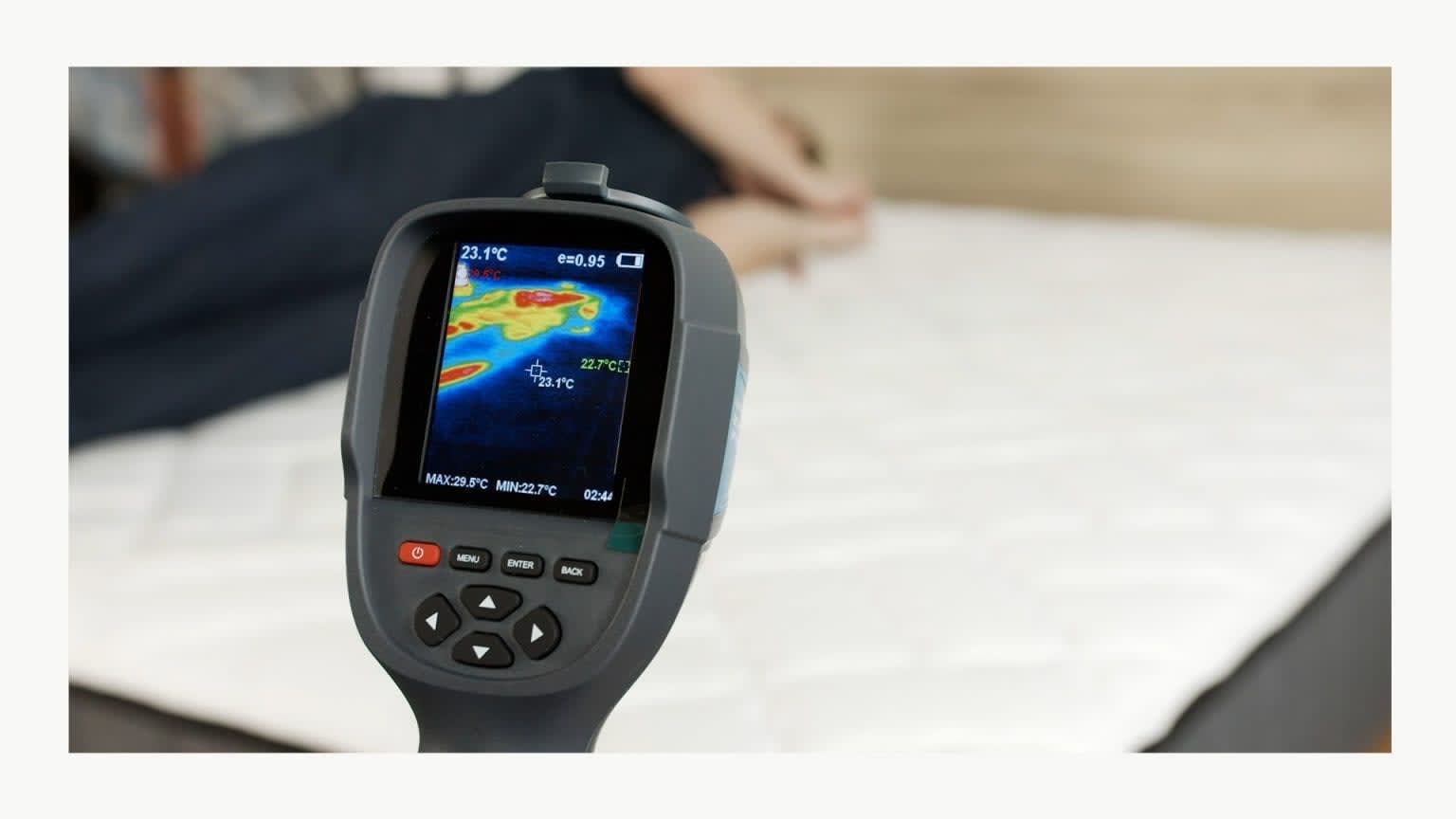
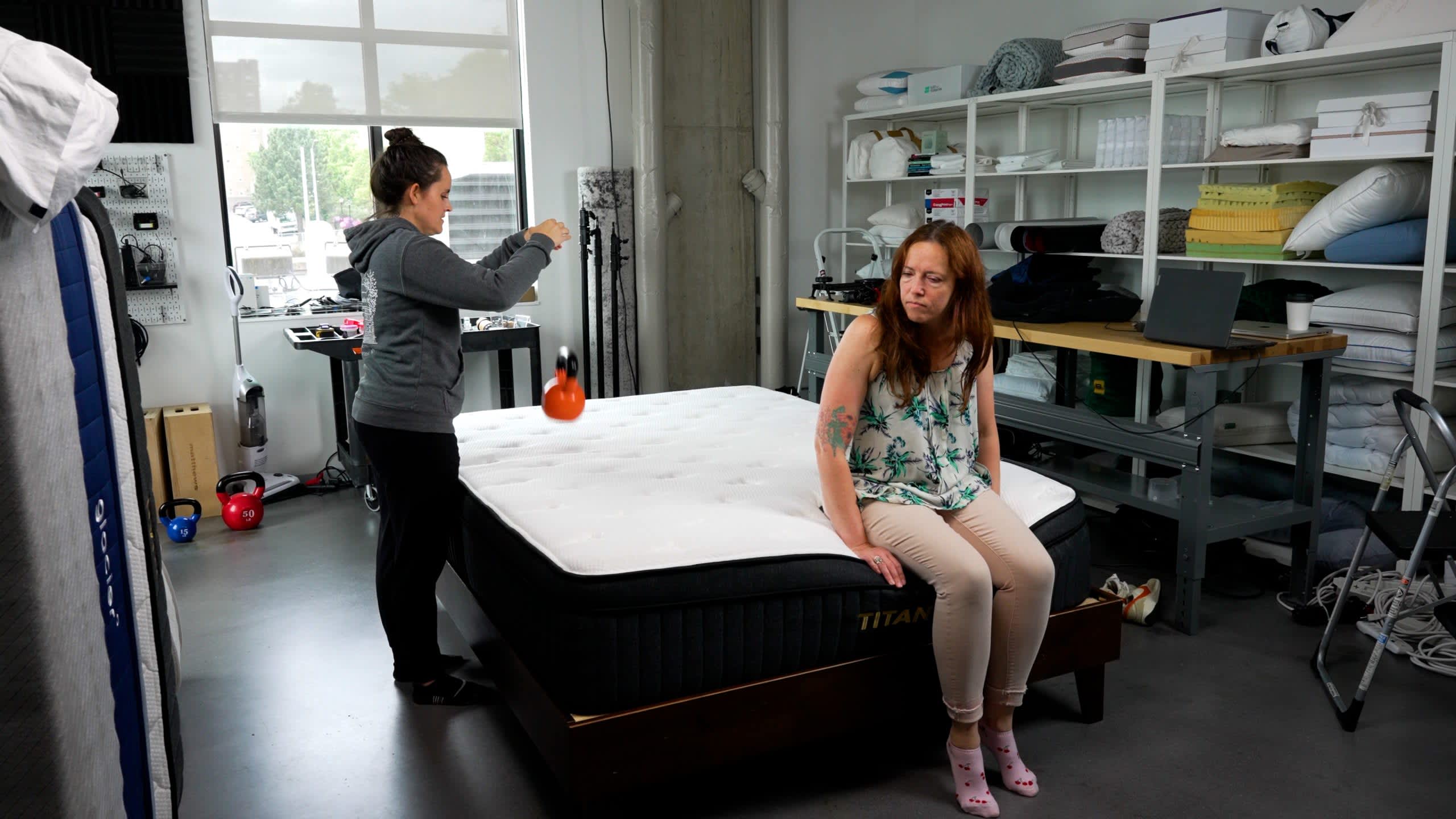

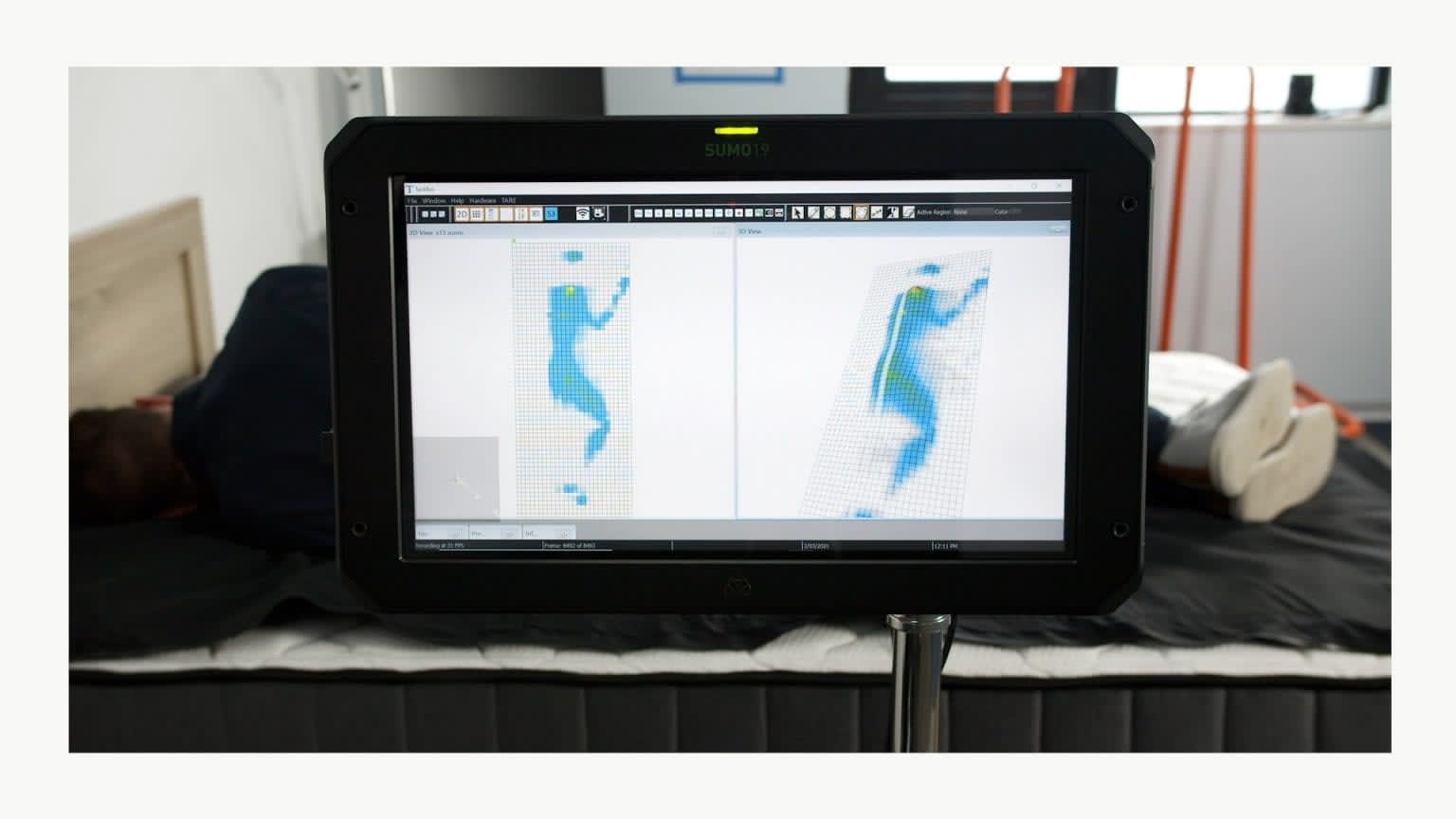
With a firm (8) yet balanced feel, the Titan Plus is a hybrid mattress that performs well across a wide range of categories. Thanks to a layer of TitanFlex, a dense and responsive latex-alternative polyfoam, it’s able to provide soothing pressure relief with minimal contouring and sink.
Construction Breakdown
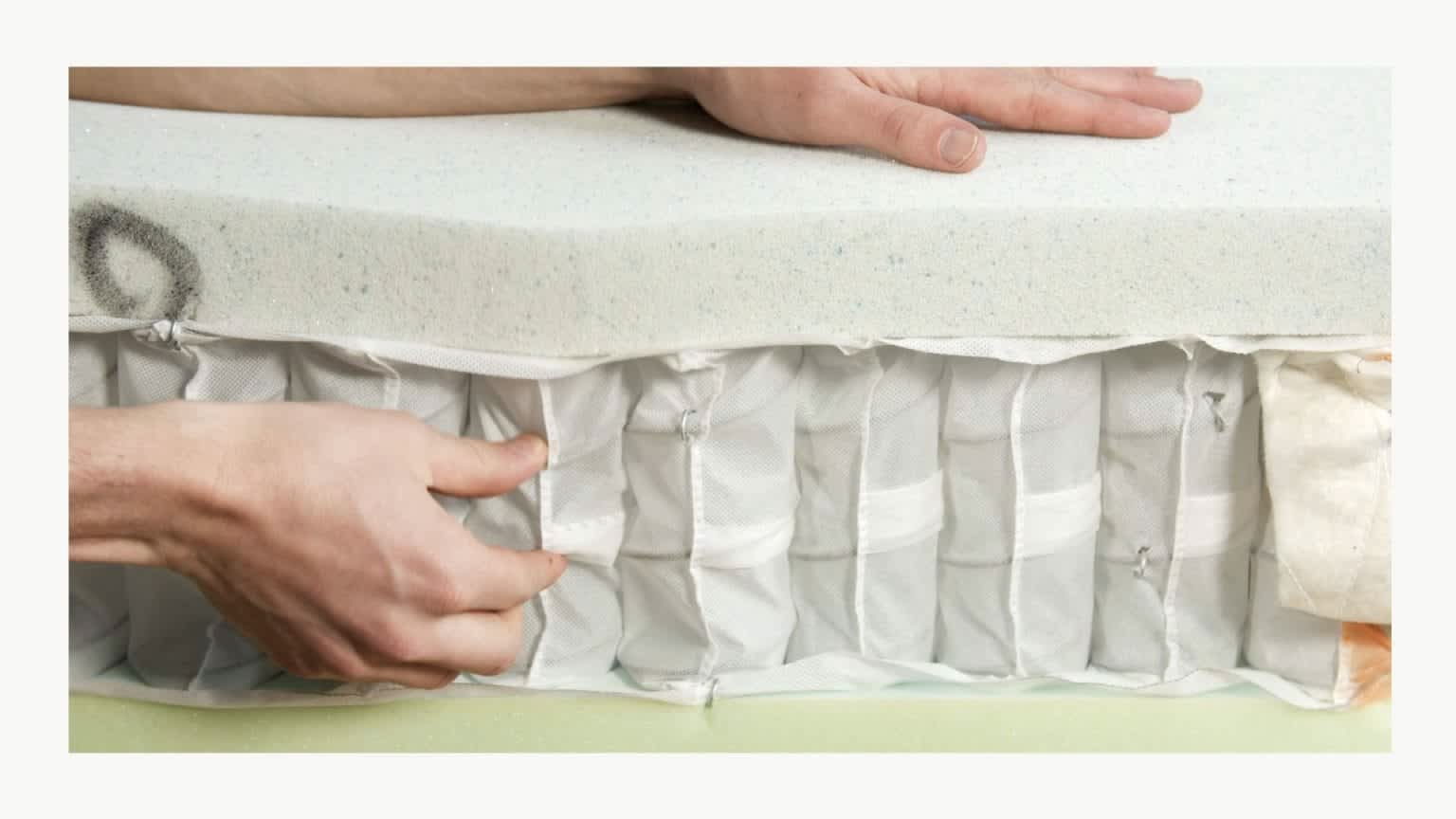
The Titan Hybrid’s core features 6 inches of 13.5-gauge pocketed coils, reinforced with 2 inches of ultra-firm polyfoam at the base. Each coil is individually wrapped, allowing for targeted support, reduced motion transfer, and enhanced durability.
Above the coils, the mattress includes 2 inches of TitanFlex polyfoam, a proprietary material that feels responsive and durable with minimal sinkage. A 1-inch layer of gel-infused memory foam provides pressure relief and cooling. While these comfort layers are thinner and firmer than average, they contribute to the Titan’s reputation as one of the firmest hybrids on the market.
The mattress is covered with a quilted cotton knit that’s soft, breathable, and durable. For hot sleepers, an optional upgrade features phase change material to actively regulate temperature by drawing heat away from the body.
Trial, Shipping, and Warranty
Amazon will ship the Titan free for Prime members and the mattress includes a 30-day return policy. Brooklyn Bedding mattresses come with a full 10-year warranty.
Read More
Read Less
Best Mattress for Combination Sleepers: Zinus Green Tea Memory Foam
Best Mattress for Combination Sleepers
7.5/10Test Lab Score
Zinus Green Tea Memory Foam
A budget-friendly foam bed with a wide range of thickness options.
Key Details
- Who It’s Best For: Budget shoppers looking for a memory foam mattress with a wide range of profile and thickness options at a reasonable price.
- Feel: Available in several firmness levels, each with a distinct balance of cushioning and pushback to accommodate different types of sleepers. All designs feel adaptive on the surface due to the memory foam comfort layer, and none of them are overly bouncy.
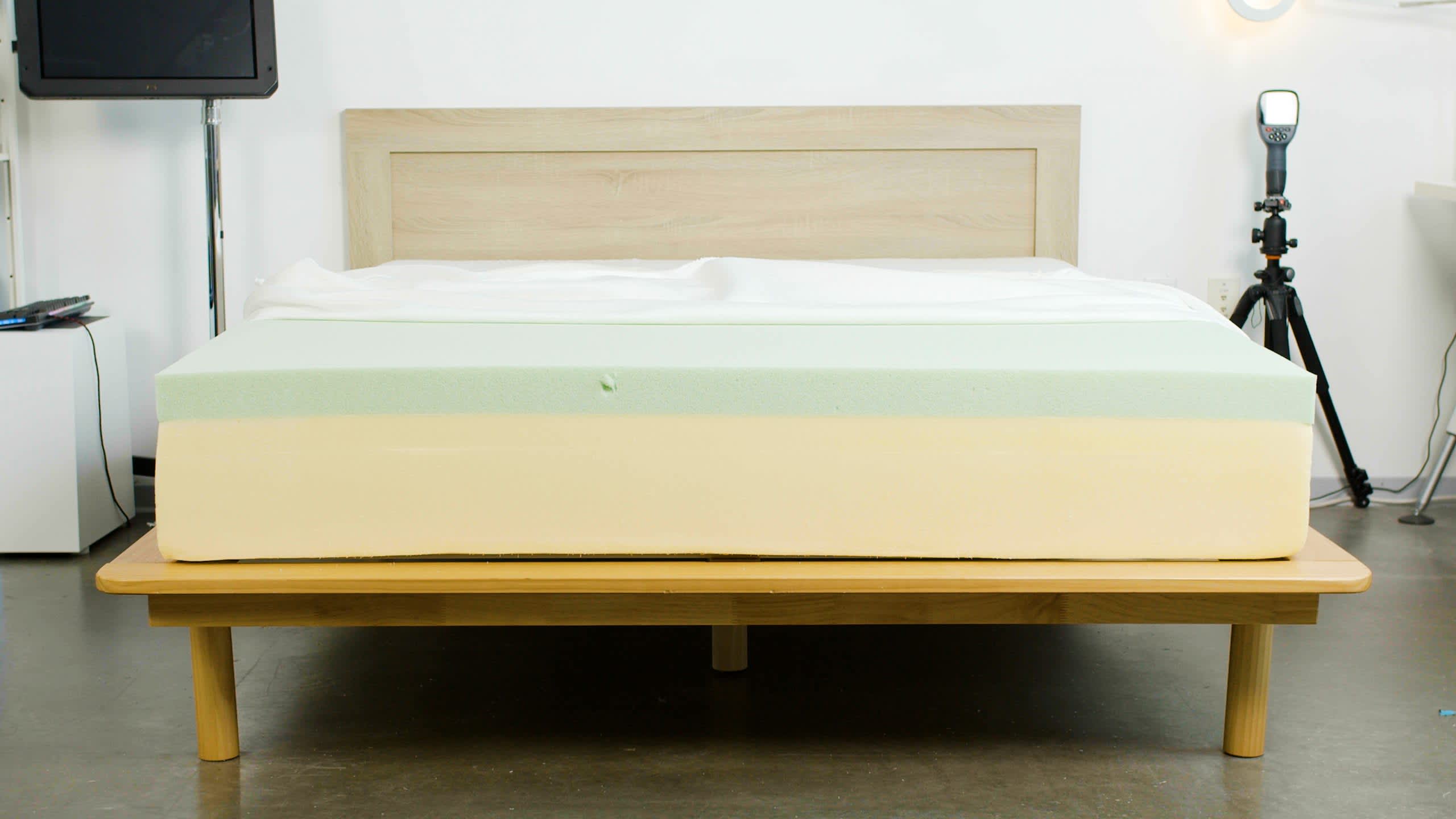
- What It’s Made Of: A three-layer design consisting of cooling memory foam, transitional polyfoam, and high-density base foam. A knit polyester cover encases the mattress.
- What We Don’t Like: Edge support is fairly limited for all designs, and the initial off-gassing odor can be quite strong and persist for several nights after the mattress is unboxed.
Scoring & Reviews
The following ratings show how suitable this mattress is for different sleeping positions and sleeper weights. These scores are determined by how well the mattress supports and relieves pressure for each sleeper type.
In addition to the hands-on feedback from our team, we conduct a number of quantitative tests in our Test Lab. The below ratings are based on the experience of our testers.
Performance
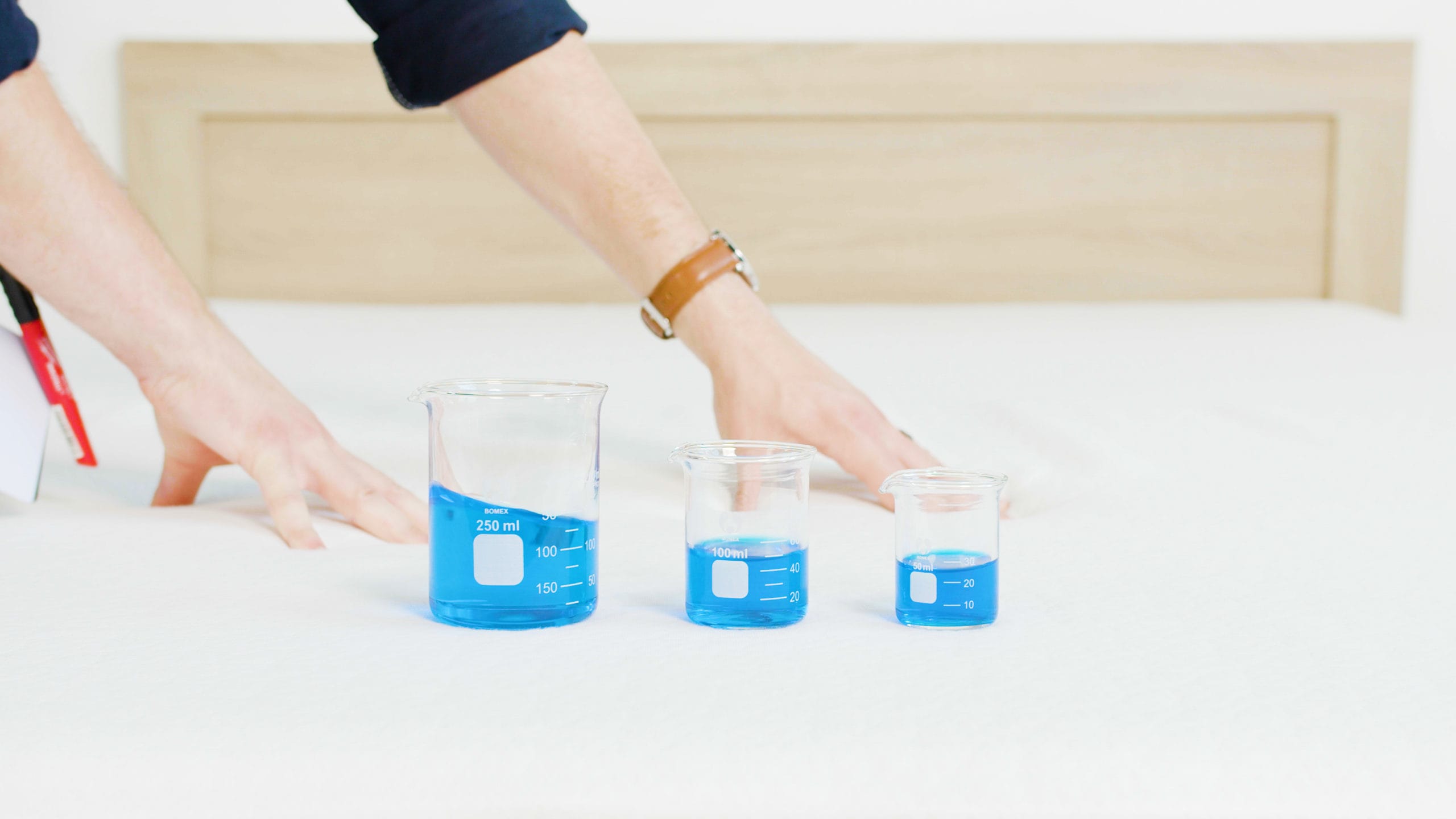
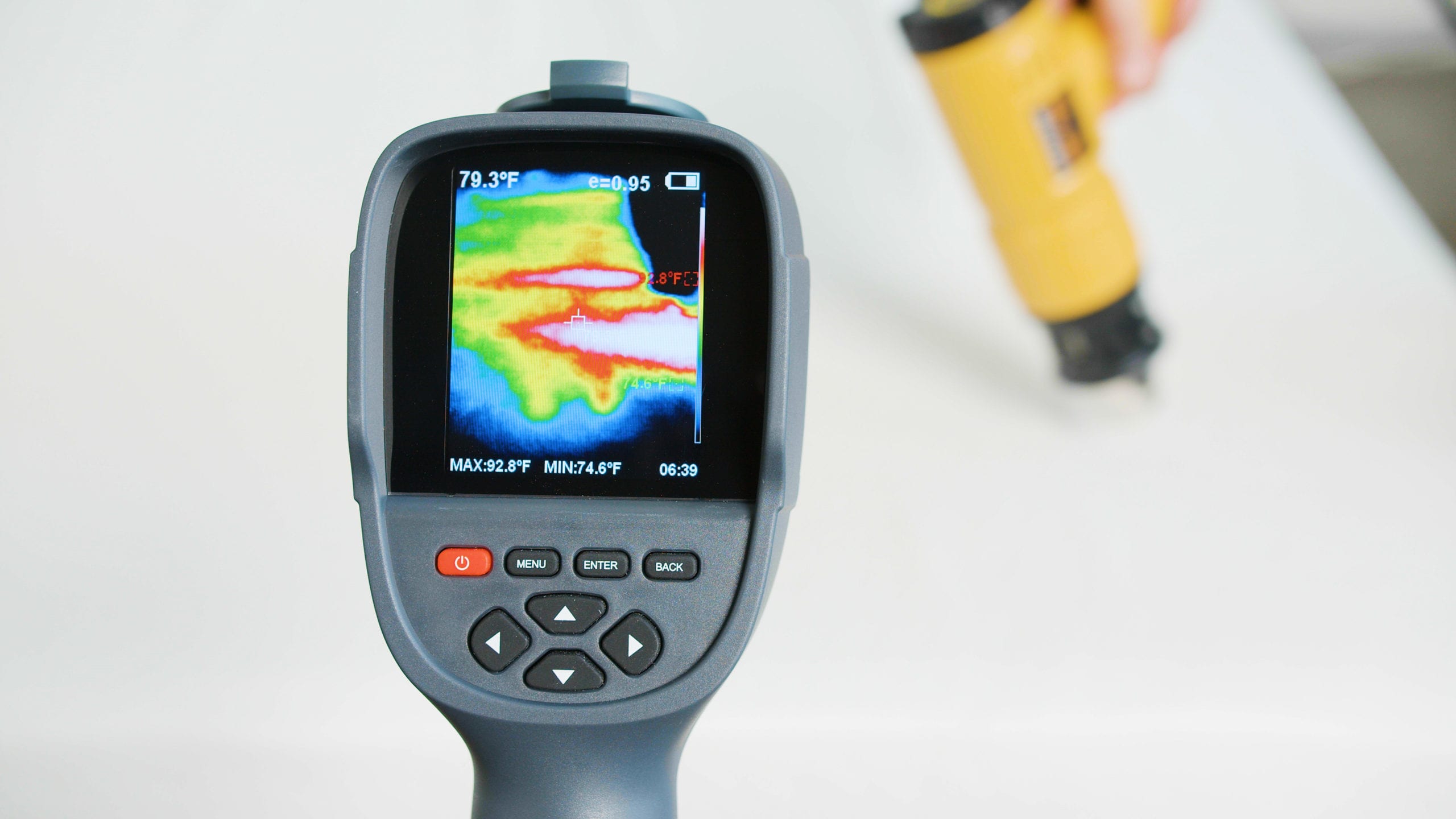
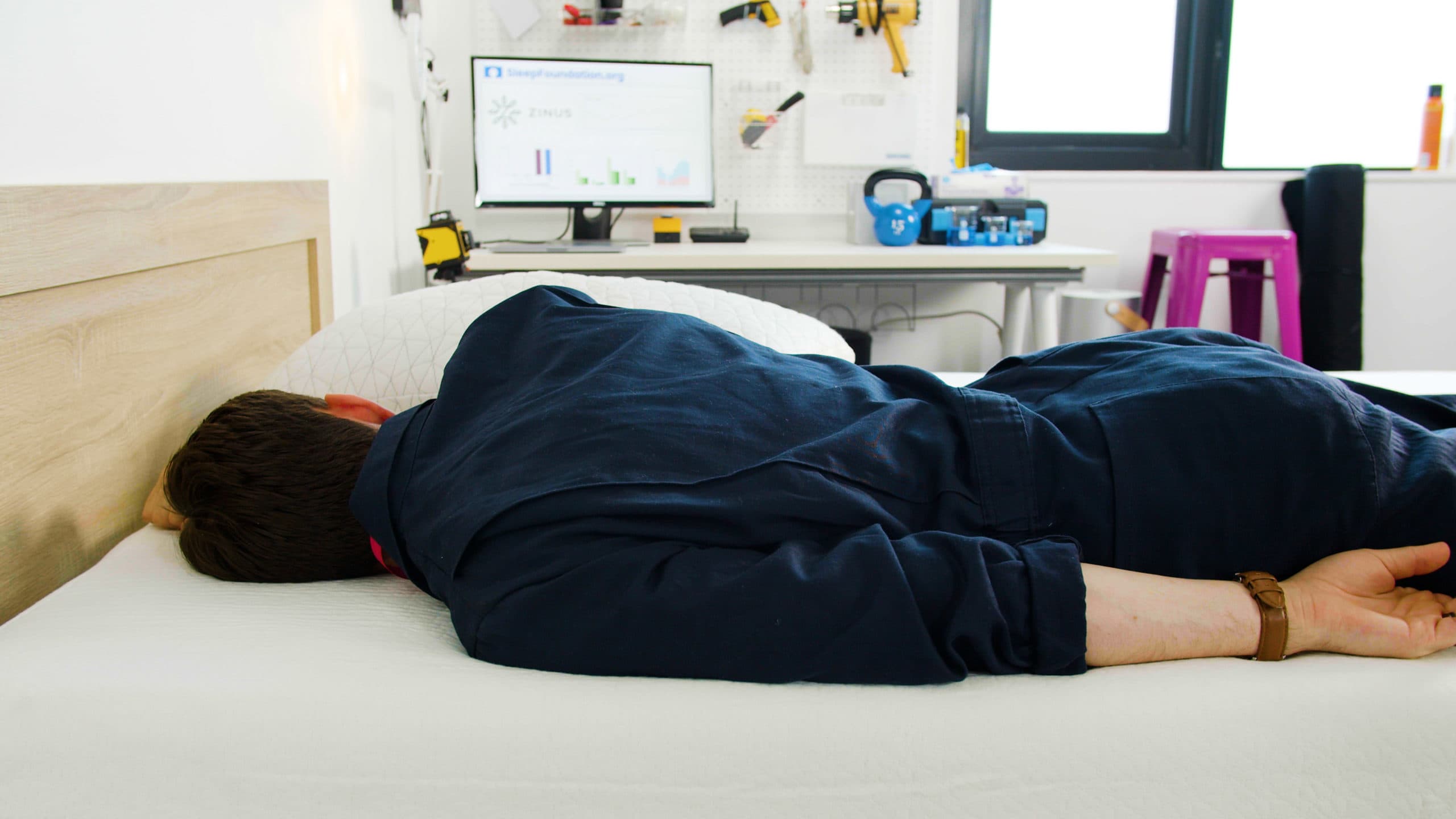
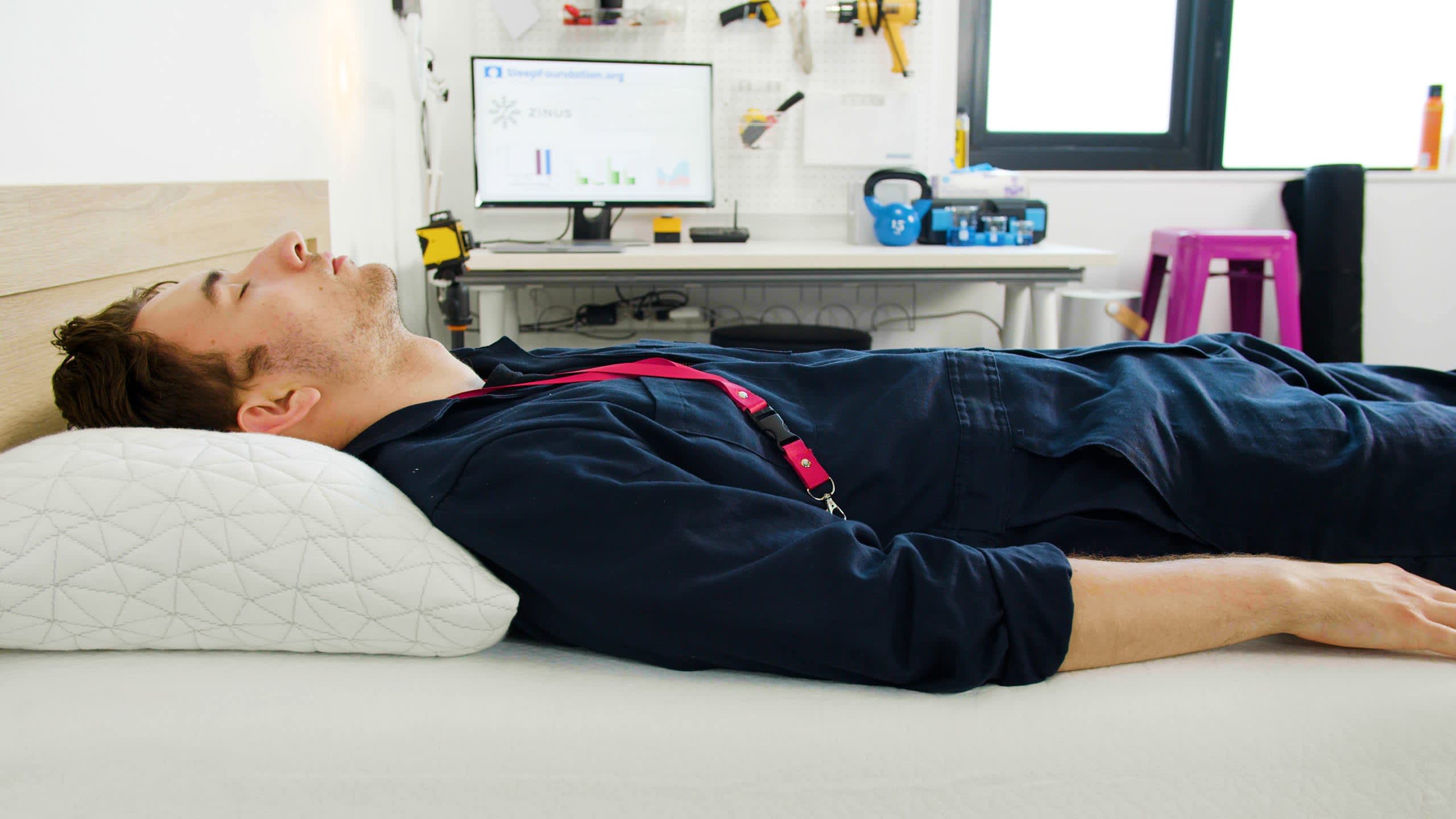
Combination sleepers should consider a mattress that feels comfortable in all of their various sleep positions and provides enough bounce to prevent them from sinking when they’re adjusting their body. The Zinus Green Tea Memory Foam — one of the top-selling mattress models on Amazon — is available in a slew of different profiles ranging from 5 to 14 inches thick, and each one offers a different conforming level to accommodate sleepers across different weight groups. We’re confident most combo sleepers can find at least one version of the Green Tea Memory Foam that feels comfortable and supportive for their various positions.
Construction Breakdown
The Zinus Green Tea Memory Foam contains three individual layers, but the thickness and density of these layers depends on which firmness you choose. Memory foam infused with cooling green tea and charcoal gives the surface a plush, adaptive feel with gentle molding around your body’s unique curves, which can help promote even alignment. Transitional polyfoam buffers the comfort layer, giving the design additional cushioning while preventing you from sinking too deeply into the mattress.
A support core of high-density base polyfoam stabilizes the Green Tea Memory Foam. You’ll notice some lack of reinforcement along the perimeter, which is common in all-foam mattresses and may cause you to compress the edges a lot when you get in and out of bed. If you’re a combination sleeper who frequently changes sleep positions, one of the firmer and most responsive designs can help ensure you won’t feel hindered by the mattress when rotating your body.
Profiles of 5, 6, 8, 10, 12, and 14 inches are available. The firmness options range from medium soft (4) to firm (7).
Trial, Shipping, and Warranty
With or without an Amazon Prime membership, your Zinus Green Tea Memory Foam qualifies for free and fast shipping when you order from Amazon.com. The sleep trial runs for 30 nights, and Zinus backs the order with a 10-year warranty against manufacturing defects.
Read More
Read Less
How to Buy a Mattress on Amazon
The process for purchasing an item on Amazon.com is fairly straightforward and user-friendly. Follow this sequence to complete your purchase.
- Log into your Amazon or Amazon Prime account.
- Visit the Amazon product page for the mattress you’d like to buy. Review the product information, user questions, reviews, and price one last time to ensure this is the right bed for you. Click the correct size, as well as your desired profile if the mattress is available with more than one thickness option.
- Double-check the seller to ensure you are buying your mattress from the manufacturer, and not a third-party reseller. The seller’s information will be linked next to the name of the mattress at the top of the page. To see whether or not the model is in stock, refer to the top right corner of the page. ‘In Stock’ will appear in green letters, and ‘Out of Stock’ will appear in red letters.
- Check the shipping options, which will be listed next to the price. Amazon offers free standard ground shipping on eligible items that cost $25 or more, and most mattress models are considered eligible. If you are an Amazon Prime member, you may qualify for expedited shipping and other perks.
- If you have other items to buy, click the yellow ‘Add to Cart’ button near the top of the page on the right-hand side; you can access your cart at any time by clicking the shopping cart icon in the top right corner. If the mattress is your only purchase, click the orange ‘Buy Now’ button in the same location.
- If you have not done so already, you’ll be asked to enter your address and phone number, along with any specific delivery instructions, such as a keycode number or if you’d rather have the package left on your back doorstep. If your residential address differs from your debit or credit card’s billing address, you’ll also be asked to enter the latter.
- You’ll be directed to a page with shipping options for your mattress. Standard ground shipping typically takes five to eight business days. This option will most likely be free. You may also select expedited shipping for an added fee; if you are an Amazon Prime member, expedited shipping may also be free.
- If you have not done so already, you’ll enter your credit card number and expiration date on the next page. This will not finalize the purchase, but instead store your card information for later purchases.
- The final page allows you to review your purchase. The total price, tax and shipping included, will be displayed on the right side of the page. You can also double-check your address and phone number, shipping method, and delivery instructions. Since Amazon deliveries are coordinated through third-party couriers such as FedEx and UPS, it’s very important to ensure all of these details are accurate. You may not be able to change them once the mattress ships.
- Click the yellow ‘Place Your Order’ button to complete the purchase. Your credit card will be charged at this point.
- You’ll receive an email from Amazon confirming your purchase. This email contains your unique order number, which you can use to track delivery progress. You’ll receive another email when the mattress ships; this second email also lists the courier service that will deliver the mattress.
If you encounter trouble during any point of your purchase, reach out to Amazon’s customer service department. Wait times on the phone can be quite long, and you may receive a faster response if you contact Amazon via email.
Once the mattress ships, keep in mind that Amazon may not be your primary point of contact regarding the delivery. You should reach out to the courier if you experience long wait times, or if your mattress is damaged when it arrives.
What Types of Mattresses Are Available on Amazon?
A search for the term “mattress” on Amazon yields more than 2,000 results, so rest assured you’ll be able to find at least one suitable model on the site. Amazon’s mattress selection includes beds that encompass a wide range of materials, firmness levels, profiles, and prices.
The vast majority of mattresses sold on Amazon fall into one of the following categories based on their construction and composition.
Hybrid
Definition: A hybrid is a specialized type of innerspring mattress. These beds are constructed with thick comfort layers of memory foam, adaptive polyfoam, latex, and other conforming materials, along with pocketed coils and support foam in their base layers. This design promotes close body-contouring and pressure relief while maintaining the springiness and responsiveness of a traditional coil mattress. The average queen size hybrid costs between $1,600 and $2,200.
Highlight: Hybrids check a lot of boxes for sleepers. Their comfort layers provide a comfortable contour in order to support your body and reduce pressure along the spine. Hybrids with exceptionally thick comfort layers also offer very good motion isolation compared to innersprings, but you’ll feel a light bounce on the surface and probably won’t sink too much. The coil support cores circulate air currents to keep the entire mattress cool, as well.
Innerspring
Definition:Innersprings are the oldest among the five most common mattress types, as well as the most popular with today’s consumers. These beds typically feature 1 to 2 inches of polyfoam in their comfort layer, followed by a support core with steel coils (and possibly base foam). The average queen size innerspring costs between $900 and $1,100.
Highlight: If you prefer the feel of a very responsive mattress, then you’re a good candidate for an innerspring. These mattresses feel very bouncy on their surface, making them easy to move across and – according to most couples – comfortable for sex. Innersprings with thick coils also provide strong edge support, and shouldn’t sink too deeply when you get in and out of bed.
Latex
Definition: Latex is a natural substance derived from the sappy extract of rubber trees. Mixing latex with synthetic chemicals yields a foamy material that offers reasonable contouring but also feels quite responsive. In an all-latex mattress, you’ll find fluffier latex in the comfort layer and a denser, firmer material in the support core. The average queen size all-latex mattress costs between $1,600 and $2,200.
Highlight: Latex conforms to the body and alleviates pressure much like memory foam, but it will not absorb and trap as much heat. Many latex mattresses have ventilated layers to promote extra airflow. The gentle contour and minimal sinkage of latex is also suitable for people with lower back and hip pain. Latex is very durable, as well. The average all-latex mattress has an expected lifespan of at least eight years.
Foam
Definition: An all-foam mattress features comfort layers made of memory foam and/or polyfoam; models with both comfort layers are known as “mixed-foam” mattresses. You’ll experience closer conforming and deeper sinking on all-foam beds compared to the other mattress categories. The average queen size all-foam mattress costs between $900 and $1,200.
Highlight: The deep contour of memory foam is ideal for many side sleepers and people with pressure points along the spine. Polyfoam is a bit more responsive, so all-foam beds with this comfort layer material are better suited to sleepers who like a bit of conforming without a deep sink. Mixed-foam mattresses provide a balance of contouring and responsiveness. For many sleepers, these models are the “best of both worlds.”
Tips for Buying a Mattress on Amazon
When you purchase a mattress on Amazon, there are a few special considerations to make before completing your order. Be sure to check the following details before buying your bed.
- Brand vs. Private Seller: You’ll find some mattresses are available through private sellers, rather than the original manufacturing brand. You may find that private sellers offer mattresses at lower prices. However, we generally discourage buying beds from these sellers because you probably won’t qualify for the company’s original sleep trial, and if the seller is not an authorized retailer, then you won’t receive warranty coverage, either. Purchasing your mattress from the original brand or an authorized retailer is always the safest bet.
- Reviews: You’ll find customer and owner reviews at the bottom of the bed’s Amazon product page, along with answers to common questions about the mattress. Reviews can be helpful in determining the model’s specific pros and cons, but take them with a grain of salt – your experience with the mattress may differ from a reviewer who has given the bed a positive or negative rating.
- Warranty and Sleep Trial: Assuming you purchase the mattress directly from the original brand or an authorized retailer, you’ll receive the full manufacturer’s warranty. The sleep trial may be a little trickier. In some cases, Amazon customers qualify for the original brand’s sleep trial. If not, you’ll receive Amazon’s standard 30-night sleep trial. You may find that buying from the original brand is more cost-effective.
- Amazon Prime: Amazon Prime is a subscription service that includes free expedited shipping on eligible items, including same-day and two-hour shipping for select zip codes. Amazon Prime members also gain access to Amazon’s streaming movie, television, and music channels. Other incentives include coupons and discounts at brick-and-mortar locations owned by Amazon.
- Pricing and Availability: If you’ve selected a mattress for purchase and haven’t visited its product page in a few days, be sure to check the pricing and availability details before completing your order. These details can shift rather unexpectedly.
What Else to Look for in a Mattress
If you’ve never purchased a new mattress before, there are a few factors to look for when comparing brands and models. Always choose a mattress based on your personal needs and preferences, as well as those of your sleep partner. Below, we’ve outlined the most important mattress characteristics to take into account.
- Price: For many shoppers, price will be the most important consideration. On average, all-foam and innerspring mattresses cost less than all-latex and hybrid models. Size and thickness can also drive up the cost, as can expedited shipping. Additionally, the price-points for some brands will simply be higher than others.
- Quality Materials: Certain mattress materials are associated with better durability, more comfort, and stronger performance across different categories. Examples include high-density memory foam, certified organic latex, and coil systems arranged into thickness zones to provide more enhanced support. Expect to pay a bit more for mattresses with high-quality materials.
- Firmness Level: In terms of firmness, mattresses are evaluated using a 1-10 scale with 1 being the softest and 10 the firmest. Most mattresses sold today fall between 2 and 8. A soft (2-3) mattress will conform more closely, and may sink more depending on your sleep position. A firm (7-8) mattress won’t conform as much but you’ll feel more even support. For many sleepers, a mid-level firmness (4-6) offers the most comfortable balance of contouring and reinforcement. We suggest visiting a mattress store and testing out beds with different firmness levels to determine which feel is most comfortable for you.
- Pressure Relief: To alleviate pressure, a mattress should support and conform to your body in order to align your head, neck, shoulders, spine, and hips. Proper alignment reduces pressure in these areas. Memory foam, latex, and hybrid mattresses typically offer the best pressure relief because they offer the closest contouring, but firmness level is also important.
- Edge Support: All-foam and all-latex beds usually lack strong edge support. As a result, they sink deeply when you get in and out of bed, and you may not feel secure sleeping close to the perimeter. Hybrids and innersprings offer stronger edge support thanks to their steel coils, which reinforce the bed very well and withstand compression better than foam or latex.
- Contouring: The comfort layer should conform evenly to the body in order to distribute your weight and provide even support. Some people enjoy a deep body contour akin to sleeping “in” the mattress. Others find firmer beds that conform very little promote a comfortable, floating feel best described as sleeping “on” the bed. A combination of sleeping “in” and sleeping “on” the mattress may be best if you want a balance of contouring and support.
- Temperature Regulation: Some mattress materials – polyfoam and memory foam, in particular – absorb heat from your body and trap it at the surface, causing the bed to feel excessively warm. Latex sleeps much cooler as a comfort layer material, especially when ventilated. Support core construction is also important for temperature regulation because coil systems promote more airflow than solid foam or latex. For many sleepers, latex hybrids offer the best temperature control.
- Ease of Movement: If you sink deeply into your mattress, then it may be somewhat difficult to move across the surface when getting in and out of bed. Firmer, more responsive mattresses offer easier movement, particularly for people who weigh more than 230 pounds.
- Mattress Type: Every mattress type has a distinct feel. All-foam beds conform closely to alleviate pressure and isolate motion. Latex mattresses also offer some contouring, but they feel more responsive and generally sleep cooler than all-foam models. Hybrids and innersprings provide stronger support, and most have a noticeable bounce on the surface. If you’d rather have a mattress with adjustable firmness controls, then an airbed might be most suitable – though these mattresses are quite rare and you won’t find high-quality models sold on Amazon.
How We Test: Your Comfort Is Our Science
Our industry-leading product testing team cares deeply about improving your sleep. Having a holistic understanding of a mattress’s role as part of a sleep system is paramount to our testing process. Since a bed’s comfort and feel depend largely on body weight and sleeping position, our testing team represents a wide range of body types, sleep positions, and comfort preferences.
In our Seattle-based Test Lab, we use an objective, hands-on process to evaluate mattresses across performance categories. The following are the key guidelines that inform our performance ratings. Our ultimate goal is to ensure you have all the information you need to make the best purchase decision for you.
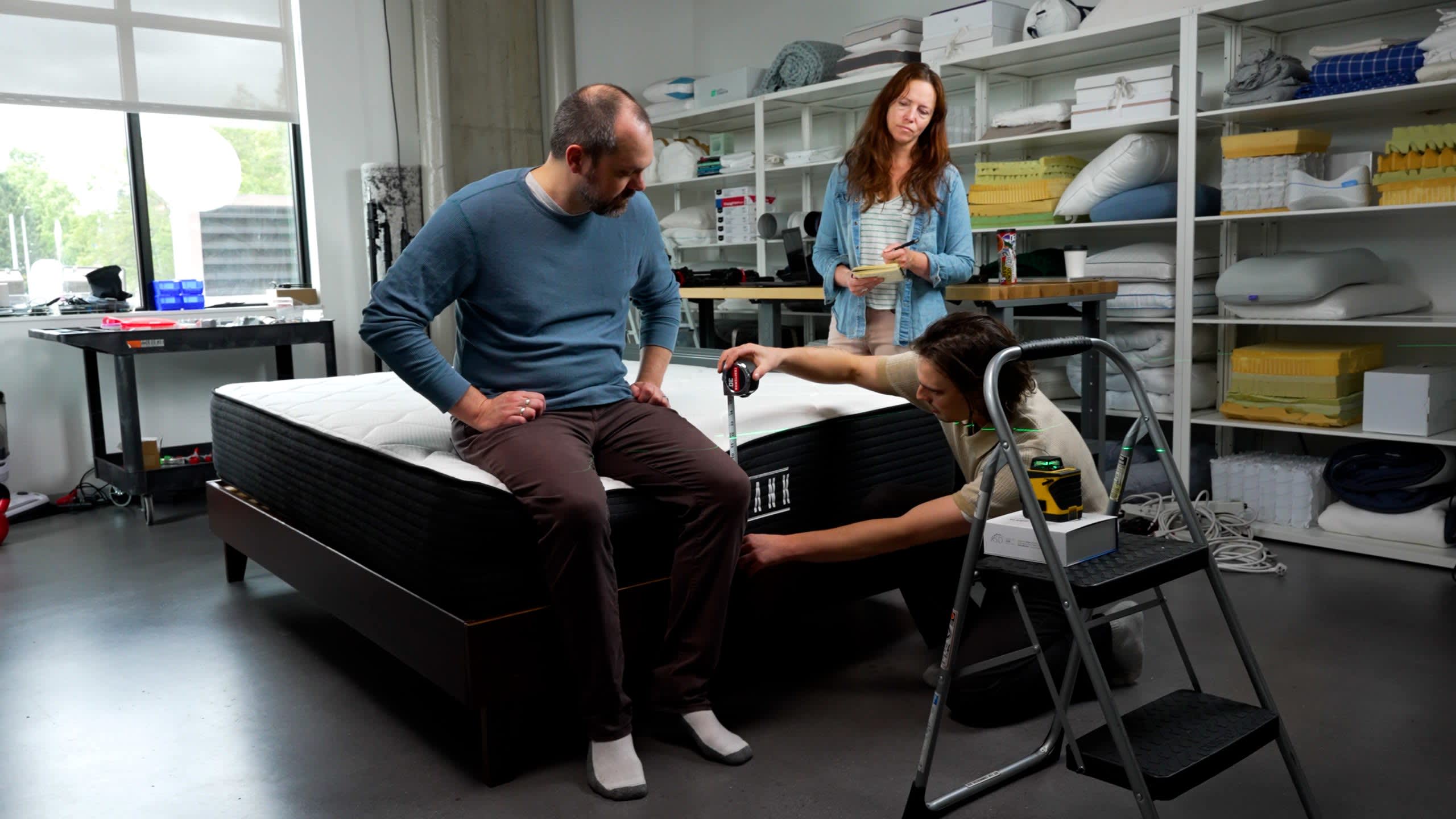
Construction analysis: Our testing for each mattress kicks off with a thorough physical examination. We’ll note physical qualities like material construction, firmness, and thickness that have bearing on durability and overall quality.
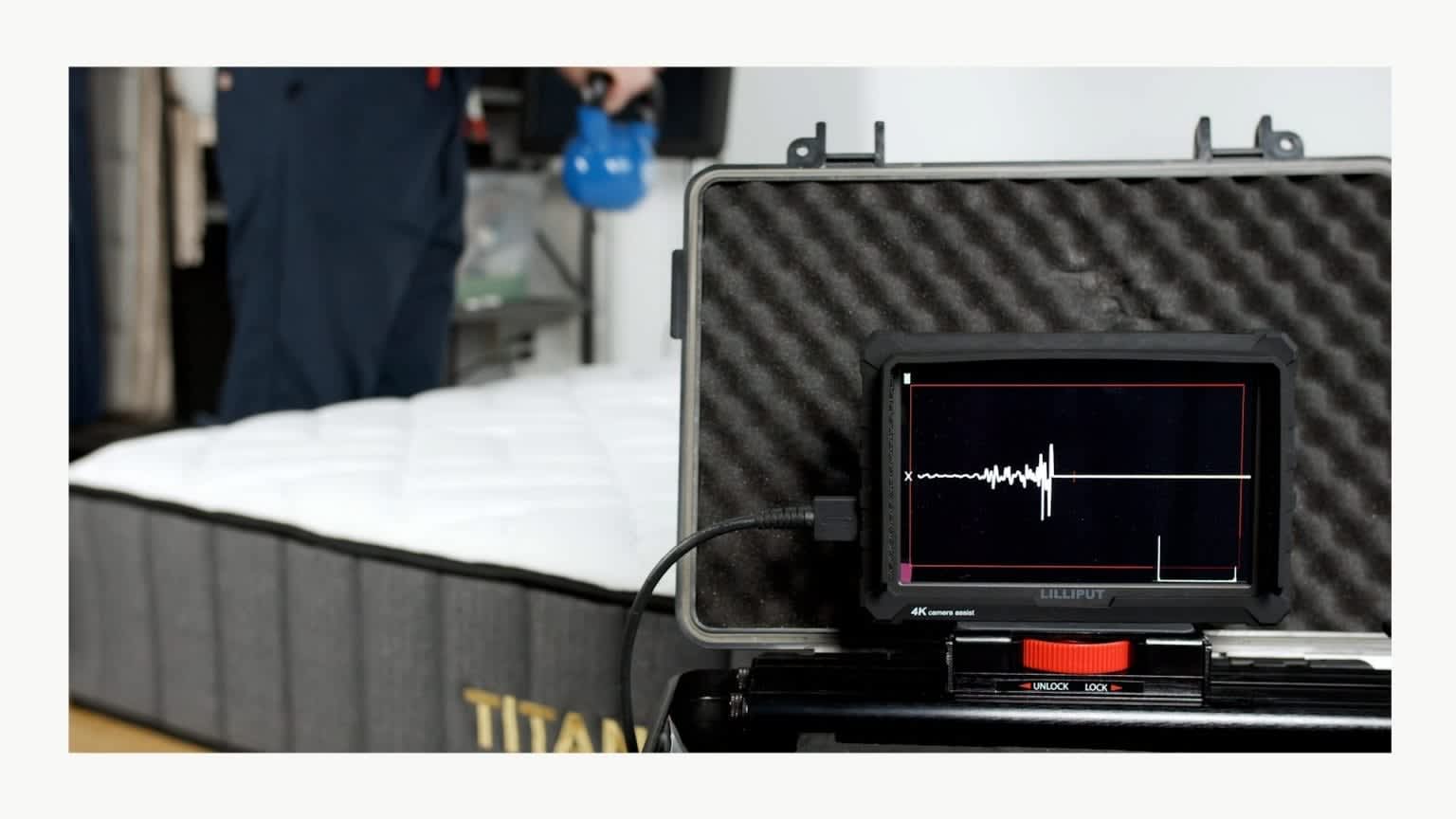
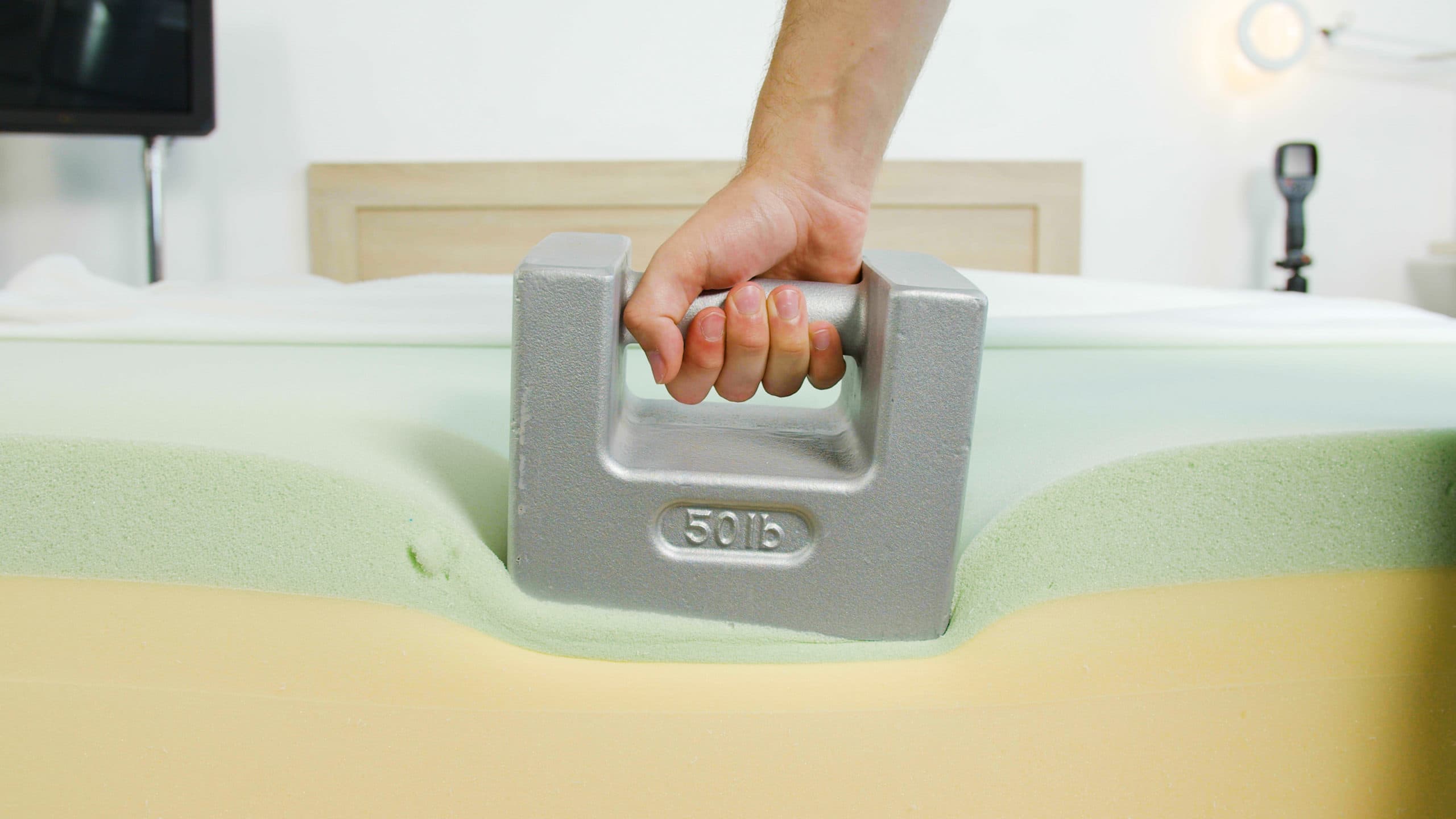
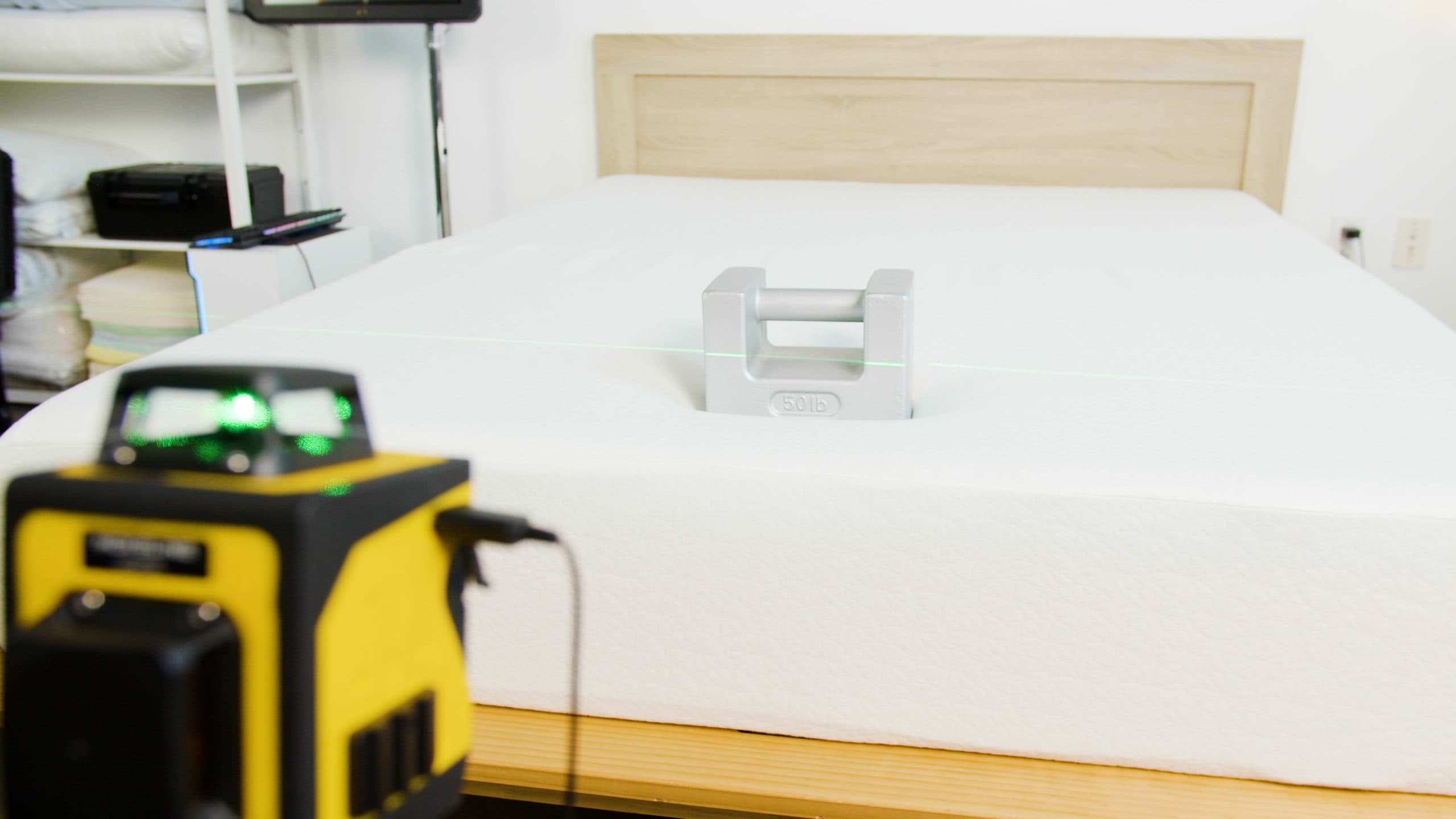
Product testing: In our Seattle Test Lab, we’ll take turns lying and moving on each mattress. Our team also uses a wide range of tools and technology to evaluate the mattress for motion isolation, pressure relief, ease of movement, and other key performance categories.
Field testing: After our in-house tests have ended, one of our team members takes the mattress home and sleeps on it in their own bedroom for up to three weeks. This field testing is important for judging a bed’s long-term performance.
User testing: Data from customer surveys, polls, and product reviews can shed light on real-world experiences with different mattresses. We use this feedback to ensure our initial ratings are reflective of owner experiences.
How We Determine Our Overall Scores


To determine a mattress’s overall score, we assign weighted percentages to performance categories based on how important they are to the individual sleep experience. For instance, areas like pressure relief and temperature control tend to matter more to people than something like off-gassing, and because more people sleep on their side and back than on their stomach, we weigh those positions more heavily.
Performance Categories
Motion Isolation
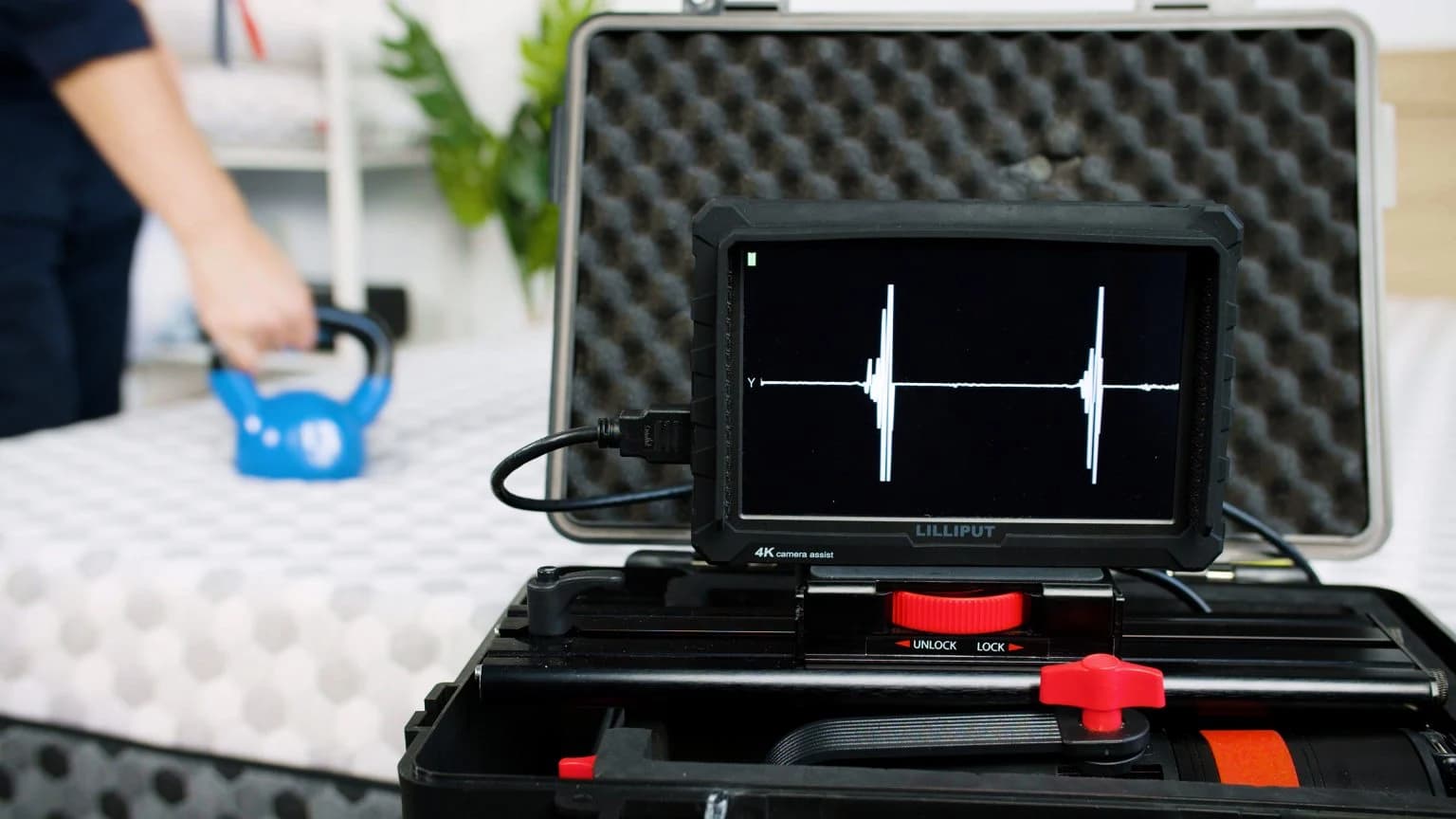
This criteria alludes to the amount of motion a mattress absorbs when a sleeper moves on the surface. We use two testers lying side by side to evaluate motion isolation, who each feel for transfer while the other person moves on the mattress.
Temperature Control
To determine how well a mattress regulates temperature, we perform temperature tests and look closely at its materials and construction. Many mattresses are designed with cooling components meant to reduce heat retention.
Pressure Relief
A bed with strong pressure relief excels at preventing pressure from building up in areas like the shoulders and hips. Beds with even contouring and weight distribution are top performers when it comes to pressure relief.
Off-Gassing
A mattress in a box may release unpleasant chemical odors for a short period after you’ve unboxed it. The initial smell may be strong but typically fades within 2 or 3 days.
Ease of Movement
This criteria reflects how easily a sleeper can move across a bed’s surface. Responsive surfaces made of latex typically perform better than foam surfaces, which can inhibit movement.
Edge Support
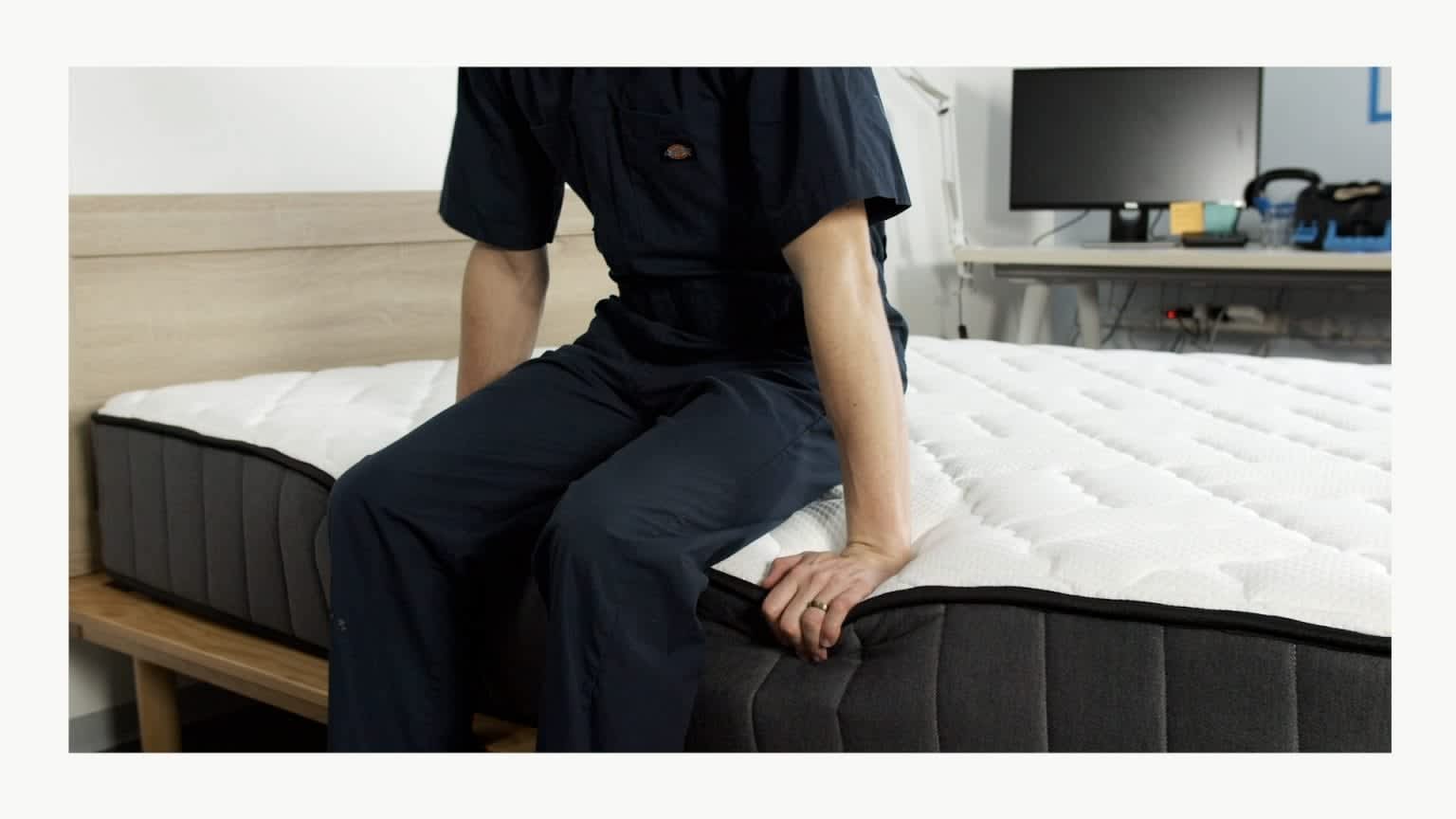
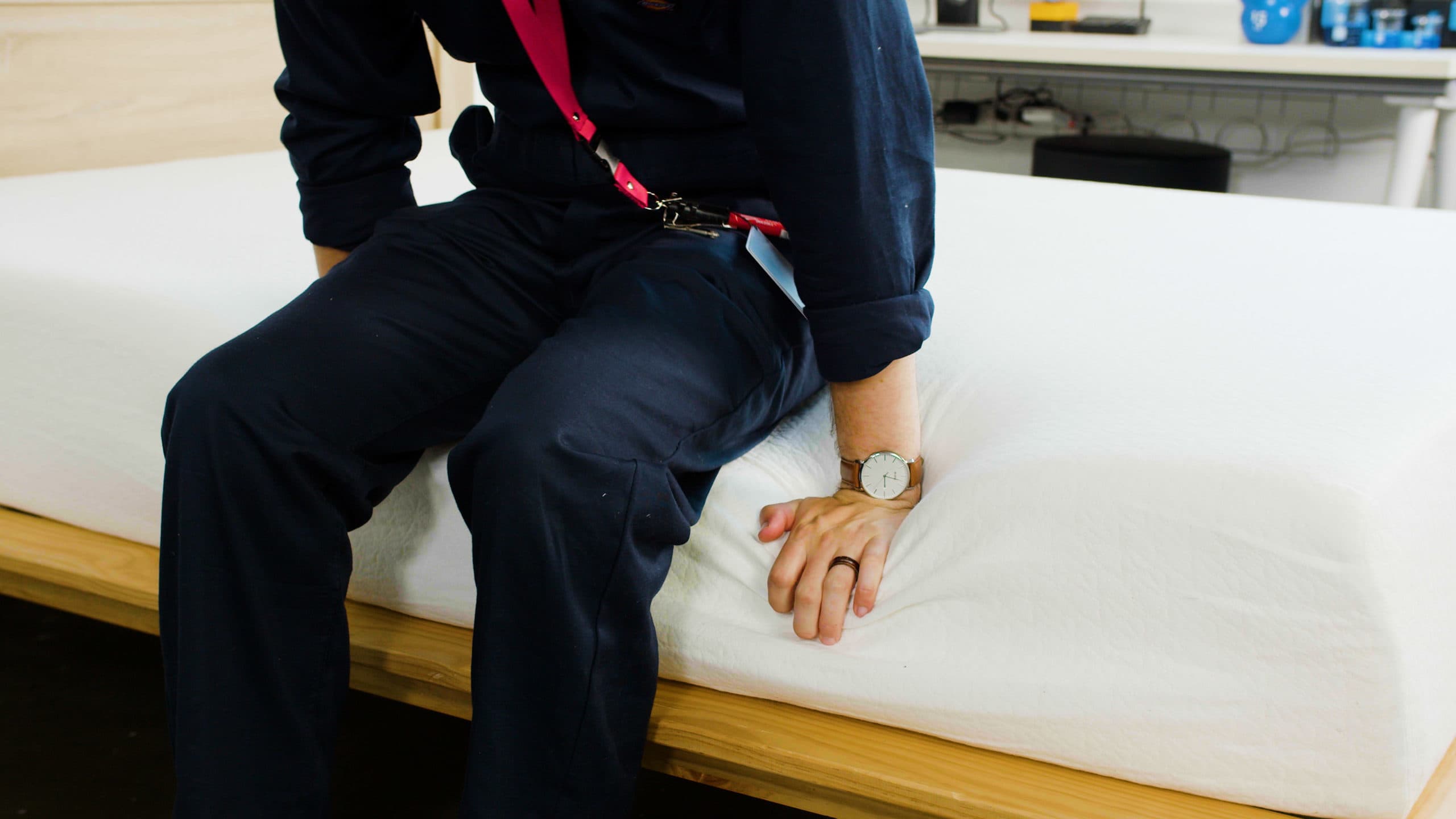
We perform sit tests along a bed’s perimeter to measure how well the edges push back against weight. Mattresses with strong edge support have minimal sagging when sleepers sit on or lie close to the perimeter.
Dive Deeper – Mattress Guides by Type
If you’d like to refine your search for a bed beyond the options that are available on Amazon, take a look at our other suggestions broken down by mattress type.
Best Mattress by Type
- Best Mattress in a Box
- Best RV Mattress
- Best Mattress in Canada
- Best Smart Mattress
- Best Online Mattress
- Best Flippable Mattress
- Best Airbed Mattress
- Best Mattress for Bunk Beds
- Best Memory Foam Mattress
- Best Temporary Air Mattress
- Best Walmart Mattress
- Best Pillow Top Mattress
- Best Crib Mattress
- Best Gel Mattress

Still have questions? Ask our community!
Join our Sleep Care Community — a trusted hub of product specialists, sleep health professionals, and people just like you. Whether you’re searching for the perfect mattress or need expert sleep advice, we’ve got you covered. Get personalized guidance from the experts who know sleep best.
Logan is a Certified Sleep Science Coach with a deep understanding of what it means to struggle with sleep. Her years of experience researching and testing sleep products – including mattresses, natural sleep aids, and bedding – are critical to her role helping lead the editorial team. When she’s not testing mattresses or researching CBT-I, she enjoys spending time in the sunshine with her husband and her dogs Pepper and Winston.