
When you buy through our links, we may earn a commission. Products or services may be offered by an affiliated entity. Learn more.
Best Mattress for Acid Reflux of 2026


Sleep Foundation
Why Trust Us


Our mission to create a healthier, more well-rested world demands that our product reviews be best-in-class. You won’t find more expertise on mattresses and sleep products anywhere else.
The Sleep Foundation product testing team uses an industry-leading evaluation process paired with real world consumer feedback to come up with objective recommendations so that you can feel confident in your product decisions.
If heartburn is keeping you up at night, the right mattress setup can go a long way in helping keep symptoms of acid reflux (aka gastroesophageal reflux disease, or GERD) in check. GERD causes stomach acid to flow into the esophagus, causing irritation and pain. Symptoms usually get worse when lying down, making it difficult for people to fall asleep. Fortunately, we’re here to help you find a mattress and bed setup that supports proper positioning to help reduce acid reflux at night.
Our #1 Pick: Brooklyn Bedding CopperFlex Memory Foam
Our top mattress selection for acid reflux is the Brooklyn Bedding CopperFlex Memory Foam, which cushions the body with plush comfort layers and promotes healthy sleep posture with zoned transitional foam that feels extra-supportive beneath the midsection.
Read on to see our full list of best mattresses for acid reflux of 2026 based on performance ratings from our in-house testing team, in-depth product inspections, and verified reviews from real mattress owners.
Our Top Picks
Best Overall
:Brooklyn Bedding CopperFlex Memory Foam
Shop Now
Best for Couples
:Bear Original
Shop Now
Best for Back Pain
:Luxury Firm WinkBed
Shop Now
Best for Side Sleepers
:Saatva Memory Foam Hybrid
Shop Now
Best for Adjustable Beds
:Layla Memory Foam Mattress
Shop Now
Best Pressure Relief
:Nest Bedding Owl
Shop Now
Best Firmness Options
:DLX Premier Hybrid
Shop Now
Best Mattress Deals Happening Now
- Save $259 — Brooklyn Bedding CopperFlex Memory Foam
$606(List Price $865) - Save $314 — Bear Original
$584(List Price $898) - Save $771 — Luxury Firm WinkBed
$1,799(List Price $2,570) - Save $325 — Saatva Memory Foam Hybrid
$1,774(List Price $2,099) - Save $150 — Layla Memory Foam Mattress
$999(List Price $1,149)
How We Tested the Best Mattresses for Acid Reflux
Testing Criteria
To find our top picks for mattresses for acid reflux, we considered traits that are most likely to reduce painful symptoms. Here are the criteria we looked at:
- Medium firm to firm level: For sleepers with acid reflux, a medium firm (6) or firm (7) mattress can help keep the upper body properly supported, reducing the likelihood of stomach acid flowing back during sleep.
- Optimal cushioning: Side sleeping is usually the best position to avoid acid reflux symptoms. A mattress with notable cushioning and pressure relief can help encourage side sleeping, supporting comfort and potential symptom reduction.
What We Evaluated
When compiling this list, we leveraged our database of more than 2,000 mattresses to find the models best suited to sleepers with acid reflux.
- Above-average pressure relief rating
- Strong scores for side sleeping
- Variety of mattress types, including hybrid, memory foam, and innerspring
Once we determined the top options, we brought them to our Seattle Test Lab to further narrow our selections. We put them through hands-on evaluations to assess their support, map pressure points, and get feedback on how they feel. From there, our testing team provided scores on key performance categories (think temperature regulation, motion isolation, and edge support), and then assigned accolades to each pick.
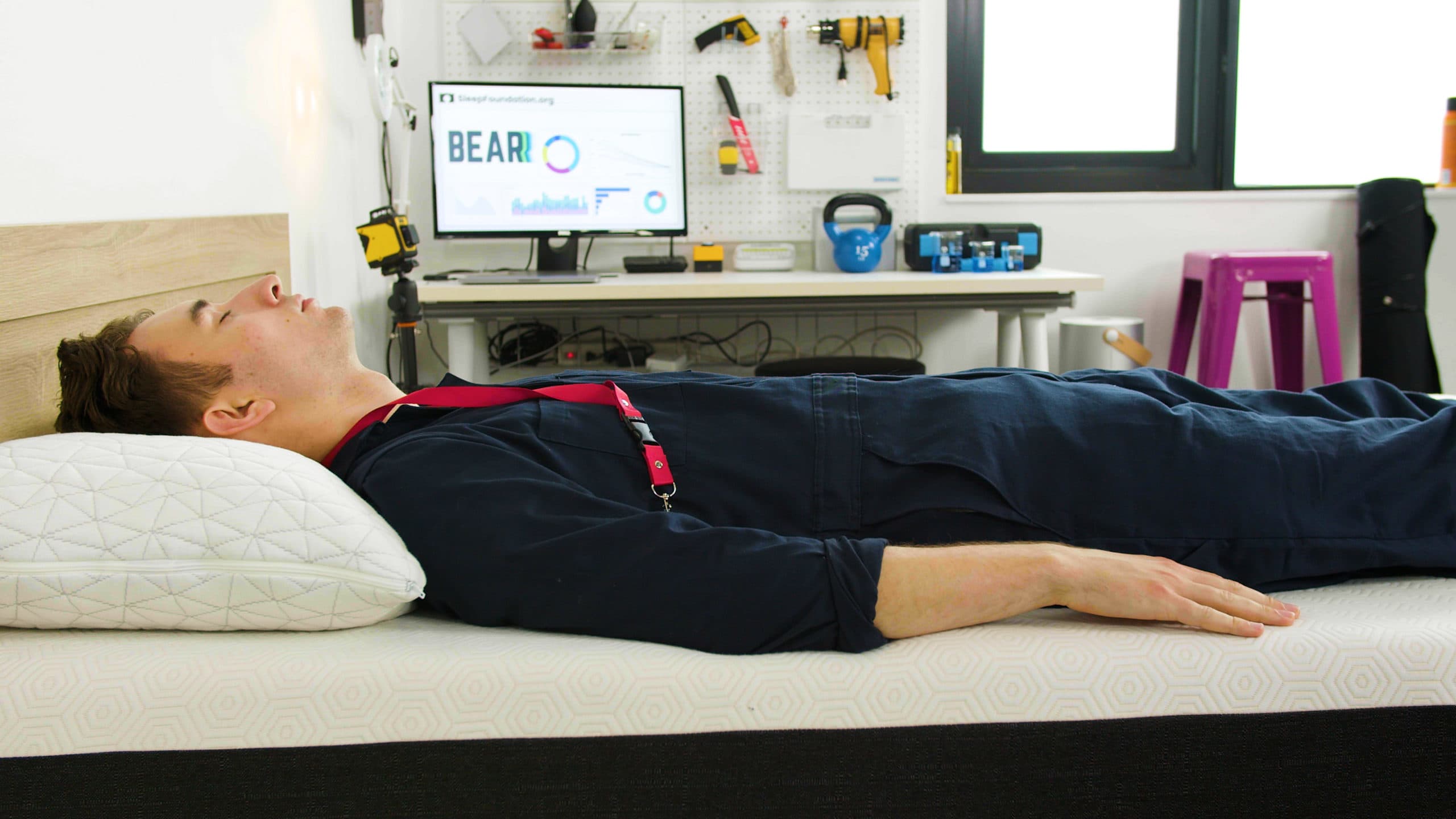
We included our top picks on this list to provide an array of distinct options so that most sleepers with acid reflux should be able to find an option suitable for them.
Our Testing Team

Logan Foley
Executive Product Director
Full Bio

Mary Fenton
Head of Product Content
Full Bio

Jeremy Klein
Product Testing Manager
Full Bio

Brad Nehring
Product Testing Manager
Full Bio

Colin Simpson
Product Research Manager
Full Bio
Best Overall: Brooklyn Bedding CopperFlex Memory Foam
Best Overall
8.8/10Test Lab Score
Brooklyn Bedding CopperFlex Memory Foam
An all-foam mattress that hugs and soothes pressure points for restful sleep.
Key Details
- Who It’s Best For: Side sleepers over 130 pounds and back sleepers up to 230 pounds.
- Feel: Medium firm (6). A plush feel directly beneath the surface with strong underlying support. Extra pushback beneath your midsection and gentler cradling elsewhere.
- What It’s Made Of: Adaptive polyfoam quilted to the cover, followed by two memory foam layers, one infused with copper fibers. A zoned transitional foam layer and two high-density foam base layers make up the support core, and the cover is GlacioTex cooling fabric.
- What We Don’t Like: Some initial odor after unboxing for up to 72 hours. May be too soft for stomach sleepers, especially those over 230 pounds.
Scoring & Reviews
The following ratings show how suitable this mattress is for different sleeping positions and sleeper weights. These scores are determined by how well the mattress supports and relieves pressure for each sleeper type.
In addition to the hands-on feedback from our team, we conduct a number of quantitative tests in our Test Lab. The below ratings are based on the experience of our testers.
Performance
Best for Couples: Bear Original
Best for Couples
7.8/10Test Lab Score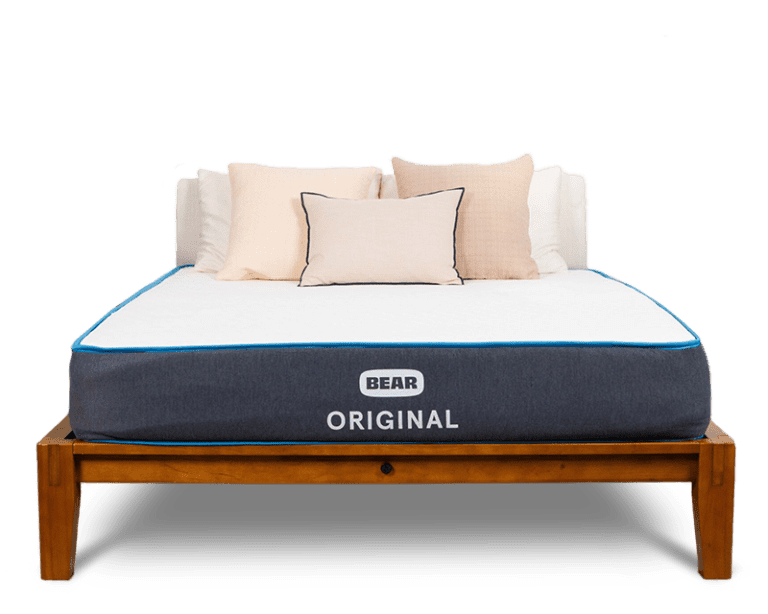
Bear Original
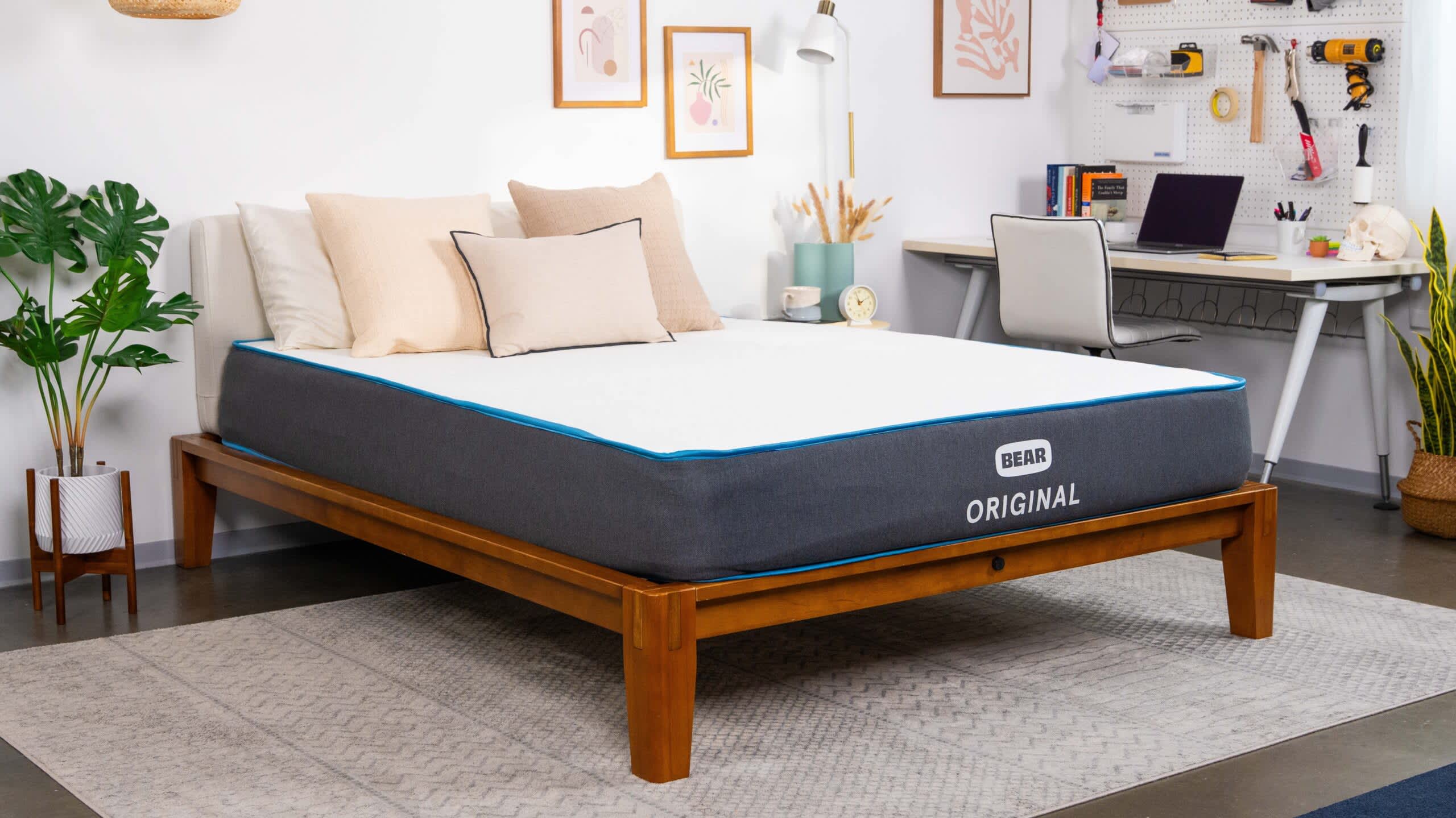
An affordable foam bed designed for those with an active lifestyle.
Key Details
- Who It’s Best For: Side and back sleepers between 130 and 230 pounds.
- Feel: Firm (7) that’s low on bounce. You shouldn’t feel stuck in the bed.
- What It’s Made Of: Quilted cover and a memory foam comfort layer, which cushions the sleeper and contains gel infusions. A polyfoam transitional layer over a second layer of thicker, firmer polyfoam.
- What We Don’t Like: Traps heat and causes a bit of a “stuck in the bed” feeling. May also lack support for stomach sleepers.
Scoring & Reviews
The following ratings show how suitable this mattress is for different sleeping positions and sleeper weights. These scores are determined by how well the mattress supports and relieves pressure for each sleeper type.
In addition to the hands-on feedback from our team, we conduct a number of quantitative tests in our Test Lab. The below ratings are based on the experience of our testers.
Performance
Best for Back Pain: Luxury Firm WinkBed
Best for Back Pain
9.5/10Test Lab Score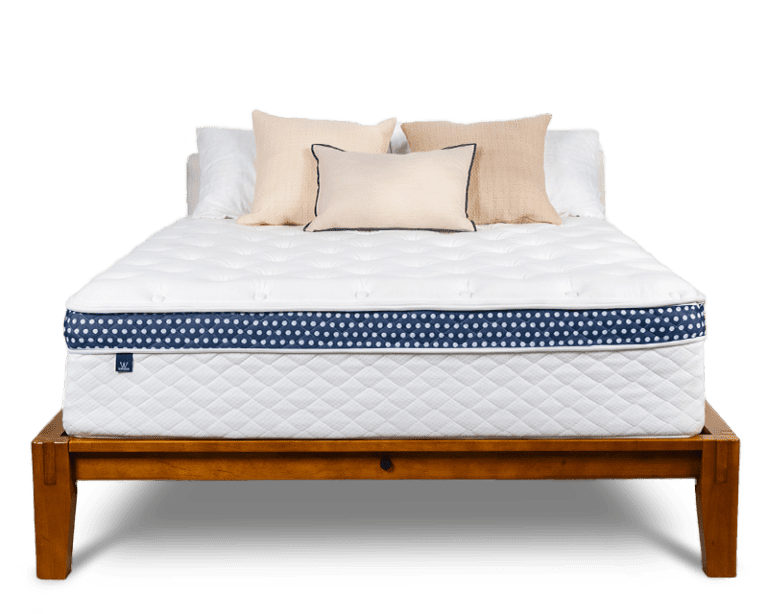
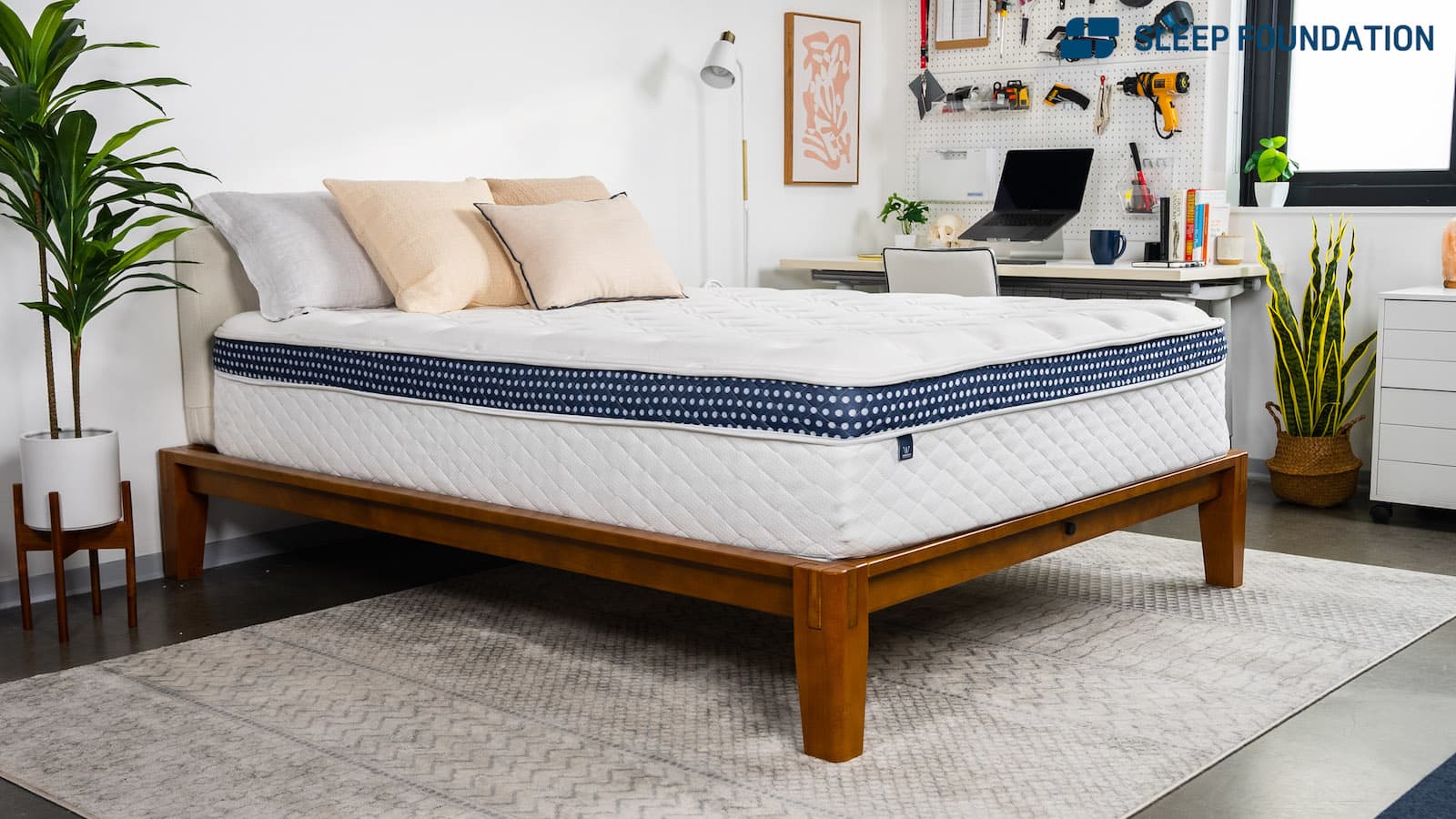
Luxury Firm WinkBed
High end hybrid bed providing ample support, cushion, and cool sleep.
Key Details
- Who It’s Best For: Side sleepers.
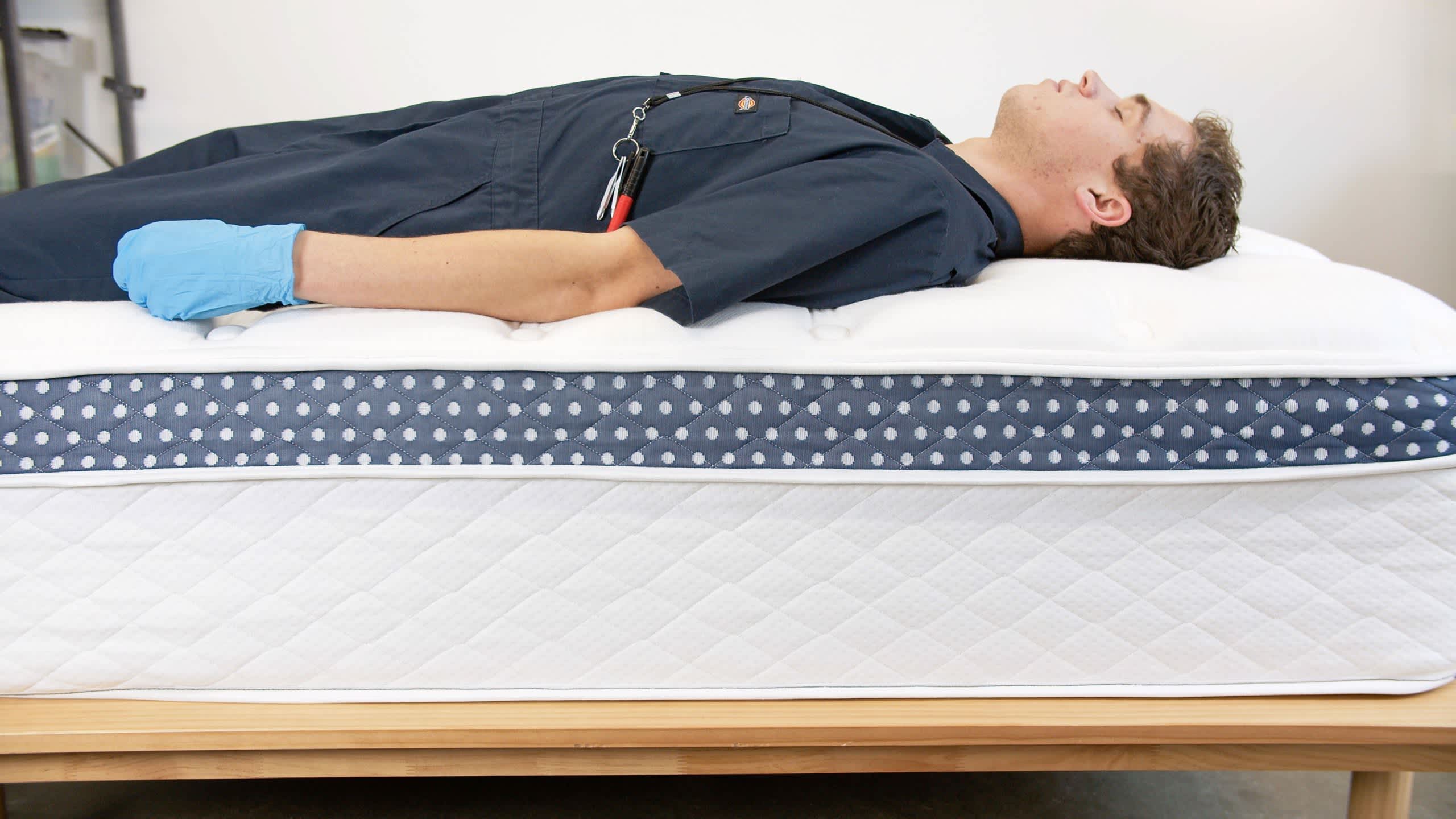
- Feel: Medium firm (6). Top layers are quite plush, and the coils add responsiveness so you can easily change positions.
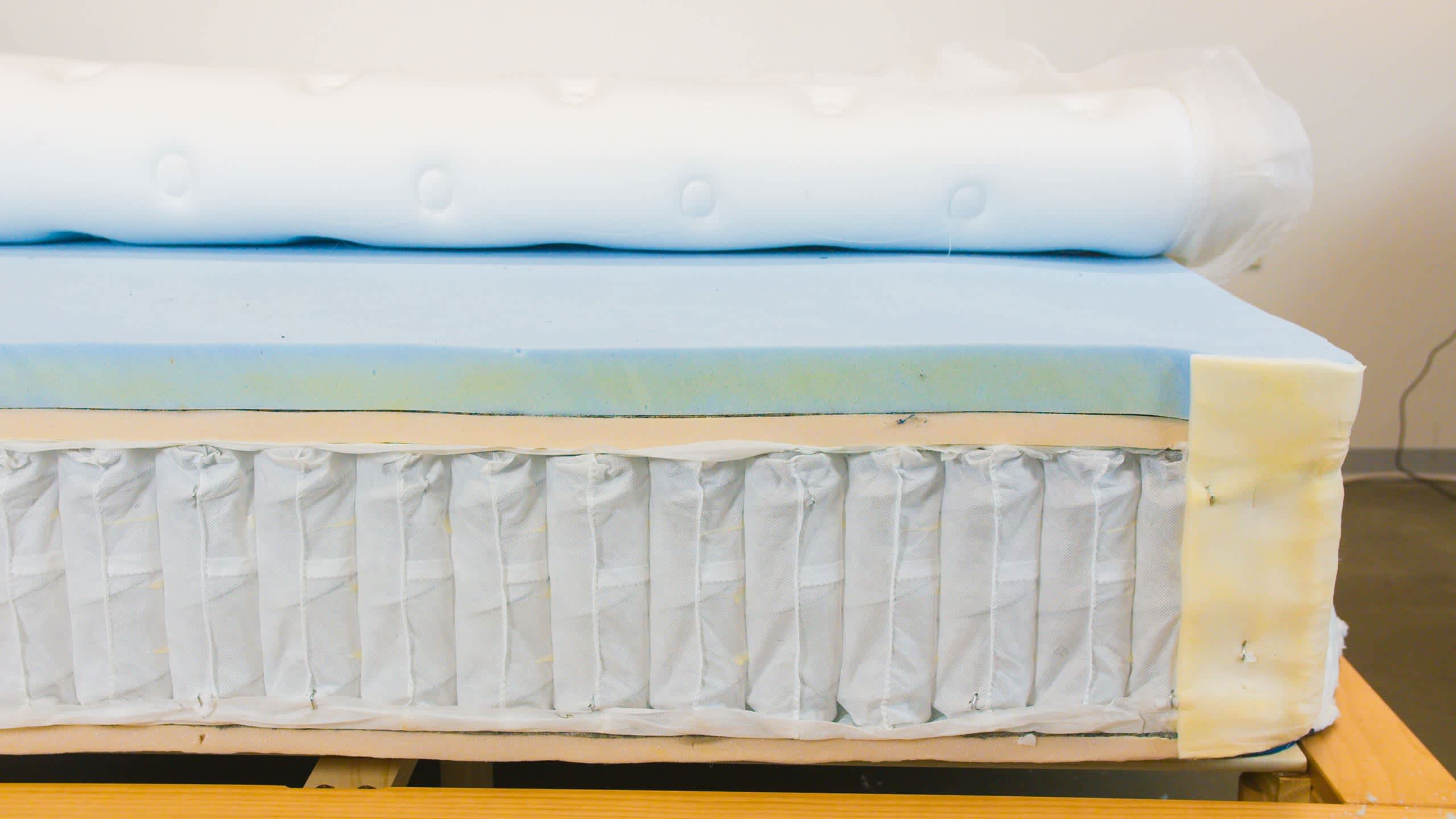
- What It’s Made Of: Tencel cover and a Euro-top with two layers of quilted gel foam. Below this, a targeted lumbar support pad and 2 more inches of polyfoam round out the comfort system. The support core features zoned coils with a reinforced perimeter.
- What We Don’t Like: May notice movement from your sleep partner.
Scoring & Reviews
The following ratings show how suitable this mattress is for different sleeping positions and sleeper weights. These scores are determined by how well the mattress supports and relieves pressure for each sleeper type.
In addition to the hands-on feedback from our team, we conduct a number of quantitative tests in our Test Lab. The below ratings are based on the experience of our testers.
Performance
Best for Side Sleepers: Saatva Memory Foam Hybrid
Best for Side Sleepers
9.1/10Test Lab Score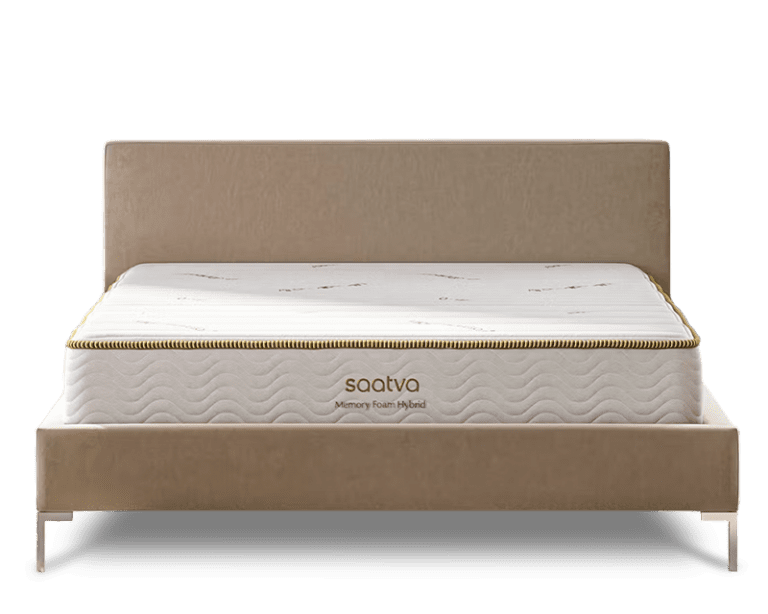
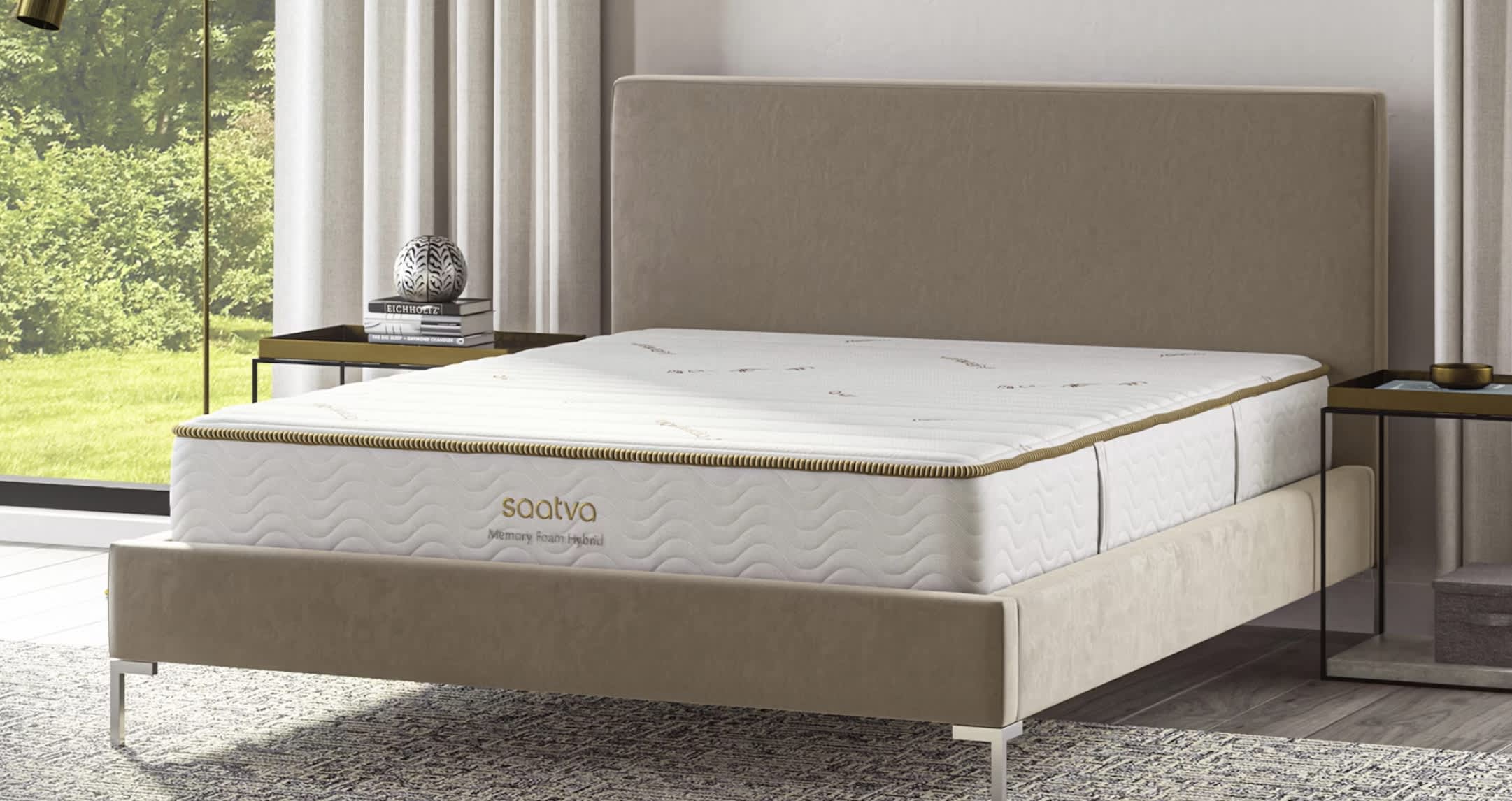
Saatva Memory Foam Hybrid
A perfectly balanced bed that fits most sleeper and body profiles.
Key Details
- Who It’s Best For: Back and stomach sleepers at least 130 pounds.
- Feel: Medium firm (6) that cradles your hips and shoulders. Unlikely to sink uncomfortably onto the coils.
- What It’s Made Of: Padded organic cotton cover with an additional lumbar pad and a 1.5-inch layer of high-density memory foam with cutout channels on the bottom. The support core is pocketed coils and a polyfoam encasement.
- What We Don’t Like: Too firm for sleepers under 130 pounds. Return fee of $99.
Scoring & Reviews
The following ratings show how suitable this mattress is for different sleeping positions and sleeper weights. These scores are determined by how well the mattress supports and relieves pressure for each sleeper type.
In addition to the hands-on feedback from our team, we conduct a number of quantitative tests in our Test Lab. The below ratings are based on the experience of our testers.
Performance
Best for Adjustable Beds: Layla Memory Foam Mattress
Best for Adjustable Beds
8.4/10Test Lab Score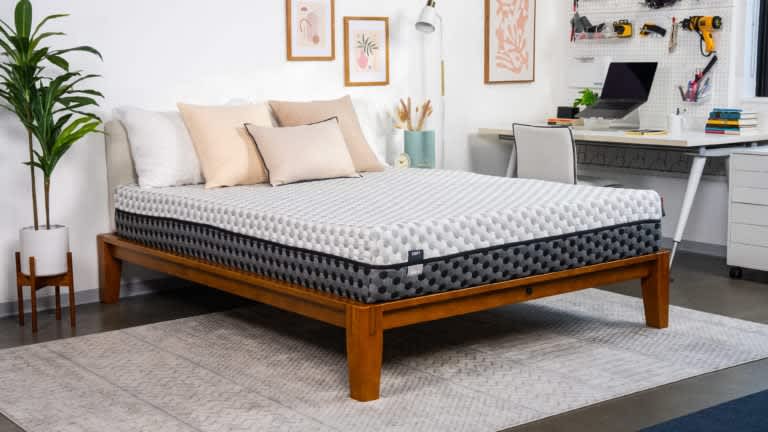
Layla Memory Foam Mattress
The gold standard of dual-sided mattresses with a pleasant memory foam feel.
Key Details
- Who It’s Best For: Soft side works well for side sleepers and people under 130 pounds.Firmer side provides more support for back and stomach sleepers.
- Feel: One side feels medium soft (4), with the characteristic “hug” feeling of memory foam. The firm (7) side has just a touch of pressure relief before you hit the more solid core.
- What It’s Made Of: Firm side contains a single layer of copper gel memory foam. Soft side features copper gel memory foam and a second layer of polyfoam with zoned cutouts. Both sides share a solid polyfoam core.
- What We Don’t Like: May compress and feel unstable around the edges. Soft side may inhibit movement.
Scoring & Reviews
The following ratings show how suitable this mattress is for different sleeping positions and sleeper weights. These scores are determined by how well the mattress supports and relieves pressure for each sleeper type.
In addition to the hands-on feedback from our team, we conduct a number of quantitative tests in our Test Lab. The below ratings are based on the experience of our testers.
Performance
Best Pressure Relief: Nest Bedding Owl
Best Pressure Relief
8.8/10Test Lab Score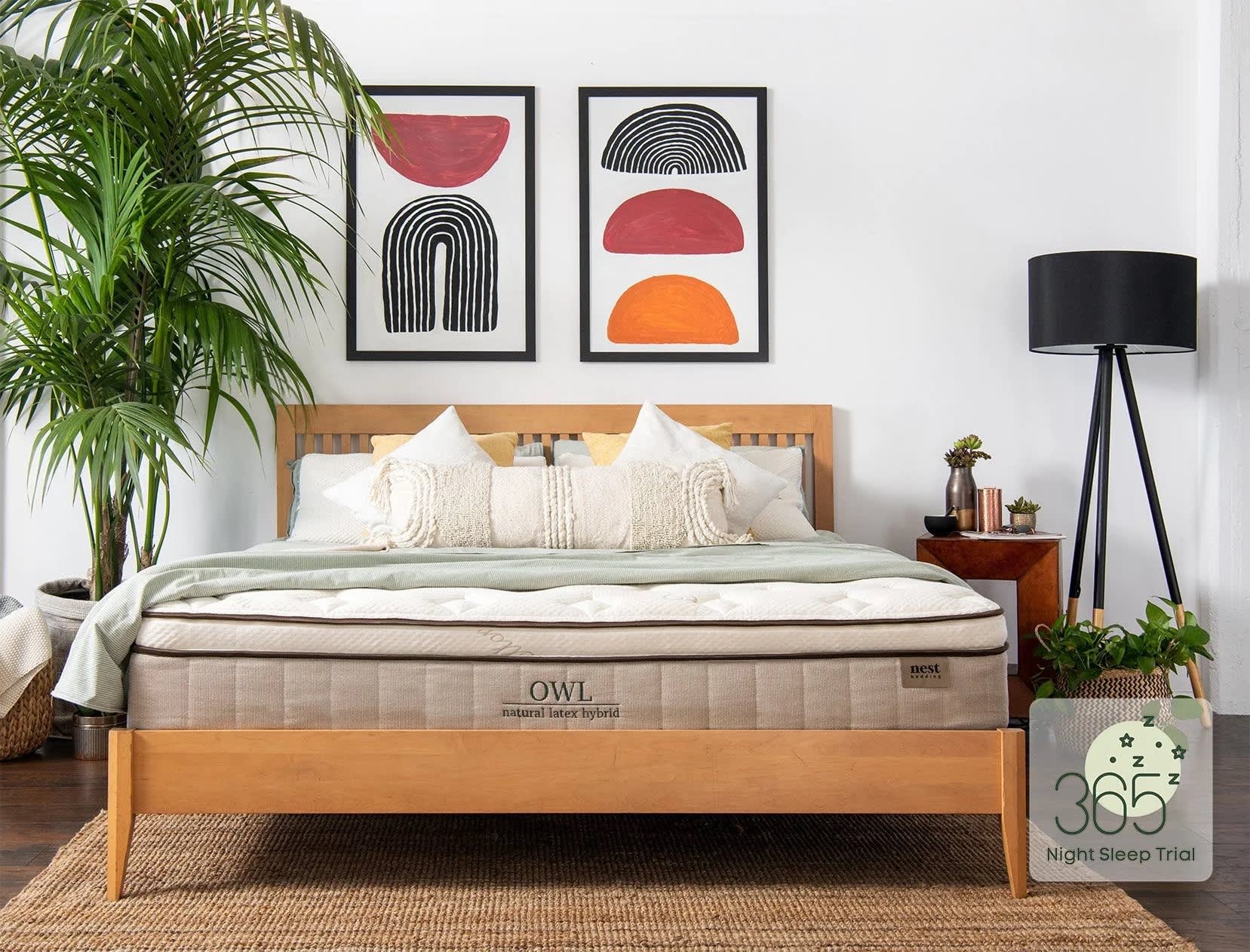
Nest Bedding Owl
A supportive hybrid that combines cushy foam and springy latex.
Key Details
- Who It’s Best For: Softer model caters to side sleepers, while the firmer models are better for back and stomach sleepers.
- Feel: Soft (3), medium (5), and firm (7), all with ample cushioning and a healthy bounce.
- What It’s Made Of: Pillow-top design, with 2 inches of foam nestled inside the organic cotton and wool cover. There’s a a 3-inch layer of Talalay latex, and a second layer of polyfoam acts as a transition to the pocketed coil support core with reinforced edges.
- What We Don’t Like: On the expensive side. May cause motion transfer.
Scoring & Reviews
The following ratings show how suitable this mattress is for different sleeping positions and sleeper weights. These scores are determined by how well the mattress supports and relieves pressure for each sleeper type.
In addition to the hands-on feedback from our team, we conduct a number of quantitative tests in our Test Lab. The below ratings are based on the experience of our testers.
Performance
Best Firmness Options: DLX Premier Hybrid
Best Firmness Options
8.6/10Test Lab Score
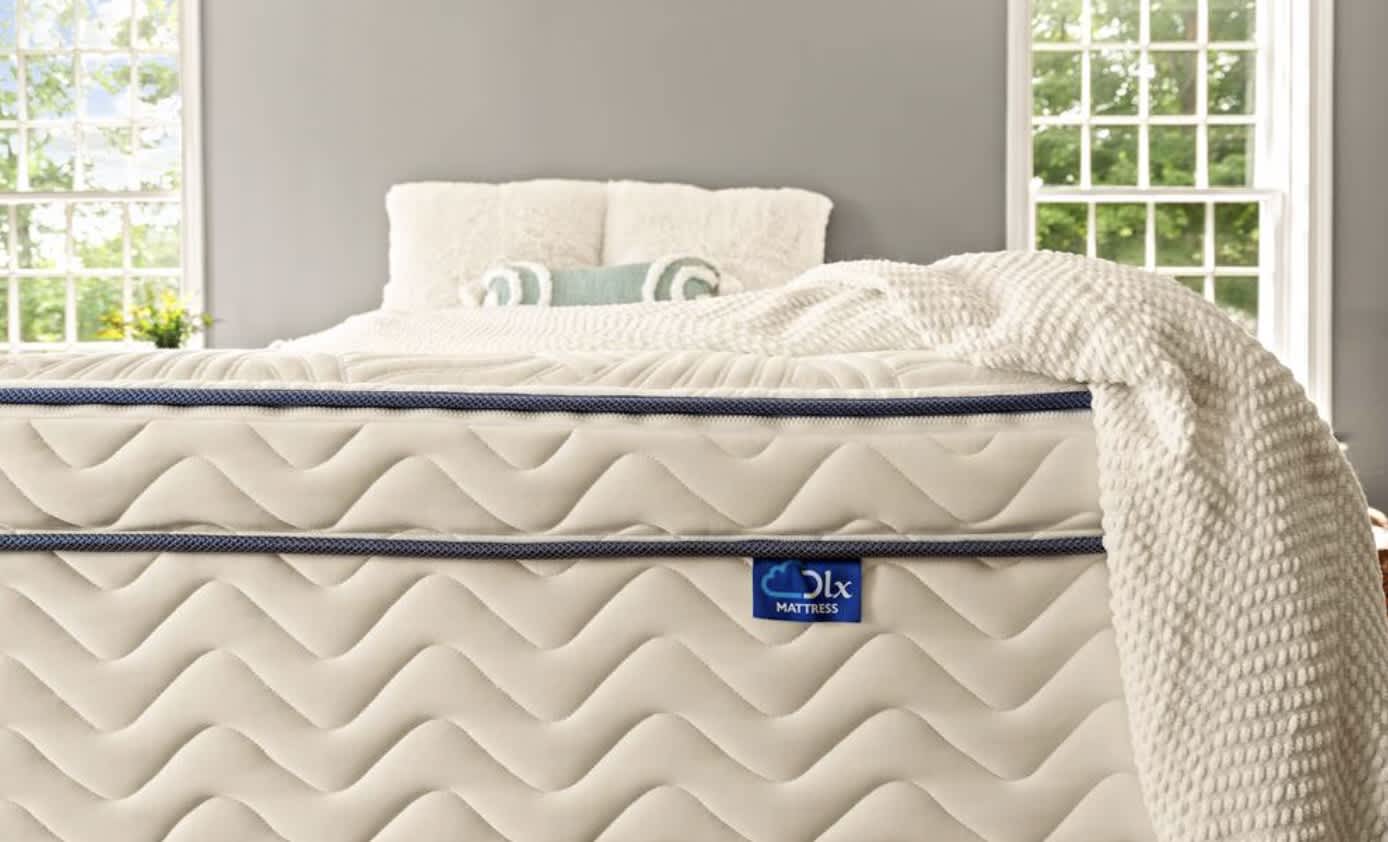
DLX Premier Hybrid
Versatile hybrid with a handful of single and split firmness options.
Key Details
- Who It’s Best For: Side and back sleepers under 230 pounds, as well as couples.
- Feel: Medium soft (4), medium firm (6), or firm (8). A classic hybrid feel, with pressure-relieving comfort layers bolstered by the coil support core.
- What It’s Made Of: Quilted with viscose fiber batting and has two layers of contouring polyfoam. Next is a layer of 3-inch foam layer that varies in feel between models. A polyfoam transitional layer and a pocketed coil core.
- What We Don’t Like: Split firmness is available in queen and king but not full. May be too thick for regular fitted sheets.
Scoring & Reviews
The following ratings show how suitable this mattress is for different sleeping positions and sleeper weights. These scores are determined by how well the mattress supports and relieves pressure for each sleeper type.
In addition to the hands-on feedback from our team, we conduct a number of quantitative tests in our Test Lab. The below ratings are based on the experience of our testers.
Performance
How Does Acid Reflux Affect Sleep?
Acid reflux occurs when stomach acid flows back into the esophagus, often causing heartburn, discomfort, and irritation. Normally, the lower esophageal sphincter (LES) — a muscular valve at the top of the stomach — acts as a barrier to keep acid from traveling upward. But when the LES weakens or relaxes at the wrong time, it allows acid to escape.
Many people experience acid reflux from time to time, but chronic acid reflux can have a dramatic impact on sleep quality, especially as it’s usually triggered or aggravated by lying down. It may also worsen symptoms related to sleep apnea, restless legs syndrome, and chronic insomnia.
How Does Sleeping Position Affect Acid Reflux?
Your sleeping position plays a significant role in the frequency and severity of acid reflux symptoms. Understanding this relationship can help you make simple but effective adjustments to improve sleep quality and minimize nighttime discomfort.
In general, sleep medicine physician Dustin Cotliar, M.D., recommends, “side sleeping (specifically on the left side), having the head of the bed elevated, and using special kinds of pillows,” as your best bets for helping prevent acid reflux symptoms from ruining your sleep.
Side Sleepers
“Side sleeping, particularly on the left side, takes advantage of our digestive anatomy to help minimize reflux,” Dr. Cotliar says. “This position places the junction between the stomach and esophagus above the level of stomach contents, creating a gravity-assisted barrier that can reduce the frequency and severity of reflux episodes during sleep.”
In contrast, lying on the right side places the stomach at an angle, allowing the stomach to leak acid into the esophagus.
Back Sleepers
Back sleeping is generally the worst position for people with acid reflux, as they tend to experience worse and more prolonged symptoms. Sleeping on your back allows acid to freely move up from the stomach and into the esophagus, where it can linger for extended periods of time, potentially damaging the esophageal lining.
“For those who prefer back sleeping despite reflux issues, elevation becomes particularly important,” Dr. Cotliar says. “Raising the upper body by 6 to 8 inches — whether through an adjustable bed or wedge pillows — uses gravity to help reduce the backflow of stomach contents toward the esophagus during sleep.”
Stomach Sleepers
Like back sleeping, stomach sleeping creates prime conditions for acid reflux, permitting acid to flow up the esophagus, without the aid of gravity to force it back down.
Other Tips for Reducing Acid Reflux Symptoms at Night
Beyond mattress selection, several lifestyle modifications can help manage acid reflux symptoms. “Consider eating smaller, more frequent meals and avoiding food at least 2 to 3 hours before bedtime,” Dr. Cotliar says.
“Limiting trigger foods like spicy dishes, fatty meals, citrus, chocolate, and caffeinated or alcoholic beverages can reduce symptom frequency. Maintaining a healthy weight, elevating your head during sleep, wearing loose-fitting clothing, and quitting smoking can also improve reflux symptoms. For persistent issues, speak with your healthcare provider about appropriate medication options.”
How to Choose the Best Mattress for Acid Reflux
Though sleeping position, upper-body elevation, and supportive pillows are the best way to deal with nighttime GERD, choosing the right mattress can also help. Below are some of the most important features to consider when you’re shopping for a mattress to help with acid reflux, including firmness level, contouring, and pressure relief.
Compatibility With Adjustable Beds
Many GERD patients decide to purchase an adjustable bed so they’re able to raise the head of their bed, which may also help with related issues, like snoring and sleep apnea. Especially if you naturally sleep on your back, raising the head of your bed could minimize your symptoms.
“This is a tried-and-true medical recommendation for GERD sufferers,” Dr. Cotliar says. “By creating an angled position where the esophagus is positioned above the stomach, gravity assists in keeping stomach contents where they belong. For back sleepers especially, this position can help reduce the frequency and severity of reflux episodes.”
Many mattresses are compatible with adjustable beds as long as their components can be bent without damaging them. Be sure to check a brand’s website to confirm compatibility.
Firmness Level
Although preferences vary considerably between individuals, certain body types tend to benefit more from certain firmness levels. Firmer mattresses generally offer more support, while softer models provide greater contouring.
Pressure Relief and Contouring
Pressure points along your shoulders, hips, and spine can crop up while you’re sleeping, especially if you’re a side sleeper. Mattresses for side sleepers offer more cushioning and better pressure relief, so if you’d like to try sleeping on your side to minimize acid reflux, choose a soft to medium mattress to cushion your joints. Just make sure you don’t go too soft or it won’t support proper spinal alignment.
Additionally, the right amount of contouring can cradle pressure points while preventing the sleeper from sinking into the mattress’ support layer. Generally, all-foam mattresses offer more contouring than hybrid or innerspring models.
Price
The most expensive mattress isn’t always the best, and it’s possible to find a quality affordable mattress. The free shipping offered by several online retailers who ship their mattress in a box will help keep overall costs down as well. Regardless of price, prioritize mattresses from reputable brands with quality materials.
Quality Materials
Nobody wants to replace their mattress only a year or two after buying it. Mattresses made with quality materials are more durable, perform better, and are less likely to need replacement before their warranty is up.
Edge Support
Mattresses with a reinforced perimeter offer greater edge support and a larger usable sleep area. Strong edge support also prevents sleepers from rolling off the edge of the bed. Hybrid and innerspring mattresses tend to have the best edge support.
Ease of Movement
This factor is especially important for couples. Mattresses with more bounce typically allow for greater ease of movement, while sleepers tend to sink into contouring foam surfaces. In contrast, coil-based models provide more bounce.
Temperature Regulation
Individuals who tend to sleep hot often prioritize temperature regulation, seeking out mattresses like hybrid models, which provide greater breathability than all-foam versions. Many mattresses also use special fabrics and fillers, such as copper or gel, to create a cooler sleep surface.
Mattress Warranty and Other Policies
Before you make your final purchase, be sure to review the mattress’ warranty, sleep trial information, and return policy. Many companies offer a sleep trial that begins after a certain initial break-in period, and most offer some kind of warranty. However, warranties are often contingent on the type of foundation the mattress is used with. If you plan to use your new mattress with an adjustable bed, be sure that this type of use is covered in the warranty.
What Type of Mattress Is Best for Preventing Acid Reflux?
Most mattresses currently on the market fall into one of the following categories. Though no two models or brands are alike, there are some general similarities among these types of mattresses.
Hybrid
Definition:Hybrid mattresses combine the best features of innerspring and all-foam mattresses while largely avoiding the drawbacks of each type. They consist of a pocketed, coil-based support core, topped by a multilayered comfort system. The comfort system may feature latex, memory foam, or a combination of the two.
Highlight: Ideal for side sleepers, hybrids typically offer more contouring and pressure-point relief than innerspring models, while providing more support than the average all-foam mattress. They also tend to sleep cool, thanks to a pocketed coil system that absorbs and disperses body heat.
Foam
Definition: These mattresses feature multiple layers and types of foam, such as memory foam and polyfoam. Instead of pocketed coils, they rely on a high-density polyfoam core for support.
Highlight: Memory foam offers deep contouring and soothing pressure relief, making all-foam models great for side sleepers. While these mattresses tend to offer less support than hybrid or innerspring models, their flexibility makes them ideal for use with adjustable bed frames, which may be helpful for those with acid reflux.
Innerspring
Definition: The most traditional type of mattress on the market, innerspring mattresses feature a coil-based core and a fabric cover, with little or no comfort or transitional system. They are often more difficult to ship than other types.
Highlight: Innersprings tend to be among the least expensive options, and they also sleep relatively cool because of their coil base.
Latex
Definition: These models are made entirely from natural or synthetic latex rubber, or a mixture of the two. Natural latex is derived from rubber tree sap and processed using either the Talalay or Dunlap methods. Talalay latex typically creates a lighter and softer mattress, while Dunlap latex tends to be firmer and more durable.
Highlight: Latex’s moderate contouring cushions side sleepers’ pressure points without too much give or sink. If you want to switch to sleeping on your side for your acid reflux but don’t like the hug of memory foam, latex will likely be a good fit.
Airbed
Definition: Instead of coils, latex, or foam, an airbed’s support core consists of multiple air-filled chambers, which may be filled or deflated with a built-in pump. The pump is often controlled by a smartphone app or remote control. These fully adjustable mattresses may also contain materials like foam or latex in their comfort layers.
Highlight:Airbeds allow users to customize their sleep experience, targeting pressure relief to key areas for people with acid reflux like the upper body. Split models allow sleepers to adjust the mattress to suit ever-changing preferences and pain levels without disturbing their partner.
How We Test: Your Comfort Is Our Science
Our industry-leading product testing team cares deeply about improving your sleep. Having a holistic understanding of a mattress’s role as part of a sleep system is paramount to our testing process. Since a bed’s comfort and feel depend largely on body weight and sleeping position, our testing team represents a wide range of body types, sleep positions, and comfort preferences.
In our Seattle-based Test Lab, we use an objective, hands-on process to evaluate mattresses across performance categories. The following are the key guidelines that inform our performance ratings. Our ultimate goal is to ensure you have all the information you need to make the best purchase decision for you.
Construction analysis: Mattress construction plays a major role in our ratings system. We begin our testing with a top-to-bottom analysis of each mattress, making note of its materials, firmness, thickness, and other physical attributes. Price point is another major factor as we assess quality of materials and overall value.
Quantitative product testing: For hands-on testing, our team members take turns lying and moving on each mattress. This immersive process helps us evaluate beds for performance categories like motion isolation, pressure relief, ease of movement, and temperature control.
Field testing: Once we’re finished testing a mattress in our lab, one of our team members takes it home and sleeps on it in their own bedroom for two to three weeks. Field testing helps us understand how each mattress performs in the long term.
User feedback: In addition to our team’s testing data, we draw from customer surveys and product reviews to calculate our final ratings. This helps us ensure our findings are consistent with real-world experiences.
How We Determine Our Overall Scores

To determine a mattress’s overall score, we assign weighted percentages to performance categories based on how important they are to the individual sleep experience. For instance, areas like pressure relief and temperature control tend to matter more to people than something like off-gassing, and because more people sleep on their side and back than on their stomach, we weigh those positions more heavily.
Performance Categories
Motion Isolation
This criteria alludes to the amount of motion a mattress absorbs when a sleeper moves on the surface. We use two testers lying side by side to evaluate motion isolation, who each feel for transfer while the other person moves on the mattress.
Temperature Control
To determine how well a mattress regulates temperature, we perform temperature tests and look closely at its materials and construction. Many mattresses are designed with cooling components meant to reduce heat retention.
Pressure Relief
A bed with strong pressure relief excels at preventing pressure from building up in areas like the shoulders and hips. Beds with even contouring and weight distribution are top performers when it comes to pressure relief.
Off-Gassing
A mattress in a box may release unpleasant chemical odors for a short period after you’ve unboxed it. The initial smell may be strong but typically fades within 2 or 3 days.
Ease of Movement
This criteria reflects how easily a sleeper can move across a bed’s surface. Responsive surfaces made of latex typically perform better than foam surfaces, which can inhibit movement.
Edge Support
We perform sit tests along a bed’s perimeter to measure how well the edges push back against weight. Mattresses with strong edge support have minimal sagging when sleepers sit on or lie close to the perimeter.
Dive Deeper – In-Depth Mattress Guides
For more help deciding which mattress is right for you, take a look at our detailed shopping guides broken down by mattresses for particular uses.
Best Mattress by Specific Purpose

Still have questions?
Our product experts have extensive experience testing just about every sleep product on the market.
Send an email to AskAnExpert@sleepfoundation.org with your questions and we’ll help you find exactly what you’re looking for.
Jeremy is a sleep product tester with a passion for methodology and data collection. He’s spent the last six years at Sleep Foundation testing nearly every mattress, pillow, and sheet on the market, and has gained a holistic understanding of how to get the most accurate and universal results possible. When he’s not working, Jeremy likes to make music, play tennis, and watch old movies.
Dustin Cotliar, MD, holds a medical degree from the State University of NY (SUNY) Downstate College of Medicine, and a master’s in public health from Columbia University, where he focused on healthcare policy and management. He is board-certified in Emergency Medicine, with over eight years of practice that includes emergency medicine, urgent care, and telemedicine.
Learn more about our medical advisory board