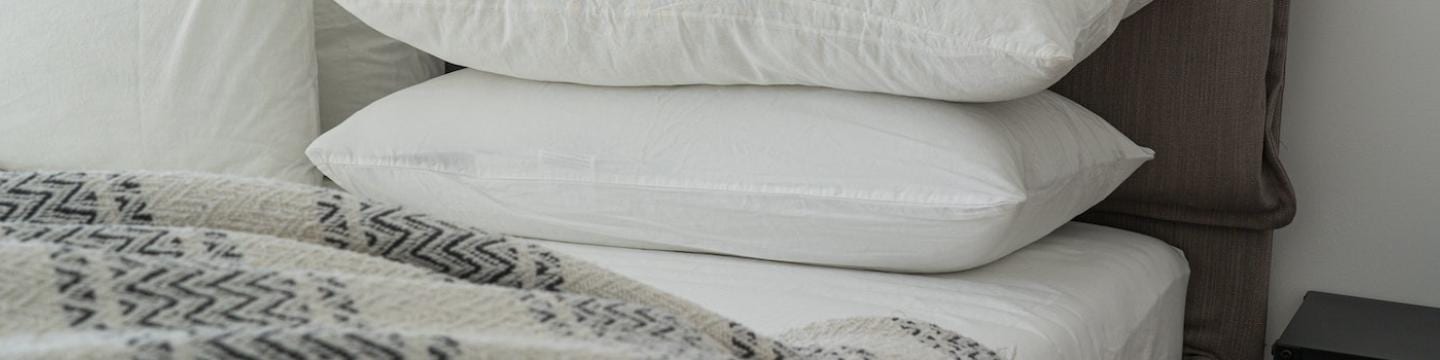
Weighted Blanket Benefits


If you’ve ever felt comforted by a hug or the gentle wrap of a swaddle, you already understand the calming power of pressure. Weighted blankets work in a similar way: using gentle, even pressure to help reduce stress, promote relaxation, and support better sleep. For people with anxiety, sleep disorders like insomnia, or autism spectrum disorder, this added sense of calm can make a noticeable difference in how they fall and stay asleep.
What Is a Weighted Blanket?
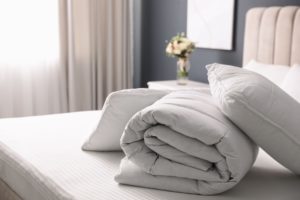
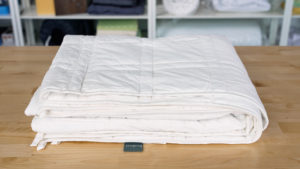
A weighted blanket is exactly what it sounds like—a heavier-than-usual blanket designed to help you feel calm and grounded. There are two main types: duvet-style blankets, which use glass beads or similar fillers to create weight, and knitted blankets, which are made from thick, dense yarn for an all-over cozy feel. Whether you’re winding down on the couch or heading to bed, a weighted blanket can add comfort wherever you relax.
What Are the Benefits of Weighted Blankets?
Weighted blankets work by using a technique called deep pressure stimulation, applying gentle, firm pressure across the body to help promote relaxation. This calming sensation can help lower stress hormones, slow the heart rate, and signal to your body that it’s time to rest. As a result, weighted blankets are often used to reduce anxiety, improve sleep quality, and support overall well-being.
Provide Comfort and Security
Weighted blankets are often compared to the feeling of a warm hug or a snug swaddle, offering a gentle, steady pressure that helps people feel grounded and safe. This soothing sensation can promote a greater sense of comfort, which may help you fall asleep faster and ease nighttime restlessness. For many, it’s a simple way to create a more calming bedtime environment.
Ease Stress and Soothe Anxiety
The deep pressure stimulation provided by a weighted blanket may help reduce stress and anxiety by encouraging the release of serotonin and lowering levels of cortisol, the body’s main stress hormone. This physical reassurance can be especially helpful for people who struggle with racing thoughts, tension, or emotional overwhelm, making it easier to relax and transition into sleep.
Improve Sleep Quality
By combining pressure with comfort, weighted blankets may contribute to more restorative sleep. The even pressure helps support the body’s natural production of melatonin, the sleep hormone, while minimizing disturbances caused by anxiety or frequent waking. People who use weighted blankets often report falling asleep more easily and waking up feeling more refreshed.
Calm the Nervous System
Weighted blankets are thought to help regulate the autonomic nervous system. Specifically, they may reduce activity in the sympathetic (fight-or-flight) system and activate the parasympathetic (rest-and-digest) response. This shift can help slow your heart rate, steady your breathing, and prepare your body for deep, uninterrupted sleep, which is especially helpful for people with sensory sensitivity or nighttime anxiety.
Our Top Weighted Blanket Picks
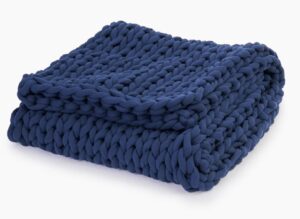
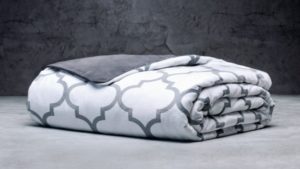
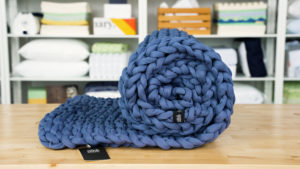

Who Can Benefit From Using a Weighted Blanket?
Weighted blankets have potential benefits for all kinds of sleepers, especially those who experience a high amount of stress or who have certain medical conditions.
Anxiety and Depression
Many people with anxiety and depression find themselves trapped in a vicious cycle. Anxiety and depression can negatively affect sleep, and in turn, the lack of sleep exacerbates anxiety and depressive symptoms. The soothing effects of a weighted blanket may help improve sleep for people with these mental health conditions. One study found that weighted blankets helped reduce insomnia symptoms for people with anxiety, depression, and bipolar disorder .
Autism Spectrum Disorders (ASD)
By activating the sense of touch, a weighted blanket may help people with autism spectrum disorders (ASD) focus on the deep pressure of the blanket instead of other sensory stimuli from their surroundings. This pressure may provide comfort and allow them to relax even in situations that may be over-stimulating. One study found that weighted blankets helped children with autism fall asleep, sleep through the night, relax during the day, and wake up in the morning .
Attention-Deficit/Hyperactivity Disorder (ADHD)
For individuals with attention-deficit/hyperactivity disorder (ADHD), especially children, sleep can be elusive due to racing thoughts and restlessness. Weighted blankets may help by promoting relaxation through deep pressure, which has been linked to increased serotonin and melatonin levels. These neurochemical changes can encourage calm, reduce bedtime anxiety, and improve sleep onset and duration .
Insomnia
Weighted blankets are increasingly used by people with insomnia as a natural aid for improving sleep quality. Deep pressure stimulation may reduce arousal in the nervous system, making it easier to fall asleep and stay asleep. One study found that participants using weighted blankets reported fewer nighttime movements and better overall sleep satisfaction .
Chronic Pain
Chronic pain conditions, such as fibromyalgia or arthritis, often interfere with sleep and relaxation. The consistent, even pressure of a weighted blanket may help reduce pain perception by calming the nervous system and releasing feel-good neurotransmitters like serotonin . While not a cure, it can serve as a complementary tool for improving comfort and sleep in people with persistent pain.
Restless Leg Syndrome (RLS)
Restless leg syndrome (RLS) causes uncomfortable sensations in the legs, often disrupting sleep. Weighted blankets may provide soothing tactile input that counteracts the urge to move, allowing for longer periods of rest . Some users report that the pressure helps “anchor” the legs and reduce nighttime twitching, though more research is needed in this area.
While many people report feeling calmer and sleeping better under a weighted blanket, research is still catching up. Not all advertised benefits are backed by strong scientific evidence. As with any product marketed for health or medical use, it’s wise to approach with a balanced perspective.
If you’re dealing with ongoing sleep issues or a specific health condition, check in with your doctor. A weighted blanket may be one helpful tool in a broader sleep treatment plan.
Are Weighted Blankets Safe?
For most healthy adults and older children, weighted blankets are generally safe to use—especially when the person has enough strength and mobility to remove the blanket on their own. That said, there are important exceptions and precautions to keep in mind.
People with certain medical conditions should talk to their doctor before using a weighted blanket. These conditions may include:
- Obstructive sleep apnea (OSA)
- Asthma or other chronic respiratory issues
- Circulatory problems or low blood pressure
- Type 2 diabetes
- Claustrophobia
In particular, individuals with OSA should avoid weighted blankets, as added pressure on the chest may further restrict airflow during sleep.
Weighted Blankets for Children
Weighted blankets should never be used by infants or toddlers, due to the risk of suffocation or entrapment. Some manufacturers offer specially designed weighted blankets for older children, but caregivers should always consult a pediatrician first.
How Do You Choose the Right Weighted Blanket?
Finding the right weighted blanket depends on your body weight, sleep preferences, and how you plan to use it. A common rule of thumb is to choose a weighted blanket that’s about 10% of your body weight. For example, if you weigh 150 pounds, a 15-pound blanket is a good starting point. That said, personal comfort matters—some people prefer a lighter or heavier option based on how the weight feels on their body.
Blanket Weights and Sizes
Weighted blankets typically range from seven to 25 pounds, with options in standard bedding sizes like twin, full, queen, and king. Some brands also offer kid-sized or travel-sized versions, which are smaller and lighter for easier portability or use by children (under adult guidance).
Materials and Breathability
Look for high-quality materials that match your sleep environment and personal preferences. For example, if you sleep hot, consider a cooling weighted blanket made with breathable cotton or moisture-wicking fabrics. Some duvet-style blankets are filled with glass beads or plastic pellets, while knitted weighted blankets use thick, dense yarn to provide even weight without extra fill.
Price and Durability
Weighted blankets usually cost between $100 and $300, depending on size, fill material, and cover fabric. More expensive models often feature better construction, longer-lasting materials, and improved breathability, which can make a big difference in long-term comfort and use.
Whether you’re buying for better sleep, anxiety relief, or daytime relaxation, taking the time to find the right size, weight, and material will help you get the most out of your weighted blanket.
Frequently Asked Questions
Is it okay to sleep with a weighted blanket every night?
Yes, it’s generally safe to use a weighted blanket every night as long as you can comfortably lift and move it on your own. Many people find that consistent nightly use helps them relax and fall asleep faster. However, if you have any underlying medical conditions, it’s a good idea to check with your doctor before making it part of your nightly routine.
Can you use a weighted blanket during the day?
Absolutely. Weighted blankets aren’t just for sleep—they can be used during the day while relaxing on the couch, reading, meditating, or watching TV. The calming pressure can help reduce stress and promote a sense of comfort and grounding at any time.
How heavy should my weighted blanket be?
A good guideline is to choose a blanket that’s around 10% of your body weight. So if you weigh 160 pounds, a 16-pound blanket is typically recommended. Some people prefer a little more or less weight depending on their comfort level, so don’t be afraid to adjust based on personal preference.
Can you wash weighted blankets?
Many weighted blankets are machine-washable, but it depends on the materials and construction. Always check the care label. Some blankets have removable, washable covers, while others may need spot cleaning or professional laundering, especially if they’re very heavy or filled with certain materials like glass beads.

Still have questions? Ask our community!
Join our Sleep Care Community — a trusted hub of sleep health professionals, product specialists, and people just like you. Whether you need expert sleep advice for your insomnia or you’re searching for the perfect mattress, we’ve got you covered. Get personalized guidance from the experts who know sleep best.
Rachel combines a background in health journalism with hands-on experience testing sleep products. In her time at Sleep Foundation, she's researched and evaluated mattresses, pillows, bedding, and sleep tech to help readers find the products best suited to their sleep needs. Outside of work, Rachel enjoys hiking and spending time outdoors with her kids.
As a board-certified sleep medicine physician with over 20 years of clinical experience, Dr. Adavadkar is an expert in diagnosing and treating sleep disorders in both children and adults, as well as addressing sleep issues experienced by veterans. Dr. Adavadkar is a member of the Sleep Foundation Medical Advisory Board.
Learn more about our medical advisory boardReferences6 Sources
Yu J, Yang Z, Sun S, et al. The effect of weighted blankets on sleep and related disorders: a brief review. Front Psychiatry. 2024;15:1333015. Published 2024 Apr 15. doi:10.3389/fpsyt.2024.1333015
https://pmc.ncbi.nlm.nih.gov/articles/PMC11056563/Bolic Baric V, Skuthälla S, Pettersson M, Gustafsson PA, Kjellberg A. The effectiveness of weighted blankets on sleep and everyday activities – A retrospective follow-up study of children and adults with attention deficit hyperactivity disorder and/or autism spectrum disorder. Scand J Occup Ther. 2023;30(8):1357-1367. doi:10.1080/11038128.2021.1939414
https://pubmed.ncbi.nlm.nih.gov/34184958/Lönn M, Aili K, Svedberg P, Nygren J, Jarbin H, Larsson I. Experiences of Using Weighted Blankets among Children with ADHD and Sleeping Difficulties. Occup Ther Int. 2023;2023:1945290. Published 2023 Feb 14. doi:10.1155/2023/1945290
https://pmc.ncbi.nlm.nih.gov/articles/PMC9943603/Ekholm B, Spulber S, Adler M. A randomized controlled study of weighted chain blankets for insomnia in psychiatric disorders. J Clin Sleep Med. 2020 Sep 15
https://pubmed.ncbi.nlm.nih.gov/32536366/Baumgartner JN, Quintana D, Leija L, et al. Widespread Pressure Delivered by a Weighted Blanket Reduces Chronic Pain: A Randomized Controlled Trial. J Pain. 2022;23(1):156-174. doi:10.1016/j.jpain.2021.07.009
https://pubmed.ncbi.nlm.nih.gov/34425251/Nouman Aslam M, Kafle R, Shawl SH, Khan AS, Kagzi MW. Weighted Blanket Therapy for Periodic Limb Movement Disorder: A Case Report Highlighting Improved Sleep Quality and Reduced Symptoms. Cureus. 2023;15(5):e39622. Published 2023 May 29. doi:10.7759/cureus.39622
https://pmc.ncbi.nlm.nih.gov/articles/PMC10300619/