
When you buy through our links, we may earn a commission. Products or services may be offered by an affiliated entity. Learn more.
Best Pillows for Shoulder Pain in 2026
Expert Tested & Sleeper Approved


Chronic shoulder pain is an unfortunately common condition. Some people with shoulder pain require surgery, physical therapy, and other forms of formal treatment to address their condition. However, you may be able to alleviate some of your day-to-day shoulder pain symptoms by replacing your pillow. Many pillows sold today are specifically designed to support the head and neck in order to reduce pain and pressure in the shoulders and surrounding areas.
Below, you’ll find our top picks for pillows sold today that alleviate shoulder pain. These selections are based on reviews and feedback from verified owners, as well as our own product research and analysis. This best pillow for neck and shoulder pain guide also discusses causes and treatments for different types of shoulder pain, pillow options for people with shoulder discomfort, and some frequent questions from first-time pillow buyers.
Best Pillows for Shoulder Pain
Best Overall
:Saatva Latex Pillow
Shop Now
Best for Side Sleepers
:Eli & Elm Cotton Side-Sleeper Pillow
Shop Now
Best Value
:Brooklyn Bedding Talalay Latex Pillow
Shop Now
Best Cooling
:Helix ComfortAdjust Cooling Pillow
Shop Now
Best Pressure Relief
:Sweet Zzz Plant-Based Pillow
Shop Now
Best for Spinal Alignment
:Silk & Snow Pillow
Shop Now
Best for Neck Support
:Bedsure OLoop Cervical Pillow
Shop Now
Best Adjustable
:Coop Sleep Goods Original
Shop Now
Best for Acute Pain
:MedCline Acid Reflux Wedge & Body Pillow System
Shop Now
Learn More About Our Top Picks
Best Overall
9.6/10Test Lab Score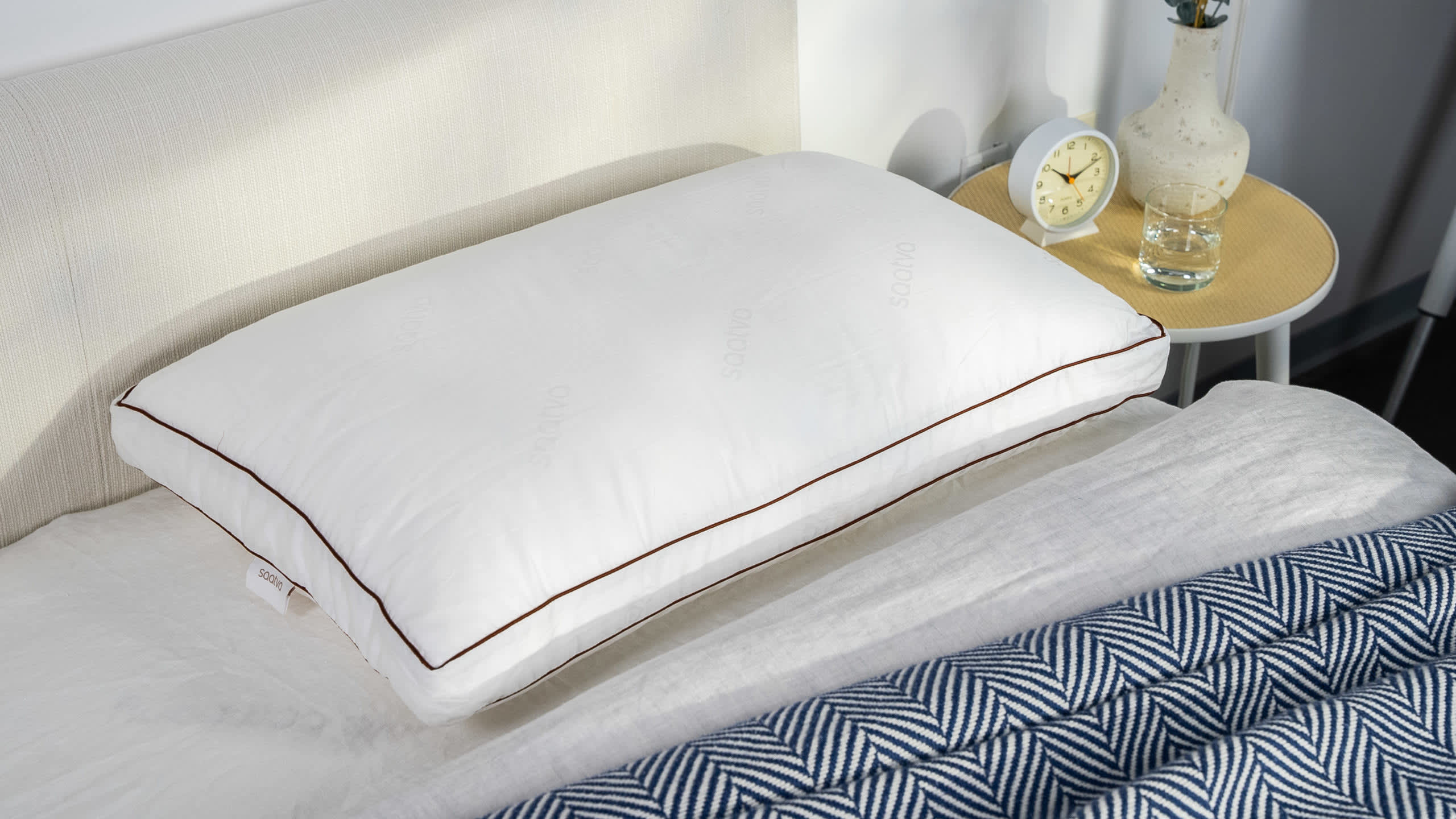
Saatva Latex Pillow
Full Breakdown
The Saatva Latex Pillow features an adjustable design that should appeal to a wide variety of sleepers with different sleep preferences. Our team found this versatile model was especially suitable for combination sleepers who switch between two or more positions over the course of a single night.
How It Performs
When our testers lay their head on the pillow, it contoured to their heads and necks without hugging too closely. It also felt fairly responsive. You can separate the inner pillow from the outer chamber to adjust the pillow’s thickness and overall feel, depending on how much loft you need at any given time. Side and back sleepers preferred the pillow at full volume, whereas stomach sleepers felt more comfortable with just the inner pillow. Thanks to the natural cooling properties of latex, this pillow runs cool at night. The shredded composition also enables air to flow between the latex pieces, compared to a solid piece of latex that offers less ventilation.
Construction Breakdown
The cover is made of organic cotton certified by the Global Organic Textile Standard, a leading authority on sustainably grown materials. The outer chamber is cushioned with down-like microdenier fibers that create a plush feel, and the inner chamber is composed of shredded Talalay latex. The cover and outer microdenier chamber are both fully machine-washable, so you should have no trouble keeping the pillow hygienic.
Saatva provides free ground delivery throughout the contiguous U.S. The pillow comes with a 45-night sleep trial that includes complimentary shipping on all returns, and those who keep it receive a 1-year warranty.
Best for Side Sleepers
8.9/10Test Lab Score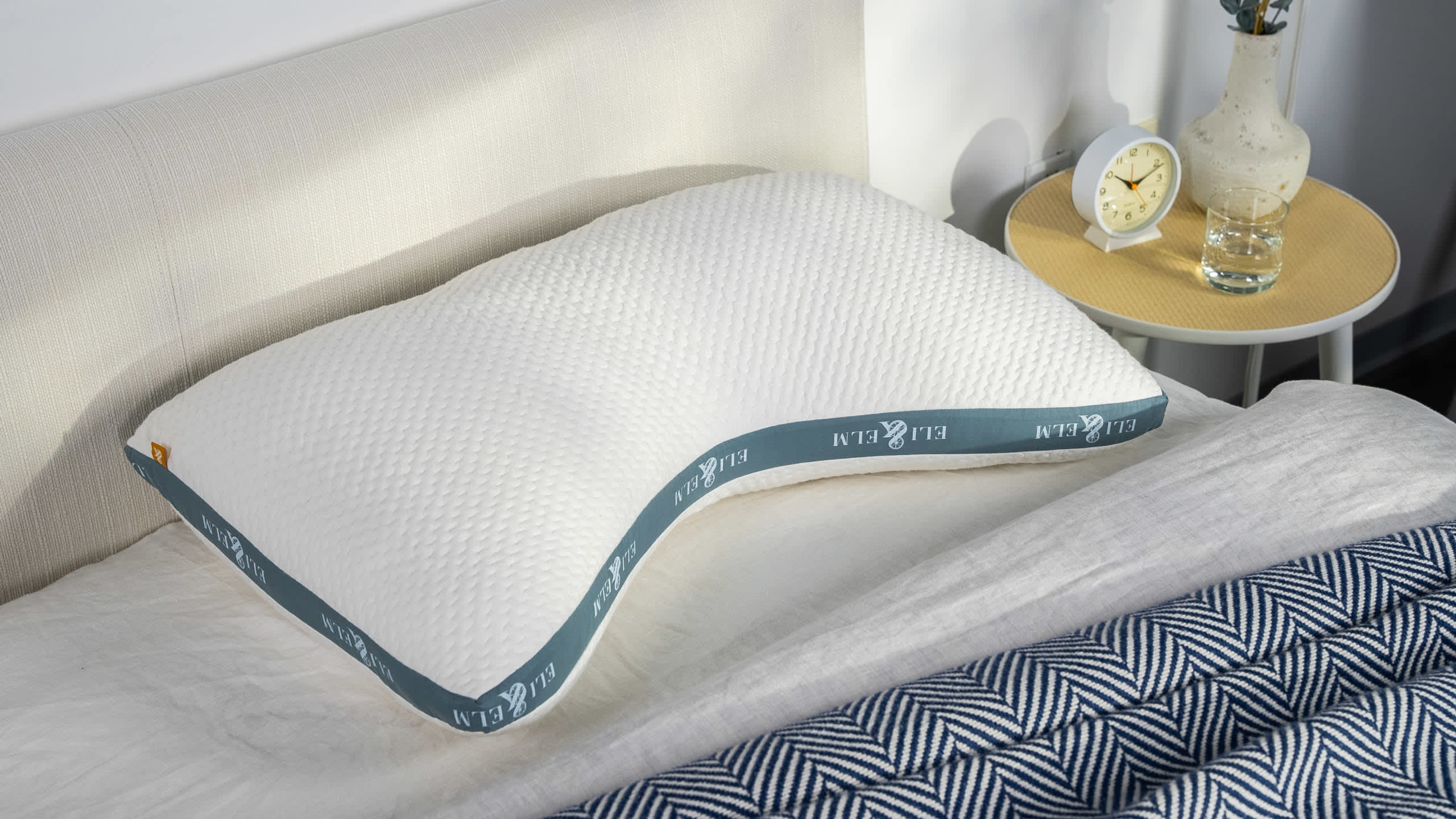
Eli & Elm Cotton Side-Sleeper Pillow
Full Breakdown
Uneven alignment is a common source of shoulder pain, especially for side sleepers. The Side-Sleeper Pillow from Eli & Elm remedies this problem thanks to its curved design. The adjustable fill also allows you to create a firmness and loft that feels just right.
How It Performs
The pillow features a notch at the bottom edge where your shoulders can rest comfortably without sacrificing head and neck support. Our testers found that sleeping with your shoulder on the mattress and neck elevated improved overall alignment and reduced aches and pains along the spine. Temperature regulation is another strength of this pillow. The fill shouldn’t retain too much body heat — a frequent complaint about foam — and the cover was fairly breathable when we lay on the pillow.
Construction Breakdown
The fill consists of shredded latex and plush polyester fibers — and you can add or remove the fill to adjust the loft. The adjustable design made the pillow optimal for most people on our team regardless of their preferred thickness. Changing the volume also made the pillow more comfortable for other sleep positions, even though it is generally intended for side sleepers. The cover is made of a soft cotton-blend cover. You can wash and dry the cover in any household machine, but the fill should never be laundered.
Considering its composition and design, the Side-Sleeper Pillow is very reasonably priced. Eli & Elm also offers free ground shipping anywhere in the contiguous U.S. You can return the pillow and receive a full refund within 45 days of your purchase, even if you’ve used it.
Best Value
9.0/10Test Lab Score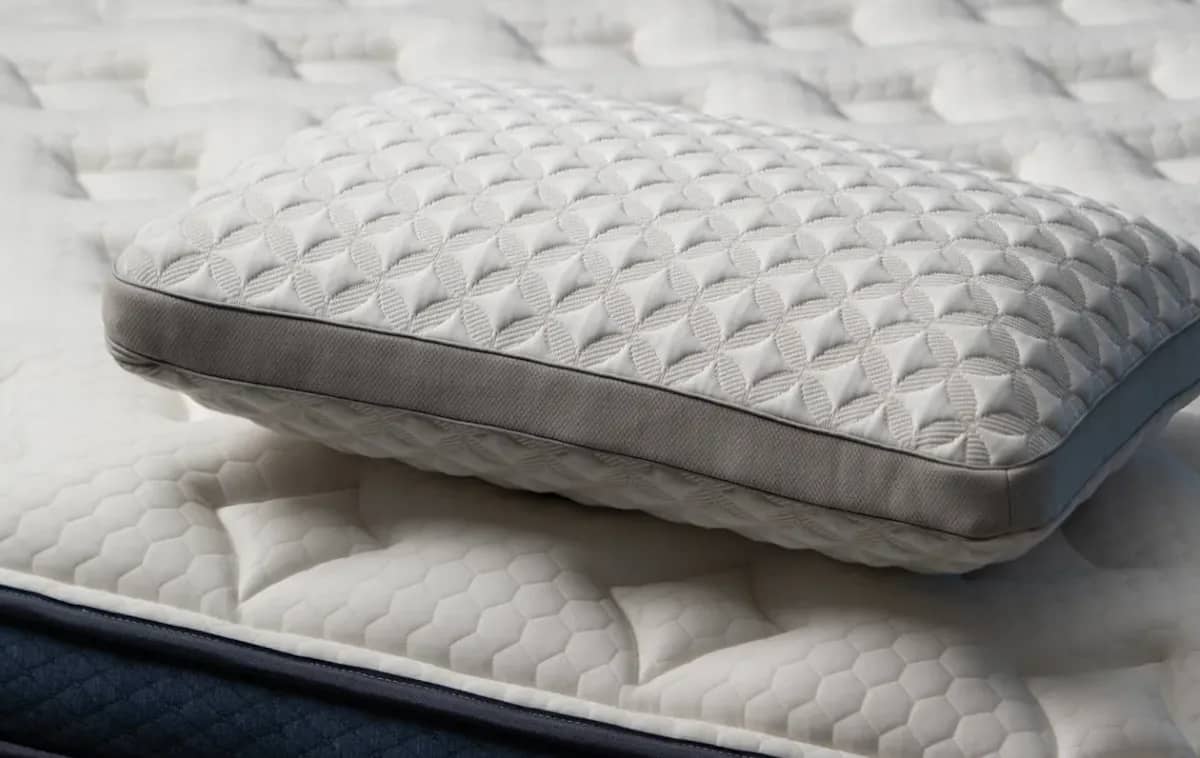
Brooklyn Bedding Talalay Latex Pillow
Full Breakdown
While latex pillows tend to carry higher price-points than other pillow types, the Brooklyn Bedding Talalay Latex Pillow is reasonably priced compared to models made with similar materials.
How It Performs
The pillow is composed of 100% latex with a medium firm feel. You can choose between a low and high loft option. The low option has a 4-inch loft that’s slender enough to avoid lifting the head too high off the bed. While this model offers strong support, the latex has a responsive quality that gently conforms to your head and neck. The high-loft option is 5 inches thick, for sleepers who need or prefer something a bit taller.
The loft and moderate contouring together make this pillow a good fit for side and back sleepers. Side sleepers in particular will enjoy the firm support to fill the space between their neck and bed surface. The pillow is probably too thick for most stomach sleepers, though some may find the low-profile model is thin enough to avoid neck strain.
Construction Breakdown
Latex is a naturally breathable material that helps keep the pillow cool and comfortable. The cover is made of Tencel lyocell, which has natural breathability as well. The perforated design of the latex further enhances airflow, so hot sleepers should find this pillow very comfortable at night. You may machine wash the cover but the pillow insert should be spot cleaned only.
Brooklyn Bedding offers a 30-night sleep trial with this pillow, and a 3-year warranty. Shipping is free to the contiguous U.S.
Best Cooling
8.6/10Test Lab Score
Helix ComfortAdjust Cooling Pillow
Full Breakdown
The Helix ComfortAdjust Cooling is the ideal pillow for hot sleepers who want to reduce their shoulder pain. Packed with shredded memory foam and down alternative clusters, the pillow is fully customizable in terms of loft and firmness — this helps ensure you get the cushioning and support you need regardless of your primary sleep position. A breathable cover adds to the cooling design, and the approachable sticker price is certainly a plus for budget shoppers.
How It Performs
Most members of our testing team awarded high ratings to the ComfortAdjust Cooling Pillow, even if we disagreed about the most comfortable loft and firmness. Side sleepers on our team preferred the fill at maximum volume, creating a thick cushioning between their head and downward-facing shoulder to promote even alignment. Back and stomach sleepers needed less fill to lie comfortably and prevent neck strain.
We found that the pillow absorbs very little heat. This is thanks to the breathable cover and shredded fill that promotes airflow throughout the interior pouch. Moldability is another highlight. Since the fill is quite squishy, you can reposition and reshape the pillow as needed to feel comfortable.
Construction Breakdown
The pillow contains a proprietary fill blend of shredded memory foam and down alternative fibers, giving it a feel that’s both plush and adaptive. The more fill you use, the firmer the pillow will feel, but it never feels excessively hard or inflexible. An inner pouch contains the fill.
For added customization, the pillow features two side zippers. Unzipping both increases the loft and firmness, while zipping both maintains a lower profile. This pillow should never be machine-washed, as this can cause permanent damage. Spot cleaning is recommended instead.
Shipping is free within the contiguous U.S. Your order includes a 30-night trial and 1-year warranty.
Best Pressure Relief
8.4/10Test Lab Score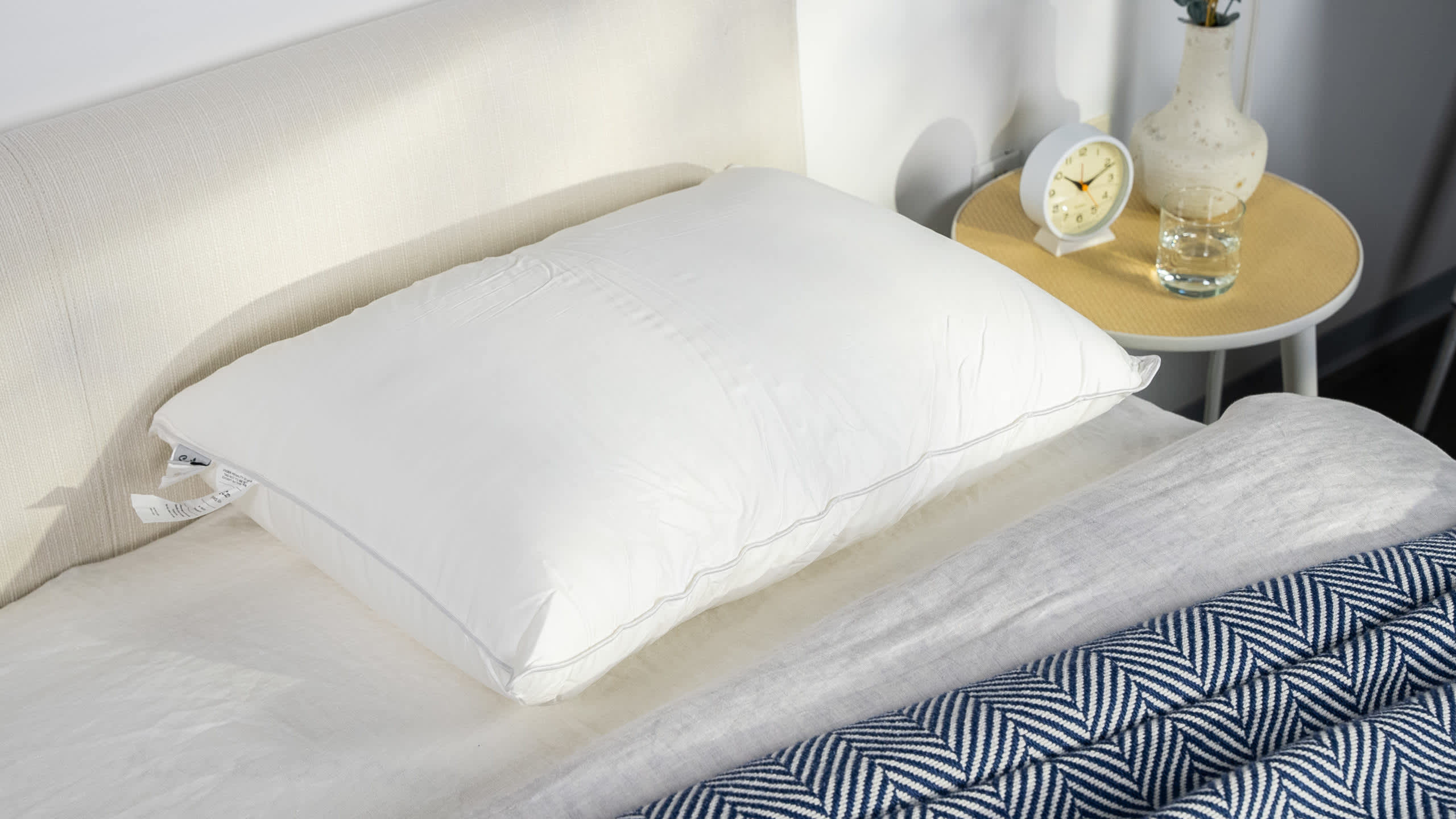
Sweet Zzz Plant-Based Pillow
Full Breakdown
Lack of neck support may be partially to blame for recurring shoulder pain. The Sweet Zzz Plant-Based Pillow offers an exceptionally high loft to keep your head and neck elevated throughout the night. The thick profile and plush fill are particularly well suited to people who enjoy exceptionally soft pillows.
How It Performs
Our hands-on tests show the pillow is thick enough for side sleepers, filling the space between their head and downward-facing shoulder. This helps promote even alignment and reduce pressure buildup that commonly occurs when lying in the side position. Back sleepers on our testing team also felt comfortable on the pillow. If you sleep on your stomach, the pillow will probably be too thick.
Both the shell and fill are highly breathable, so overheating — a common issue with real down — shouldn’t be an issue with this pillow. You may need to fluff the pillow fairly often, as noticed some shifting during our shape retention tests. By the same token, the pillow is very moldable and perfect for snuggling.
Construction Breakdown
The fill consists of soy-based fibers that mimic the softness and fluffiness of real down without potentially triggering allergy symptoms or relying on animal-based materials. A natural cotton shell encases the fill. The fabric has a smooth hand-feel. You can wash and dry the entire pillow in your household machines for quick and easy care. Standard and king sizes are available.
An approachable sticker price and free shipping throughout the contiguous U.S. make the Plant-Based Pillow a good option for shoppers with limited budgets. Your purchase includes a 50-night trial period, during which returns are also free of charge.
Best for Spinal Alignment
9.0/10Test Lab Score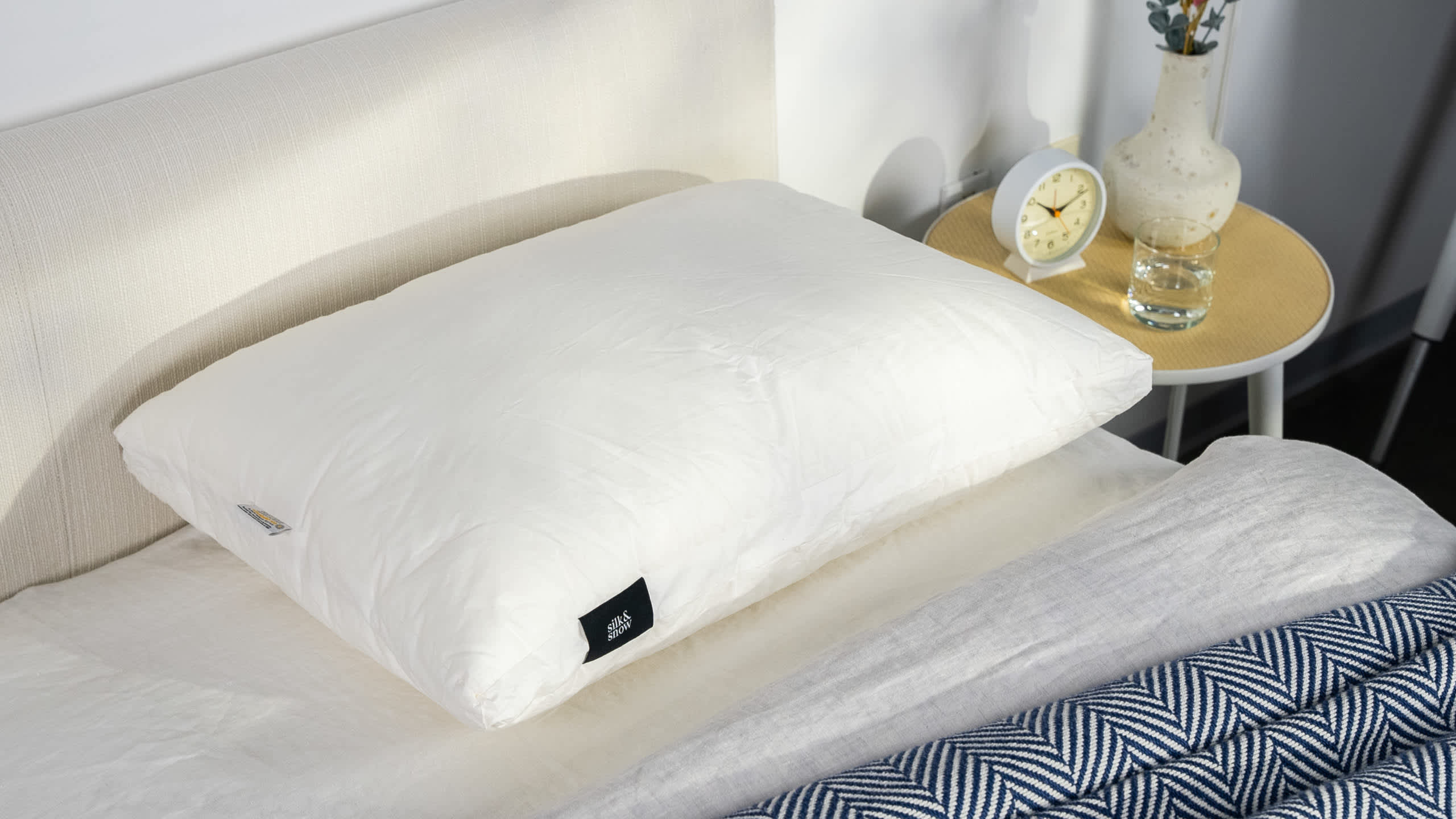
Silk & Snow Pillow
Full Breakdown
Toronto-based mattress and bedding company Silk & Snow designed The Pillow with adjustable comfort in mind. Value-seeking side sleepers should consider this pillow both for its customizable design and fair price-point.
How It Performs
The pillow’s hybrid design balances fluffiness and support, which our testers found suitable for side and back sleepers. The pillow cradled our heads and necks to prevent pressure from building up, while the foam core generated enough support to keep the head elevated. You can also add or remove the foam fill to achieve your sweet spot in terms of firmness and loft.
Construction Breakdown
The Silk & Snow Pillow features a breathable cotton cover that you can remove and machine wash for easy cleaning. The fill is made of shredded memory foam and down-alternative microfiber, which gives you the plush feel of real down without the high price tag. The pillow comes fully stuffed with foam, but you can remove the fill as needed. Two sizes are available, standard and king.
Silk & Snow offers free shipping to the contiguous U.S. and all Canadian provinces. You can try out the pillow with its 100-night sleep trial, and purchases are also backed by a 3-year warranty.
Best for Neck Support
8.6/10Test Lab Score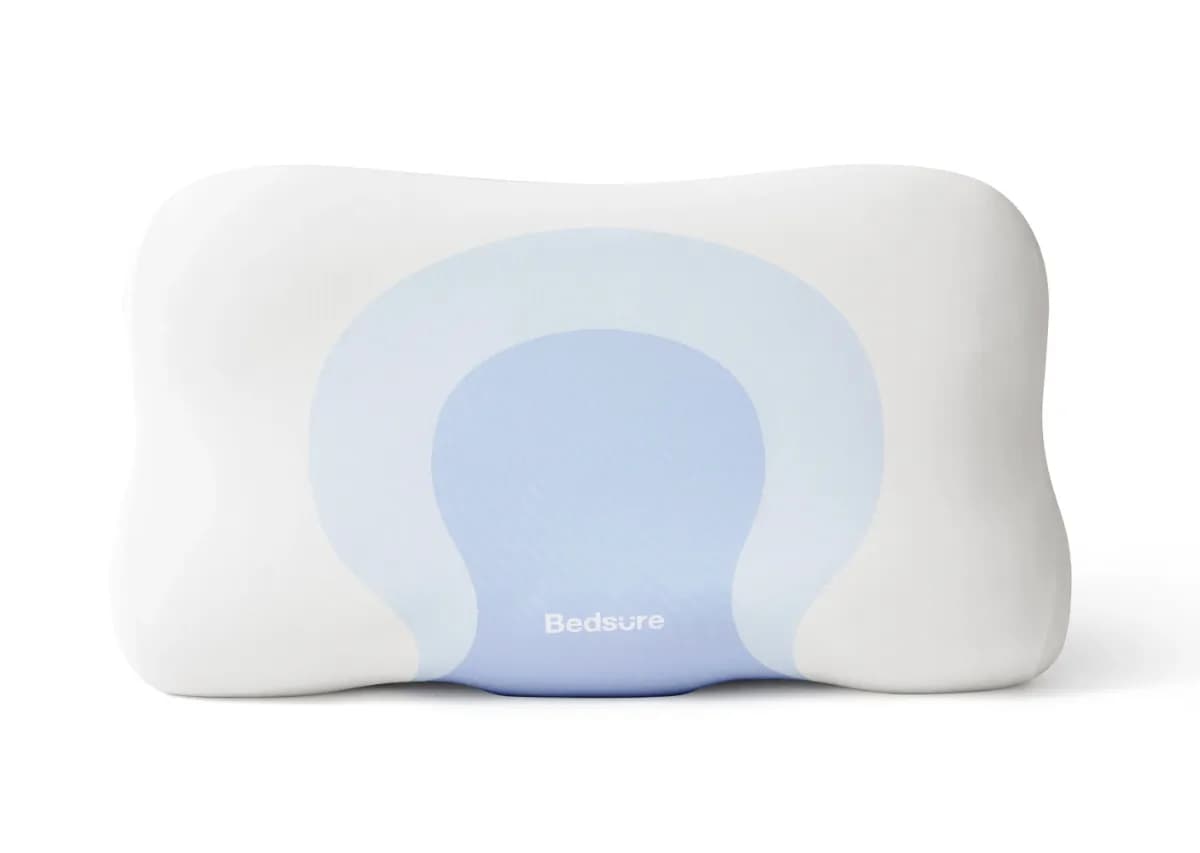
Bedsure OLoop Cervical Pillow
Full Breakdown
Some pillows feel exceptionally soft, creating a plush surface for your head and neck, while others are firmer and much more supportive to keep these areas elevated. With the flippable OLoop Cervical Pillow from Bedsure, you get both firmness options in a single design. Constructed with zoned memory foam on both sides, the pillow provides the right amount of loft to keep your neck aligned with the rest of your spine while cradling your head and taking pressure off your shoulders.
How It Performs
Overall, our team was impressed with the OLoop Cervical Pillow. The versatile ergonomic shape lets you lie on your side or back and still get the right amount of support, while the flippable design allows you to choose how much cushioning you receive — and change the feel of your pillow whenever you want.
Thanks to the solid memory foam core, the pillow offers standout shape retention. You should never need to fluff or primp it before use, and the foam is dense to withstand compression and shape loss over time. One potential downside is bothersome heat retention if you run warm in bed, but most of our testers found the pillow comfortable in terms of temperature regulation.
Construction Breakdown
The OLoop Cervical Pillow contains a single block of memory foam that’s been molded for ergonomic support. Sturdy support bars inside the foam ensure your neck never sinks too deeply into the pillow. The edges are wider to accommodate side sleepers, while the center is plush to cradle the heads of back sleepers. One side of the pillow has mid-range plushness, while the opposite surface feels quite firm.
A polyester cover encases the foam. You can remove and machine-wash the cover whenever a cleaning is needed. One standard size is available with a non-adjustable loft of 5.5 inches, so the pillow is on the thicker side and may elevate the neck too much for stomach sleepers.
The OLoop Cervical Pillow is competitively priced, and you’ll receive a discount if you make a bulk purchase of two or four pillows. Bedsure also offers free ground shipping for customers in the contiguous U.S. Your purchase includes a 30-night sleep trial, during which you can test out the pillow and decide if it’s right for you. If you opt to return the pillow, you’ll receive a full refund minus any associated shipping fees.
Best Adjustable
8.7/10Test Lab Score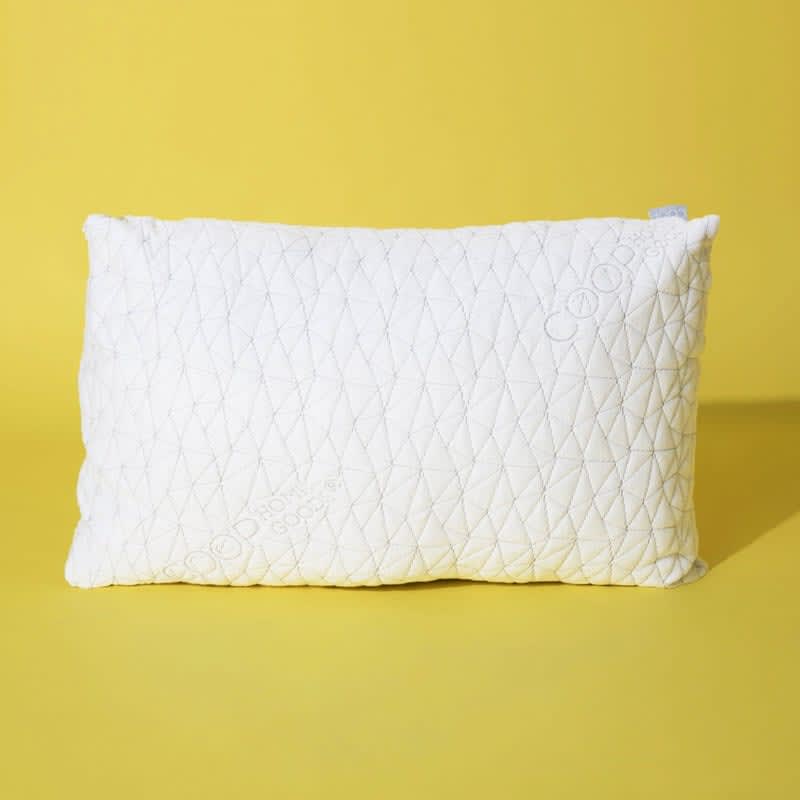
Coop Sleep Goods Original
Full Breakdown
Shoulder pain can occur if you use a pillow that lacks proper neck support, but adequate loft shouldn’t be an issue with the Coop Sleep Goods Original. This customizable model allows you to add or remove the clustered down alternative fill, which changes the loft and overall firmness, and you can choose from three shapes depending on your preferred sleep position. It may take a few nights to nail down your ideal pillow surface, but adjusting the pillow is easy and your order includes extra fill.
How It Performs
The Original Adjustable Pillow earned top marks from most of our testing team. Side, back, and stomach sleepers all found the pillow comfortable, even though they largely disagreed on how much fill was needed for adequate support. The ease of customization means you can perform on-the-spot tweaks at night, though you’ll want a container nearby for discarded fill — it can create a mess on your bedroom floor otherwise.
Temperature control is solid thanks to the breathable cover and low heat retention throughout the interior. Our team was also impressed with the pillow’s shape retention, which we attributed to the gusseted construction. You may need to fluff the pillow periodically, especially if you use a low amount of fill.
Construction Breakdown
The Original’s fill consists of down alternative clusters meant to mimic the plushness and lightness of real down without using animal-based materials, triggering allergy symptoms, or retaining heat. An inner zippered pouch contains the fill. Three shapes are available: a standard rectangular design, a crescent shape for side-back combination sleepers, and a cutout design for dedicated side sleepers.
The cover is a smooth, breathable microfiber fabric that’s resistant to wear and tear. To access the fill pouch, simply unzip the outer cover. You may wash and dry the entire pillow in your household machines whenever a cleaning is needed. Placing the pillow in your dryer can also help expand the fill after a period of steady use.
In addition to its approachable price tag, the pillow also qualifies for free ground shipping within the contiguous U.S. Your purchase includes a 100-night trial period for sleeping with the pillow in your own bedroom, and a 5-year warranty against manufacturing defects that can affect comfort and performance.
Best for Acute Pain: MedCline Acid Reflux Wedge & Body Pillow System
Best for Acute Pain
7.7/10Test Lab Score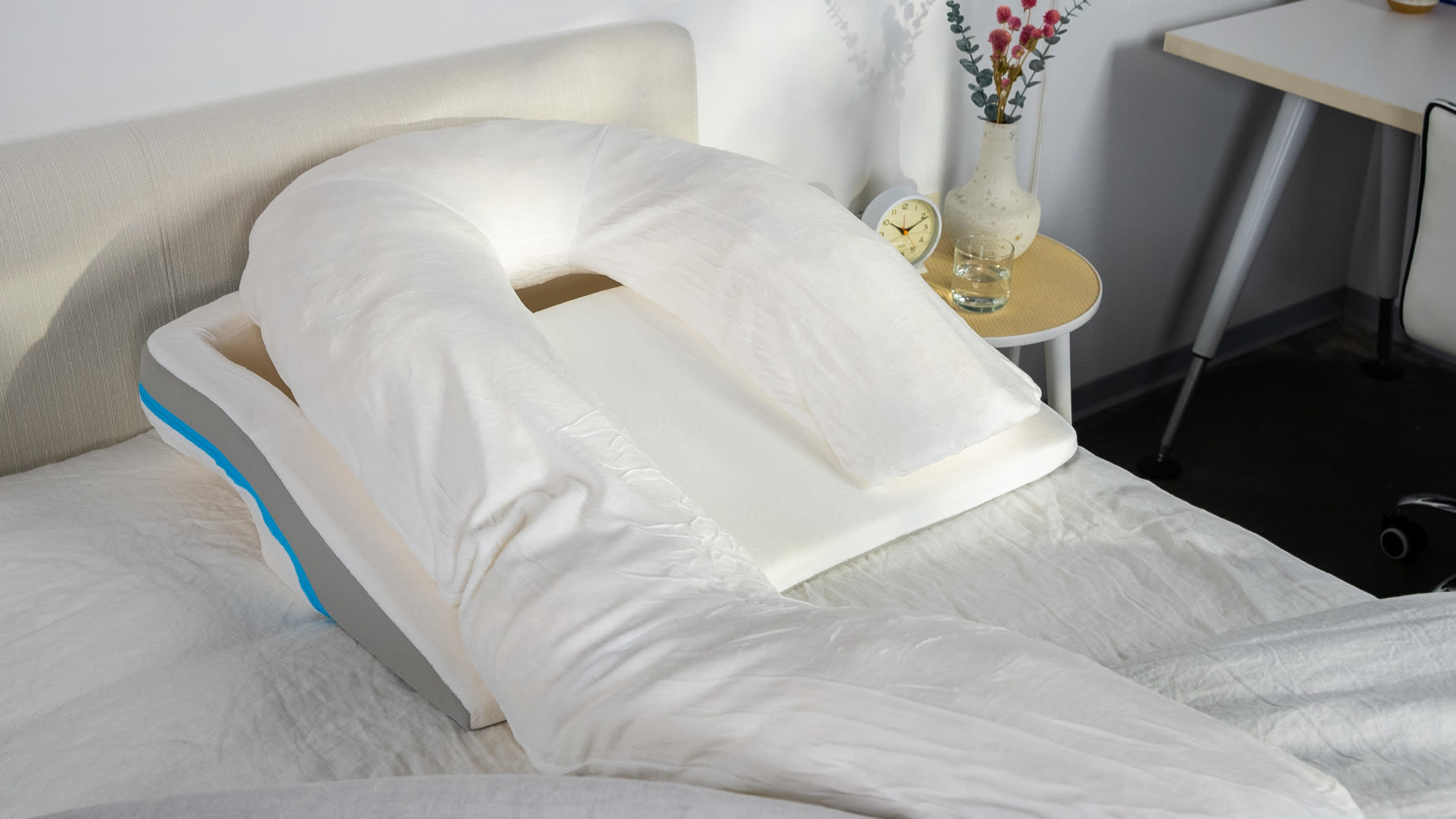
MedCline Acid Reflux Wedge & Body Pillow System
Full Breakdown
MedCline’s Shoulder Relief System is a sophisticated three-piece pillow set designed specifically for people who feel pain or pressure points in their upper body. The system is thoughtfully designed to offer cushioning and support in all the right areas.
How It Performs
Your system includes a body pillow that runs 50 inches long. We found that most side sleepers regardless of their height could tuck the bottom between their legs. You’ll also receive a firm wedge pillow with a slot near the top, in which you put the foam pillow insert. Place the wedge pillow on your mattress and lie on your preferred side while snuggling with the body pillow. Tuck your downside arm into the slot next to the pillow insert – we found this reduces pressure and minimizes the “pins and needles” sensation many side sleepers experience. The wedge pillow has a gradual inclination of 10 degrees designed to take pressure off of your shoulder. Thanks to its symmetrical design, the Shoulder Relief System is suitable for left and right side sleepers.
Construction Breakdown
The body pillow component is filled with shredded foam, which gives it a fluffy feel with contouring properties. The wedge pillow is made of a dense foam to give it firmer support. Each component comes with a machine-washable case, so you shouldn’t have any trouble keeping the items clean. For an extra checkout charge, you can add an extra pillowcase for all three items.
MedCline allows returns after you have tested out the pillow for at least 30 nights. Your purchase also includes a manufacturer’s warranty that covers structural defects in the pillow for up to one year.
Best Pillows for Shoulder Pain Video
In the video below, our sleep experts get hands on with some of our top pillow picks for shoulder pain. Watch the video to get a close-up view of the design and materials of each pillow.
What Is Shoulder Pain?
“Shoulder” is the shorthand term for the ball-and-socket joint that allows both of your arms to move freely. Recent statistics indicate that roughly 15 out of every 1,000 medical patients sees a physician about shoulder pain, and some studies suggest 70 percent of adults will experience shoulder pain at least once during their lifetime.
The shoulder joint consists of three bones: the clavicle (collarbone), scapula (shoulder bone), and humerus (upper arm bone). According to the Mayo Clinic, shoulder pain can also develop from a wide range of injuries and medical conditions. These include the following:
- Broken arm or collarbone
- Torn or injured rotator cuff
- Dislocated or separated shoulder
- Frozen shoulder characterized by pain, stiffness, and loss of range of motion
- Torn cartilage or ruptured tendons
- Osteoarthritis, rheumatoid arthritis, or septic arthritis
- Nerve impingement
- Tendinitis
- Bursitis
- Heart attack
If you experience other symptoms along with the shoulder pain, such as shortness of breath or an uncomfortable tightening sensation in the chest, you should call 911 immediately – these could be signs of a more serious condition. Sudden pain, swelling, warmth, and/or loss of movement may necessitate a visit to the emergency room or your physician’s office.
The Cleveland Clinic also notes several treatment methods for ongoing shoulder pain. Less invasive options include physical therapy, anti-inflammatory medications or injections, or simply resting until the pain subsides. You may need to undergo certain medical procedures if the pain persists or worsens over time. Surgical treatments for shoulder pain include arthroscopy, open shoulder surgery, shoulder resurfacing, and replacement.
Please note: The information and tips in this guide should never replace the advice of a credentialed medical professional. Please contact your physician or another certified healthcare provider to learn more about diagnosing and treating shoulder pain.
Shoulder Pain and Sleep
According to Ruben Gobezie, M.D., founding director and chief of surgery at the Cleveland Shoulder Institute, discomfort in bed and sleep problems are common issues for people with shoulder pain. Patients frequently feel discomfort regardless of which sleep position they employ. Some also feel numbness, tingling, and muscle spasms.
“Sleep and pain have a bidirectional relationship, and the current data suggest that the effects of sleep on pain are likely stronger than the effects of pain on sleep. Focusing on improving your sleep quality may help with your overall pain level. Common changes to sleep quality could include difficulty falling and/or staying asleep, more sleep fragmentation (i.e., more awakenings during the night), early morning awakenings, and unrefreshing/non-restorative sleep.”
– Sarah Silverman, Psy.D., a licensed psychologist and holistic sleep wellness consultant who treats patients in New York and Florida.
While any of the conditions listed above could contribute to shoulder pain-related sleep problems, Dr. Gobezie notes three specific conditions are the most common culprits:
- Bursitis, an inflammation of the bursa sacs that cushion bones around joints in the body. Inflamed bursa produce more liquid which can lead to painful swelling.
- Biceps tendinopathy, a condition that occurs due to prolonged deterioration of the biceps tendon that connects shoulder bones and muscles. Tendinopathy is characterized by sharp pains around the tendon.
- Tears and other injuries to the rotator cuff, a grouping of muscles that cushions and stabilizes the shoulder joint.
Before seeing medical attention for any of these conditions, Dr. Gobezie recommends taking anti-inflammatory medications such as ibuprofen or acetaminophen. You can also try sleeping in a recliner, applying ice or heat to the pain-affected areas, or wearing a compression sleeve.
While replacing your pillow is not always effective, this measure may mitigate some of the nightly shoulder aches and pains that accompany these and other conditions. Dr. Gobezie notes that a large pillow to support the entire body or a smaller pillow behind the upper arm can also reduce discomfort after shoulder operations.
How to Choose a Pillow for Shoulder Pain
Finding a new pillow to reduce shoulder pain might seem like a straightforward task, but there are several factors to consider based on your body type, normal sleep position(s), firmness and thickness preferences, and level of pain. Below, we’ll list some of the most important variables to take into account when choosing a pillow and discuss the most common pillow types based on fill material.
What to Consider When Purchasing a Pillow for Shoulder Pain
If you take pillow manufacturers at their word, then every pillow on the market today will reduce shoulder pain and deliver nightlong comfort regardless of your needs or preferences. However, very few pillows are designed to specifically target and alleviate shoulder pain. Furthermore, a pillow that is not soft, firm, thick, or thin enough can cause added discomfort based on your body type, head size, shoulder dimensions, and sleep position.
Before buying a pillow for shoulder pain, check the following specs – and reach out to the manufacturer if you can’t track down any of these details.
- Loft: Loft, or thickness, affects how supportive the pillow feels. Side sleepers typically need more loft to ensure even spinal alignment, which reduces pressure around the shoulders, lower back, and hips. Back and stomach sleepers often prefer less loft because this allows their head to lie evenly with the rest of their body and lowers their potential for neck and shoulder pain.
- Support: A supportive pillow will keep your head upright while cradling the neck, while a less supportive pillow will sink beneath the weight of your head. Some sleepers prefer the latter but many people with chronic shoulder pain need a pillow that will support the head and cushion the neck and shoulders.
- Firmness level: The ideal firmness level for any given sleeper depends largely on personal preference. Some feel more comfortable on a softer, plusher pillow, while others prefer a pillow that feels firmer and more supportive. Since support is often crucial for pain relief, those with shoulder pain may want to consider a firmer pillow – though excessive firmness can also lead to added aches and pressure points.
- Pressure relief: The best pillows for pressure relief support the head and neck without sinking too deeply. If your head is on the smaller side and your wingspan is somewhat narrow, then a softer pillow provides adequate pressure relief, but those with larger heads and wider shoulders will probably find that a firmer pillow reduces more pressure instead.
- Shape: Some specialty pillows for people with neck pain have irregular shapes that differ from the rectangular cut of traditional pillows. These include wedge pillows that keep the head and neck inclined, and body pillows you can embrace for an added bolster around the neck and shoulders.
- Price: You should be able to find a high-quality pillow that alleviates at least some of your shoulder pain for less than $100. These include wedge pillows, body pillows, and other models with irregular shapes. For a specialized pillow with multiple components, expect to pay a bit more.
- Quality materials: The materials used to construct a pillow can tell you a lot about its expected longevity and supportive qualities. In the next section, we’ll take a closer look at the most popular fill materials for pillows sold today.
What Pillow Materials Are Best for Shoulder Pain?
The best pillow materials include memory foam, buckwheat hulls, latex, and other fills that provide sufficient support to keep the head and neck upright and aligned with the spine. If a pillow sinks too much or loses shape quickly, the potential for more shoulder pain increases.
Memory Foam
Viscoelastic polyurethane foam – memory foam for short – is engineered to soften when exposed to body heat and return to its former shape when the heat is removed. By contouring close to the body, memory foam can alleviate pain and pressure around the neck and shoulders.
Solid memory foam is used to construct many wedge and specialty pillows for neck pain, including a few of our top picks listed above. Shredded memory foam does not provide the same level of support, but many models with this fill offer adjustable loft.
Buckwheat:
Buckwheat pillows are filled with hulls, the hard outer casings of buckwheat kernels. They tend to be quite firm but also highly supportive, so your head and neck won’t sink too deeply into the surface. Buckwheat pillows also offer adjustable loft. By adding or removing the hulls, you can make the pillow more comfortable for different sleep positions.
Latex
Latex is a naturally resilient material derived from the sappy extract of rubber trees. It provides gentle contouring and won’t conform as closely as memory foam, but latex is also highly durable and retains its shape well over time.
Down
Down refers to the soft inner plumage of ducks and geese located beneath their outer feathers. It is exceptionally soft and light, so resting your head and neck on a down pillow can alleviate tension and pressure to some degree. Denser and thicker down pillows tend to be better for side sleepers because they fill the gap between their head and downward-facing shoulder. The same is true for some back sleepers, while other back sleepers and most stomach sleepers prefer softer, thinner pillows.
Down Alternative
Made from polyester microfibers, down alternative is a very soft and light material designed to mimic authentic down. Down alternative is hypoallergenic, making it suitable for people with down allergies, and these pillows tend to be much cheaper than their authentic counterparts. People with shoulder pain should consider a down alternative pillow with densely packed fill, or an adjustable design – otherwise they might not get enough support from their pillow.
Feather
The outer feathers of ducks and geese are slightly more supportive than down, but they still provide minimal levels of support. Unless you prefer a softer pillow, a feather-filled model may not keep your head and neck upright.
Polyfoam
Like memory foam pillows, polyfoam pillows may contain solid or shredded fill. Polyfoam doesn’t contour too closely and feels somewhat responsive foam, so these pillows may be a good alternative to memory foam models if you find the latter too adaptive.
What Is the Best Pillow Positioning for Shoulder Pain?
If you experience chronic shoulder pain, it’s entirely possible that no sleep position will feel totally comfortable. However, certain angles and pillow configurations may reduce some types of shoulder pain better than others, depending on specific condition and symptoms. Four useful pillow positioning arrangements are outlined below:
Side with pillow in armpit: A good rule of thumb for side sleepers with pain in one shoulder is to avoid lying on the affected side. With the sore shoulder upright, place one pillow under that shoulder’s armpit, another between the legs, and cuddle with a third pressed against your stomach. With a fourth pillow beneath your head, this configuration should promote even spinal alignment and help alleviate your shoulder pain.
“Side sleepers tend to need a high-loft pillow for support and to fill the space beneath the head and neck to promote proper spinal alignment. Keep your head and neck in alignment at around 30 degrees with the help of a good pillow so your airway stays open during the night, allowing air to flow from your nose to your lungs without obstruction.”
– Sarah Silverman, Psy.D., a licensed psychologist and holistic sleep wellness consultant who treats patients in New York and Florida.
Back with pillow in armpit: Since back sleeping promotes even spinal alignment without putting added pressure on either shoulder, this is often the best position for people with shoulder pain. If you notice soreness or stiffness in one or both shoulders, try placing a pillow in the armpit beneath the shoulder(s).
Side with pillow between knees: Often the chosen pillow position for pregnant women, a pillow between the knees can improve spinal alignment for side sleepers by reducing pressure in the lower back and hips.
Side with pillow under back: Side sleepers with broad shoulders often experience uneven alignment because their hips and lower back don’t receive the same level of cushioning. A thin pillow placed under the back and hips can even out the spine and alleviate pain throughout the body – including the shoulders.
Stomach sleeping is generally associated with more aches and pains than back or side sleeping. Neck and shoulder pain from craning the neck to avoid lying face-down on the pillow is a common issue for stomach sleepers. For this reason, we don’t recommend stomach sleeping for people with shoulder pain.
Other Tips for Shoulder Pain Sufferers
In addition to using a pillow that offers adequate support, sleepers with shoulder pain can try one or more of the following strategies in order to find relief.
Choose the right mattress: As with pillows, a mattress can help reduce shoulder pain or exacerbate your discomfort – and again, this usually comes down to support level. A mattress that feels too soft and sinks excessively can worsen shoulder pain.
Generally, side sleepers feel more comfortable on softer mattresses because they cushion the shoulders and hips while supporting the lower back, leading to better spinal alignment. The back position already promotes proper alignment on its own, so these sleepers need more firmness and support to prevent excessive sinkage beneath the shoulders.
Engage in physical therapy or stretching: Physical therapy and stretching are commonly prescribed to medical patients with shoulder pain. The nature of these treatments largely depend on the nature of your injury and severity of symptoms, so please consult your doctor or another credentialed medical provider for more information.
Practice good posture: Slouching while sitting can greatly exacerbate shoulder pain. According to the Mayo Clinic, certain exercises can not only improve posture but also reduce pain in the process. These include “rolling the shoulders up and back, then letting them relax down, tucking chin down slightly, and sitting up from the hips.” You can also try standing against a wall by resting your head, lower back, and hips against the surface with your shoulder blades down and close together.
Frequently Asked Questions
Can the wrong pillow make shoulder pain worse?
Absolutely. If a pillow does not provide enough support for the head and neck, then you’re more likely to feel new or worsening shoulder pain. A less durable pillow that flattens or loses shape over time can mean more pain, as well. The best pillow for shoulder pain should properly support the head and neck, promote spinal alignment, and stabilize the affected shoulder(s).
What is the most important consideration when choosing a pillow for shoulder pain?
The most important factors when choosing a pillow for shoulder pain include loft (or thickness), firmness, shape, and fill material. Since everyone has different pillow preferences, we suggest trying different models to see which ones alleviate pain. As you’re starting out, consider pillows that offer sleep trials with free or mostly free returns. You’ll be able to test out these models without financially committing to them at first.
Can a mattress topper help with shoulder pain?
A mattress topper is a thin layer of cushioning material that rests on top of the mattress surface. Toppers are intended to change the firmness of the mattress – either softer or firmer – so using one can definitely reduce shoulder pain if your mattress sinks too much or feels excessively stiff. However, make sure the pillow you’re using also suits your needs; otherwise the topper on its own may not provide much pain relief.

Still have questions? Ask our community!
Join our Sleep Care Community — a trusted hub of product specialists, sleep health professionals, and people just like you. Whether you’re searching for the perfect mattress or need expert sleep advice, we’ve got you covered. Get personalized guidance from the experts who know sleep best.
Logan is a Certified Sleep Science Coach with a deep understanding of what it means to struggle with sleep. Her years of experience researching and testing sleep products – including mattresses, natural sleep aids, and bedding – are critical to her role helping lead the editorial team. When she’s not testing mattresses or researching CBT-I, she enjoys spending time in the sunshine with her husband and her dogs Pepper and Winston.
Dr. Iyo is a Doctor of Physical Therapy at an orthopedic clinic in Seattle. She specializes in hands-on therapy and tailored exercise programs.
Learn more about our medical advisory board
Best Pillows for Shoulder Pain in 2026
Are you in the market for a pillow that alleviates shoulder pain? Our best pillow…
Best Hotel Pillows of 2026
The best hotel pillows add luxury and comfort to your bed. Our guide will showcase…

Best CPAP Pillows of 2026
Choosing the best CPAP pillow is more complicated than it looks, but we’ll walk you…