
 10% off Home Sleep Tests
 When you buy through our links, we may earn a commission. Products or services may be offered by an affiliated entity. Learn more.
The Best CPAP Masks of 2026


If you’re new to CPAP, or just in the market for a new machine or accessories, you might be wondering how to go about choosing the right CPAP mask to suit your needs. The right CPAP mask is key to ensuring your PAP therapy is both effective and comfortable, and that ultimately comes down to fit, breathing style, sleeping position, machine compatibility, and the technical features you need.
Our testing team, which includes respiratory therapists and sleep product experts with decades of experience, reviewed the majority of the CPAP masks available today in an effort to help you pick the best mask for you. In this guide, we’ll introduce you to our top picks of the year and walk you through what you need to know before you buy.
Our Top Picks
Best Overall
:ResMed AirFit F20 Full Face CPAP Mask
Shop Now
Best for New CPAP Users
:Philips Respironics DreamWear Full Face CPAP Mask Fit Pack
Shop Now
Best Nasal Mask
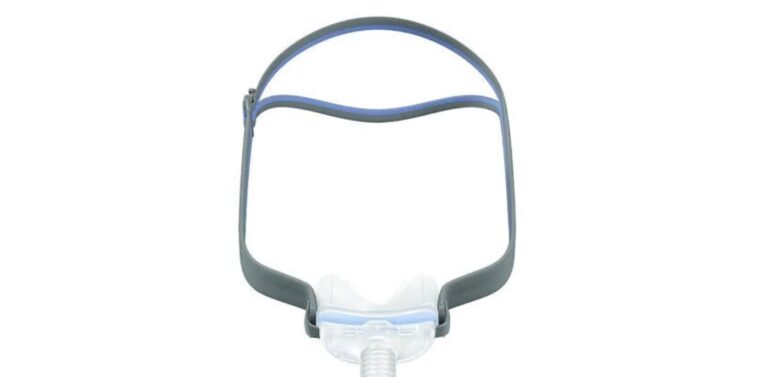
:ResMed AirFit P10 Nasal Pillow CPAP Mask
Shop Now
Best Hybrid Mask
:ResMed AirFit F30 Full Face CPAP Mask
Shop Now
Best Compact Mask
:Fisher & Paykel Evora Full Face Compact CPAP Mask Fit Pack
Shop Now
Best Overall: ResMed AirFit F20 Full Face CPAP Mask
Best Overall
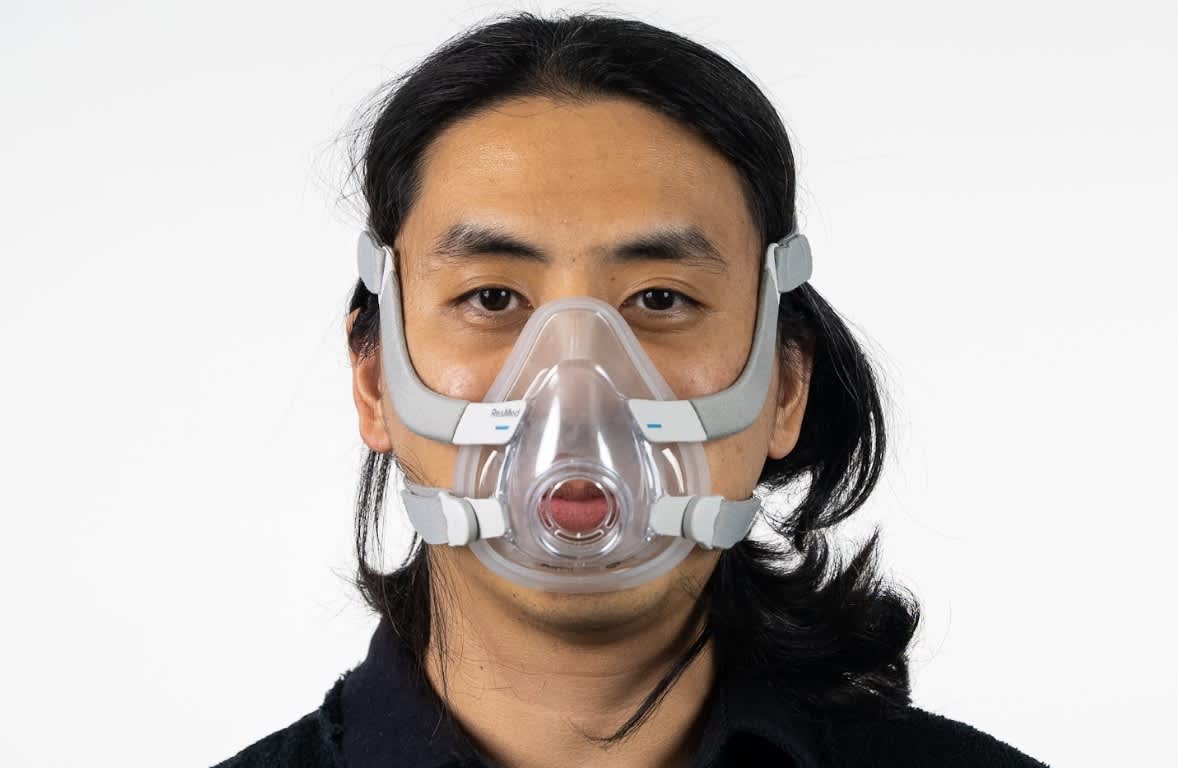
ResMed AirFit F20 Full Face CPAP Mask
For many CPAP users, full face masks are a constant source of discomfort due to their bulky designs and heavy hardware. If this applies to you, you’re an excellent candidate for the ResMed AirFit F20. This mask features gentle silicone cushions and headgear with elastic straps that mold to your face. You can also choose from three cushion sizes as well as standard or “for her” designs, ensuring most people can find a model that fits comfortably and securely.
What Does It Do?
Four elastic, adjustable straps with magnetic clips allow you to customize the mask’s fit easily. These straps make the headgear feel relatively lightweight. ResMed offers two size categories — “standard” and “for her” — each with small, medium, and large options. This size selection is fairly extensive compared to other full face masks on the market today. All masks come with silicone cushions, but it’s also compatible with ResMed Memory Foam Cushions. An elbow port allows you to attach and detach the connective hose with ease.
Why We Like It
Those who experience irritation in their nostrils should enjoy the AirFit F20’s silicone cushions. Unlike many competing masks, this model does not include a forehead strap. This provides full visibility when reading or watching TV before bed. Thanks to the wide size range, most men and women should be able to find at least one design that feels comfortable.
Another notable feature is the QuietAir vent, which minimizes noise output from your CPAP machine down to 21 decibels. This may be handy if you’re a light sleeper, or if you and your partner struggle to sleep soundly when your CPAP device is in operation.
The AirFit F20 is fairly affordable and standard shipping is free for all U.S. orders. Unused masks may be returned within 60 days of receipt.
Best for New CPAP Users: Philips Respironics DreamWear Full Face CPAP Mask Fit Pack
Best for New CPAP Users
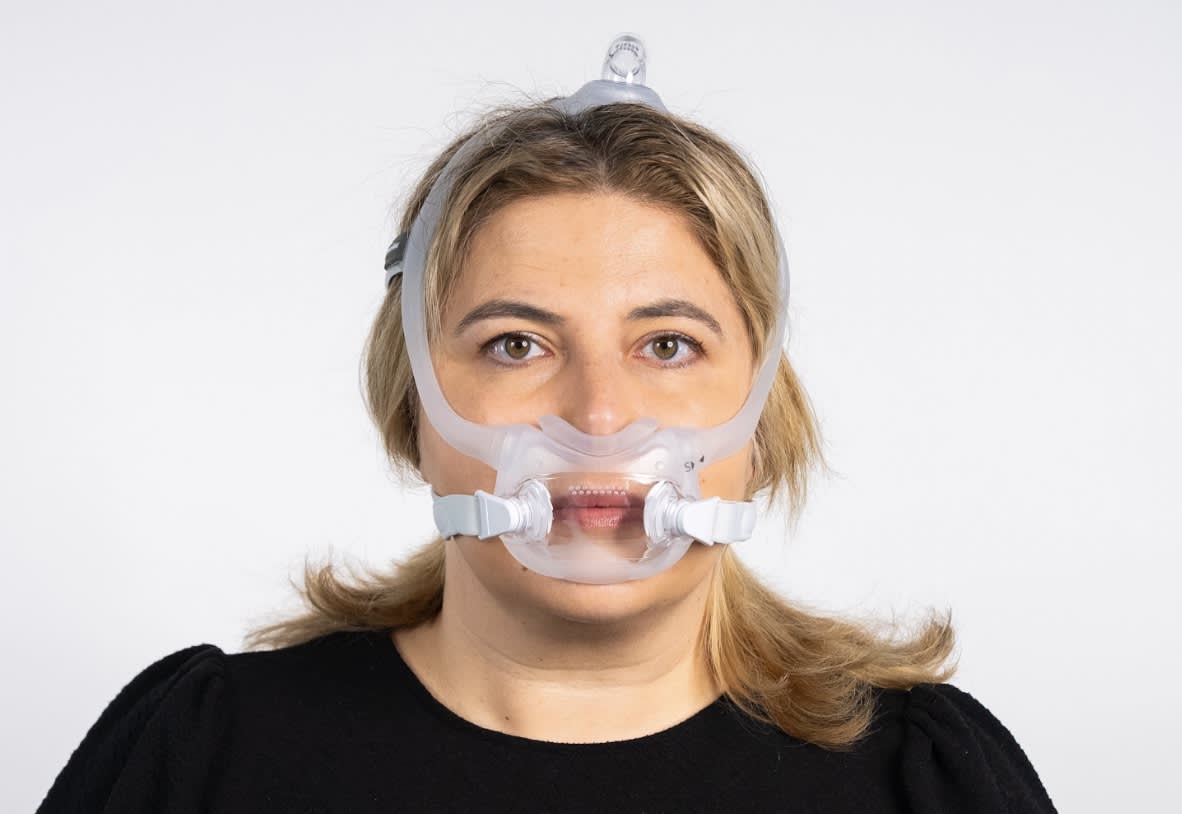
Philips Respironics DreamWear Full Face CPAP Mask Fit Pack
Made by Philips Respironics, the DreamWear Full Face CPAP Mask is designed to accommodate active sleepers. Unlike many competing full-face pillow masks, the DreamWear has a lower-profile design that forms a seal around the nose and mouth while making minimal contact with your face for optimal comfort. With this fit pack, you’ll receive cushions in four sizes to help you narrow down the most comfortable option.
What Does It Do?
The DreamWear features several clever design elements for sleepers who toss and turn in their sleep. The tubing attaches to a swivel connector at the top of the head. This gives the tubing greater freedom of movement and also makes it less likely to become tangled and disturb your mask’s seal if you move around in your sleep.
Why We Like It
The DreamWear features a slip-resistant frame that helps to keep the cushion in place and securely sealed, even if you sleep on your side or stomach. The combination of the DreamWear’s soft, flexible silicone cushion and its cushioned head strap make this a comfortable option. The mask is compatible with all CPAP machines and connects with standard CPAP tubing. With a mid-range price for a full-face CPAP mask, the DreamWear is also a great value.
Unused masks may be returned within 60 days of delivery. Ground shipping is free of charge for customers in the contiguous U.S.
Best Nasal Mask: ResMed AirFit P10 Nasal Pillow CPAP Mask
Best Nasal Mask
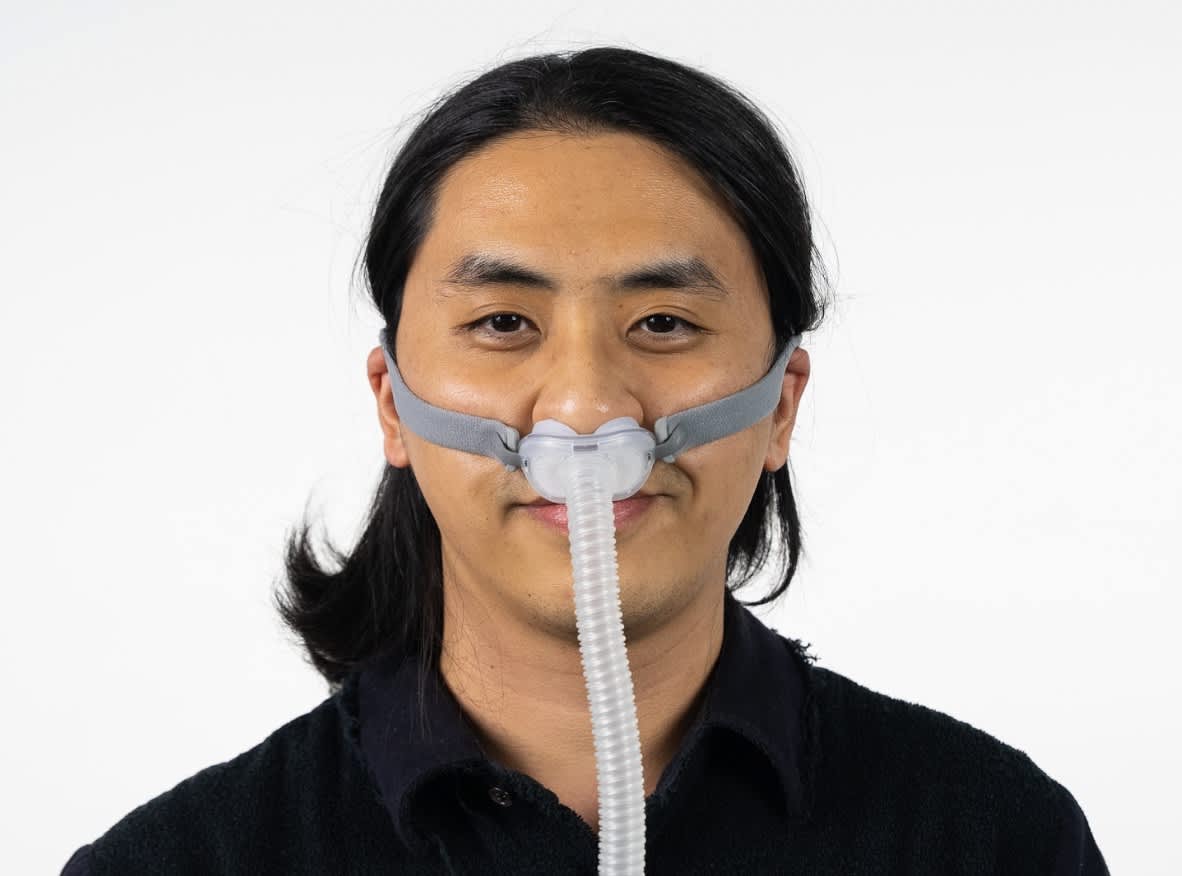
ResMed AirFit P10 Nasal Pillow CPAP Mask
If you don’t need high pressure settings for your CPAP therapy, a nasal mask should deliver adequate airflow without completely covering your nose and mouth or obstructing your line of sight. ResMed’s AirFit P10 offers an ultra-slim profile with minimal contact to your face and a flexible, lightweight fit. At the same time, the cushions form a secure seal around both nostrils — this ensures steady, uninterrupted airflow throughout the night.
What Does It Do?
The AirFit P10 is engineered with QuietAir Technology, which reduces your CPAP machine’s noise output. This add-on can be a game-changer for people who lose sleep because their device is too loud. Ease of assembly and removal is another selling point. The headgear consists of three components that easily attach and detach, so you shouldn’t struggle too much with putting on or removing the mask.
The cushions are made of gentle silicone, which molds to the unique contours of your nasal openings. Small, small-wide, and medium sizes are available. While the silicone is designed to be soft, some irritation may occur around the nostrils. The AirFit P10’s product page on Sleep Doctor features a handy chart for determining which cushion size is best for you.
Why We Like It
Since the frame does not contain any magnetic clips, this mask is suitable for CPAP users with pacemakers, metallic eye splinters, and other metallic metal implants. According to a 2023 FDA advisory, people with these implants should avoid CPAP masks with metallic clips until further notice, as using these masks can pose health and safety risks.
The P10’s’s slim profile is also ideal for side sleepers, people who wear glasses, those who sport facial hair, and anyone else who finds full-face masks too bulky or cumbersome. That said, sleepers who are prone to congestion and those who need high pressure settings during CPAP should consider a larger, more robust mask.
The AirFit P10’s sticker price is on par with that of the average nasal CPAP mask. Additionally, Sleep Doctor offers free ground shipping within the contiguous U.S. You may return the mask new and unopened within 60 nights for a full refund, minus any associated shipping charges. The mask is also covered under a 90-day warranty.
Best Hybrid Mask: ResMed AirFit F30 Full Face CPAP Mask
Best Hybrid Mask
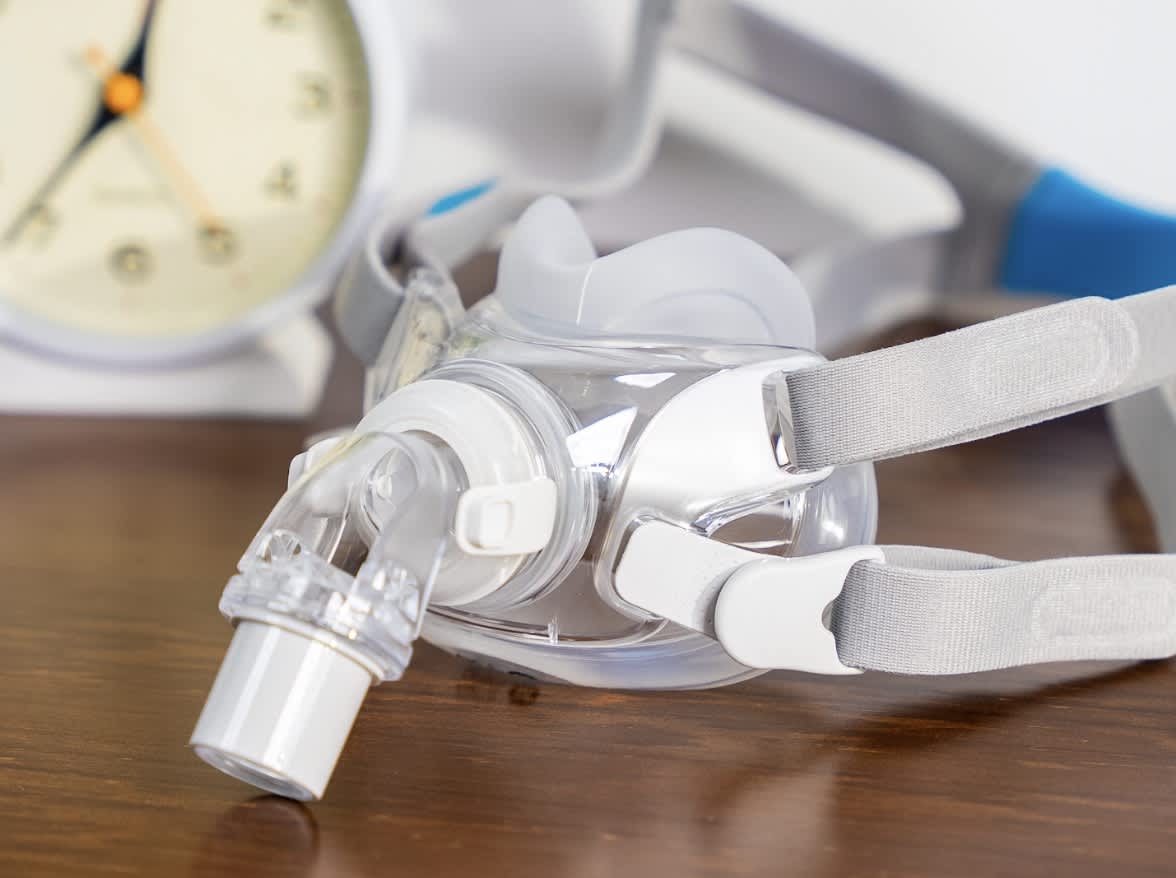
ResMed AirFit F30 Full Face CPAP Mask
If you primarily breathe through your mouth, a full-face mask is probably the most comfortable option for your CPAP therapy. ResMed’s AirFit F20 is more streamlined than the majority of competing full-face models on the market. The straps don’t cover your forehead or block your eyes, allowing you to wear glasses and watch television during your therapy without sacrificing steady airflow.
What Does It Do?
Like other full-face masks, the AirFit F30 is ideal for people who’ve been prescribed high pressure levels for their CPAP therapy. The mask forms a tight seal around the nose and mouth with silicone cushions padding both nostrils — this helps ensure air won’t leak. An elbow port for the connective tubing allows you to change sleep positions without compromising the secure fit.
The straps are adjustable and outfitted with magnetic clips, so putting on and taking off the mask is a hassle-free process. Cushions are available in small and medium sizes. You can use the sizing gauge on Sleep Doctor’s product page for the mask to determine the most comfortable option based on your facial dimensions.
Why We Like It
The AirFit F30’s streamlined design makes it suitable for people who otherwise might not like wearing full-face masks, such as those who wear glasses or enjoy watching television in bed before falling asleep. Side sleepers can also benefit from the mask’s excellent freedom of movement, which is due in large part to the elbow port connection for the connective tubing. Those who don’t need high pressure levels during CPAP can probably get by with a nasal or nasal pillow mask, but you should discuss the best options with your doctor.
Approachable pricing and free shipping within the contiguous U.S. make the ResMed AirFit F30 a solid choice for budget-conscious shoppers. You’ll also receive a 15% discount on your order if you sign up for a subscription with Sleep Doctor. New and unopened masks may be returned within 60 nights of the delivery date. You’ll receive a full refund during this time frame, but are responsible for return shipping charges.
Best Compact Mask: Fisher & Paykel Evora Full Face Compact CPAP Mask Fit Pack
Best Compact Mask
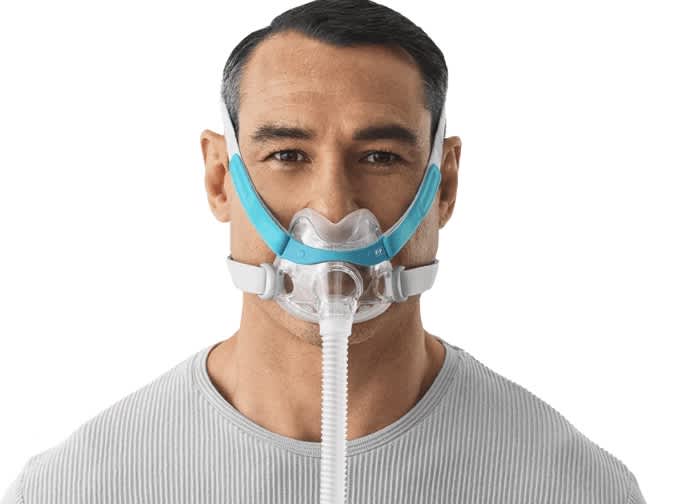
Fisher & Paykel Evora Full Face Compact CPAP Mask Fit Pack
The Evora Full Face Compact CPAP Mask from Fisher & Paykel has a streamlined silhouette and lightweight design that makes it lighter and less intrusive than most competing full-face masks. If you opt for this fit pack, you’ll receive cushions in extra small, small-medium, and large sizes
What Does It Do?
The Evora is ideal for people who need high pressure settings during CPAP. The mask creates a secure seal around your mouth with silicone cushions located directly beneath your nostrils. The headgear does not block your vision whatsoever, and you can adjust the straps to your liking.
A VentiCool mesh panel rests against the back of your head — this component is intended to keep you cool and dry during the night. You can use the sizing gauge on Sleep Doctor’s product page for the mask to determine the most comfortable cushion size based on your facial dimensions.
Why We Like It
The Evora’s compact design is well suited to people who have found other full-face masks too heavy or cumbersome, as well as those wear glasses, sport facial hair, or watch television in bed. Those who don’t need high pressure levels for their CPAP therapy will probably prefer a lighter nasal or nasal pillow mask — talk to your doctor about the best options for you.
Standard shipping is free of charge for U.S. customers. Those who register for a subscription with Sleep Doctor also receive a 15% discount on their purchase. New and unopened masks may be returned within 60 nights.
What Is a CPAP Mask?
A CPAP mask directs pressurized air from your CPAP machine into your airway via your nose, mouth, or both. Their designs vary significantly, but there’s usually a cushion that seals against or over your nose or mouth or pillows that sit in your nostrils, a connector from the mask to your CPAP hose, a headgear for stability, and a frame to hold it all together.
There are five different mask styles, and each has a distinct feel depending on how they seal and cover different parts of your face.
CPAP mask parts need to be replaced regularly to keep your mask hygienic and in good condition. These parts can be purchased separately but are a recurring cost to keep in mind when choosing a mask.
Types of CPAP Masks
There are three common CPAP mask types, as well as two mask types that are used less often since they are designed to address specific issues. No mask type is inherently better than the others, so you should choose the one that works best for your needs.
| Mask Type | Description | Who They’re Best for |
|---|---|---|
| Full-Face Mask | A full face mask delivers air to both your nose and mouth. Most start at the bridge of your nose and end below your lower lip, though some have a lower profile. | Full face masks can generally accommodate higher air pressure settings and are recommended if you breathe through your mouth while asleep. |
| Nasal Mask | Most nasal masks extend from just above the mouth to the bridge of the nose. Nasal cradle models seal beneath the nose for a lower profile. | Nasal masks are a popular choice for side and stomach sleepers, as well as active sleepers and people who find full face masks claustrophobic. |
| Nasal Pillow Mask | Nasal pillow masks feature soft silicone or gel inserts that seal inside the nostrils. They are the lowest-profile CPAP mask type. | Nasal pillow masks have many of the same benefits as nasal masks, in addition to having an even more streamlined and lightweight design. |
| Total Face Mask | A total face mask goes over your entire face, from the chin to the forehead. These masks provide airflow through both the nose and mouth. | These masks may be useful for people who require high air pressure levels or who find it hard to get a good seal with other types of masks. |
| Oral Mask | Oral masks seal around your mouth while leaving your entire nose uncovered. | Oral masks are not commonly used, but they may be recommended if you breathe almost entirely through your mouth. |
How to Choose a CPAP Mask
If you’re in the market for a new CPAP mask, knowing what to look for when shopping can help you find the best mask for your needs.
Doctor’s Orders
When looking for a CPAP mask, start by taking into account any recommendations from your doctor. To effectively treat sleep apnea, you need a mask that is appropriate for your breathing patterns. Your health care team can help guide you to a mask that works well and is also comfortable.
Sleeping Position
Your sleeping position can directly affect the type of CPAP mask that you can comfortably wear. If you sleep on your side, you may struggle with a bulky mask or a mask with headgear that runs along the side of your face. When sleeping on your stomach, you normally need a lower-profile mask. If you are a back sleeper, you may prefer a mask that allows the tubing to connect at the top of the frame.
Fit and Size
Having the right size mask that fits properly creates a seal so that pressurized air from the CPAP machine flows into your airway without leaking. Headgear and straps can also affect how well the mask fits against your face. You may need to try out a few different mask models to find one that has the right size and fit.
Mask Comfort
You want to find a CPAP mask that is comfortable enough to wear for many hours every night. Comfort can depend on a mask’s materials and design, including how it feels against your face, whether it obstructs your vision, and where the straps are positioned. Consider your personal comfort preferences and issues like allergies or sensitive skin when choosing a mask.
Machine and Hose Compatibility
Your CPAP mask must be compatible with the tubing of your CPAP machine, and the tubing and mask have to connect without any air leaks. While most CPAP hoses are designed for universal compatibility, some travel CPAP machines have proprietary tubing that’s only compatible with certain masks from the same brand.
Product Recalls
Recalls involve pulling a product off the market because of a safety concern. For example, in 2022, Philips Respironics issued a product recall for several mask models due to concerns over magnetic clips negatively interacting with implanted medical devices. More recently, ResMed issued a safety notice regarding a similar magnet issue. Speak with your doctor if you’re concerned about the safety of any CPAP mask or machine you’re considering.
Where Can You Buy a CPAP Mask?
You can buy a CPAP mask online or from a brick-and-mortar CPAP equipment supplier. Some sleep clinics may also offer CPAP masks. Since fully-assembled CPAP masks are considered a Class II medical device by the U.S. Food and Drug Administration, they are only available from authorized retailers and require a prescription for purchase. If you buy online, you’ll have to submit your prescription prior to checkout.
Shopping online is convenient and gives you access to a wide selection and competitive pricing. Buying direct from a sleep care specialist can ensure compatibility, and shopping in a retail store lets you see and try on a mask in person before making a purchase.
How Much Does a CPAP Mask Cost?
Most CPAP masks cost between $50 and $200. The price depends on the type of mask and its materials and features. If you have health insurance, your plan may cover some or all of the costs of a CPAP mask.
Do You Need a Prescription to Buy a CPAP Mask?
You need a prescription from a licensed medical provider in order to buy a CPAP mask. Regardless of whether you’re shopping online or in person, we suggest having a copy of your prescription ready.
Although a complete mask requires a prescription, replacement components, such as mask cushions or headgear, can be purchased without a prescription.
Will Insurance Cover the Cost of a CPAP Mask?
Many health insurance plans, including Medicare and Medicaid, provide coverage for CPAP masks under certain conditions. Most online CPAP retailers do not accept insurance, so buying a CPAP mask online often means that you’ll pay out of pocket and apply for reimbursement from your insurance provider. Check with your insurance provider to determine your eligibility for coverage prior to buying.
Insurance plans often require your doctor to provide documentation showing that you need CPAP therapy and are using your device consistently. Even with coverage, you may be responsible for out-of-pocket costs for a deductible or coinsurance.
A few steps may help when trying to get insurance coverage for a CPAP mask:
- Ask your doctor and insurance provider about coverage for CPAP accessories.
- Request that any information about your policy be provided in writing.
- Check with your CPAP mask supplier about whether they send bills directly to your insurance provider.
- Keep receipts and any other paperwork related to your CPAP mask purchase.
- If you have to submit an insurance claim, make sure to provide all the requested documentation.
How We Test
We’re able to choose the best CPAP masks for different needs because of our testing team’s years of experience and in-depth product and patient-care knowledge. Our team has matched hundreds of sleep apnea patients with the CPAP equipment they use on a nightly basis. We also regularly solicit feedback from new and seasoned CPAP users to understand how the machines and accessories work for real people under real-world conditions.
Other CPAP Mask Guides
If you’ve decided on a mask type but would like to explore more options, check out our team’s hand-picked selections for specific types of CPAP masks.
Frequently Asked Questions
How do you clean a CPAP mask?
While cleaning recommendations for CPAP masks may vary depending on the manufacturer and model, general best practices involve a daily wipe down and a deeper cleaning once a week. Specialty CPAP cleaning wipes provide a convenient way to keep a mask clean in between more thorough washings. These wipes are particularly helpful for masks with memory foam cushions that shouldn’t be submerged in water.
Every week, take the mask components apart and wash them with warm water and mild liquid soap. After rinsing off any residual soap, let the components air dry before reassembling them.
Never use harsh cleaners like bleach when washing your CPAP mask. Additionally, avoid CPAP cleaners that use ozone gas or ultraviolet light, as the Food and Drug Administration has issued a warning regarding their safety and efficacy.
How can you prevent a CPAP mask from leaking?
The key to keeping a CPAP mask from leaking air is making sure that it forms a tight (but not too tight) seal with your face. This means that you need a mask that’s the right size as well as appropriate headgear to hold the mask in place.
If you have a nasal mask or a nasal pillow mask, you may need to take steps to keep air from leaking out of your mouth. A common way to prevent mouth leak is to wear a CPAP chin strap that holds your mouth closed during sleep.
Can you buy a CPAP mask online?
You can buy a CPAP mask online. Shopping online lets you browse multiple mask options and easily compare prices from different retailers. When looking for a CPAP mask online, it is helpful to know the specific model of CPAP device you use because you will need to make sure that you purchase a compatible CPAP mask.
How often should you replace a CPAP mask?
General guidelines suggest replacing full-face cushions monthly, nasal cushions or pillows twice a month, frames every three months, and headgear every six months. However, you should replace your mask if it becomes excessively dirty, damaged, or unable to maintain a seal against your face.
We often find that it’s helpful to have a backup CPAP mask available. This lets you continue CPAP therapy if something happens to your primary mask or if you need extra time to clean and dry your mask.
How do you sleep comfortably with a CPAP mask?
You can sleep comfortably with a CPAP mask by finding a high-quality mask that fits well on your face and stays in place when you are in your desired sleeping position. Don’t be surprised if you have to try a few different mask models to find one that doesn’t cause discomfort or irritation.
Even with an ideal mask, it can still take time to get used to wearing a CPAP mask throughout the night. To get acclimated, we suggest wearing your mask at different times when you’re awake, such as when reading or watching TV.
What is the best CPAP mask type for allergies?
A full-face mask is often the best CPAP mask for people who have allergies that cause frequent nasal congestion. Though less commonly prescribed due to low adherence rate and the potential for dry mouth, an oral mask may be an option for a person with both sleep apnea and severe nasal congestion.
CPAP airflow can be blocked by a stuffy nose, so nasal masks and nasal pillow masks may not be a good fit if you have recurring allergy symptoms. Check with your doctor for mask recommendations and suggestions for any medications that may help with allergies.
What is the highest rated CPAP mask?
Based on our extensive, in-house testing, the best overall CPAP mask is the ResMed AirFit F20 Full Face CPAP mask. Our testers were especially impressed by its silicone cushion padding, its variety of sizes, and its quiet operation. That said, there is no one-size-fits-all CPAP mask, and you should talk to your doctor and consider your personal needs and preferences when choosing.
What is the 4-hour rule for CPAP?
Insurance companies and healthcare professionals use the 4-hour rule to determine how consistently you use your CPAP machine, also known as CPAP compliance. Simply put, you must use your CPAP machine at least 4 hours a night on at least 4 nights a week within a 30-day period. Many insurance companies require proof that you are adhering to the 4-hour rule during the first 3 months of CPAP therapy in order to continue coverage .
Do I turn off my CPAP when I go to the bathroom?
It’s best to turn off your CPAP machine when you get up for a bathroom break. Many CPAP machines have a ramp feature that slowly increases air pressure to help you fall asleep more comfortably. Turning the machine off and then on again will restart this feature to help you fall back asleep quickly
.

Still have questions? Ask our community!
Join our Sleep Care Community — a trusted hub of product specialists, sleep health professionals, and people just like you. Whether you’re searching for the perfect mattress or need expert sleep advice, we’ve got you covered. Get personalized guidance from the experts who know sleep best.
Logan is a Certified Sleep Science Coach with a deep understanding of what it means to struggle with sleep. Her years of experience researching and testing sleep products – including mattresses, natural sleep aids, and bedding – are critical to her role helping lead the editorial team. When she’s not testing mattresses or researching CBT-I, she enjoys spending time in the sunshine with her husband and her dogs Pepper and Winston.
Diane is a Registered Respiratory Therapist and Registered Sleep Disorders Specialist with 28 years’ experience. For the past 23 years, she’s focused on sleep medicine. She’s dedicated to helping people get the treatment they need to breathe easier and sleep more soundly by educating patients on their diagnosis and guiding them through their treatment options.
References
2 Sources
-
Health D. When I get up to use the toilet, should I turn my machine off or leave it running? Resmed.com. Published 2026. Accessed May 1, 2026. https://ap.resmed.com/knowledge/when-i-get-up-to-use-the-toilet-should-i-turn-my-machine-off-or-leave-it-running
https://ap.resmed.com/knowledge/when-i-get-up-to-use-the-toilet-should-i-turn-my-machine-off-or-leave-it-running
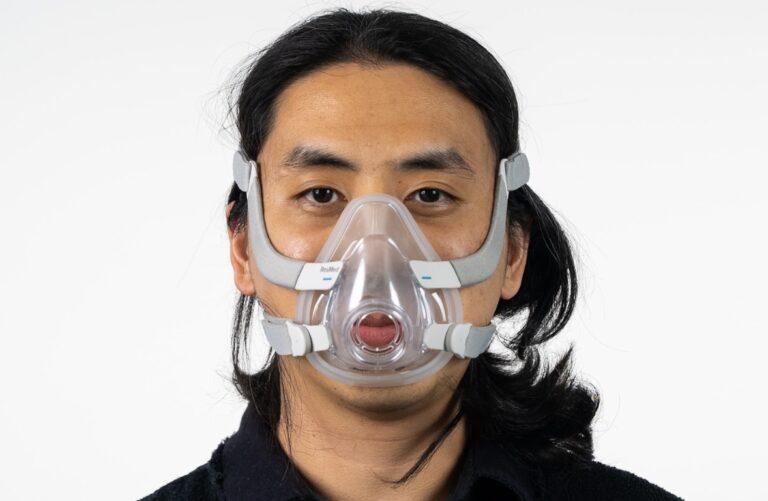
Best Full-Face CPAP Masks of 2026
Looking for a new CPAP mask? Discover the best full-face CPAP masks and learn if…
Best Nasal CPAP Masks of 2026
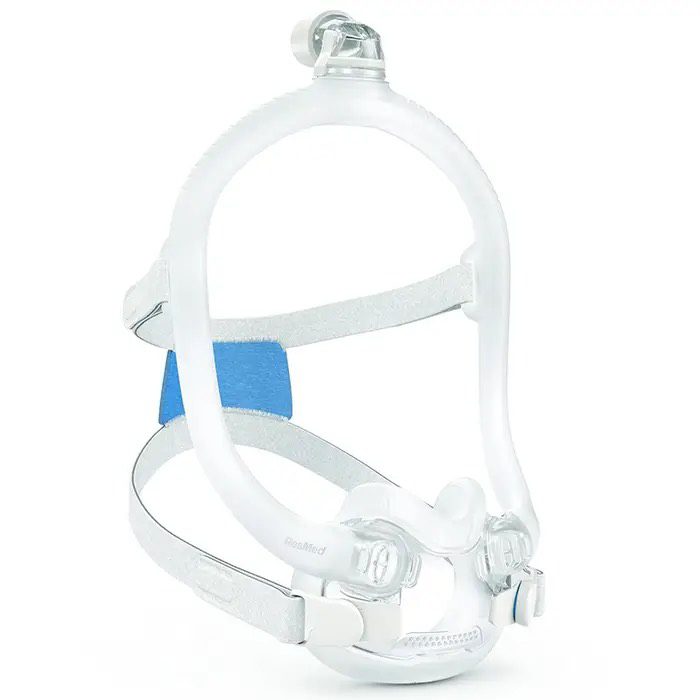
Wondering if a nasal CPAP mask is right for you? Learn about the pros and…
Best CPAP Masks for Mouth Breathers in 2026
Wondering if a CPAP mask works when breathing through your mouth? Discover the best CPAP…