
When you buy through our links, we may earn a commission. Products or services may be offered by an affiliated entity. Learn more.
Best Sheets for the Money of 2026

The best sheets for the money are those that provide the highest quality and performance per dollar spent. Depending on your individual needs and preferences, some qualities may be more important to you than others. We’ve outlined our top picks for sheets in various performance categories such as softest, most comfortable, and best cooling to accommodate a range of needs.
Finding the best sheets for the money can be a challenging task. There are hundreds of sheets on the market today, and determining which sheets are right for you can be overwhelming if you aren’t sure what to consider. We’ve tested hundreds of sheets in categories such as temperature regulation, comfort, and durability to help you find the right sheets for your needs.
We’ll discuss our top picks for sheets with the best value in several categories.
Our Top Picks
Best Overall
:Quince Organic Percale Sheet Set
Shop Now
Most Comfortable
:Luxome Luxury Sheet Set
Shop Now
Best Temperature Regulating
:Brooklyn Bedding Deep Pocket Bamboo Cotton Sheets
Shop Now
Softest
:Brooklinen Luxe Core Sheet Set
Shop Now
Best Hotel-Style
:Sweet Zzz Organic Bamboo Sheets
Shop Now
Best Range of Colors
:Buffy Breeze Sheet Set
Shop Now
Best Overall: Quince Organic Percale Sheet Set
Best Overall
9.3/10Test Lab Score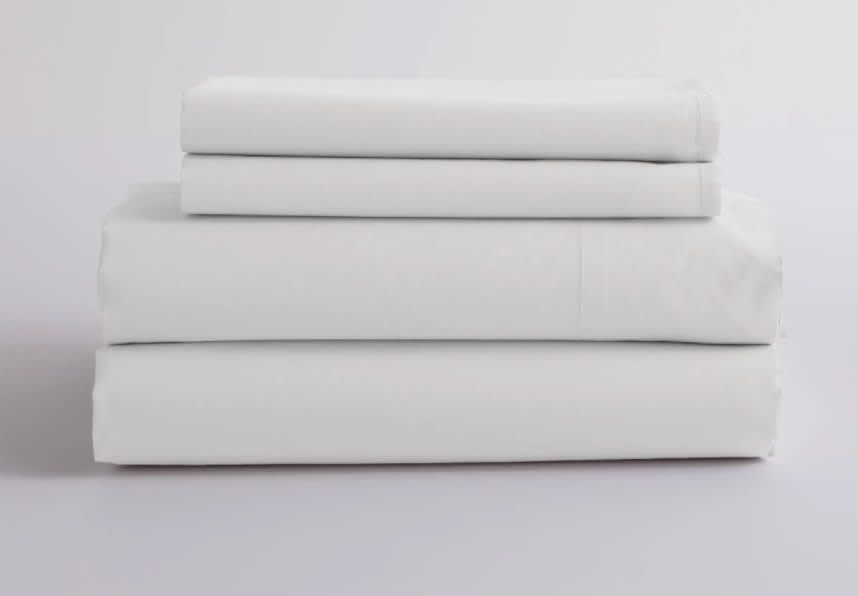
Quince Organic Percale Sheet Set
Why It’s Best Overall
Quince has earned a reputation for high-quality sleep products with reasonable price-points. The Organic Percale Sheet Set is one of the company’s most popular items, particularly among those who enjoy crisp, lightweight bedding. The long-staple cotton also offers natural breathability, and the percale weave nicely enhances this quality to make these sheets and pillowcases well-suited to hot and humid weather.
How It Performed
Our team enjoyed the crisp finish of these sheets and pillowcases, which we likened to a freshly starched dress shirt. This is a defining quality of percale bedding, and distinguishes the weave from the smoother and silkier feel of sateen-woven items. Our tests indicate the sheets should sleep cool most nights, as the cotton is naturally resistant to heat buildup. Since each component is fully machine-washable, the set is also quite easy to keep clean.
What It’s Made of
The set features items composed of long-staple organic cotton in a tight percale weave. You can choose from five sizes for your set. Twin sizes come with a fitted sheet and one pillowcase, while larger sizes add a second case. The fitted sheet has a pocket depth compatible with any mattress up to 16 inches thick. You have the option of including a flat sheet with your purchase, or forgoing this component to reduce the up-front cost.
A total of nine solid colors and one check pattern are available for the sheet set. Quince frequently adds new styles, so be sure to review all current options before finalizing your order. Each item is fully machine-washable — simply wash in cool water with mild detergent, then tumble dry on low heat or hang to dry. The sheets and pillowcases should gradually soften with age and use, resulting in a lived-in feel over time.
Quince offers free ground shipping for all customers. Your set comes with a generous sleep trial spanning an entire year, ensuring plenty of time to test the Organic Percale Sheet Set and decide whether it’s right for you.
Read More
 Read Less

Most Comfortable: Luxome Luxury Sheet Set
Most Comfortable
9.2/10Test Lab Score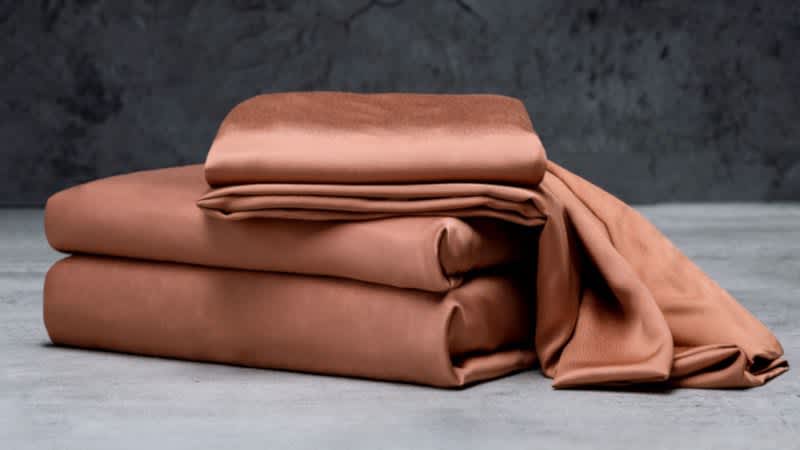
Luxome Luxury Sheet Set
Woven from 100% viscose from bamboo, the Luxury Sheet Set offers excellent temperature regulation. With a high thread count and sateen weave, these sheets are luxuriously smooth and great for people with sensitive skin.
How It Performed
The viscose from bamboo thread mimics the softness of silk, giving the sheets an extremely smooth feel. In addition to the set’s soft feel, the sheets performed exceptionally well in durability, temperature regulation, and ease of cleaning during testing. The deep-pocket design also allowed for the sheets to fit a range of mattress profiles.
What It’s Made Of
The Luxome Luxury Sheet Set is made from 100% viscose from bamboo, which is a form of rayon that yields soft and durable fibers. The material combined with the 400 thread count sateen weave creates a soft and durable sheet. Those with sensitive skin or who prefer extremely soft sheets should find the Luxury Sheet Set suits their needs.
The sheet’s 17-inch pockets fit most standard mattress profiles. Luxome sells the Luxury Sheet Set in eight colors and six standard sizes. Shoppers have 30 days to try out the sheets.
Read More
Read Less
Best Temperature Regulating: Brooklyn Bedding Deep Pocket Bamboo Cotton Sheets
Best Temperature Regulating
8.8/10Test Lab Score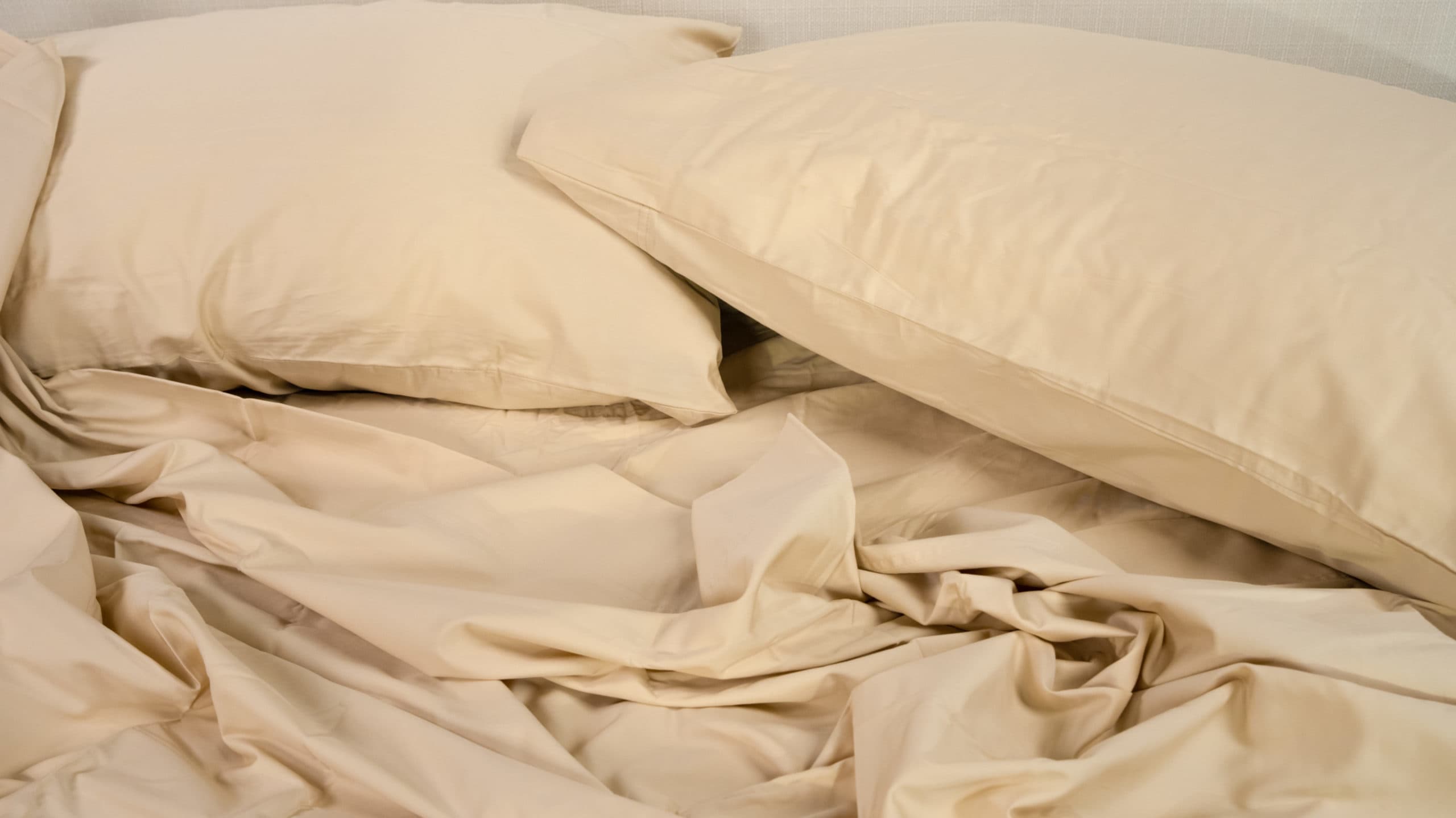
Brooklyn Bedding Deep Pocket Bamboo Cotton Sheets
With durable materials and excellent temperature regulation, the sheets help keep sleepers at a comfortable temperature during the night. The sheet’s combination of high-quality materials, exceptional comfort, and affordable price-point stood out among our testers.
How It Performed
Our testers noticed the Brooklyn Bedding Deep Pocket Bamboo Cotton Sheets featured excellent temperature regulation and prevented them from overheating at night. A sateen weave provides a soft, silky feel. Additionally, the cotton and rayon derived from bamboo helps wick moisture away from sleepers. The material also received high marks in durability during testing.
What It’s Made Of
The Deep Pocket Bamboo Cotton Sheets are made from a blend of cotton and bamboo-derived rayon. Both of these materials provide temperature-regulating properties that help draw heat and moisture away from the sleeper. Brooklyn Bedding suggests washing the sheets with cold or warm water and tumble drying on low or line drying.
With 17-inch pockets, the sheets fit most mattresses. Brooklyn Bedding offers free shipping and a 30-day sleep trial. Shoppers who find the sheets don’t fit their needs can return them within the trial period for a full refund.
Read More
Read Less
Softest: Brooklinen Luxe Core Sheet Set
Softest
9.1/10Test Lab Score
Brooklinen Luxe Core Sheet Set
Brooklinen has several sheet options, but our testers found the Luxe Core Sheet Set had the softest feel from the manufacturer’s offerings. The combination of long-staple cotton and a sateen weave give the sheets a smooth feel and excellent temperature regulation.
How It Performed
Our testers found the Brooklinen Luxe Core Sheet Set to be very comfortable. Thanks to a high-quality cotton and sateen weave, the sheets become softer with subsequent washings. In addition to softness and comfort, testers noted that these sheets had excellent temperature regulation, thanks to the cotton fabric’s breathability, and were very durable.
What It’s Made Of
The sheets are made from 100% long-staple cotton in a smooth sateen weave. An OEKO-TEX 100 certification signifies the materials are free of harmful chemicals. With 16-inch pockets, the sheets should fit most mattresses. Brooklinen recommends washing the Luxe Core Sheet Set with cold water and tumble drying on low heat. The sheets come in five standard colors and patterns as well as several limited edition options.
Brooklinen offers a generous 365-day sleep trial that allows shoppers to return or exchange items within the trial period. A one-year warranty is included with each sheet set purchase.
Read More
Read Less
Best Hotel-Style: Sweet Zzz Organic Bamboo Sheets
Best Hotel-Style
8.8/10Test Lab Score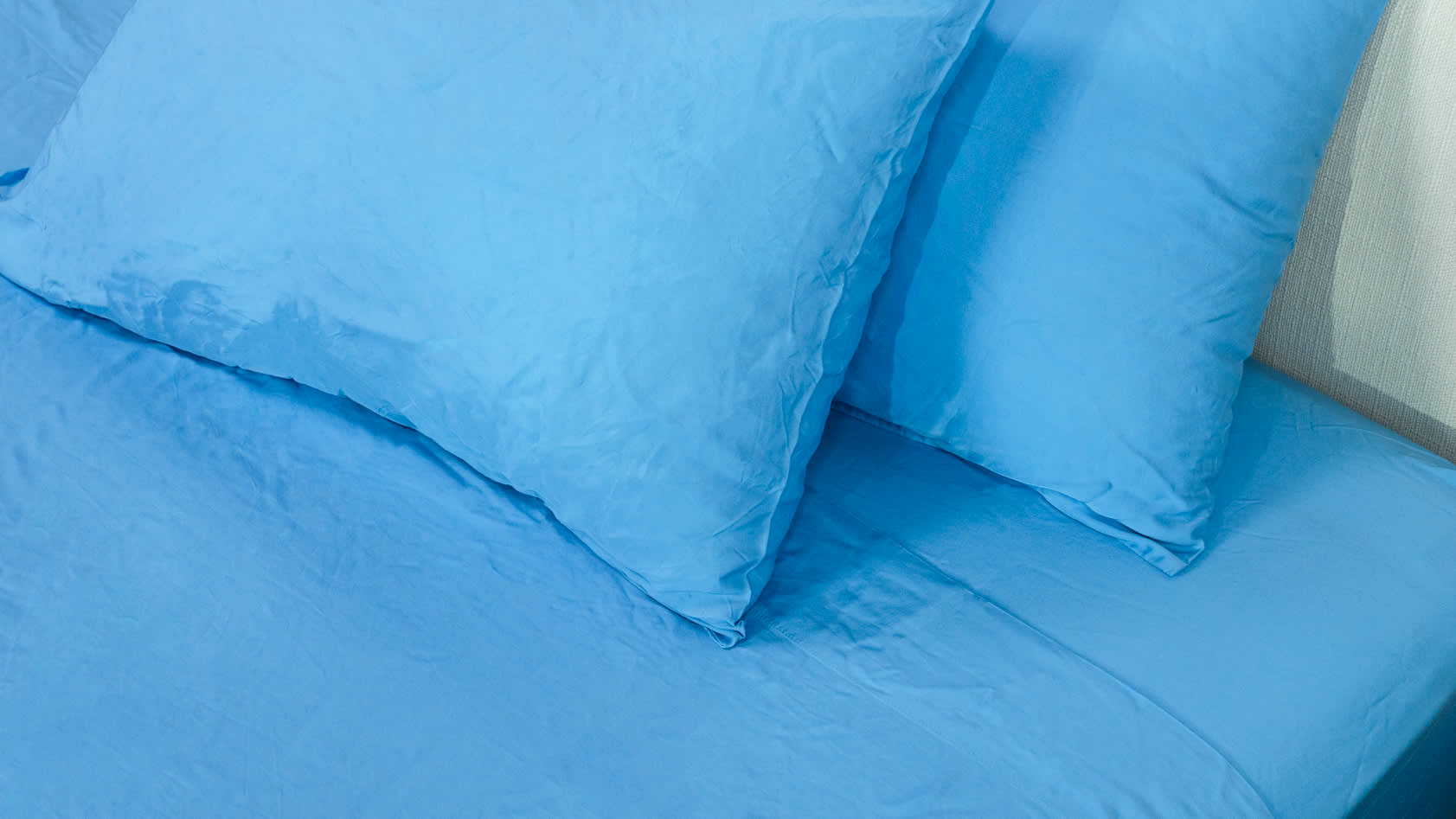
Sweet Zzz Organic Bamboo Sheets
Our testers found the Sweet Zzz Organic Bamboo Sheets were extremely comfortable and prevented them from overheating throughout the night. The viscose from bamboo material is harvested from organically grown bamboo. The sheets also hold multiple sustainable certifications, making them a great option for sleepers who have sensitive skin and value sustainability.
How It Performed
A 400 thread count and viscose from bamboo fibers in a sateen weave lend these sheets their hotel-like softness and durability. Our testers noted the excellent temperature regulation, which is due to the breathability and moisture-wicking properties of bamboo-derived viscose.
What It’s Made Of
The Sweet Zzz Organic Bamboo Sheets are made from 100% viscose derived from bamboo. The material is sourced from organically grown bamboo, and OEKO-TEX 100 and Global Organic Textile Standard (GOTS) certifications ensure the sheets are free of harmful substances. Sweet Zzz recommends washing the sheets in cold water with organic detergent and drying on low. With 14-inch deep pockets, these sheets suit most mattress profiles.
In addition to six color options, Sweet Zzz offers free three-day shipping and a 50-night sleep trial. Sweet Zzz also includes a lifetime warranty with each purchase.
Read More
Read Less
Best Range of Colors: Buffy Breeze Sheet Set
Best Range of Colors
7.8/10Test Lab Score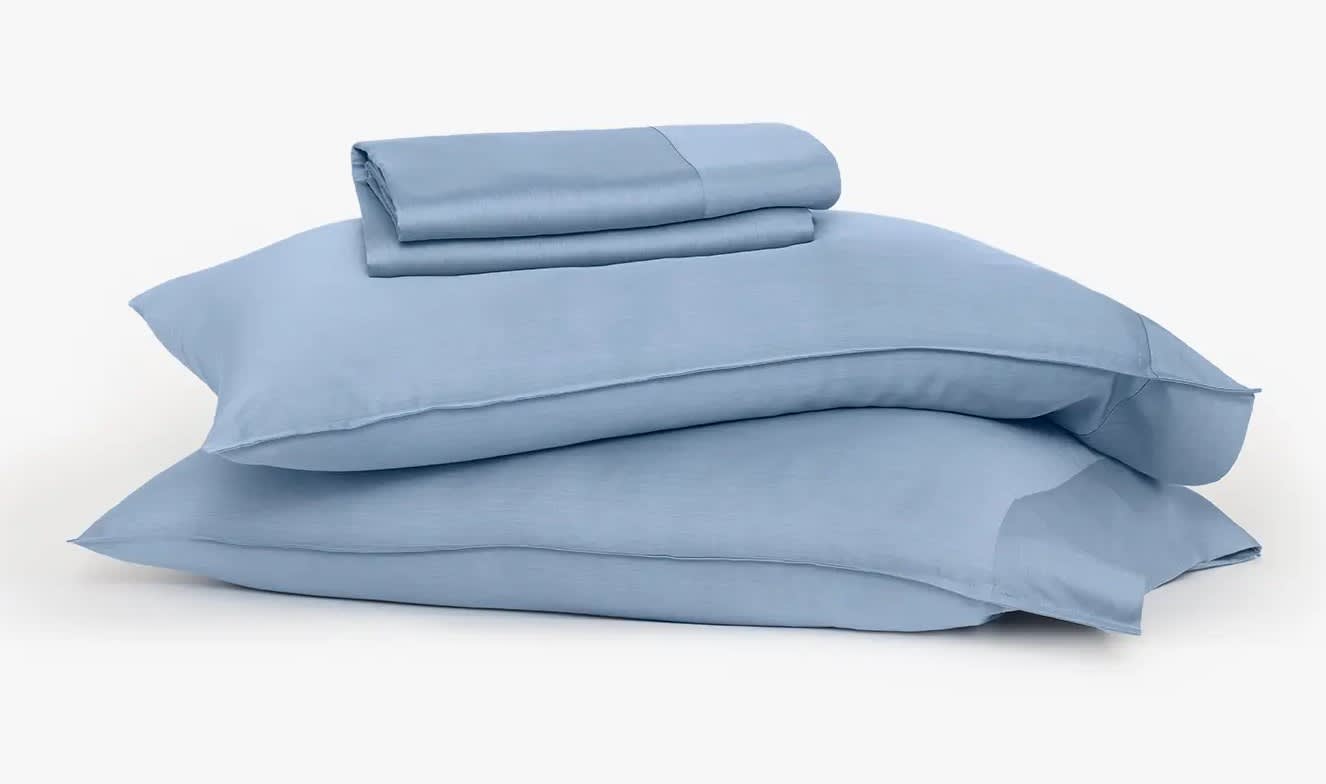
Buffy Breeze Sheet Set
Buffy’s Breeze Sheet Set uses the same silky-smooth Tencel fabric that has made their Breeze comforter so popular with sleepers. Derived from eucalyptus, Tencel is highly breathable and has moisture-wicking properties to keep you cool and dry when temperatures are high. A sateen weave enhances the material’s softness, but the Tencel is also highly durable and resistant to wear.
How It Performed
The Breeze Sheet Set was a big hit among the hot sleepers on our testing team. Many marveled at how breathable and cool to the touch each item felt. We were also impressed with the Tencel’s soft hand-feel, but the fabric is tough and shouldn’t pill or rip prematurely. Anyone who enjoys silky-smooth bedding should be satisfied with this set. However, keep in mind the fitted sheet’s pocket depth is 15 inches and won’t provide enough reach for mattresses that exceed this height.
What It’s Made of
Each sheet and pillowcase in this collection is composed of pure Tencel fabric. A composition of 120 grams per square meter makes the sheets feel exceptionally lightweight — an added bonus for hot or humid weather. Six sizes are available, all of which correspond with standard mattress dimensions. You can also choose from 25 solid colors, a dual-tone palette, and three stripe patterns. All components in the set are fully machine-washable for quick, easy care.
The Breeze Sheet Set is competitively priced and free standard shipping is included with all orders. Buffy waits seven days to charge your credit card, giving you a week to decide if the sheets and pillowcases are right for you. Your order is also backed by a 50-night trial, during which you can further test out the bedding.
Read More
Read Less
Why You Should Trust Us
Our testing team has decades of experience testing sleep-related products. Our testers represent a diverse range of sleeper types so we can analyze how each bedding item suits a range of sleepers. When testing sheets, we pay particular attention to durability, temperature regulation, comfort, and fit. This allows us to determine the best sheet option for sleepers with varying needs and preferences.
What to Look for in High-Value Sheets
When shopping for new sheets, it may be tempting to pick whatever sheet set has the lowest price tag. However, value is about way more than a low price. Finding high-value sheets means getting quality and durability at a price you can afford. A real value offers the best possible return on your investment in new sheets.
We discuss some important factors to keep in mind when looking for the best sheets for your money and offer tips for getting high-performance sheets at the best price.
Material
The type of material used to make the sheets affects their feel, durability, and performance. Sheets can be made of natural or synthetic fabrics, and every type of material has certain benefits and drawbacks.
Sheets made with sustainably produced materials have become more popular among eco-conscious consumers. Natural, non-irritating materials are also often preferred by people with sensitive skin.
Weave
A fabric’s weave refers to how the individual threads are joined together. The same fabric can have a different feel and appearance depending on the weave. For example, cotton with a percale weave has a crisp and cool feel and a matte appearance. Cotton with a sateen weave, however, has a smoother feel and sleeker look.
Price
A clear assessment of your budget will give you solid guidelines for what products to consider. Sheets come in a wide range of price-points, so setting a budget will narrow down your options and save you time.
A higher price doesn’t guarantee better quality, but allocating a bit more to your budget can help you avoid sheet sets with low-end materials, poor manufacturing, and limited durability. For this reason, if you are able to set a slightly higher budget, it can pay off in the long run.
Feel
The feel of sheets against your skin can enhance or disturb your sleep and overall comfort in bed. Both the material and weave determine the fabric’s feel, which can range from coarse and heavy to lightweight and buttery-soft. Your preferences will dictate what feel is needed for optimal comfort.
Thread Count
The thread count of sheets indicates how many vertical and horizontal threads are in one square inch of material. In some cases, a higher thread count can represent a higher-quality product.
However, a high thread count can also be misleading. For example, a high thread count of low-quality fibers may overstate a sheet’s quality. In addition, some fabrics, such as silk, aren’t measured by thread count.
Breathability
Breathable sheets wick moisture away from the body and allow air to flow through the fabric, which dissipates heat. This provides natural temperature regulation that is especially important for hot sleepers and people who live in warm climates. Both the fabric and the weave can affect a sheet’s breathability.
Durability
Durable bed sheets are made to stand up to regular use and washing while maintaining the fabric’s integrity. Quality construction allows high-end sheets to last for years.
On the other hand, low-quality sheets tend to pill, fade, and wear thin. This can result in an uncomfortable feel and the need to replace the sheets within a shorter period of time.
Design
While performance and feel are critical, visual appeal is also important when designing your bedroom. Sheets come in a variety of patterns, colors, and finishes. Some have eye-catching sheens and shades for people with expressive personalities. Others feature subdued tones and a wrinkle-free surface for an understated, minimalist look.
Ease of Care
It’s important to wash your sheets regularly, so be sure to choose a sheet set with care needs that fit your lifestyle. Materials like silk require more delicate handling to avoid damage. Fabrics like cotton and polyester are generally more forgiving and don’t need as much attention.
Proper care is critical to optimizing the sheets’ comfort and performance, so consider the manufacturer’s instructions about how to wash and dry your new sheets, including whether they can be machine-washed or put in a dryer.
Mattress Height
Be sure to measure the thickness of your mattress before buying sheets. Mattresses more than 12 inches thick may need fitted sheets that have a deep pocket. On a mattress with a taller profile, some sheets designed for a standard size mattress won’t reach around the lower edges for a secure fit. Many sheet sets have the pocket depth noted on the packaging or in the online product description.
Types of Sheets
There are many types of sheets with varying materials and weaves that affect their performance. Understanding these differences will help you choose the best sheets for you.
Cotton
Cotton is one of the most common bedding materials and is loved by many for its durability, breathability, and easy care. Sheets made of long-staple cotton fibers are typically the most comfortable, with Egyptian cotton being prized for its soft texture. Supima cotton, which comes from the United States, closely rivals it in quality and performance.
While cotton can be a high-performance material for sheets, remember that not all cotton fibers are created equal, and there is a wide range of quality among cotton sheet sets.
Linen
Made from the flax plant, linen is a heavier material that is highly breathable and suitable for year-round use. It lacks the plushness of other fabrics but tends to soften over time. The labor-intensive harvesting and manufacturing process generally make linen sheets more expensive than other types of sheets. Linen bedding may require regular ironing to prevent wrinkles.
Silk
Silk sheets give sleepers a luxurious feel and excellent breathability. They are made from the fibers of silkworm cocoons, and these fibers impart a notable smoothness and rich sheen. Silk sheets are lightweight and airy but can provide comfort for all seasons.
That said, silk sheets are often expensive and need delicate care. Although silk fibers are incredibly strong, failure to follow washing instructions can lead to premature signs of wear.
Rayon
Rayon is a semi-synthetic material consisting of natural wood pulp fibers that have been chemically processed, spun, and woven into a textile. Viscose rayon is stretchy, soft, and breathable. Tencel lyocell is a type of rayon made from the pulp of eucalyptus trees and features a smooth, silk-like surface and cool feel. The durability of rayon can vary significantly based on how it was produced and then manufactured into sheets.
Polyester
Polyester’s affordable price-point and minimal care requirements make it a popular choice for budget shoppers who prefer low-maintenance bedding. Polyester doesn’t fade or wrinkle easily, so ironing isn’t necessary. Although these are convenient benefits, polyester lacks the breathability, smoothness, and durability of many other sheet materials.
Flannel
Typically made of medium-weight cotton, flannel sheets have more texture thanks to a soft, brushed surface on both sides. They get softer over time and stand up well to regular washing. Flannel sheets are designed to hold in heat, making them a good option for cold climates, wintertime, and sleepers who have trouble staying warm at night.
Weaves and Knits
A fabric’s feel and performance varies greatly depending on how it is woven or knit. Some sheets are classified by their weave, so it can be helpful to know the basic terminology about how sheets are constructed.
Percale
Percale’s one-over-one-under, basket-style weave creates a crisp feel and matte finish. Known for its strength and durability, this weave is often used in hotel bedding. It’s especially suitable for hot sleepers and warm climates because the overlapping threads enable increased breathability.
Sateen
A sateen weave gives cotton a smooth, lustrous appearance, due to the four-over-one-under thread structure. Having more consecutive threads together makes sateen sheets more prone to pilling and slightly less breathable. However, when made with moisture-wicking materials, these sheets can still be a good option for any climate.
Jersey
Also known as T-shirt material, jersey is a knit, rather than a weave. Jersey sheets have a soft, stretchy, lived-in feel. However, they tend to snag and pill over time and generally lack the durability of other types of sheets.
What Can Affect the Price of Sheets?
The price of sheets isn’t determined by any single factor. Instead, a combination of material, weave, thread count, size, and manufacturing contribute to a sheet set’s overall cost.
- Type of sheet: The type of sheet you pick refers to the material it’s made from, such as linen, cotton, silk, polyester, or rayon derived from bamboo. Fabrics like linen and Egyptian cotton tend to be expensive, whereas polyester is much more affordable.
- Quality of materials: High-quality materials typically cost more, but you can expect them to last longer and perform better than inexpensive alternatives. The extra expense of buying quality sheets is often viewed as an investment that pays off over time.
- Size:Bed sheet sizes directly affect the overall cost because of the additional fabric used in larger sizes. As the size goes up, so does the price.
- Manufacturer: Where and how sheets are manufactured can influence the final price. Eco-conscious production practices and adherence to strict certification standards can result in more expensive sheets. Some sheets may also be made in specific geographic areas known for producing a particular type of fabric.
- Thread count: Sheets with a higher thread count tend to be more expensive than those with a lower one. Sometimes the higher thread count really does represent higher quality, but thread count numbers can also be misleading.
How to Get the Best Deal on Sheets
If you want to get the most value for your dollar when buying new sheets, it helps to follow proven tips that can make you a savvy shopper.
Do Your Research
With a little research, you can make informed decisions when shopping for sheets. Start by considering your own personal preferences and needs, such as the desired feel, appearance, and ease of care and cleaning.
With that information, you can research brands to create a list of compatible sheet sets and find their average price, which can give you an idea of what you can expect to pay. You can also find the best value by comparing prices across brands and by checking prices on various sites. Reading product testing results and customer reviews can also help you identify brands whose performance doesn’t live up to their marketing.
Shop Holiday Sales
Shopping around holidays allows you to take advantage of large discounts and sale prices offered by online and in-store retailers.
Days like Black Friday and Amazon Prime Day often feature dramatically reduced prices on household items like sheets. Great deals on mattresses and bedding are also often available during Memorial Day, Labor Day, and other holiday weekends. During these sales, you may be able to get higher quality sheets for your money.
Consider Bundle Deals
Bundle deals tend to offer more value than buying sheets individually, even if the overall price is a bit higher. Packages may include additional bedding at a reduced price, such as shams, extra pillowcases, or both fitted and flat sheets. By purchasing a bundle, you may be able to get more items for the same price as a basic sheet set. Finding a sale on a bundle can allow you to get even more value for your dollar.
Frequently Asked Questions
If you’re just getting started looking for new sheets, it’s natural to have a range of questions. Learning the basics can help you know what to expect and be prepared to take advantage of a great deal.
What are the best sheets for the money?
The best sheets for the money are the ones that give you the most value and durability within your price range. This depends on your budget, preferences, and needs. Linen, silk, and Egyptian cotton are all prized for their quality, comfort, and durability but come at a significantly higher cost. To determine what’s best for you, be sure to consider fabric types, feel, care requirements, and pocket depth.
How much do sheets cost?
Sheets have a wide range of price-points due to the diverse materials, weaves, manufacturing processes, and other factors that can affect pricing. While budget sheet sets can cost as little as $20, luxury sheets typically start at $125 and go up to well over $300.
Materials like silk, linen, and high-end cotton tend to have higher prices, while polyester and lower-quality cotton tend to be more affordable. Rayon and other synthetic fabrics typically fall somewhere in between, but, as with other materials, their price can depend on the details of their construction.
What is the best thread count for sheets?
There is no universal best thread count for sheets because the importance and calculation of thread count varies according to the type of material and weave.
If you prefer sheets with a sateen weave, look for a thread count of 200 to 400. Those with a percale weave should fall in the range of 300 to 600. Quality cotton sheets such as Egyptian or Supima cotton typically have a thread count of 200 to 400, and bamboo-derived rayon or viscose usually has a 200 to 300 thread count.
Remember that thread counts alone don’t determine the quality or durability of a sheet set and that thread counts can be artificially inflated. As a result, you should consider the thread count as just one factor, but not the determining factor, when looking for new sheets.
How long do sheets last?
On average, sheets last about two years, although high-end sets may last longer. How sheets are used and cared for can significantly affect their longevity.
Make sure to closely follow the manufacturer’s care instructions to avoid damaging the fabric and causing it to break down prematurely. You can limit unwanted stains by not eating or drinking in bed and, if possible, keeping pets off your bed.
Having two or more sets of sheets that you use can reduce wear-and-tear and extend the useful life of both sets.
How often should I wash my sheets?
You should generally wash your sheets once a week or at least once every two weeks. People who are sick, perspire heavily at night, or share their bed with pets may want to consider washing their sheets at least every three to four days to keep bedding fresh. Regular washing promotes a relaxing sleep environment and may limit the buildup of irritants like dust and allergens.
Having a spare set of sheets can make it easier to regularly change your bedding without having to rush to do laundry. This can be especially important for sheets that require more time-intensive care like line-drying.
What are the best sheets for hot sleepers?
Hot sleepers appreciate cooling sheets made of materials that allow airflow and encourage temperature regulation. Natural materials, such as Egyptian or Supima cotton, silk, and linen allow heat to be more easily drawn away from the body.
Semi-synthetic fabrics like rayon from bamboo or Tencel, which is derived from wood pulp, are also popular options for their light weight and moisture-wicking capabilities. Sheets with a percale weave tend to be cooler than those with a sateen weave.

Still have questions?
Our product experts have extensive experience testing just about every sleep product on the market.
Send an email to AskAnExpert@sleepfoundation.org with your questions and we’ll help you find exactly what you’re looking for.
Rachel combines a background in health journalism with hands-on experience testing sleep products. In her time at Sleep Foundation, she's researched and evaluated mattresses, pillows, bedding, and sleep tech to help readers find the products best suited to their sleep needs. Outside of work, Rachel enjoys hiking and spending time outdoors with her kids.