When you buy through our links, we may earn a commission. Products or services may be offered by an affiliated entity. Learn more.

How to Sleep When Someone Is Snoring


- To help sleep through snoring, you can use devices to block or mask the snoring sound, or talk to your partner about making adjustments to your sleeping environment and habits.
- There are a number of options your partner could try to reduce or prevent their snoring, including changing sleep position, using an anti-snoring pillow, treating congestion, or talking to a doctor.
- Sometimes, snoring can be a sign of a condition called obstructive sleep apnea (OSA), which a doctor can diagnose and treat.
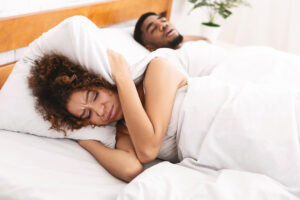
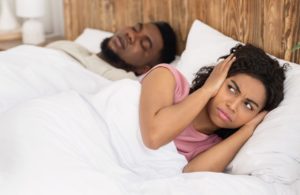
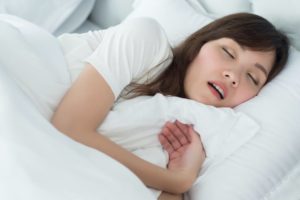
Getting a good night’s sleep when a bed partner or roommate is snoring can be a challenge. People can try different ways to block out the noise, but many strategies require the cooperation of the person who snores.
Almost everyone snores once in a while. Among people aged 30 to 60 years old, about 44% of males and 28% of females snore regularly, although they may not know it or it may not bother them. But for people who can’t sleep because of someone’s snoring, it can affect their own health and daily functioning as well as their relationship with the person who snores.
Below, we’ll explain why snoring happens, how it can affect your sleep, and practical strategies that may help you sleep better when sharing a room with someone who snores.
Shop Top Snoring Solutions

Apnea Sciences
ApneaRx Sleep Apnea Mouthpiece
$199
 SHOP NOW
VIO2
Unscented Mouth Tape
$57$64
SHOP NOW
Dream Recovery
Dream Mouth Tape
$34
SHOP NOW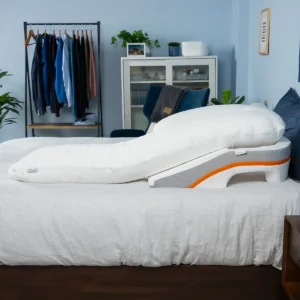
MedCline
Acid Reflux Relief Wedge and Body Pillow System
$249
SHOP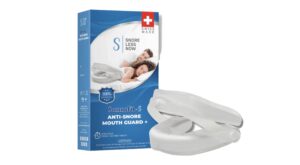
SnoreLessNow
Somnofit-S Anti-Snore Mouth Guard+
$149.99
ADD TO CART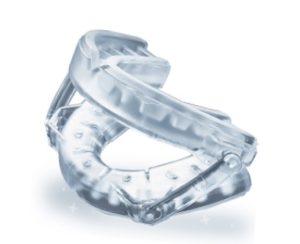
SmartGuard Rx
SmartGuard Anti-Snore Device
$49.99$59.99
ADD TO CART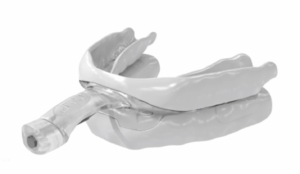
Airway Management
myTAP Oral Appliance
$199$249
SHOP NOWHow Someone Else’s Snoring Can Affect Your Health
When someone’s snoring makes it hard for a person to sleep, it can affect the person’s physical and mental health. A lack of sleep can potentially impact work , school, social activities, relationships, and driving.
The effects of sleep deprivation vary from person to person and may include:
- Daytime fatigue and sleepiness
- Accidents and mistakes
- Difficulty concentrating and learning
- Poor memory
- Decreased mood and irritability
- Depression
- Low libido
- Obesity, diabetes, heart disease, high blood pressure, and stroke
Quick Ways to Sleep Through Snoring
There are several easy solutions you can try right away if a roommate or partner’s snoring is keeping you awake. These quick fixes ask nothing of the snorer, but instead work by blocking or masking the sound of snoring.
Use Earplugs
Earplugs are an option that can potentially block out the sound of someone snoring. In a small study of couples where one partner snored, wearing earplugs improved perceived snoring severity, as well as the sleep-related quality of life.
Listen to White Noise
White noise can mask the sound of snoring. A white noise machine placed next to the bed or white noise earbuds may cover up the sound of someone snoring. There are also smartphone apps that play white noise.
While research has not shown that white noise improves sleep, white noise does not appear harmful to sleepers. Keep in mind that white noise could interfere with noises that may be important to hear, like a crying baby or a morning alarm.
Wear Noise-Cancelling Headphones
Some people find that listening to soft music, podcasts, or other ambient sounds on headphones helps them to fall asleep. However, snoring can sometimes overpower headphones set to a comfortable volume. In these cases, sleepers may benefit from a pair of headphones with active noise cancelling (ANC). These headphones block out ambient background noise, including snoring.
That said, some headphone designs may interfere with your comfort and sleeping position, and since some headphone batteries don’t last the whole night, the snoring may still wake you up. Finally, be aware that ANC could block out important noises like a baby’s crying or an alarm clock.
Bedroom Adjustments That Can Help
Certain changes to your sleeping environment or habits can help offset a snoring roommate or partner, but you’ll need to consult with the snorer, as these fixes affect them as well.
Sleep in a Different Room
If white noise or earplugs aren’t an option, or they don’t help, a person may want to move to a separate room from the snoring partner at bedtime. Sleeping separately helps to reduce sleep interruptions and often allows both partners to improve their sleep quality.
Go to Sleep Before Someone Who Snores
While it hasn’t been studied, it’s possible that someone who’s in a deeper stage of sleep may not be woken as easily by noises like snoring. Someone whose sleep is disturbed by snoring may want to experiment with falling asleep before the person who snores comes to bed.
Get an Adjustable Bed
Adjustable beds allow you to change the height of the head and foot of your bed so that your partner or roommate who snores can elevate their head. Studies suggest that sleeping with the head elevated can reduce the severity of snoring. The only downside is that adjustable bases don’t work with all mattresses, so you may have to purchase both.
Alternatively, you can use blocks under the bed’s legs near the headboard to raise it.

Long-Term Solutions for Snoring
If the person who snores is willing, there are many things they can do to try to stop snoring. Some are relatively easy, like trying a new pillow. Other methods are more complex and require a doctor visit.
Change Sleeping Position
Many people snore when lying flat on their back, so encouraging them to sleep on their side or with their head elevated may help. Getting someone to sleep on their side instead of their back may take some practice or a home remedy like sewing a ball into the back of their pajama top so that it’s uncomfortable for them to sleep on their back.
Encourage Lifestyle Changes
Weight loss may help some people stop snoring. Doctors also recommend that people stop smoking and don’t drink alcohol or take sedatives before going to bed to reduce snoring.
Treat Nasal Congestion
Nasal congestion is a risk factor for snoring, so if the snoring roommate or partner has chronic congestion, treating it may help solve the problem. A doctor can suggest the best way to address the nasal blockage, including steroid sprays, nasal irrigation, or nasal dilators.
Use an Anti-Snoring Pillow
Some pillows are designed to position the head and neck in a way that may limit snoring. Someone who snores should try a special wedge pillow under their upper body. As the name suggests, these pillows come in a wedge shape that can elevate the upper or lower body. Unlike an adjustable bed, though, the level of elevation is often fixed.
Try Other Anti-Snoring Products
Nasal strips and mouthguards are both widely available products that may be effective in treating snoring.
Nasal strips are flexible bands with adhesive on each end that stick to the nose and widen the nostrils to help airflow. Studies have shown that the devices reduce nasal resistance, which may make breathing feel easier, but the evidence is still mixed on whether they reduce symptoms of snoring and congestion.
Anti-snoring mouthguards are oral devices that are placed in the mouth at night to help open up airways. Some advance the lower jaw slightly to expand airway access, while others hold down the tongue to keep it from blocking airflow. While not all sleepers find these comfortable, studies have shown that they are often effective for treating snoring and breathing disorders.
Ask a Healthcare Professional
Suggest your partner seek an evaluation for possible health or anatomy issues causing snoring. Dental appliances and some types of surgery may be needed in cases of severe snoring that cannot be resolved with more conservative measures.
When Snoring May Be Sleep Apnea
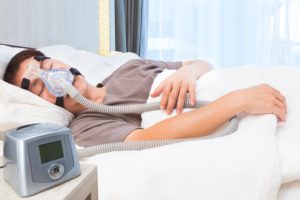
Snoring on its own isn’t harmful and isn’t necessarily a sign of any underlying health issue. However, in some cases, it could be a sign of a disorder known as obstructive sleep apnea (OSA). This common and treatable condition occurs when breathing stops and restarts during sleep and can lead to a number of health problems.
Often, the person with sleep apnea doesn’t notice their symptoms, so a roommate or partner can play a crucial role in recognizing symptoms. If you notice your partner experiencing any of the following, make an appointment to see a doctor. They’ll ask more about the symptoms and may order a sleep study to evaluate whether sleep apnea is present.
- Loud, frequent snoring
- Gasping, snorting, or choking
- Daytime sleepiness
- Pauses in breathing
How to Talk to Your Partner About Snoring
Snoring can be a sensitive subject to bring up with a partner. However, by approaching the topic with patience, understanding, and a supportive tone, the conversation can lead to significant improvements in sleep quality for both of you. Keep these key points in mind when discussing snoring with your partner:
- Suggest solutions together: Invite your partner to research solutions with you and discuss which ones sound helpful or appealing. This way, your partner takes an active role and feels ownership over the solution, instead of simply having directions imposed on them.
- Approach with empathy: The person who snores may not be aware of the problem, and could feel embarrassed, defensive, or helpless when you bring it up. Choose a calm time to have the discussion instead of a frustrated moment after a bad night’s sleep.
- Focus on health, not blame: Emphasize that your concerns involve the health and well-being of both of you, not annoyance.

Still have questions? Ask our community!
Join our Sleep Care Community — a trusted hub of sleep health professionals, product specialists, and people just like you. Whether you need expert sleep advice for your insomnia or you’re searching for the perfect mattress, we’ve got you covered. Get personalized guidance from the experts who know sleep best.
Jay Vera Summer is a writer, editor, and wellness coach. She holds a Bachelor's of Science in psychology and Master's degrees in both writing and public policy.
Dr. Abhinav Singh, board certified in Sleep Medicine and Internal Medicine, is the Medical Director of the Indiana Sleep Center, which is accredited by the American Academy of Sleep Medicine. He is also a Clinical Assistant Professor at Marian University College of Medicine in Indianapolis, where he developed and teaches a Sleep Medicine rotation.
Learn more about our medical advisory boardReferences10 Sources
National Heart, Lung, and Blood Institute. (2022, March 24). Sleep deprivation and deficiency.
https://www.nhlbi.nih.gov/health-topics/sleep-deprivation-and-deficiencyCirelli, C. (2022, October 10). Insufficient sleep: Definition, epidemiology, and adverse outcomes. In R. Benca (Ed.). UpToDate.
https://www.uptodate.com/contents/insufficient-sleep-definition-epidemiology-and-adverse-outcomesCapezuti, E., Pain, K., Alamag, E., Chen, X., Philibert, V., & Krieger, A. C. (2022). Systematic review: Auditory stimulation and sleep. Journal of Clinical Sleep Medicine, 18(6), 1697–1709.
https://pubmed.ncbi.nlm.nih.gov/34964434/Hoshina T, Fujiyama D, Koike T, Ikeda K. Effects of an Active Noise Control Technology Applied to Earphones on Preferred Listening Levels in Noisy Environments. J Audiol Otol. 2022;26(3):122-129. doi:10.7874/jao.2021.00612
https://pubmed.ncbi.nlm.nih.gov/35316868/Danoff-Burg S, Rus HM, Weaver MA, Raymann RJEM. Sleeping in an Inclined Position to Reduce Snoring and Improve Sleep: In-home Product Intervention Study. JMIR Form Res. 2022;6(4):e30102. Published 2022 Apr 6. doi:10.2196/30102
https://pmc.ncbi.nlm.nih.gov/articles/PMC9021938/Young T, Finn L, Kim H. Nasal obstruction as a risk factor for sleep-disordered breathing. The University of Wisconsin Sleep and Respiratory Research Group. J Allergy Clin Immunol. 1997;99(2):S757-S762. doi:10.1016/s0091-6749(97)70124-6
https://pubmed.ncbi.nlm.nih.gov/9042068/Wong LS, Johnson AT. Decrease of resistance to air flow with nasal strips as measured with the airflow perturbation device. Biomed Eng Online. 2004;3(1):38. Published 2004 Oct 22. doi:10.1186/1475-925X-3-38
https://link.springer.com/article/10.1186/1475-925X-3-38Camacho, M., Malu, O. O., Kram, Y. A., Nigam, G., Riaz, M., Song, S. A., Tolisano, A. M., & Kushida, C. A. (2016). Nasal Dilators (Breathe Right Strips and NoZovent) for Snoring and OSA: A Systematic Review and Meta-Analysis. Pulmonary medicine, 2016, 4841310.
https://pubmed.ncbi.nlm.nih.gov/28070421/Dieltjens M, Vanderveken O. Oral Appliances in Obstructive Sleep Apnea. Healthcare (Basel). 2019;7(4):141. Published 2019 Nov 8. doi:10.3390/healthcare7040141
https://pubmed.ncbi.nlm.nih.gov/31717429/National Heart, Lung and Blood Institute. (2022, March 24). Sleep Apnea – What Is Sleep Apnea?
https://www.nhlbi.nih.gov/health/sleep-apnea
Learn More About Snoring