When you buy through our links, we may earn a commission. Products or services may be offered by an affiliated entity. Learn more.

How to Sleep on Your Back


- Back sleeping can promote spinal alignment and reduce pressure on the neck, shoulders, and joints.
- Some people find it challenging to stay on their back, but using supportive pillows under the knees or lower back can help.
- Back sleeping may worsen snoring, sleep apnea, or heartburn for some individuals, so it isn’t the best position for everyone.
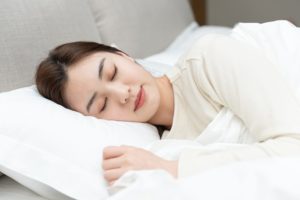
We spend about a third of our lives sleeping or resting, so finding a sleep position that’s comfortable and supportive is a top priority. Each person has their own preferred sleeping position. Back sleeping is the second most common position, after side sleeping.
If you sleep on your side or stomach, you might be considering switching to sleeping on your back. Changing your preferred sleeping position may seem like a daunting task, and there’s usually an adjustment period when trying something new. However, it’s possible to train yourself to sleep on your back.
How to Train Yourself to Sleep on Your Back
Some people find that it’s easy to fall asleep while lying on their back but difficult to continue back sleeping for the entire night. If you’ve been instructed to sleep on your back for medical reasons or to prevent injury after a recent surgery, this can be frustrating. There are a few ways you can train yourself to sleep on your back throughout the night.
Find a Supportive Pillow for Your Head
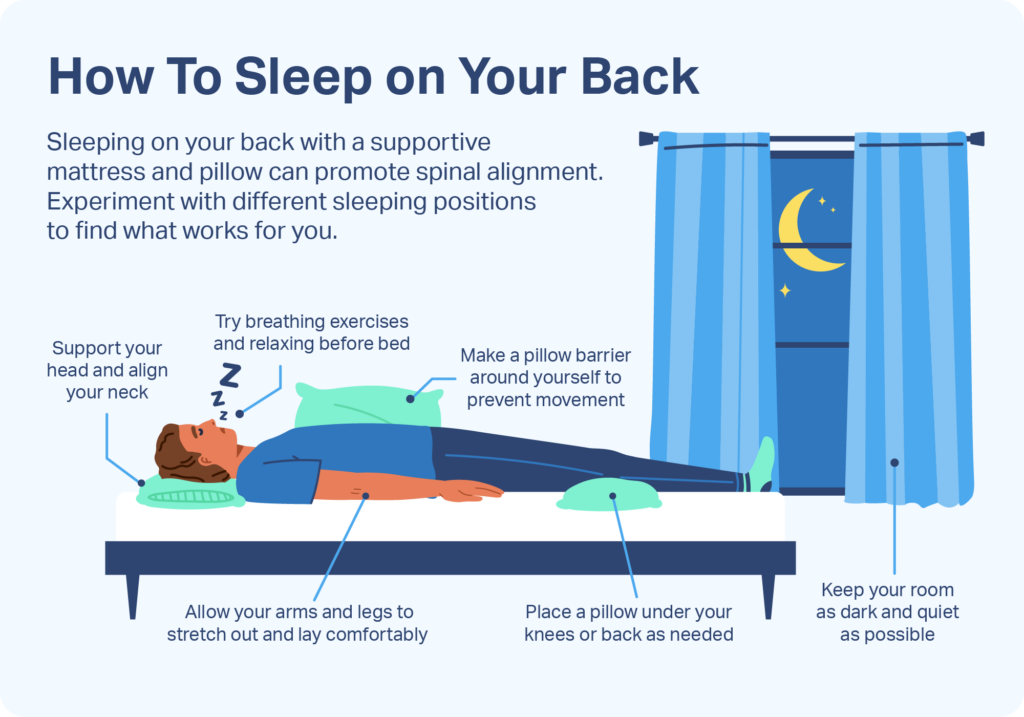
Maintaining proper posture while sleeping on your back helps keep the spine, neck, and hips aligned, reducing strain and morning discomfort. The goal is to support the body’s natural curves — particularly the lower back — while keeping the head and neck in a neutral position. A medium-loft pillow that fills the space between your neck and the mattress can prevent your head from tilting too far forward or backward.
Place a Pillow Underneath Your Knees
It may help to place a supportive pillow under your knees before bed. Your knees should be slightly bent and feel comfortable. Once you’ve put a small pillow beneath your knees, check to make sure that your neck and spine feel comfortable and are in alignment. Make adjustments as needed.
Try a Small Pillow Under Your Lower Back
Some people find that back sleeping increases discomfort in their lower back. Placing a pillow under your lower back while you sleep might help. If the pillow is too large or thick, however, it may create even more discomfort. You may need to try a few different pillows to find what works best for you.
Surround Yourself With Pillows
If you’re an active sleeper and are worried about rolling from your back onto your side or stomach soon after you fall asleep, there are things you can do to help prevent this. Try placing pillows around your midsection and hips. These pillows can help prevent you from rolling over during the night. However, this might not be a viable option for those who share the bed, as it can take up a significant amount of bed space.
Benefits of Sleeping on Your Back
Sleeping on your back offers several potential benefits for both spinal health and overall comfort, especially when paired with a supportive mattress and pillow setup.
Promotes Spinal Alignment
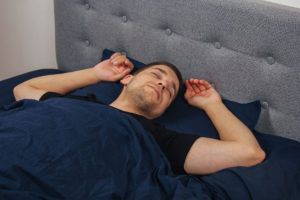
Back sleeping allows your head, neck, and spine to rest in a neutral position, which can reduce pressure points and minimize back or neck pain. A mattress that supports your body’s natural curves and a pillow that fills the space between your neck and the bed can help maintain proper sleep posture throughout the night.
May Reduce Symptoms of Heartburn and Acid Reflux
If you experience heartburn or acid reflux, sleeping on your back with your head elevated can help reduce symptoms. Elevation helps prevent stomach acid from flowing back into the esophagus, improving comfort and supporting better sleep quality.
Potentially Fewer Wrinkles
Unlike side or stomach sleeping—where your face presses into the pillow—sleeping on your back doesn’t create the same skin friction and pressure. Over time, this can help reduce fine lines and wrinkles, as sleeping on your back hasn’t been shown to contribute to wrinkles in the same way other positions might.
Even Weight Distribution
Because your weight is spread evenly across the body when lying on your back, there’s less localized pressure on the shoulders and hips. This can make the position more comfortable for people with joint discomfort or muscle stiffness.

Disadvantages of Sleeping on Your Back
Back sleeping might not be the best option for everyone, as it can increase the risk of complications for people with certain health conditions.
- Pregnancy: Sleeping on your back while pregnant, especially during late-term pregnancy, isn’t advised. Research shows that sleeping on your back while pregnant can reduce blood flow to the fetus and can increase risk of low birth weight. Side sleeping is generally recommended instead. Pregnancy pillows can be used to support your back and stomach while lying on your side.
- Obstructive Sleep Apnea:Obstructive sleep apnea (OSA) is a sleep disorder in which a person experiences disordered breathing caused by blockages in the airway during sleep. Research suggests that more severe symptoms occur when lying on your back. If you experience OSA and sleep on your back, you may want to consider switching to side sleeping.
- Chronic Snoring: Although snoring isn’t always a sign of an underlying sleep issue, it can be frustrating and disruptive. Research shows that sleeping on your back increases snoring. If you can, try elevating your head with a second pillow. If that’s uncomfortable, it may help to try sleeping on your side.
- Heartburn: Heartburn is more likely to occur when sleeping flat on your back. If you prefer to sleep on your back, it may help to elevate your upper body with pillows or a wedge pillow. Additionally, it’s best to avoid fatty, spicy, and acidic foods, as they can increase heartburn symptoms.
Why Can’t I Sleep on My Back?
Some people find back sleeping to be uncomfortable, and they would rather sleep on their side or stomach. Sleep position choices are a matter of personal preference, but they can also result from the type of mattress and pillow a person owns.
If you have an old mattress and pillow, that might contribute to discomfort while back sleeping. Choosing a mattress that properly supports back sleeping may make this position more comfortable for you.
Additionally, if your pillows are old or unsupportive, there’s a good chance that your neck isn’t in alignment with your spine when you’re lying on your back. Using a pillow ideal for back sleepers helps keep your spine aligned while you sleep.
However, back sleeping may increase pain for some sleepers. Experimenting with sleeping positions can help you find what works for you.
Other Tips for Good Sleep
Your sleeping position isn’t the only factor that affects whether or not you receive a good night’s rest. There are a variety of sleep habits you can implement to promote a restful night:
- Keep a consistent sleep schedule, with a similar bedtime each night.
- Establish an evening routine that allows you ample time to get ready for bed.
- Try drinking non-caffeinated herbal tea to help you relax before bed.
- Keep your room dark and comfortable.
- Limit screen time for at least an hour before bed, if possible. Exposure to blue light from screens can negatively impact your ability to fall asleep.

Still have questions? Ask our community!
Join our Sleep Care Community — a trusted hub of sleep health professionals, product specialists, and people just like you. Whether you need expert sleep advice for your insomnia or you’re searching for the perfect mattress, we’ve got you covered. Get personalized guidance from the experts who know sleep best.
Danny is a Certified Sleep Science Coach with an in-depth knowledge of sleep health. He has tested hundreds of mattresses and sleep products.
Gerard J. Meskill, MD is board certified in both neurology and sleep medicine, and he is the founder and CEO of Tricoastal Narcolepsy and Sleep Disorders Center. The "Tricoastal" moniker references his background: he completed neurology residency on the East Coast at Long Island Jewish Medical Center – where he served as chief resident, sleep fellowship on the West Coast at Stanford University, and he now practices sleep medicine and neurology on the Gulf Coast in the greater Houston, Texas area.
References
10 Sources
-
Desouzart, G., Matos, R., Melo, F., & Filgueiras, E. (2015). Effects of sleeping position on back pain in physically active seniors: A controlled pilot study. Work, 53(2), 235–240.
https://pubmed.ncbi.nlm.nih.gov/26835867/ -
Skarpsno, E. S., Mork, P. J., Nilsen, T., & Holtermann, A. (2017). Sleep positions and nocturnal body movements based on free-living accelerometer recordings: Association with demographics, lifestyle, and insomnia symptoms. Nature and Science of Sleep, 9, 267–275.
https://pubmed.ncbi.nlm.nih.gov/29138608/ -
Khan, B. A., Sodhi, J. S., Zargar, S. A., Javid, G., Yattoo, G. N., Shah, A., Gulzar, G. M., & Khan, M. A. (2012). Effect of bed head elevation during sleep in symptomatic patients of nocturnal gastroesophageal reflux. Journal of Gastroenterology and Hepatology, 27(6), 1078–1082.
https://pubmed.ncbi.nlm.nih.gov/22098332/ -
Anson, G., Kane, M. A. C., & Lambros, V. (2016). Sleep wrinkles: Facial aging and facial distortion during sleep. Aesthetic Surgery Journal, 36(8), 931–940.
https://pubmed.ncbi.nlm.nih.gov/27329660/ -
Anderson, N. H., Gordon, A., Li, M., Cronin, R. S., Thompson, J., Raynes-Greenow, C. H., Heazell, A., Stacey, T., Culling, V. M., Wilson, J., Askie, L. M., Mitchell, E. A., & McCowan, L. (2019). Association of supine going-to-sleep position in late pregnancy with reduced birth weight: A secondary analysis of an individual participant data meta-analysis. JAMA Network Open, 2(10), e1912614.
https://pubmed.ncbi.nlm.nih.gov/31577362/ -
Joosten, S. A., O’Driscoll, D. M., Berger, P. J., & Hamilton, G. S. (2014). Supine position related obstructive sleep apnea in adults: Pathogenesis and treatment. Sleep Medicine Reviews, 18(1), 7–17.
https://pubmed.ncbi.nlm.nih.gov/23669094/ -
Cazan, D., Mehrmann, U., Wenzel, A., & Maurer, J. T. (2017). The effect on snoring of using a pillow to change the head position. Sleep and Breathing, 21(3), 615–621.
https://pubmed.ncbi.nlm.nih.gov/28127672/ -
Portale, G., Peters, J., Hsieh, C. C., Tamhankar, A., Arain, M., Hagen, J., DeMeester, S., & DeMeester, T. (2007). When are reflux episodes symptomatic?. Diseases of the Esophagus: Official Journal of the International Society for Diseases of the Esophagus, 20(1), 47–52.
https://pubmed.ncbi.nlm.nih.gov/17227310/ -
Surdea-Blaga, T., Negrutiu, D. E., Palage, M., & Dumitrascu, D. L. (2019). Food and gastroesophageal reflux disease. Current Medicinal Chemistry, 26(19), 3497–3511.
https://pubmed.ncbi.nlm.nih.gov/28521699/ -
Tosini, G., Ferguson, I., & Tsubota, K. (2016). Effects of blue light on the circadian system and eye physiology. Molecular Vision, 22, 61–72.
https://pubmed.ncbi.nlm.nih.gov/26900325/