When you buy through our links, we may earn a commission. Products or services may be offered by an affiliated entity. Learn more.

Cannabis for Sleep


- Benefits for Specific Conditions: Cannabis may improve sleep by helping people with chronic conditions like pain, PTSD, or restless legs syndrome fall asleep faster, wake less during the night, and experience better sleep overall.
- How It Works: Cannabinoids may promote sleep by increasing the sleep-inducing chemical adenosine and calming the brain’s arousal system, leading to a sedative effect.
- Indica vs. Sativa: Indica strains may feel more calming and promote sleepiness, while sativa strains are often stimulating, though outcomes depend heavily on individual physiology.
- Risks of Long-Term Use: Prolonged or heavy cannabis use may impair sleep quality, leading to less overall sleep, disruption of deep or REM sleep, and frequent nighttime wake-ups.
Cannabis, also called marijuana, is widely used as a sleep aid, both recreationally and among medical users. In a recent Sleep Foundation survey, our team found that roughly 77% of men and 64% of women between 21 and 64 have used cannabis to sleep. Cannabidiol (CBD), a non-psychoactive compound found in the cannabis plant, is also a popular sleep aid, with 27% of respondents reported using it at least once.
However, research into cannabis as a sleep aid is still developing. While cannabis may help relieve insomnia when used occasionally, researchers are unsure whether long-term use is ultimately beneficial or detrimental for sleep quality.
How Cannabis Affects Sleep
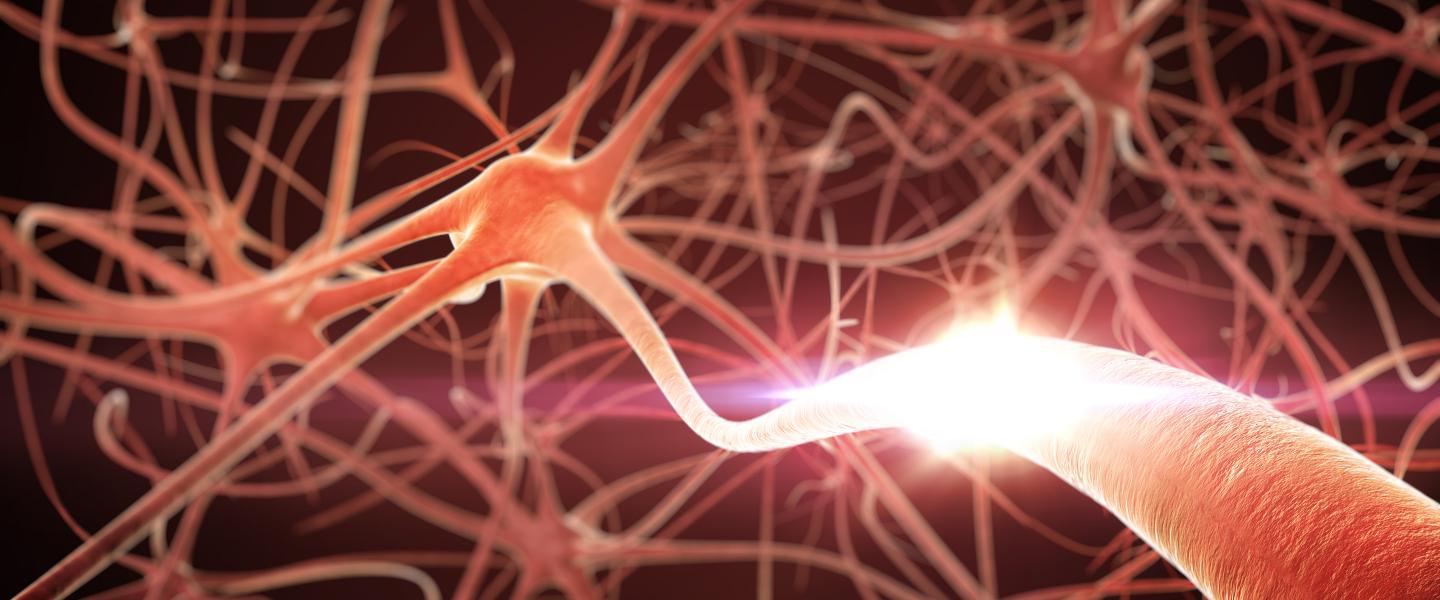
It’s believed that cannabinoids help you sleep because they tell the cannabinoid receptors in your brain to increase adenosine, a neurotransmitter that promotes sleep. Cannabinoids also suppress your brain’s arousal system, which can make you feel sedated.
Cannabis has several different active compounds, including tetrahydrocannabinol (THC) and CBD. For people with certain conditions, such as chronic pain, post-traumatic stress disorder (PTSD), and multiple sclerosis, cannabis may help them fall asleep faster, wake up less during the night, and enjoy better sleep quality overall. A 2021 study also found that cannabis may relieve symptoms for people with restless legs syndrome (RLS).
Some studies have found distinctions between daily users and non-daily users. Those who use cannabis daily are more likely to report sleep problems than occasional users or people who do not use cannabis at all. Non-daily users report fewer sleep issues than both daily users and non-users.
Does Cannabis Affect Your Sleep Quality?
In addition to helping you fall asleep faster, cannabis may alter your time spent in the different sleep stages. Short-term cannabis use appears to increase the time you spend in non-rapid eye movement (NREM) sleep, the stages that help you wake up feeling refreshed. However, THC decreases the amount of time you spend in rapid eye movement (REM) sleep, when you spend more time dreaming, processing emotions, and cementing new memories.


Potential Risks and Side Effects
When used on a short-term basis, cannabis may help you fall asleep faster. However, health experts generally do not recommend using sleep aids, including cannabis, on a long-term basis, because of their potential to negatively impact your sleep quality and cause other side effects.
Studies suggest that heavy cannabis use, especially on a long-term basis, may have consequences for sleep, including:
- Less sleep overall
- Less time spent in deep sleep
- Longer time to fall asleep
- Frequent awakenings
Long-term cannabis use may also have health-related side effects. Studies have found the substance may reduce the volume of gray matter in your brain and, when smoked, increase your risk of chronic bronchitis .
Cannabis withdrawal can also produce sleep-related side effects, such as strange dreams, difficulty falling asleep, and less time spent in deep sleep. Health experts also recommend people avoid using cannabis while pregnant or breastfeeding. Cannabis can be harmful to brain development in children and teens.
Deciding if Cannabis Is Right for You
Whether or not to use cannabis for sleep is a highly personal decision. Synthetic forms of cannabis appear to relieve nightmares and insomnia, but some researchers warn about the limitations of these studies and the potential risks of using cannabis until dosing is more standardized.
Many people use cannabis to successfully manage their chronic pain and insomnia. However, some people find it makes them feel more paranoid or anxious. If you do not like the feeling of being high, a strain with a higher amount of CBD may be a better option for you.
Another important consideration is whether cannabis is legal where you live. If not, talk to your doctor about other ways to improve your sleep, such as better sleep hygiene or alternative sleep aids.
Legal and Safety Considerations
Though there are many states where the sale and consumption of cannabis is legal, it’s still illegal federally. You can be prosecuted for having cannabis in certain states and you could even be arrested in states where cannabis is legal, because the federal government lists it as an illegal controlled substance.
Though you can’t die from a cannabis overdose, you can experience intoxication and unpleasant side effects from taking too much. Some people experience fear, panic, nausea, or depression while using cannabis, and acute intoxication can lead to tachycardia, or increased heart rate.
Cannabis can be harmful to children and pets. If you choose to use cannabis as a sleep aid, it’s important to keep it in a secure spot.

What to Expect When Using Cannabis for Sleep
If you plan on trying cannabis as a sleep aid, your care provider can give you the best guidance based on your needs and medical history. However, it helps to have an understanding of the different options available.
Indica or Sativa for Sleep
There are multiple strains of cannabis, which each produce different effects. The most common strains are indica and sativa:
- Indica is thought to be more calming, and it may help produce feelings of relaxation and sleepiness. People appear to prefer indica for pain management, relaxation, and sleep.
- Sativa is considered more stimulating, and it may produce feelings of euphoria for some. People tend to use sativa for an energy boost.
Most of the differences attributed to sativa versus indica strains are based on the subjective experiences of cannabis users. Some researchers argue that the distinction between indica and sativa strains is less relevant than the variety in THC content and other ingredients in any particular product. Hybrid strains with a mix of indica and sativa may produce different effects based on the specific makeup of cannabinoids and other ingredients.
Form of Cannabis
Cannabis can be smoked, vaporized, eaten, or placed under the tongue as a sublingual tincture. Each form has drawbacks and bioavailability, or how much of the active components you can expect to make it into your bloodstream. Those who are concerned about the effects of smoke on the lungs may prefer to avoid smoking it.
Our survey results indicate that most people who use cannabis as a sleep aid prefer gummies or edibles, though smoking and vaping cannabis is also popular, especially with men.
Inhaled cannabis tends to have high bioavailability, as the THC enters your system directly. By contrast, edibles lose a significant amount of THC through the digestive process. Smoked cannabis can have bioavailability rates as high as 56%, compared with 4% to 20% for orally ingested cannabis.
How Much Cannabis to Take Before Bed
There are no official dosage guidelines for how much cannabis to take before bed. It’s best to start with a small dose and make adjustments if necessary. Every person responds to cannabis differently and the various forms can have effects that differ from one another.
Edibles, gummies, drinks, and tinctures generally contain a set amount of THC that’s measured in milligrams. Start with a small dose like 1.5 milligrams and make changes as needed. Smokable products are harder to measure, but again, it’s best to begin with a low dosage.
When to Take Cannabis for Sleep
Different forms also take more or less time to produce effects. When you smoke cannabis, you can generally feel the effects almost immediately, whereas edibles can take longer to have an effect, as they must work their way through your digestive system first.
The effects of smoked cannabis are highly variable depending on the person, the length of inhalation, the number of times it is inhaled, and other factors. Generally, THC levels peak after about 10 minutes.
Effects You May Notice
Because cannabis comes in a variety of strains and affects everyone differently, you may need to experiment before you find the form, dosage, and timing that work for you. THC is a psychoactive drug that tends to have other effects aside from promoting sleep. You may feel sleepy, relaxed, euphoric, or energized.
When using cannabinoids, some users may also experience dizziness, nausea, fatigue, dry mouth, vomiting, confusion, loss of balance, or hallucinations. You may also experience anxiety, panic attacks, or paranoia.
Frequently Asked Questions
How is cannabis different from other natural sleep aids?
Because cannabis is considered a controlled substance, there is limited research
on the safety and efficacy of cannabis sleep aids compared to other sleep aids. Only a few synthetic drugs made to mimic THC, as well as one naturally derived CBD product, have been approved by the FDA.
Unlike natural sleep aids like melatonin, valerian root, and magnesium, cannabis with THC makes you feel high.
Can cannabis cure insomnia?
Studies show that while cannabis doesn’t cure insomnia long-term, it can help with its symptoms.
Indica and hybrid blends seem to help people with insomnia relax more than sativa blends, which can have a stimulating effect. There isn’t conclusive evidence on whether CBD or THC is better for relieving insomnia symptoms.
While cannabis may help people with insomnia fall asleep easier, heavy or extended use may negatively impact your circadian rhythm and make it harder to fall and stay asleep.
Is CBD safer than THC for sleep?
CBD doesn’t have the psychoactive properties that THC does, so CBD as a sleep aid may be a better option for people who are concerned about feeling high. Both are considered relatively safe — there’s no lethal dose for either THC or CBD. However, there are more negative side effects associated with taking too much THC. Long-term THC use can lead to anxiety, depression, and chronic bronchitis.
To date, the FDA has only approved one CBD medication that’s meant to treat symptoms of a seizure disorder.
No THC products are FDA-approved, though several synthetic THC medications are.
Will cannabis affect my dreams?
Cannabis can affect your dreams, especially if you’ve been taking it for a while and then stop. Some users report vivid or strange dreams when experiencing cannabis withdrawal.

Still have questions? Ask our community!
Join our Sleep Care Community — a trusted hub of sleep health professionals, product specialists, and people just like you. Whether you need expert sleep advice for your insomnia or you’re searching for the perfect mattress, we’ve got you covered. Get personalized guidance from the experts who know sleep best.
Cassandra is a health writer who has been a contributor to Sleep Foundation since 2021. She writes about sleep products and reads emerging research to develop science-based articles that help demystify the connection between health and sleep. She's happy to report that she sleeps well most nights, which is probably thanks to her energetic dog and her other work managing a family-owned whitewater rafting business in Upstate New York.
Dr. Anis Rehman, MD is an American Board of Internal Medicine (ABIM) certified physician in Internal Medicine as well as Endocrinology, Diabetes, and Metabolism who practices in Illinois. He completed his residency at Cleveland Clinic Akron General, and fellowship training at the University of Cincinnati in Ohio. Dr. Rehman has several dozens of research publications in reputable journals and conferences.
References
15 Sources
-
Kuhathasan, N., Dufort, A., MacKillop, J., Gottschalk, R., Minuzzi, L., & Frey, B. N. (2019). The use of cannabinoids for sleep: A critical review on clinical trials. Experimental and Clinical Psychopharmacology, 27(4), 383–401.
https://pubmed.ncbi.nlm.nih.gov/31120284/ -
Ghorayeb I. Cannabis for Restless Legs Syndrome. Adv Exp Med Biol. 2021;1297:173-181. doi:10.1007/978-3-030-61663-2_13
https://pubmed.ncbi.nlm.nih.gov/31820197/ -
Battistella, G., Fornari, E., Annoni, J. M., Chtioui, H., Dao, K., Fabritius, M., Favrat, B., Mall, J. F., Maeder, P., & Giroud, C. (2014). Long-term effects of cannabis on brain structure. Neuropsychopharmacology: Official Publication of the American College of Neuropsychopharmacology, 39(9), 2041–2048.
https://pubmed.ncbi.nlm.nih.gov/24633558/ -
Tashkin, D. P. (2013). Effects of marijuana smoking on the lung. Annals of the American Thoracic Society, 10(3), 239–247.
https://pubmed.ncbi.nlm.nih.gov/23802821/ -
Stoner MJ, Dietrich A, Lam SH, Wall JJ, Sulton C, Rose E. Marijuana use in children: An update focusing on pediatric tetrahydrocannabinol and cannabidiol use. J Am Coll Emerg Physicians Open. 2022;3(4):e12770. Published 2022 Jul 5. doi:10.1002/emp2.12770
https://pmc.ncbi.nlm.nih.gov/articles/PMC9255894/ -
Steenkamp, M. M., Blessing, E. M., Galatzer-Levy, I. R., Hollahan, L. C., & Anderson, W. T. (2017). Marijuana and other cannabinoids as a treatment for posttraumatic stress disorder: A literature review. Depression and Anxiety, 34(3), 207–216.
https://pubmed.ncbi.nlm.nih.gov/28245077/ -
Turner AR, Spurling BC, Agrawal S. Marijuana Toxicity. [Updated 2023 Jul 31]. In: StatPearls [Internet]. Treasure Island (FL): StatPearls Publishing; 2025 Jan.
https://www.ncbi.nlm.nih.gov/books/NBK430823/ -
Piomelli, D., & Russo, E. B. (2016). The Cannabis sativa versus Cannabis indica debate: An interview with Ethan Russo, MD. Cannabis and Cannabinoid Research, 1(1), 44–46.
https://pubmed.ncbi.nlm.nih.gov/28861479/ -
Kwasnik, A., Abreu, A. & Chediak, A. (2020). Cannabinoids and sleep: Helpful or harmful?. Curr Pulmonol Rep, 9, 96–101.
https://link.springer.com/article/10.1007/s13665-020-00254-y -
Vigil, J. M., Stith, S. S., Diviant, J. P., Brockelman, F., Keeling, K., & Hall, B. (2018). Effectiveness of raw, natural medical Cannabis flower for treating insomnia under naturalistic conditions. Medicines (Basel), 5(3), 75.
https://pubmed.ncbi.nlm.nih.gov/29997343/ -
Stueber A, Cuttler C. A large-scale survey of cannabis use for sleep: preferred products and perceived effects in comparison to over-the-counter and prescription sleep aids. Explor Med. 2023;4:709–19.
https://www.explorationpub.com/Journals/em/Article/1001171 -
Edwards D, Filbey FM. Are Sweet Dreams Made of These? Understanding the Relationship Between Sleep and Cannabis Use. Cannabis Cannabinoid Res. 2021;6(6):462-473. doi:10.1089/can.2020.0174
https://pmc.ncbi.nlm.nih.gov/articles/PMC8713269/ -
U.S. Food & Drug Administration. (2021, January 22). FDA regulation of cannabis and cannabis-derived products, including cannabidiol (CBD).
https://www.fda.gov/news-events/public-health-focus/fda-regulation-cannabis-and-cannabis-derived-products-including-cannabidiol-cbd -
Vorspan F, Guillem E, Bloch V, et al. Self-reported sleep disturbances during cannabis withdrawal in cannabis-dependent outpatients with and without opioid dependence. Sleep Med. 2010;11(5):499-500. doi:10.1016/j.sleep.2009.12.001
https://pmc.ncbi.nlm.nih.gov/articles/PMC2854878/ -
Kaul M, Zee PC, Sahni AS. Effects of Cannabinoids on Sleep and their Therapeutic Potential for Sleep Disorders. Neurotherapeutics. 2021;18(1):217-227. doi:10.1007/s13311-021-01013-w
https://pubmed.ncbi.nlm.nih.gov/33580483