When you buy through our links, we may earn a commission. Products or services may be offered by an affiliated entity. Learn more.

Glycine for Sleep


- Glycine is an amino acid that may improve sleep quality and help some people fall asleep faster, though more research is needed to confirm its long-term benefits.
- Studies suggest glycine may work by lowering core body temperature and supporting the body’s natural sleep-wake cycle.
- Glycine is generally well tolerated, but supplements may not be appropriate for everyone. Talk to your healthcare provider before starting any new supplement, especially if you’re pregnant, breastfeeding, or taking medications.
Glycine is an amino acid that plays a range of important roles throughout the body, including in the immune system, digestion, bones and joints, and the nervous system. It’s also sold as a dietary supplement, marketed as a treatment for sleep problems like insomnia.
Below, we’ll discuss the potential benefits of glycine for sleep, how it may work, and what research says about its effectiveness for insomnia and other sleep problems.


What Is Glycine?
Glycine is one of the main amino acids that form the protein collagen, a component of skin, bones, tendons, and ligaments. It is also involved in the production of proteins that are needed by the immune system and helps make other amino acids, including the genetic material of the body— RNA and DNA .
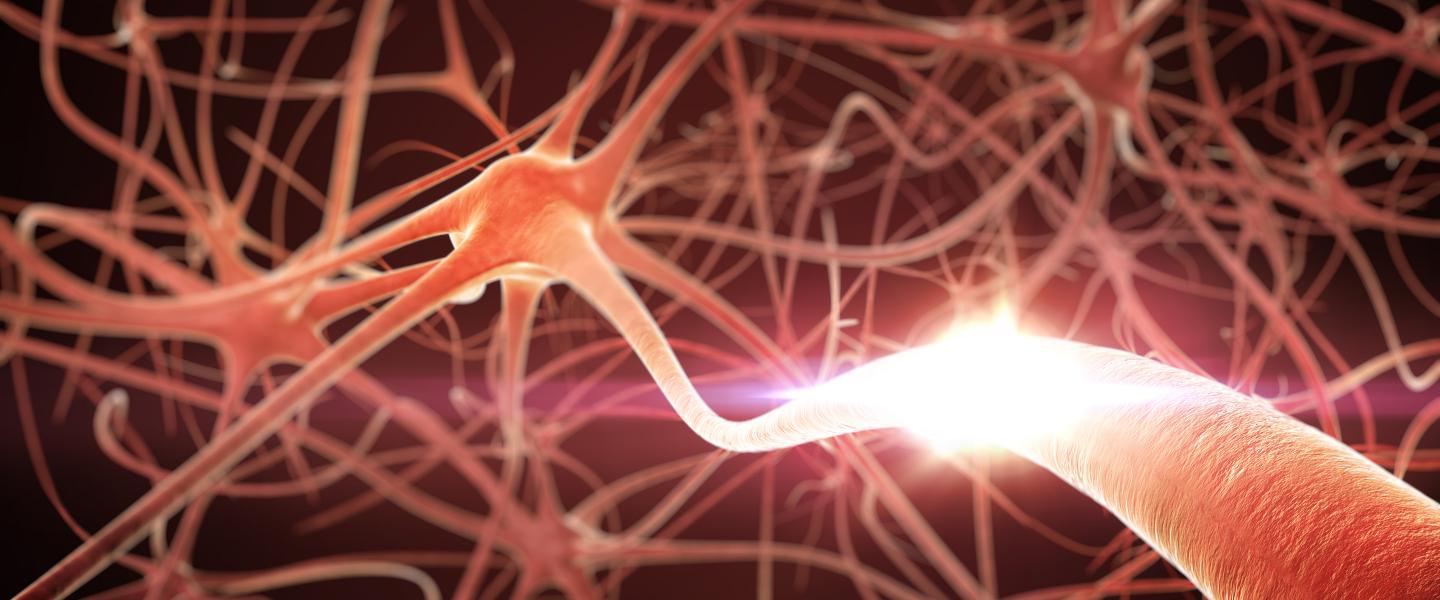
In the brain, glycine works as a neurotransmitter, affecting how chemical signals are sent in the body. Glycine also plays an important role in breaking down and using fat and fat-soluble vitamins after they are consumed.
Overall, glycine is essential for maintaining body structures, growth, and metabolism. It is commonly found in protein-rich foods such as meat, fish, beans, peas, lentils, and dairy. Most people consume about three to five grams of glycine per day from food. While small deficiencies of glycine are not dangerous, larger deficiencies may affect a person’s health.
Does Glycine Help With Sleep?
As a dietary supplement, glycine is often promoted as a cure for insomnia. However, there is not much evidence to back up this claim. Three small human studies suggest that glycine may hold promise as a sleep aid.
In evaluating research studies, experts advise people to consider the size of the study and who conducted and paid for the study, among other things. In the human studies on glycine supplements, the researchers included people who work for a company that manufactures glycine supplements and the number of subjects in the studies was small.

How Does Glycine Help With Sleep?
Although it’s not yet clear if glycine supplements help people sleep, scientists have conducted several animal studies to determine how glycine may affect sleep.
- Lowers body temperature: In rats, glycine appears to reduce core body temperature. This is important because the body starts to cool off as people fall asleep and body temperature continues to decrease for about two hours after falling asleep. A decrease in core body temperature may also be related to melatonin, a hormone that promotes sleep.
- Increases serotonin: Rats that are given glycine also appear to have an increased amount of serotonin in the brain, which researchers believe may help with insomnia . Serotonin is a neurotransmitter that is involved in sleep regulation.
Is Glycine Safe?
Glycine, like all dietary supplements, does not undergo the testing that is required for prescription and non-prescription medications. This means that manufacturers do not have to prove that glycine is safe before selling it to consumers.
In human research studies on glycine and sleep, a 3 gram dose of glycine did not cause any side effects . Amounts as high as 31 grams and 0.8 grams per kilogram of body weight have been studied for safety. High doses of glycine may cause nausea.
However, it is important to note that excessive amounts of glycine can be toxic, so anyone considering taking a glycine supplement should first check with a health care provider.
Frequently Asked Questions
How much glycine should you take for sleep?
Glycine supplements to help with sleep typically have a recommended dose of 3 grams. Because of the low dose, it’s generally considered safe and shouldn’t cause any side effects.
When should you take glycine for sleep?
If you’re taking glycine supplements to help with sleep, it’s recommended that you take them 30 to 60 minutes before bedtime. Research shows that taking it right before bed could help lower the body’s core temperature, which can help promote sleep.
What foods have glycine?
Glycine is a natural amino acid found in many of the things we eat, most notably in protein-rich foods. Some top sources of glycine in food can be found in bone broth, red meat, chicken, eggs, milk, lentils, beans, tofu, pumpkin seeds, spinach, and quinoa.
Is glycine the same as magnesium glycinate?
Glycine and magnesium glycinate have similar names and they are both used as sleep aids, but they’re different. Glycine is a standalone amino acid while magnesium glycinate is a supplement that combines elemental magnesium with glycine. Both are sold over the counter.
How long does it take glycine to work for sleep?
Glycine can work rather quickly, which is why it’s recommended to be taken within an hour of bedtime. Patients may also start to notice cumulative benefits like better sleep after taking it consistently for a few weeks.

Still have questions? Ask our community!
Join our Sleep Care Community — a trusted hub of sleep health professionals, product specialists, and people just like you. Whether you need expert sleep advice for your insomnia or you’re searching for the perfect mattress, we’ve got you covered. Get personalized guidance from the experts who know sleep best.
Jay Vera Summer is a writer, editor, and wellness coach. She holds a Bachelor's of Science in psychology and Master's degrees in both writing and public policy.
As a board-certified sleep medicine physician with over 20 years of clinical experience, Dr. Adavadkar is an expert in diagnosing and treating sleep disorders in both children and adults, as well as addressing sleep issues experienced by veterans. Dr. Adavadkar is a member of the Sleep Foundation Medical Advisory Board.
Learn more about our medical advisory boardReferences10 Sources
Razak, M. A., Begum, P. S., Viswanath, B., & Rajagopal, S. (2017). Multifarious Beneficial Effect of Nonessential Amino Acid, Glycine: A Review. Oxidative medicine and cellular longevity, 2017, 1716701.
https://pubmed.ncbi.nlm.nih.gov/28337245/National Center for Biotechnology Information (2023). PubChem Compound Summary for CID 750, Glycine., Retrieved July 14, 2023 from
https://pubchem.ncbi.nlm.nih.gov/compound/GlycineNeubauer, D. (2023, May 24). Pharmacotherapy for insomnia in adults. In R. Benca & J. Elmore (Ed.). UpToDate., Retrieved May 30, 2023, from
https://www.uptodate.com/contents/pharmacotherapy-for-insomnia-in-adultsBannai, M., Kawai, N., Ono, K., Nakahara, K., & Murakami, N. (2012). The effects of glycine on subjective daytime performance in partially sleep-restricted healthy volunteers. Frontiers in Neurology, 3, 61.
https://pubmed.ncbi.nlm.nih.gov/22529837/Bannai, M., Kawai, N., Nagao, K., Nakano, S., Matsuzawa, D., & Shimizu, E. (2011). Oral administration of glycine increases extracellular serotonin but not dopamine in the prefrontal cortex of rats. Psychiatry and clinical neurosciences, 65(2), 142–149.
https://pubmed.ncbi.nlm.nih.gov/21414089/Inagawa, K., Hiraoka, T., Kohda, T., Yamadera, W., & Takahashi, M. (2006). Subjective effects of glycine ingestion before bedtime on sleep quality. Sleep and Biological Rhythms, 4(1)
https://onlinelibrary.wiley.com/doi/abs/10.1111/j.1479-8425.2006.00193.xGarlick P. J. (2004). The nature of human hazards associated with excessive intake of amino acids. The Journal of nutrition, 134(6 Suppl), 1633S–1672S.
https://pubmed.ncbi.nlm.nih.gov/15173443/De Bartolomeis, A., Manchia, M., Marmo, F., Vellucci, L., Iasevoli, F., & Barone, A. (2020). Glycine Signaling in the Framework of Dopamine-Glutamate Interaction and Postsynaptic Density. Implications for Treatment-Resistant Schizophrenia. Frontiers in psychiatry, 11, 369.
https://pubmed.ncbi.nlm.nih.gov/32477178/Kawai, N., Sakai, N., Okuro, M., Karakawa, S., Tsuneyoshi, Y., Kawasaki, N., Takeda, T., Bannai, M., & Nishino, S. (2015). The sleep-promoting and hypothermic effects of glycine are mediated by NMDA receptors in the suprachiasmatic nucleus. Neuropsychopharmacology : official publication of the American College of Neuropsychopharmacology, 40(6), 1405–1416.
https://pubmed.ncbi.nlm.nih.gov/25533534Bannai M, Kawai N. New therapeutic strategy for amino acid medicine: glycine improves the quality of sleep. J Pharmacol Sci. 2012;118(2):145-148. doi:10.1254/jphs.11r04fm
https://pubmed.ncbi.nlm.nih.gov/22293292/