When you buy through our links, we may earn a commission. Products or services may be offered by an affiliated entity. Learn more.

Valerian Root for Sleep


- Valerian root is a centuries-old herbal remedy used to address sleep issues, anxiety, PMS, menopause symptoms, and headaches. It’s typically consumed as a tea, capsule, or tablet.
- It may promote sleep and relaxation by interacting with GABA and serotonin receptors in the brain, though researchers haven’t pinpointed the exact mechanism.
- Valerian root is generally considered safe for short-term use, but it can cause mild side effects (like headaches or vivid dreams). It’s not recommended for chronic insomnia.
- It should not be combined with sedatives, alcohol, or certain medications. It’s not recommended for young children or people who are pregnant or breastfeeding.
Valerian root is an herb that’s commonly used as a sleep aid, but it’s not new. Its medical use dates back to ancient Greece and Rome. Throughout history, people have treated migraine, tiredness, stomach cramps, and insomnia with valerian.
Today, people primarily take it forsleep issues, anxiety, premenstrual syndrome (PMS), menopause symptoms, depression, and headaches. According to a Sleep Foundation survey, about 9% of people between 21 and 64 have tried valerian root as a sleep aid. Most people who use it take it as a tea, though capsules and tablets are popular, too.Below, we’ll explore valerian root and its role as a natural sleep aid, covering its impact on the body, potential side effects, and recommended dosage.
Is Your Troubled Sleep a Health Risk?
A variety of issues can cause problems sleeping. Answer three questions to understand if it’s a concern you should worry about.
What Is Valerian Root?
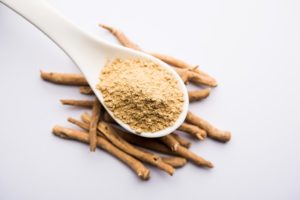
The valerian plant is a flowering herb with a distinct scent native to Asia and Europe, but it can also be found in North America.
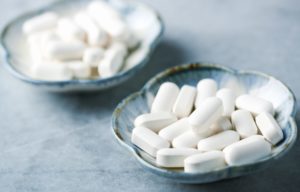
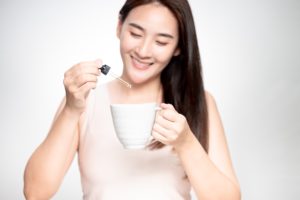
When used as a dietary supplement , valerian root is generally dried, then made into a tea, tincture, capsule, or tablet. These forms of valerian root are available without a prescription in pharmacies, grocery stores, and online.


How Does Valerian Root Work?
Valerian root contains multiple chemical compounds that may impact the human brain and body, but researchers haven’t pinpointed exactly which compounds affect us. Most likely, multiple components act together to provide effects. Researchers have identified the following active compounds in valerian root:
- Iridoids, also called valepotriates
- Essential oils, including valerenic acid and valeric acid
- Lignans
- Flavonoids
- GABA (at low levels)
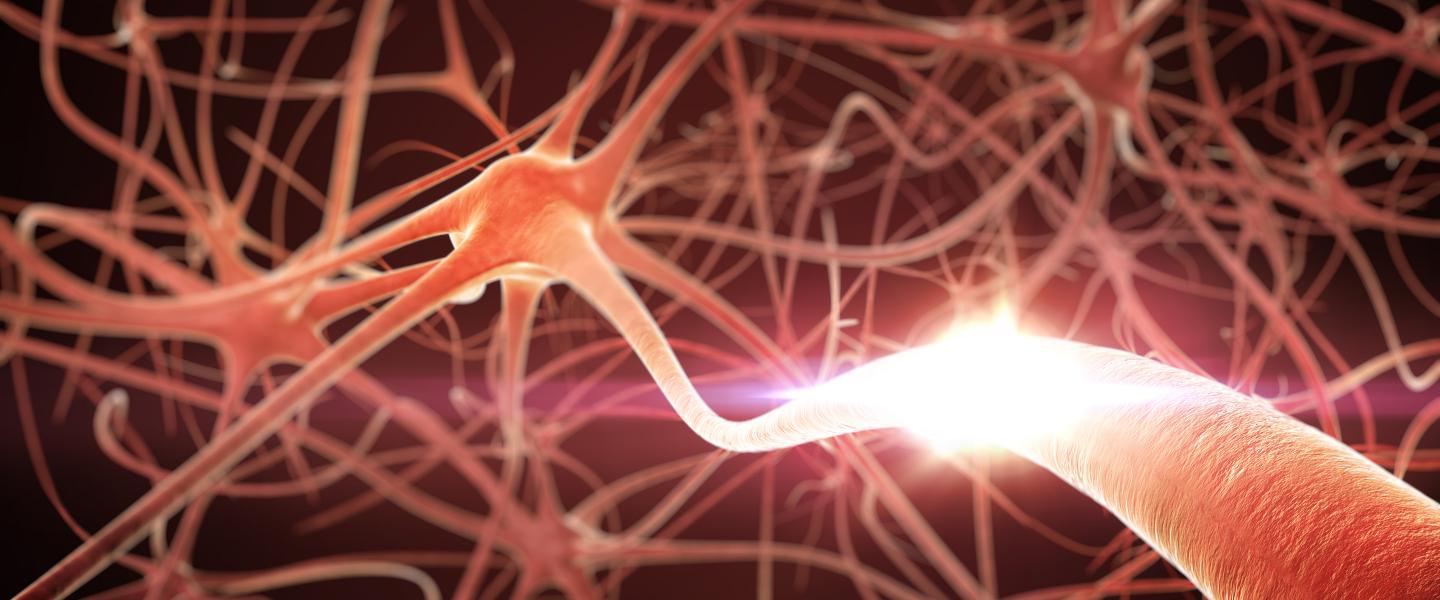
Researchers hypothesize that one or more of these compounds act as a sedative by affecting your brain’s GABA receptors.
Valerian Root for Pain
There’s little definitive research on valerian root’s effectiveness as a pain reliever, though a study done on rats suggests that it could ease both chronic and acute pain when combined with turnip extract. A second study, performed on mice, showed that valerian may also relieve pain when combined with hops.
Though the research on valerian root for pain is limited, anecdotally, people have long reported that using valerian root provides relief from headaches, menstrual pain, and stomach pain.
Valerian Root for Anxiety
GABA (gamma-aminobutyric acid) is a neurotransmitter that decreases nerve cell stimulation in your brain and may be able to reduce stress and anxiety.
Valerian root may increase GABA levels while preventing the receptors in your brain from getting overloaded. This is at least partially how valerian root supplements ease anxiety, though its impact could vary from person to person, depending on their sex and age. Valerian root may also impact serotonin receptors, which are involved in mood and sleep.
Valerian root has also been found to reduce brain activity in the motor cortex in response to stimulation, as well as change how brain waves in different parts of the brain work together in response to stress and anxiety.
Though this research suggests that valerian root may help anxiety, you shouldn’t take valerian root at the same time as certain medications, including benzodiazepines, opiates, antihistamines, and barbiturates.

Can Valerian Root Help You Sleep?
After analyzing 60 studies published over nearly 40 years, researchers determined that valerian root can likely improve sleep and reduce anxiety in many people. Valerian root supplements have been found to help people fall asleep faster, improve their sleep quality, and spend more time in a deep sleep stage.
However, some studies found that valerian root had no effect or a statistically insignificant effect. To see improvement, people may have to take valerian root regularly, rather than once in a while or as needed.
One thing to keep in mind is that the American Academy of Sleep Medicine (AASM) advises against the use of natural sleep aids, including valerian root and melatonin, when treating chronic insomnia, due to the lack of evidence for their effectiveness and safety.
Is Valerian Root Safe?
Many studies have found valerian root to be a safe natural sleep aid. Researchers have found taking valerian root regularly for up to 28 days doesn’t cause problems for most adults.
However, people taking sedatives or other anti-anxiety or sleep medications should avoid valerian root. There’s a chance these drugs could interact or become too sedating when combined. Also, those who are pregnant or nursing and children under the age of 3 shouldn’t take valerian root, as the risks haven’t been studied in these groups yet.
Studies of the longer-term safety of valerian root supplementation have not been conducted.
FDA Regulation of Valerian Root Supplements
Valerian root is considered a dietary supplement, so it’s not regulated by the Food and Drug Administration (FDA). There’s no official dosage recommendation and no oversight on whether supplements contain ingredients other than valerian root. When shopping for unregulated sleep aids like valerian root, it’s important to find reputable supplement sellers.
What Are the Side Effects of Valerian Root?
Generally, taking valerian root is thought to produce fewer side effects than taking sedative or hypnotic medications for sleep.
Most studies of valerian root for sleep found that participants experienced no adverse effects, or mild side effects at comparable rates to groups taking a placebo. However, other studies have found that valerian root may produce the following side effects in some people:
- Headache
- Upset stomach
- Feelings of uneasiness
- Heart rate changes
- Insomnia
- Drowsiness
- Dry mouth
- Vivid dreams
The effects of valerian root may depend on the dosage taken.
Safety Precautions When Taking Valerian Root
Like any other dietary supplement that’s unregulated, you should be cautious when choosing between valerian root products. If you’re pregnant or breastfeeding, you should avoid valerian root. Children 3 and younger shouldn’t take valerian root either.
Valerian root can interfere with certain medications, including benzodiazepines, opiates, antihistamines, and barbiturates. Consult your doctor before taking any new medications, including dietary supplements.
How Do You Take Valerian Root for Sleep?
Valerian root is available in a number of forms, including tablets, capsules, teas, tinctures, drink powders, and gummies. Our survey indicates that tablets, capsules, and teas are the most popular way to consume valerian root. Tinctures and drink powders are the least, with only about 10% and 7% of survey respondents having tried them, respectively.
When choosing which type of product to take, keep in mind that their form and dosage can affect absorption time. Tinctures generally work faster than tablets, but there’s no definitive research that tells us how long it will take to feel valerian root’s effects.
Valerian Root Dosage
There’s no official dosage recommended for people wanting to take valerian root. Most studies of valerian root’s effect on sleep have people take 300 to 600 milligrams, once per day, on a regular basis.
When taking a supplement, it’s often best to start with a low dose, then gradually increase it over time, if needed. Talk to your doctor before starting valerian root to discuss dosage and if it’s the best sleep aid for you.
When to Take Valerian Root for Sleep
You should take valerian root between 30 minutes and two hours before you want to go to bed. Teas and capsules take longer to absorb than tinctures and sublingual liquids. If you plan to take valerian root on a regular basis, try to take it at the same time each night. Clinical studies suggest that valerian root leaves your system within four to six hours.
When Should You Talk to Your Doctor?
Since there are no official guidelines regarding natural sleep aids, consider speaking to your doctor before taking one. Whether you’re interested in valerian root, melatonin, ashwagandha, or cannabis, your doctor can advise on potential risks and side effects, as well as a recommended dosage.
If you experience more than the occasional trouble sleeping and think you might have a sleep disorder, make an appointment with your doctor instead of self-treating with natural sleep aids. A variety of sleep disorders disrupt sleep and cause daytime tiredness. Your doctor will ask questions and, if necessary, order tests to determine the root cause of your sleep issues so you can receive proper treatment.
Frequently Asked Questions
Is valerian better than melatonin?
Valerian may be better than melatonin in certain instances, but not all. It’s been used to relieve pain and anxiety and promote sleep for hundreds of years. So if you’re looking for a multi-use supplement, valerian root’s benefits may be worth it for you. There’s more existing data on how melatonin works as a sedative, so if you want a natural sleep aid that’s been heavily researched, melatonin may be a better choice.
Both melatonin and valerian root are natural sleep aids that are unregulated by the FDA, so comparing sleep medications and choosing a reputable product is important.
How long does valerian root take to make you sleep?
There’s no definitive research that shows how long it takes for valerian root to make you sleep. Experts aren’t sure exactly how its chemical compounds react, so they can’t determine specific dosages or how long it will take for valerian root to affect your system after you take it. However, researchers say that its effects wear off after four to six hours, so taking it just prior to going to sleep can help you get the most benefit.
Can you give valerian root to children?
You shouldn’t give valerian root to children 3 or younger, as there’s no research on its effects for people this young. Consult your child’s physician before giving them any kind of sleep aid, including natural sleep aids like valerian root, melatonin, or magnesium.
What should you not take with valerian root?
You shouldn’t take valerian root alongside benzodiazepines, antihistamines, barbiturates, opiates, or alcohol, as valerian root may interact with these medications. If you’re pregnant or breastfeeding, you should also avoid taking valerian root.

Still have questions? Ask our community!
Join our Sleep Care Community — a trusted hub of sleep health professionals, product specialists, and people just like you. Whether you need expert sleep advice for your insomnia or you’re searching for the perfect mattress, we’ve got you covered. Get personalized guidance from the experts who know sleep best.
Jay Vera Summer is a writer, editor, and wellness coach. She holds a Bachelor's of Science in psychology and Master's degrees in both writing and public policy.
Dr. Abhinav Singh, board certified in Sleep Medicine and Internal Medicine, is the Medical Director of the Indiana Sleep Center, which is accredited by the American Academy of Sleep Medicine. He is also a Clinical Assistant Professor at Marian University College of Medicine in Indianapolis, where he developed and teaches a Sleep Medicine rotation.
Learn more about our medical advisory boardReferences14 Sources
National Center for Complementary and Integrative Health. (2020, October). Valerian.
https://www.nccih.nih.gov/health/valerianNational Institutes of Health Office of Dietary Supplements. (2013, March 15). Valerian.
https://ods.od.nih.gov/factsheets/Valerian-HealthProfessional/Shinjyo, N., Waddell, G., & Green, J. (2020). Valerian root in treating sleep problems and associated disorders—A systematic review and meta-analysis. Journal of Evidence-Based Integrative Medicine, 25, Article 2515690X20967323.
https://pubmed.ncbi.nlm.nih.gov/33086877/Wang, C., Gong, X., Bo, A., Zhang, L., Zhang, M., Zang, E., Zhang, C., & Li, M. (2020). Iridoids: Research advances in their phytochemistry, biological activities, and pharmacokinetics. Molecules (Basel, Switzerland), 25(2), 287.
https://pubmed.ncbi.nlm.nih.gov/31936853/Becker, A., Felgentreff, F., Schröder, H., Meier, B., & Brattström, A. (2014). The anxiolytic effects of a Valerian extract is based on valerenic acid. BMC Complementary and Alternative Medicine, 14, 267.
https://pubmed.ncbi.nlm.nih.gov/25066015/National Institutes of Health. Office of Dietary Supplements – Valerian. NIH.gov. Published 2017.
https://ods.od.nih.gov/factsheets/Valerian-HealthProfessional/Zare, A., Khaksar, Z., Sobhani, Z., & Amini, M. (2018). Analgesic effect of valerian root and turnip extracts. World Journal of Plastic Surgery, 7(3), 345–350.
https://pubmed.ncbi.nlm.nih.gov/30560075/Gammoh OS, Qnais E, Bseiso Y, Alrosan K, Alqudah A. Evaluation of the antinociceptive effect of valerian and hops combination in experimental animal models: Involvement of the opioid system. Heliyon. 2023;9(3):e14185. Published 2023 Mar 1. doi:10.1016/j.heliyon.2023.e14185
https://www.sciencedirect.com/science/article/pii/S2405844023013920Allen, M. J., & Sabir, S., Sharma, S. (2022, February 17). GABA receptor. In StatPearls. StatPearls Publishing.
https://www.ncbi.nlm.nih.gov/books/NBK526124/Dietz BM, Mahady GB, Pauli GF, Farnsworth NR. Valerian extract and valerenic acid are partial agonists of the 5-HT5a receptor in vitro. Brain Res Mol Brain Res. 2005;138(2):191-197. doi:10.1016/j.molbrainres.2005.04.009
https://pmc.ncbi.nlm.nih.gov/articles/PMC5805132/Mineo, L., Concerto, C., Patel, D., Mayorga, T., Paula, M., Chusid, E., Aguglia, E., & Battaglia, F. (2017). Valeriana officianis root extract modulates cortical excitatory circuits in humans. Neuropsychobiology, 75(1), 46–51.
https://pubmed.ncbi.nlm.nih.gov/29035887/Roh, D., Jung, J. H., Yoon, K. H., Lee, C. H., Kang, L. Y., Lee, S. K., Shin, K., & Kim, D. H. (2019). Valerian extract alters functional brain connectivity: A randomized double-blind placebo-controlled trial. Phytotherapy Research: PTR, 33(4), 939–948.
https://pubmed.ncbi.nlm.nih.gov/30632220/Sateia, M. J., Buysse, D. J., Krystal, A. D., Neubauer, D. N., & Heald, J. L. (2017). Clinical practice guideline for the pharmacologic treatment of chronic insomnia in adults: An American Academy of Sleep Medicine clinical practice guideline. Journal of Clinical Sleep Medicine, 13(2), 307–349.
https://pubmed.ncbi.nlm.nih.gov/27998379/Valerian – an overview | ScienceDirect Topics. www.sciencedirect.com.
https://www.sciencedirect.com/topics/pharmacology-toxicology-and-pharmaceutical-science/valerian