When you buy through our links, we may earn a commission. Products or services may be offered by an affiliated entity. Learn more.

Sleep and Anxiety Disorders


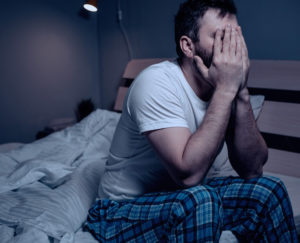
- Anxiety disorders and sleep problems often occur together. Anxiety can make it harder to fall asleep, stay asleep, and get restorative rest, while poor sleep can worsen anxiety symptoms.
- People with anxiety disorders may experience racing thoughts, nighttime worry, muscle tension, nightmares, or frequent awakenings that interfere with sleep.
- Treating an anxiety disorder through therapy, medication, stress management, or healthy sleep habits can improve both anxiety symptoms and sleep quality.
- If anxiety or sleep problems are persistent or interfere with your daily life, talk to a healthcare provider. Early treatment can help prevent sleep and anxiety from becoming a recurring cycle.
Sleep and anxiety are closely connected, with each having a powerful influence on the other. Anxiety disorders can make it difficult to fall asleep, stay asleep, or get restful sleep, while poor sleep can worsen anxiety symptoms and make it harder to cope with everyday stress. Over time, this can create a cycle that’s difficult to break without addressing both conditions.
Below, we’ll explore the relationship between sleep and anxiety disorders, why they’re so closely linked, and treatments that can help improve both.

What Is Anxiety?
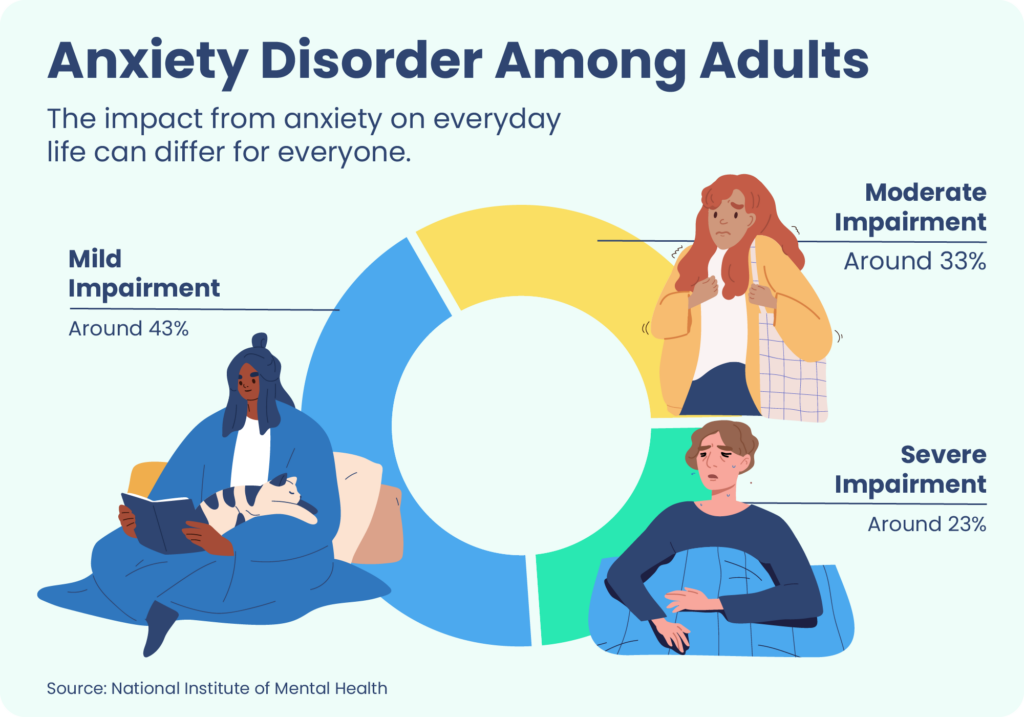
Anxiety disorders are the most common type of mental illness, with more than 30% of American adults experiencing an anxiety disorder at some point in their lives. They’re characterized primarily by a feeling of worry and unease. And while it’s normal to experience anxiety occasionally in response to fearful or stressful situations, in anxiety disorders, this distress becomes excessive. People with anxiety may also experience:
- Extreme nervousness
- Poor concentration
- Irritability and restlessness
- Fear or sense of impending doom
- Tense muscles
- Rapid breathing and heartbeat
- Night sweats
- Trembling
- Gastrointestinal distress
- Fatigue
Types of Anxiety Disorders
Anxiety is a core element of a number of specific disorders, although not all are categorized strictly as anxiety disorders.
- Generalized anxiety disorder (GAD): People with GAD have significant, looming worries about many different things that can cause an overarching sense of anxiety.
- Panic disorder: Extremely intense episodes of fear, known as panic attacks, that usually last for a few minutes at a time are the defining feature of panic disorder.
- Social anxiety disorder: This disorder involves an extreme fear of social settings and potential embarrassment in front of other people.
- Specific phobias: Specific phobias are intense fears caused by particular triggers. Some of the most common include agoraphobia (a fear of open or enclosed spaces, being in a crowd, or being alone) and separation anxiety.
- Obsessive-compulsive disorder (OCD): In OCD, a person obsesses about an issue in a way that it provokes anxiety, and this causes a compulsion, which is their attempt to control or eliminate that anxiety.
- Post-traumatic stress disorder (PTSD): This condition can arise after a person is exposed to a painful or disturbing situation. People with PTSD may relive the stressful event, feel on-edge, and have potentially debilitating anxiety.
Can Anxiety Cause Sleep Loss?
Serious sleep disturbances, including insomnia, have long been recognized as a common symptom of anxiety disorders. People who are plagued with worry often ruminate about their concerns in bed, and this anxiety at night can keep them from falling asleep.
When you feel anxious, your body’s stress response kicks in. It releases hormones like cortisol and adrenaline. These hormones raise your heart rate and keep your brain alert — the opposite of what you need to fall asleep. This state is called hyperarousal. It’s one of the main reasons anxiety and insomnia often occur together. People with high sleep reactivity are especially affected. Their sleep is more easily disrupted by stress than other people’s.
Sleeping difficulties have been found for people with various types of anxiety including generalized anxiety disorder, OCD, and PTSD. In several studies, over 90% of people with PTSD associated with military combat have reported symptoms of insomnia.
Anxiety disorders can also occur alongside other mental health problems like depression. According to the Anxiety and Depression Association of America (ADAA) , nearly 50% of people with depression are also diagnosed with an anxiety disorder.
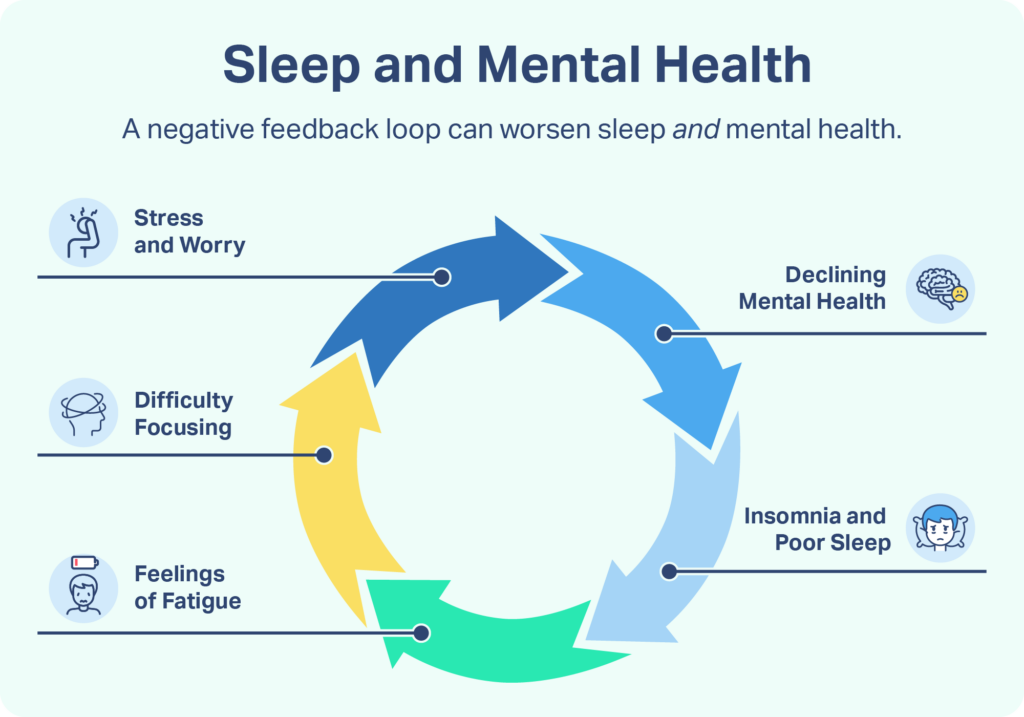
Can Lack of Sleep Cause Anxiety?
Distress about falling asleep can create a sleep anxiety that reinforces a person’s sense of dread. These negative thoughts about going to bed, a type of anticipatory anxiety, can create challenges to healthy sleep schedules and routines. Research indicates that anxiety and pre-sleep rumination may affect vivid dreaming during rapid eye movement (REM) sleep. Anxiety can provoke nightmares and disturbing dreams that create a higher likelihood of sleep disruptions and may reinforce fear around going to sleep.
At the same time, strong evidence indicates that sleep deprivation can instigate or worsen anxiety disorders. Researchers have found that people who are prone to anxiety are especially sensitive to the effects of insufficient sleep on mood and emotional health. The bidirectional relationship means that anxiety and sleep deprivation can be self-reinforcing; worrying causes poor sleep, while further sleep difficulties cause greater anxiety.
People with obstructive sleep apnea (OSA), a sleep disorder that causes repeated lapses in breathing and interrupted sleep, have been found to have higher rates of mental health problems, including depression, anxiety, and panic disorder.

How to Sleep With Anxiety
Although the impacts of anxiety disorders can be substantial, they are one of the most treatable mental health disorders. Any person who has persistent or significant anxiety and/or sleeping problems should talk with a doctor who can best assess their situation and discuss the benefits and downsides of the potential treatment options in their case.
Cognitive Behavioral Therapy (CBT)
Cognitive behavioral therapy (CBT) is a common treatment for anxiety disorders. It’s a type of talk therapy that works to reorient negative thinking, and it has had success in decreasing anxiety. Studies have found that CBT can often reduce anxiety even in people who have insomnia.
Addressing anxiety can pave the way for better sleep, but severe cases of insomnia may persist after CBT for anxiety. CBT for insomnia (CBT-I) may be a useful next step in these cases.
Anti-Anxiety Medications
Several different types of medications are approved to treat anxiety disorders including anti-anxiety drugs, antidepressants, and beta-blockers. These medications are intended to mitigate symptoms rather than cure the underlying anxiety.
Sleep Hygiene
Because of the multifaceted relationship between anxiety and sleep, getting better rest may help combat feelings of anxiety. Building healthy sleep habits and a consistent routine can make going to bed a more pleasant experience. This includes:
- Sticking to a consistent sleep schedule: Go to bed and wake up at the same time every day, even on weekends.
- Making your bed more comfortable: Invest in a supportive mattress and pillow and comfortable sheets.
- Keeping your bedroom for sleep only: Avoid working, scrolling, or watching stressful content in bed.
- Eliminating sources of sleep disruption: Try blackout curtains to limit light exposure and earplugs to reduce noise.
- Avoiding caffeine and alcohol: Both can disrupt sleep and heighten anxiety, especially later in the day.
Relaxation Techniques
Trying relaxation techniques can help identify ways to get rid of anxiety and make it easier to fall asleep quickly and peacefully. Relaxation exercises may be a component of CBT and can break the cycle of worry and rumination.
- Trying deep-breathing exercises: Slow, controlled breathing can calm your nervous system. Try box breathing: inhale for 4 counts, hold for 4, exhale for 4, hold for 4, then repeat.
- Try progressive muscle relaxation Tensing and releasing each muscle group in turn can ease physical tension caused by anxiety.
- Write down your worries before bed Getting thoughts out of your head and onto paper can reduce mental rumination.
You may also want to try scheduling times to actively worry, as this may eliminate worrying time as you lay down for sleep. Deep breathing, mindfulness meditation, and guided imagery are just a few approaches to relaxation that can help put your mind at-ease before bed or if you wake up during the night.
When to See a Doctor
Occasional nights of worry and poor sleep are common, but persistent problems may signal something more serious. If anxiety or sleep difficulties last for weeks or begin to interfere with your daily functioning, it’s a good idea to seek professional help. Warning signs include:
- Struggling to fall or stay asleep at least three nights per week
- Experiencing significant daytime fatigue, trouble concentrating, or irritability
- Ongoing or excessive worry that feels difficult to control
- Panic attacks, frequent nightmares, or heightened anxiety at night
- Dependence on alcohol, medications, or sleep aids to fall asleep
A doctor or sleep specialist can help determine whether you are experiencing an anxiety disorder, a sleep disorder, or both. Treatment may involve therapy, lifestyle changes, or medication. Addressing these issues early can break the cycle of anxiety and sleep problems and improve overall well-being.
Frequently Asked Questions
Why is anxiety worse at night?
Many people find their anxiety intensifies at night. Without the distractions of daytime activities, worries may feel more overwhelming when lying in bed. Hormonal fluctuations, changes in cortisol levels, and the quiet environment can also make anxious thoughts more noticeable. This heightened state of alertness can make it harder to fall or stay asleep, creating a cycle of anxiety and poor rest.
Can anxiety cause insomnia?
Yes, anxiety can make it hard to fall asleep and stay asleep, leading to either acute or chronic insomnia if left unaddressed. Worry and mental hyperarousal keep your brain in an alert state, which isn’t compatible with sleep.
Which magnesium is best for sleep and anxiety?
Magnesium glycinate and magnesium citrate are two of the most commonly recommended forms for sleep and anxiety. Both are easily absorbed and may promote relaxation by supporting healthy nervous system function.
Magnesium oxide is less well absorbed and more likely to cause stomach upset. Since magnesium can interact with medications, it’s best to check with your doctor before starting supplements.
What is sleep anxiety?
Sleep anxiety is excessive worry or fear about falling asleep or staying asleep. People with sleep anxiety may dread bedtime, worry about not getting enough sleep, or become anxious about how poor sleep will affect them the next day. Over time, these worries can make it even harder to fall asleep, creating a cycle in which anxiety and poor sleep reinforce one another.
What color noise is best for sleep and anxiety?
The best type of noise depends on your preference. White noise is consistent across all frequencies and can mask environmental sounds, while pink noise has a softer, more natural balance that some people find more calming. Brown noise emphasizes lower frequencies and may be especially soothing for anxiety. Experimenting with different noise colors can help you find what works best.
Can anxiety cause sleep paralysis?
Anxiety has been linked to an increased risk of sleep paralysis, although it isn’t the only cause. Sleep paralysis occurs when a person temporarily cannot move or speak while falling asleep or waking up. Factors such as sleep deprivation, irregular sleep schedules, and certain sleep disorders can also increase the likelihood of sleep paralysis.
Can you have an anxiety attack in your sleep?
Some people experience nocturnal panic attacks, which are panic attacks that occur during sleep and cause a person to wake up suddenly with symptoms such as a racing heart, shortness of breath, sweating, trembling, or an intense sense of fear. Although they happen during sleep, nocturnal panic attacks are similar to panic attacks that occur during the day.
If you frequently wake up with panic symptoms, talk to your doctor to determine whether an anxiety disorder, sleep disorder, or another medical condition may be contributing.

Still have questions? Ask our community!
Join our Sleep Care Community — a trusted hub of sleep health professionals, product specialists, and people just like you. Whether you need expert sleep advice for your insomnia or you’re searching for the perfect mattress, we’ve got you covered. Get personalized guidance from the experts who know sleep best.
Eric Suni has over a decade of experience as a science writer and was previously an information specialist for the National Cancer Institute.
Dr. Alex Dimitriu is the founder of Menlo Park Psychiatry and Sleep Medicine. He is board-certified in psychiatry as well as sleep medicine.
Learn more about our medical advisory boardReferences6 Sources
National Institute of Mental Health (NIMH). (2017, November). Statistics: Any Anxiety Disorder.
https://www.nimh.nih.gov/health/statistics/any-anxiety-disorder.shtmlNational Institute of Mental Health (NIMH). (2018, July). Anxiety Disorders.
https://www.nimh.nih.gov/health/topics/anxiety-disorders/index.shtmlGehrman, P. (2020, March 26). Sleep Problems in Veterans with PTSD.
https://www.ptsd.va.gov/professional/treat/cooccurring/sleep_problems_vets.aspAnxiety and Depression Association of America (ADAA). (n.d.). Facts & Statistics.
https://adaa.org/about-adaa/press-room/facts-statisticsKaczkurkin, A. N., Tyler, J., Turk-Karan, E., Belli, G., & Asnaani, A. (2020). The Association between Insomnia and Anxiety Symptoms in a Naturalistic Anxiety Treatment Setting. Behavioral sleep medicine, 1–16. Advance online publication.
https://pubmed.ncbi.nlm.nih.gov/31955594/Wróbel-Knybel P, Flis M, Rog J, Jalal B, Wołkowski L, Karakuła-Juchnowicz H. Characteristics of Sleep Paralysis and Its Association with Anxiety Symptoms, Perceived Stress, PTSD, and Other Variables Related to Lifestyle in Selected High Stress Exposed Professions. Int J Environ Res Public Health. 2022;19(13):7821. Published 2022 Jun 25. doi:10.3390/ijerph19137821
https://pmc.ncbi.nlm.nih.gov/articles/PMC9265794/