When you buy through our links, we may earn a commission. Products or services may be offered by an affiliated entity. Learn more.

Dry Mouth at Night


- Dry mouth at night can be caused by mouth breathing, certain medications, dehydration, aging, and underlying medical conditions.
- Sleep disorders such as obstructive sleep apnea may contribute to nighttime dry mouth, especially in people who breathe through their mouths while sleeping.
- Simple strategies like staying hydrated, treating nasal congestion, using a humidifier, and practicing good oral hygiene may help reduce dry mouth while you sleep.
About 22% of people experience dry mouth, also called xerostomia. Dry mouth can feel uncomfortable and negatively affect a person’s quality of life. If your mouth becomes dry at night, it might also disrupt your sleep, causing you to wake up.
In this article, we’ll examine the symptoms, risk factors, preventative measures, and treatments for dry mouth, and discuss when it may be appropriate to talk to a doctor.
Your best sleep starts with the right mattress.
Our expert testing team tried 300+ mattresses to find the top ones for every sleeping style. See our favorite mattresses of 2026 here.
- In-depth ratings and comparisons
- Regularly updated with new products and testing data
- Options for all types of sleepers

What Is Dry Mouth?
Dry mouth is the subjective sensation of having a mouth that feels dry. This condition overlaps with but differs from hyposalivation, in which a person’s glands produce too little saliva. Hyposalivation is objectively defined by measuring a person’s saliva output, while dry mouth is self-reported according to how a person’s mouth feels to them.
Symptoms of Dry Mouth at Night
The primary symptom of xerostomia is having a dry sensation in your mouth. Doctors determine if a person has dry mouth by asking a series of questions about how their mouth feels at different times.
Many doctors and researchers use a list of symptoms called the xerostomia inventory, or a shortened version of this list. For example, medical professionals may ask questions regarding the severity of:
- How dry your mouth feels when eating
- How difficult it is to eat dry foods
- How dry your lips feel
- How dry your mouth feels at night or on awakening
- How thirsty you feel at night
Although having a mouth that feels dry is the primary criteria, other symptoms often accompany xerostomia. The American Dental Association considers these symptoms to be complications or signs of dry mouth:
- Bad breath
- A burning sensation or sores in the mouth
- Difficulty chewing, swallowing, or speaking
- A change in taste or difficulty tolerating spicy, salty, or sour flavors
- Dry and cracked lips
- A rough tongue
- Infections in the mouth
- Trouble keeping in dentures
Chronic dry mouth can also contribute to tooth decay, plaque, eroded enamel, or tooth demineralization in the form of white spots, as well as sensitive teeth and inflamed gums.

Causes of Dry Mouth at Night
Multiple factors can cause a person to experience dry mouth, whether during the day or at night. Identifying the cause of your dry mouth may help you figure out how to treat it and prevent it from recurring.
Dehydration
If you find yourself waking up thirsty during the night or experiencing dry mouth when you wake up, you might be dehydrated. Dehydration occurs when you consume less water than your body expels, whether through urine, sweat, or other means.
Dehydration is more likely to occur when you are not drinking much water or when you are losing more fluids than usual. For example, having diarrhea or sweating due to exercise or warm weather can cause you to lose more fluids. In some cases, underlying medical issues, such as diabetes, can contribute to dehydration.
Mouth Breathing
Breathing through your mouth instead of your nose as you sleep can cause dry mouth at night. Nighttime mouth breathing can result from blocked nasal passages and is associated with sleep-disordered breathing. Working with a doctor or sleep specialist can uncover why a person breathes through their mouth at night and how to treat it.
Medications and Medical Treatments
A variety of medications can cause dry mouth as a side effect, in part because many medications interfere with saliva production. Being on more than one medication may also increase a person’s risk of dry mouth. Some medications that might lead to dry mouth include:
- Antihistamines
- Decongestants
- Antidepressants
- Antipsychotics
- Some muscle relaxants
- Diuretics
- Certain stimulants used to treat attention deficit hyperactivity disorder (ADHD)
- Bladder medications that reduce urination
- Some sedatives
- Some medications used to treat glaucoma, dementia, or Parkinson’s disease
- Certain asthma medications
Dry mouth can also result from certain medical treatments. Radiation of the head and neck as part of a cancer treatment is commonly associated with dry mouth. Continuous positive airway pressure (CPAP) machine use, a treatment for obstructive sleep apnea, has also been associated with dry mouth.
Illnesses
Sometimes dry mouth occurs as a symptom of, or along with, another physical health issue.
Dry mouth is one of the primary symptoms of Sjögren syndrome, an autoimmune disorder. Doctors often measure saliva output and check for abnormalities in saliva glands when diagnosing Sjögren syndrome. In addition to dry mouth, Sjögren syndrome often causes dry eyes. Less commonly, dryness may occur in other parts of the body.
Other illnesses and medical conditions can also cause dry mouth. Some of these illnesses include:
- Obstructive sleep apnea
- Diabetes
- Coronavirus disease 2019 (COVID-19)
- Human immunodeficiency virus infection (HIV)
- High blood pressure
- Hepatitis C
Aging
Dry mouth is more common in older adults. This may be due to increased use of medications that cause dry mouth.
Smoking
Toxins in cigarette smoke lead cigarette smokers to produce less saliva than non-smokers, which can result in more instances of dry mouth over time.
Biological Sex
Several studies have found that dry mouth is more prevalent in women. This prevalence is independent of medication use, meaning that it is not due to women taking more medications. More research is needed to better understand this association.
How to Prevent Dry Mouth at Night
There are several home remedies you can try to prevent dry mouth at night if you are at risk.
Drink Plenty of Fluids
If your dry mouth is mainly due to dehydration, drinking plenty of fluids might help reduce discomfort. In addition to drinking water throughout the day, consider keeping a glass of water next to your bed at night. You may also be able to stimulate saliva production before bed by chewing sugar-free gum or using a non-alcoholic mouthwash.
Use a Humidifier
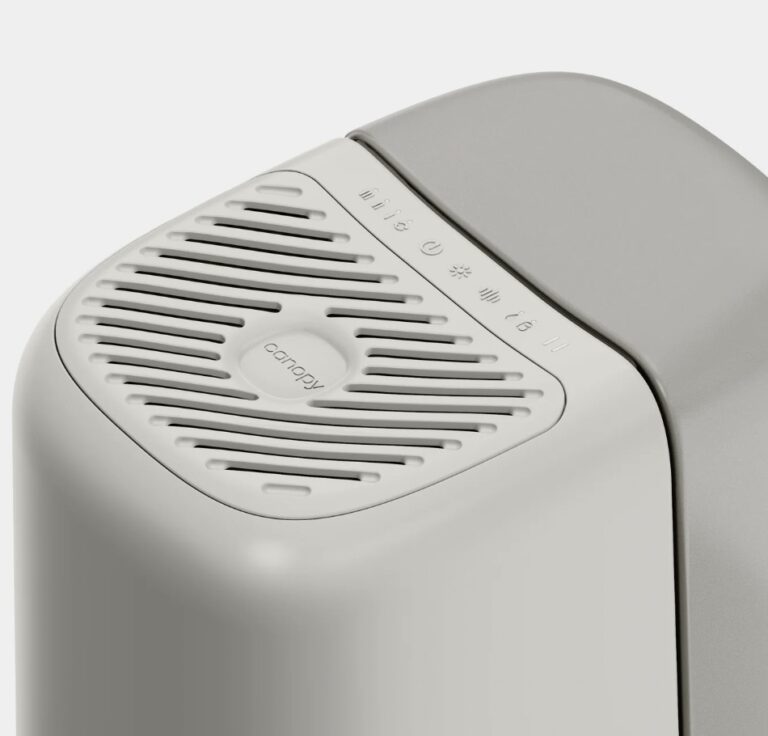
Dry mouth may worsen when you are in a space with low humidity. Use a humidifier at night to keep your bedroom air from becoming too dry.
Quit Smoking
Smokers tend to produce less saliva, so quitting smoking could reduce your chances of experiencing dry mouth at night.
Address Mouth Breathing
If you breathe through your mouth at night due to a blocked nose or CPAP therapy, you may be able to reduce dry mouth by treating your nasal congestion or making adjustments to your CPAP setup, such as adding a humidifier to your device, in consultation with your doctor.
Review Medications
Check any prescription drugs, supplements, or over-the-counter medications you are taking to see if dry mouth, or xerostomia, is listed as a potential side effect. If dry mouth is a side effect of a medication you take, do not stop taking it right away. Instead, make an appointment with your doctor. They can determine if you can safely reduce your medication dosage, discontinue the medication, or change your medication schedule in order to reduce mouth dryness at night.
Treatment of Dry Mouth at Night
Multiple strategies exist for treating dry mouth, depending on the root cause.
Artificial Saliva
Research demonstrates that saliva substitutes may relieve dry mouth in people who cannot find relief through other methods. Saliva substitutes, or artificial saliva, are lubricants that generally take the form of a gel or mouthwash. Some types of artificial saliva work better than others, so it may be helpful to consult a doctor who is familiar with the differences across types.
Medication
The U.S. Food and Drug Administration (FDA) has approved two salivary stimulants designed for treating dry mouth for people with certain medical conditions. Some evidence also suggests that amifostine, a medication often prescribed to reduce side effects of chemotherapy, can reduce the dry mouth associated with radiation therapy. These medications may come with their own side effects, and you should consult your doctor before starting any new medication.
Acupuncture
Some health professionals believe that acupuncture might be able to help treat dry mouth by stimulating saliva production, though more research is needed to confirm this theory.
When to Talk to Your Doctor
Not all people who experience dry mouth at night need to see a doctor. Sometimes home remedies like drinking more water, using a bedroom humidifier, or quitting smoking might solve the problem.
Consider making an appointment with your primary care physician if:
- Home treatments do not alleviate your symptoms
- Dry mouth is affecting your sleep
- Your dry mouth is accompanied by other symptoms such as dry eyes or enlarged salivary glands
Your doctor can review the medications you take or order tests to determine if your dry mouth is due to an underlying disorder.
People who frequently experience dry mouth may need to pay extra attention to dental care and visit their dentist more often to prevent damage to their teeth. The American Dental Association suggests using topical fluoride to reduce the risk of cavities. Your doctor can also help you treat secondary infections arising due to dry mouth.
Frequently Asked Questions
What is a natural remedy for dry mouth at night?
Natural remedies for dry mouth at night include staying hydrated throughout the day; sucking on sugar-free lozenges, candies, or gum before bed to stimulate saliva production; and sleeping with a humidifier. Other options include keeping a spray bottle with water at your bedside to hydrate your mouth, putting a frozen slice of melon or cucumber on the side of your mouth during the day, and rinsing with alcohol-free mouthwashes.
Does metformin cause dry mouth at night?
People who take metformin have reported dry mouth as a symptom, but it could have more to do with having diabetes than with the medicine itself. In fact, dry mouth isn’t listed as a side effect of metformin based on clinical studies of the drug.
However, people with diabetes can experience dehydration and develop damaged salivary glands from prolonged periods of high sugar levels, leading to dry mouth.
Can hypothyroidism cause dry mouth at night?
One of the symptoms of hypothyroidism can be dry mouth at night. As an autoimmune disease, it can cause salivary gland dysfunction, which leads to less saliva production, and ultimately creates that dry mouth feeling.
Does sleep apnea cause dry mouth?
Sleep apnea can cause you to wake up with a dry mouth and is sometimes one of the key symptoms that prompt people to get sleep tested. That’s because snoring and mouth-breathing, which is also prevalent in many sleep apnea cases, dries up the saliva in your mouth and causes it to feel dry. People with diagnosed sleep apnea who use CPAP therapy can also experience dry mouth if the mask doesn’t fit properly.
Can a lack of sleep cause dry mouth?
Not sleeping enough can be a cause of dry mouth. When your body is sleep deprived, studies have found that there’s reduced saliva flow. Without a normal amount of saliva to add moisture to your mouth, it will begin to feel dry.
Can sleeping with a fan cause dry mouth?
Dry mouth is caused by a lack of moisture in the air. Because a fan circulating the air draws out moisture from the room while also sending more dry air toward you, it can be a contributor to waking up with a dry mouth. However, if the fan is oscillating and not blowing directly toward your face, it will have less of an effect.

Still have questions? Ask our community!
Join our Sleep Care Community — a trusted hub of sleep health professionals, product specialists, and people just like you. Whether you need expert sleep advice for your insomnia or you’re searching for the perfect mattress, we’ve got you covered. Get personalized guidance from the experts who know sleep best.
Jay Vera Summer is a writer, editor, and wellness coach. She holds a Bachelor's of Science in psychology and Master's degrees in both writing and public policy.
Dr. Abhinav Singh, board certified in Sleep Medicine and Internal Medicine, is the Medical Director of the Indiana Sleep Center, which is accredited by the American Academy of Sleep Medicine. He is also a Clinical Assistant Professor at Marian University College of Medicine in Indianapolis, where he developed and teaches a Sleep Medicine rotation.
Learn more about our medical advisory boardReferences14 Sources
Wolff, A., Joshi, R. K., Ekström, J., Aframian, D., Pedersen, A. M., Proctor, G., Narayana, N., Villa, A., Sia, Y. W., Aliko, A., McGowan, R., Kerr, A. R., Jensen, S. B., Vissink, A., & Dawes, C. (2017). A guide to medications inducing salivary gland dysfunction, xerostomia, and subjective sialorrhea: A systematic review sponsored by the World Workshop on Oral Medicine VI. Drugs in R&D, 17(1), 1–28.
https://pubmed.ncbi.nlm.nih.gov/27853957/Nevares, A. M. (2020, February). Sjögren syndrome. Merck Manual Professional Version., Retrieved August 24, 2021, from
https://www.merckmanuals.com/professional/musculoskeletal-and-connective-tissue-disorders/autoimmune-rheumatic-disorders/sjögren-syndromeMauri-Obradors, E., Estrugo-Devesa, A., Jané-Salas, E., Viñas, M., López-López, J. (2017). Oral manifestations of diabetes mellitus. A systematic review. Medicina Oral, Patologia Oral y Cirugia Bucal, 22(5), e586–e594.
https://pubmed.ncbi.nlm.nih.gov/28809366/Fantozzi, P. J., Pampena, E., Di Vanna, D., Pellegrino, E., Corbi, D., Mammucari, S., Alessi, F., Pampena, R., Bertazzoni, G., Minisola, S., Mastroianni, C. M., Polimeni, A., Romeo, U., & Villa, A. (2020). Xerostomia, gustatory and olfactory dysfunctions in patients with COVID-19. American Journal of Otolaryngology, 41(6), 102721.
https://pubmed.ncbi.nlm.nih.gov/32977063/Nizamuddin, I., Koulen, P., & McArthur, C. P. (2018). Contribution of HIV infection, AIDS, and antiretroviral therapy to exocrine pathogenesis in salivary and lacrimal glands. International Journal of Molecular Sciences, 19(9), 2747.
https://pubmed.ncbi.nlm.nih.gov/30217034/Mohiti, A., Eslami, F., & Dehestani, M. R. (2020). Does hypertension affect saliva properties? Journal of Dentistry (Shiraz, Iran), 21(3), 190–194.
https://pubmed.ncbi.nlm.nih.gov/33062812/Niklander, S., Veas, L., Barrera, C., Fuentes, F., Chiappini, G., & Marshall, M. (2017). Risk factors, hyposalivation and impact of xerostomia on oral health-related quality of life. Brazilian Oral Research, 31, e14.
https://pubmed.ncbi.nlm.nih.gov/28099580/Łysik, D., Niemirowicz-Laskowska, K., Bucki, R., Tokajuk, G., & Mystkowska, J. (2019). Artificial saliva: Challenges and future perspectives for the treatment of xerostomia. International Journal of Molecular Sciences, 20(13), 3199.
https://pubmed.ncbi.nlm.nih.gov/31261876/Riley, P., Glenny, A.-M., Hua, F., & Worthington, H. V. (2017). Pharmacological interventions for preventing dry mouth and salivary gland dysfunction following radiotherapy. The Cochrane Database of Systematic Reviews, 7(7), CD012744.
https://pubmed.ncbi.nlm.nih.gov/28759701/MedLine Plus. Metformin: MedlinePlus drug information. Medlineplus.gov.
https://medlineplus.gov/druginfo/meds/a696005.htmlSreebny LM, Yu A, Green A, Valdini A. Xerostomia in diabetes mellitus. Diabetes Care. 1992;15(7):900-904. doi:10.2337/diacare.15.7.900
https://pubmed.ncbi.nlm.nih.gov/1516511/Agha-Hosseini F, Shirzad N, Moosavi MS. Evaluation of Xerostomia and salivary flow rate in Hashimoto’s Thyroiditis. Med Oral Patol Oral Cir Bucal. 2016;21(1):e1-e5. Published 2016 Jan 1. doi:10.4317/medoral.20559
https://pmc.ncbi.nlm.nih.gov/articles/PMC4765761/Oksenberg, A., Froom, P., & Melamed, S. (2006). Dry mouth upon awakening in obstructive sleep apnea. Journal of Sleep Research, 15(3), 317–320.
https://pubmed.ncbi.nlm.nih.gov/16911034/Do KY. Relationship between Insufficient Sleep and Bad Breath in Korean Adolescent Population. Int J Environ Res Public Health. 2020;17(19):7230. Published 2020 Oct 2. doi:10.3390/ijerph17197230
https://pmc.ncbi.nlm.nih.gov/articles/PMC7579004/