When you buy through our links, we may earn a commission. Products or services may be offered by an affiliated entity. Learn more.

How to Get Over Jet Lag


Whether you’re traveling for business, vacation, or an athletic competition, a big trip is usually cause for excitement. Unfortunately, problems can arise from the process of traveling. When long airplane flights are involved, jet lag is frequently encountered.
Jet lag is commonly associated with international plane travel, but it can arise on any flight that goes east or west across three or more time zones. Jet lag frequently causes sleep disruptions, which can throw your body’s internal clock out of sync with the day-night cycle at your destination.
Knowing how to prevent and recover from jet lag can help you maintain your sleep schedule and overall wellness during your travels, so you can make the most of your trip.
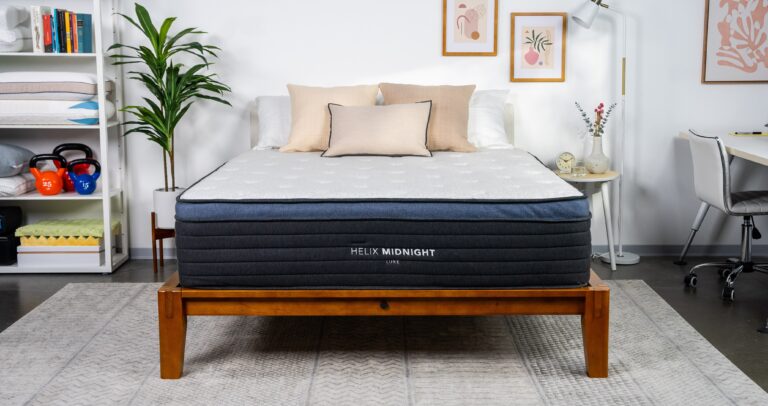
Looking to improve your sleep? Try upgrading your mattress.
What Is Jet Lag?
Jet lag is a disruption of the body’s circadian rhythm that occurs with plane travel across three or more time zones. Symptoms frequently include sleeping problems, daytime drowsiness, impaired mental or physical performance, general malaise, and gastrointestinal issues.
Jet lag can last from a few days to a few weeks. Although some people prefer to travel east, jet lag tends to be worse when traveling east and when a greater number of time zones are crossed.
Not everyone is affected by jet lag to the same degree. Trip itinerary and individual factors can affect the severity and duration of jet lag.
Is Your Troubled Sleep a Health Risk?
A variety of issues can cause problems sleeping. Answer three questions to understand if it’s a concern you should worry about.
What’s the Best Way To Reduce or Resolve Jet Lag?
The key to getting over jet lag is to get your body’s circadian clock aligned with the sunrise and sunset schedule at your destination. Many steps can also be taken to minimize symptoms caused by jet lag.
Realigning Your Circadian Rhythm
Overcoming jet lag depends on getting your body’s 24-hour internal clock synchronized with the 24-hour day at your destination. However, the best way the achieve this varies, depending on factors specific to your trip:
- Whether you’re traveling east or west. Eastward travel is associated with an increased likelihood of jet lag for the majority (75%) of people, though 25% of people find it harder to travel west.
- The number of time zones crossed. Crossing more than three time zones increases the likelihood of jet lag. The greater the number of time zones crossed, the greater the jet lag.
- Total travel time, including stop-overs
- Flight arrival time
- Length of your trip (including subsequent flights)
- Your normal sleep schedule
- Plans during your trip, including any scheduled obligations
Because of these variables, there’s no single remedy for jet lag and generic advice does not work. Instead, quickly overcoming jet lag typically requires a plan that involves appropriately-timed light exposure and melatonin. Both are power influencers of the circadian rhythm and can help retrain your internal clock.
Proper timing is key to adjusting your circadian rhythm. In fact, light exposure and melatonin intake at the wrong time of the day can further desynchronize your circadian rhythm and exacerbate jet lag.
Even with a well-developed plan, you may still experience symptoms of jet lag. Every individual adjusts differently to a rapid time zone change, but working to reorient your circadian rhythm can reduce the chances that jet lag will negatively impact your trip.
Light Exposure
Light, especially natural light, has the biggest influence on circadian rhythm. Light from the sun, even on a cloudy day, is a critical signal interpreted by the brain to regulate our internal clock.
Exposure to natural light at your destination speeds up the process of acclimating to the new time zone; however, you may not want to immediately rush outside. Depending on how far you’ve traveled and the time you land, it may be better to avoid light when you first arrive and then have extended light exposure earlier the next day.
Man-made light, including electronic devices, also affects circadian rhythm. For this reason, try to avoid electric light during planned periods of darkness and sleep.
When natural light exposure isn’t an option, bright indoor lights, phones and laptops, or light therapy lamps can provide higher illuminance with a greater circadian effect.
Light avoidance, avoiding light exposure at the wrong time, is also important to prevent your clock from shifting in the wrong direction and making jet lag worse. When indicated, avoiding light can mean dimming indoor lights, avoiding use of electronic devices, or wearing sunglasses. The circadian system measures changes in light, so light avoidance does not mean darkness — just less light exposure than when advised to see light.

Melatonin
The hormone melatonin is naturally made by the body and is the biochemical signal of darkness. Melatonin production usually starts at night two to three hours before your normal bedtime. Two key functions of melatonin are helping sleep initiation and regulating your circadian rhythm.
When your circadian rhythm is disrupted by jet lag, the timing of melatonin production can be thrown off. A number of studies have found that taking low-dose (1-3mg) melatonin supplements at the right time may help realign your internal clock. Like light, melatonin can shift the clock either earlier or later and so timing is crucial.
Melatonin is sold as an over-the-counter dietary supplement available without a prescription in the U.S. In most countries, it is a prescription medication. Some prescription drugs also boost melatonin levels.
Most people can take melatonin without significant side effects, but in some people, it can cause grogginess or stomach problems and may have interactions with other medications. Some people should not take melatonin, so make sure to check the safety advice or ask your doctor. Do not take melatonin for the first time on the plane in case of unexpected reactions. As with any drug or supplement, it’s best to consult with your doctor before taking melatonin.
Pre-Trip Adjustments to Your Sleep Schedule
For many travelers, the best way to get over jet lag is to take steps to prevent it.
You can begin avoiding jet lag by gradually shifting your circadian rhythm in the one to two days leading up to the flight. Then, you’ll be more adjusted to the time zone at your destination when you arrive.
A revamped sleep schedule along with strategically timed light exposure and melatonin supplements can help adjust your circadian rhythm. These changes require careful coordination and may pose logistical challenges for many travelers. However, for people who prioritize optimal physical and mental performance after travel, such as athletes and business executives, the effort may be worth it.
Tools to Plan a Trip and Avoid Jet Lag
With so many factors to account for, planning to avoid jet lag can feel overwhelming. The timing of events is not intuitive, however, and it’s easy to get it wrong. Plan ahead or try an app to help create an adjusted sleep schedule.
You can also consult with your doctor, a sleep specialist, or a travel clinic for specific advice about overcoming jet lag given your travel plans and personal health history.
Minimizing Symptoms of Jet Lag
Although you can’t fully recover from jet lag until your circadian rhythm adjusts to the new time zone, you can take practical steps to minimize symptoms. Many of these tips also cut down on travel fatigue or the dehydration and exhaustion that can occur during long trips.
- Get solid sleep before your trip: Try to start off by getting plenty of uninterrupted sleep in the nights leading up to your flight. Prioritize sleep so you can be at your best when you arrive.
- Bring helpful accessories: A sleep mask, earplugs, and comfortable clothes for sleep are examples of items that can decrease disruptions when sleeping in a new place.
- Avoid unnecessary stress: Being anxious can impede quality sleep and exacerbate symptoms of jet lag.
- Don’t over-schedule your first days: Anticipate some degree of jetlag symptoms and don’t overbook your first days at your destination. Budget enough time for sleep and keep buffers in your schedule in case you aren’t feeling well.
- Limit alcohol: Alcohol reduces the overall quality of your sleep. Therefore it’s best to cut out or limit alcohol both in-flight and after arriving.
- Don’t overdo caffeine: Caffeine can give boost alertness in the short-term, but use it in moderation. Too much caffeine can leave you jittery and may linger in your system, making it difficult to fall asleep.
- Stay hydrated: Airplane cabins can induce dehydration, so make sure to sip water before, during, and after the flight.
- Eat healthily: Stomach problems often arise from jet lag and extended plane travel, so opt for lighter meals made up mostly of fruits and vegetables to prevent gastrointestinal disturbances.
- Stretch on the plane: It’s important to stand up and move a few times to prevent muscle stiffness and reduce the risk of blood clots.
- Exercise: Exercise has beneficial effects on the mind and body, so make time to be physically active at your destination. While research is inconclusive, properly timed exercise may also help align your circadian rhythm.
Can Naps Help With Jet Lag?
A quick nap may help you overcome excess daytime sleepiness related to jet lag, but it’s important to be careful with naps. If you nap for too long or too late in the day, it may throw off your sleep schedule even more. Try to keep naps less than 30 minutes and nap at least eight or more hours before your planned bedtime.
Can Sleep Aids Help With Jet Lag?
Sleep aids other than melatonin, including both prescription sleeping pills and over-the-counter drugs, do not cure jet lag because they don’t realign your circadian rhythm and therefore will not address the underlying cause of jet lag. That said, if jet lag is causing sleep deprivation, a sleep aid may help address that symptom.
Most sleeping pills have a powerful effect that can make you feel out-of-sorts and groggy for longer than expected, including after you wake up. The risk of falls or accidents is often higher after taking sleep medications. Frequent use of sleep aids may also make it harder to recognize an ongoing case of jet lag.
Before taking any sleep aid, it’s best to consult your doctor. They can review the potential benefits and side effects and offer advice on how to safely take them, based on your specific travel plans.

Still have questions? Ask our community!
Join our Sleep Care Community — a trusted hub of sleep health professionals, product specialists, and people just like you. Whether you need expert sleep advice for your insomnia or you’re searching for the perfect mattress, we’ve got you covered. Get personalized guidance from the experts who know sleep best.
Eric Suni has over a decade of experience as a science writer and was previously an information specialist for the National Cancer Institute.
Dr. Abhinav Singh, board certified in Sleep Medicine and Internal Medicine, is the Medical Director of the Indiana Sleep Center, which is accredited by the American Academy of Sleep Medicine. He is also a Clinical Assistant Professor at Marian University College of Medicine in Indianapolis, where he developed and teaches a Sleep Medicine rotation.
Learn more about our medical advisory boardReferences12 Sources
Centers for Disease Control and Prevention (2019, June 24). CDC Yellow Book 2020: Health Information for International Travel. Oxford University Press., Retrieved January 27, 2021 from
https://wwwnc.cdc.gov/travel/yellowbook/2020/travel-by-air-land-sea/jet-lagAmerican Academy of Sleep Medicine. (2014). The International Classification of Sleep Disorders – Third Edition (ICSD-3). Darien, IL.
https://aasm.org/clinical-resources/international-classification-sleep-disorders/Eastman, C. I., & Burgess, H. J. (2009). How to travel the world without jet lag. Sleep Medicine Clinics, 4(2), 241–255.
https://pubmed.ncbi.nlm.nih.gov/20204161/Vosko, A. M., Colwell, C. S., & Avidan, A. Y. (2010). Jet lag syndrome: Circadian organization, pathophysiology, and management strategies. Nature and Science of Sleep, 2, 187–198.
https://pubmed.ncbi.nlm.nih.gov/23616709/Roach, G. D., & Sargent, C. (2019). Interventions to minimize jet lag after westward and eastward flight. Frontiers in Physiology, 10, 927.
https://pubmed.ncbi.nlm.nih.gov/31417411/Centers for Disease Control and Prevention (2019, June 24). CDC Yellow Book 2020: Health Information for International Travel. Oxford University Press.
https://wwwnc.cdc.gov/travel/yellowbook/2020/travel-by-air-land-sea/jet-lagRevell VL, Eastman CI. How to trick mother nature into letting you fly around or stay up all night. J Biol Rhythms. 2005 Aug;20(4):353-65
https://pubmed.ncbi.nlm.nih.gov/16077154/Herxheimer, A., & Petrie, K. J. (2002). Melatonin for the prevention and treatment of jet lag. Cochrane Database of Systematic Reviews, 2, CD001520.
https://pubmed.ncbi.nlm.nih.gov/12076414/A.D.A.M. Medical Encyclopedia. (2019, July 11). Jet lag prevention., Retrieved January 27, 2021, from
https://medlineplus.gov/ency/patientinstructions/000719.htmNational Center for Emerging and Zoonotic Infectious Diseases (NCEZID), Division of Global Migration and Quarantine (DGMQ). (2020, January 3). Jet lag. Centers for Disease Control and Prevention., Retrieved January 27, 2021, from
https://wwwnc.cdc.gov/travel/page/jet-lagChan, V., & Allman-Farinelli, M. (2020). Efficacy of functional foods, beverages, and supplements claiming to alleviate air travel symptoms: Protocol for a systematic review. JMIR Research pPotocols, 9(3), e16155.
https://pubmed.ncbi.nlm.nih.gov/32217495/Halson, S. L., Burke, L. M., & Pearce, J. (2019). Nutrition for travel: From jet lag to catering. International Journal of Sport Nutrition and Exercise Metabolism, 29(2), 228–235.
https://pubmed.ncbi.nlm.nih.gov/30507257/
Learn More About Travel