When you buy through our links, we may earn a commission. Products or services may be offered by an affiliated entity. Learn more.

How Does a Sleep Study Work?


- Sleep studies are specialized tests that monitor brain activity, breathing, heart rate, oxygen levels, and body movements while you sleep.
- During an in-lab sleep study, sensors are placed on the body to collect information while a sleep technologist monitors the test throughout the night.
- The results of a sleep study help diagnose sleep disorders such as sleep apnea, narcolepsy, and periodic limb movement disorder.
Being told you need a sleep study can raise a lot of questions about what the test involves and what to expect. While the process may seem unfamiliar, sleep studies are common, noninvasive tests that can provide important insights into the causes of a person’s symptoms, including which — if any — sleep disorders are present.
In this article, we’ll explain how sleep studies work, what happens during testing, and how the results can help diagnose sleep disorders and guide treatment decisions.

What Is a Sleep Study?
Sleep studies monitor different body functions while you sleep . The most comprehensive type, called polysomnography, is performed in a sleep clinic. At-home sleep tests are also growing in popularity.
During a sleep study, different types of sensors are attached to your body to gather data overnight while you sleep. The data is used to diagnose the cause of symptoms, such as loud snoring, waking up gasping for breath, daytime sleepiness, or trouble falling and staying asleep.
How Does a Sleep Study Work?
An in-lab sleep study usually takes place overnight at a sleep clinic or hospital. Here’s what to expect from a typical polysomnography appointment.
- Arrival and preparation: When you visit a clinic for polysomnography , you’ll be assigned a room to yourself. You’ll change into your sleeping clothes and settle in for the night.
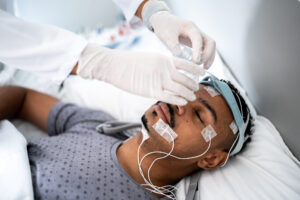
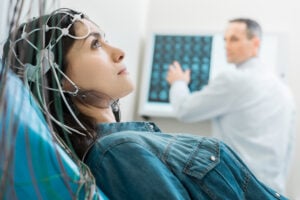
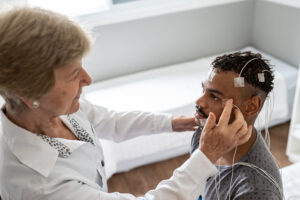
- Setup: Before bedtime, a technologist glues or tapes painless sensors to your head and body that will record information. These sensors will monitor:
- Breathing rate
- Blood oxygen level
- Body position
- Heart rate
- Brain waves
- Leg movements
- Eye movements
- During the night: You can read and relax in bed until you’re ready to fall asleep. The technologist will be on hand to monitor and record the results of your test and to assist you with any issues during the night. For example, if you need to use the bathroom, the technologist will detach the sensors and reattach them when you return.
- End of test: The sleep test ends when you wake up in the morning and have the sensors removed.
- Follow-up testing (optional): Some patients undergo multiple sleep latency testing the day after their polysomnography. You’ll have sensors attached to collect data on your sleep patterns over the course of five scheduled nap periods, two hours apart. At the start of each nap period, the technologist will notify you that it’s time for a nap, and you’ll relax and try to fall asleep.
- Sleep study results: The results of your sleep study will be sent to your doctor for interpretation. They’ll then contact you to discuss the findings of the sleep study, whether your results indicate that you have a sleep disorder, and treatment options.
What Can a Sleep Study Diagnose?
A sleep study is used to diagnose sleep disorders . The most common sleep disorders diagnosed by sleep studies are:
- Sleep apnea: A disorder that causes your breath to intermittently stop during sleep
- Insomnia: A disorder that prevents you from falling asleep or staying asleep at night
- Restless leg syndrome: A condition that causes leg discomfort and a strong urge to move them during sleep
- Narcolepsy: A neurological condition that causes excessive daytime tiredness and sudden sleep episodes
Unfortunately, sleep disorders are notoriously underdiagnosed , as they often develop gradually over time and have symptoms that can be difficult to recognize.

How Does a Home Sleep Study Work?
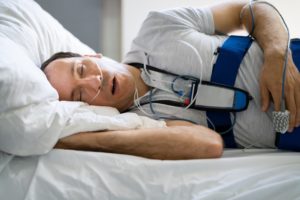
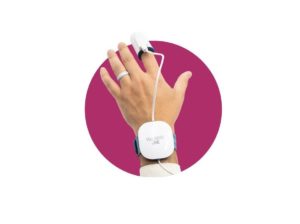
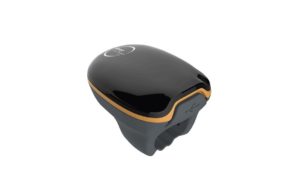
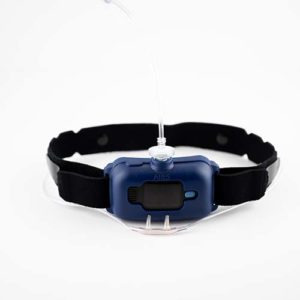
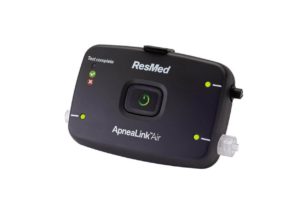
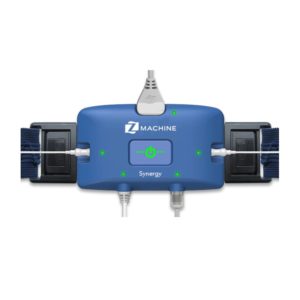
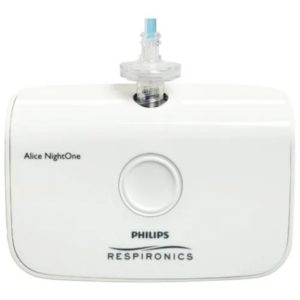
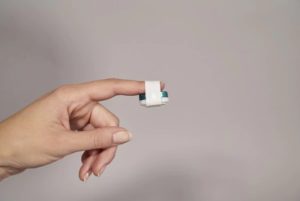
For a home sleep test, you’ll order a monitoring device, equipment, and detailed how-to instructions from your doctor or licensed vendor. Many home sleep tests can be mailed to your address. Before bed, you attach the sensors to yourself and follow the directions.
Once you’re set up, you simply fall asleep as usual. The testing device collects data throughout the night, then stops collecting data when you wake up and remove the sensors. The doctor can examine your results and provide a diagnosis.
Home sleep tests offer a convenient, often less expensive alternative to visiting a sleep clinic. If you’re considering a home test, Sleep Doctor’s At-Home Sleep Study gives you one-on-one video consultation with a sleep specialist and delivers fast results. It’s available for a fraction of the cost of a sleep clinic study, and best of all, you can take it from the comfort of your own bed, where you’ll likely have an easier time falling asleep.
Currently, home sleep studies are only used to evaluate for obstructive sleep apnea (OSA). Home sleep apnea tests are often less effective at detecting OSA than polysomnography, so the American Academy of Sleep Medicine (AASM) recommends that they only be used when moderate or severe OSA is suspected and when other health conditions are not present. The AASM also advises that diagnosis and treatment of sleep apnea should not be based solely on the results of an at-home sleep study.
If your doctor recommends polysomnography to diagnose or rule out sleep apnea, you can ask whether a home study is an appropriate alternative.
How to Prepare for a Sleep Study
Taking steps before your sleep study can help you feel comfortable and facilitate more accurate results.
Before scheduling your sleep study:
- Review medications with your doctor: Talk to your doctor about medications you’re currently taking. Certain medications can interfere with sleep study results, but you shouldn’t skip any medication doses without consulting your doctor first.
- Request a tour of the sleep lab: If you’re feeling anxious about a sleep study at a clinic, request a tour of the sleep clinic ahead of time. You can also ask about having someone accompany you during the setup portion of your sleep study.
On the day of your sleep study:
- Follow your usual daily routine as much as you can.
- Avoid caffeine from the afternoon on.
- Don’t take a nap.
- Avoid using hair sprays, oils, gels, or other styling products before the study, as these can interfere with the sensors placed on the scalp.
- If your sleep study is at a clinic, bring pajamas, a toothbrush and other toiletries, something to read, and clothes to change into the next day. You can also bring your own pillow.
Frequently Asked Questions
How long is a sleep study?
A sleep study takes place overnight, and usually lasts 8 to 9 hours total. For a lab test, you’ll arrive at the clinic in the evening and leave in the morning after you wake up. In some cases, you may be asked to stay longer the next day for follow-up multiple sleep latency testing, which involves collecting additional sleep data during your scheduled nap periods.
What if I can’t sleep during a sleep study?
It is normal to sleep less than usual during polysomnography because of the sensors and the unfamiliar environment. This typically does not affect the results of your test, but let your doctor know if you have any concerns.
Can I get up and go to the bathroom during a sleep study?
You are allowed to get up and go to the bathroom at any point during a sleep study. Be sure to ask the technician in advance — they may need to detach the equipment when you go and re-attach it when you return.
Can someone stay with you during a sleep study?
Usually, patients sleep alone during sleep studies. However, there may be exceptions for special cases where a caregiver or family member can stay at the sleep lab. Typically, they are still required to stay in a separate room. No one else is allowed to sleep in the same bed as the person undergoing the sleep test. The rules vary depending on the lab, so talk to the healthcare provider or sleep clinic staff in advance about your needs.
How long does it take to get sleep study results?
The timeline for receiving sleep study results can vary depending on the type of test and the sleep center’s process. In general, it can take as little as a few days or up to two weeks for a sleep specialist to review the data, interpret the findings, and discuss the results with you.
What should you wear to a sleep study?
Most sleep centers recommend wearing comfortable, loose-fitting sleepwear, such as pajamas, a T-shirt and shorts, or other clothing you would normally sleep in at home. You may also want to bring toiletries, a change of clothes, and any items that help you maintain your usual bedtime routine, such as a favorite pillow or blanket if permitted by the sleep center.

Still have questions? Ask our community!
Join our Sleep Care Community — a trusted hub of sleep health professionals, product specialists, and people just like you. Whether you need expert sleep advice for your insomnia or you’re searching for the perfect mattress, we’ve got you covered. Get personalized guidance from the experts who know sleep best.
Alexa Fry is a science writer with experience working for the National Cancer Institute. She also holds a certificate in technical writing.
Dr. John DeBanto has been a medical doctor and gastroenterologist for over 20 years. He is board certified in both internal medicine and gastroenterology. He is also a Fellow with the American College of Gastroenterology, serving on the patient care committee. He enjoys educating his patients on nutrition, cancer screening, and weight issues, as he is acutely aware of how obesity can lead to significant morbidity and in particular sleep apnea, fatty liver, cancer, and cardiac issues.
Learn more about our medical advisory boardReferences6 Sources
MedlinePlus: National Library of Medicine (US). (2021, August 9). Sleep study.
https://medlineplus.gov/lab-tests/sleep-study/A.D.A.M. Medical Encyclopedia. (2020, January 29). Polysomnography. MedlinePlus.
https://medlineplus.gov/ency/article/003932.htmArand, D. L., & Bonnet, M. H. (2019). The multiple sleep latency test. Handbook of Clinical Neurology, 160, 393–403.
https://pubmed.ncbi.nlm.nih.gov/31277864/National Heart, Lung, and Blood Institute. (2022, March 24). Sleep studies.
https://www.nhlbi.nih.gov/health/sleep-studiesBaran, A. S., & Chervin, R. D. (2009). Approach to the patient with sleep complaints. Seminars in Neurology, 29(4), 297–304.
https://pubmed.ncbi.nlm.nih.gov/19742407/Rosen, I. M., Kirsch, D. B., Carden, K. A., Malhotra, R. K., Ramar, K., Aurora, R. N., Kristo, D. A., Martin, J. L., Olson, E. J., Rosen, C. L., Rowley, J. A., Shelgikar, A. V., & American Academy of Sleep Medicine Board of Directors (2018). Clinical Use of a Home Sleep Apnea Test: An Updated American Academy of Sleep Medicine Position Statement. Journal of clinical sleep medicine : JCSM : official publication of the American Academy of Sleep Medicine, 14(12), 2075–2077.
https://pubmed.ncbi.nlm.nih.gov/30518456/