When you buy through our links, we may earn a commission. Products or services may be offered by an affiliated entity. Learn more.

Alcohol and Sleep


- Alcohol may make you feel sleepy initially, but it disrupts normal sleep patterns, leading to lighter, less restorative rest and more frequent awakenings.
- Alcohol reduces REM sleep, the stage linked to memory and emotional processing, which can contribute to fatigue and poor focus the next day.
- Drinking before bed can worsen snoring and sleep apnea by relaxing the muscles in the throat and narrowing the airway.
- To promote better sleep quality, experts recommend avoiding alcohol within three to four hours of bedtime and practicing healthy sleep habits instead.
If you’re part of the 50 to 60% of Americans who drink alcohol, chances are, you’ve had a drink in the hours before bedtime. Maybe you enjoy a glass of beer or wine after dinner, or your weekends include drinking with friends at bars or social events. Maybe sipping a nightcap is part of your bedtime ritual.
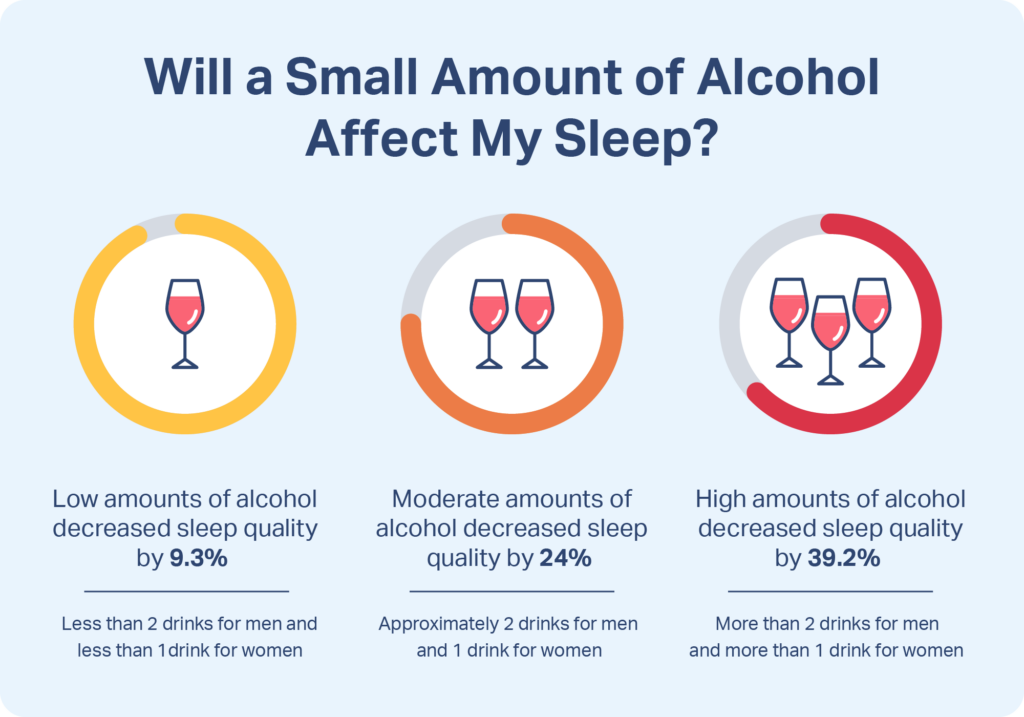
While some people find that drinking alcohol helps them fall asleep more easily, alcohol ultimately has a negative impact on sleep. Even in moderate amounts, alcohol consumed in the hours before bedtime can cost you sleep and leave you feeling tired the next day. Based on data from roughly 160,000 Sleep Foundation profiles, nearly 90% of respondents who regularly consume alcohol in the evening have reported at least one sleep-related problem.
Does Alcohol Help You Sleep?
Alcohol is a sedative, which means it can make you feel relaxed and drowsy shortly after drinking. Many people use alcohol to help themselves fall asleep faster, and research confirms that drinking before bed can reduce the time it takes to fall asleep — at least initially.
However, the same chemical effects that make alcohol feel calming at first also disrupt normal sleep patterns later in the night. As the body metabolizes alcohol, it interferes with communication between neurotransmitters that regulate sleep and wakefulness. This leads to lighter, more fragmented sleep and frequent awakenings, especially during the second half of the night when blood alcohol levels begin to drop.
Your best sleep starts with the right mattress.
Our expert testing team tried 300+ mattresses to find the top ones for every sleeping style. See our favorite mattresses of 2026 here.
- In-depth ratings and comparisons
- Regularly updated with new products and testing data
- Options for all types of sleepers

How Does Alcohol Affect Sleep?
How much alcohol you drink and when you drink it can both influence sleep. As you consume alcohol, it’s rapidly absorbed into your bloodstream, where it remains until your liver is able to metabolize it, typically at a rate of about one drink per hour. If you have alcohol in your bloodstream when you go to sleep, you’re likely to experience alterations in sleep architecture—that is, how your body cycles through the four stages of sleep.
The typical sleep cycle begins with three non-rapid eye movement (NREM) stages of sleep and ends with rapid eye movement (REM). During sleep, the body cycles through all of these stages every 90 to 120 minutes, with NREM sleep dominating the first part of the night and REM increasing during the second part of the night. Each stage is necessary for sleep to feel refreshing and for vital processes like learning and memory consolidation to occur.
When you go to bed with alcohol in your system, you’re likely to experience more N3 sleep—known as “deep sleep”—and less REM sleep than usual, at least initially. Later in the night, once your body has metabolized the alcohol, you’re likely to experience a rise in N1 sleep, the lightest stage of sleep. This can lead to frequent wakings and fragmented, low-quality sleep.
Can Alcohol Cause Sleep Problems?
In addition to altering your sleep architecture, alcohol can disrupt your sleep by interfering with contributing to sleep disorders and interfering with circadian rhythms. Alcohol’s effects on sleep can be both acute—that is, immediate—and chronic, affecting heavy drinkers in the long term.
Snoring and Sleep Apnea
For people who snore or who have sleep apnea—a disorder that causes repeated pauses in breathing during sleep—drinking alcohol tends to aggravate symptoms.
Consuming alcohol causes physiological changes that affect snorers and people with obstructive sleep apnea (OSA), which occurs when tissues in the nose or throat collapse and temporarily obstruct the airway. For example, alcohol causes tongue and throat muscles to relax. It also causes changes to blood vessels in the nose, leading to greater airway resistance in the nasal passages. These alterations significantly increase the likelihood and duration of breathing events during sleep.
Alcohol also affects people with central sleep apnea (CSA), which occurs when the brain periodically stops sending certain signals involved in breathing. Alcohol interferes with the brain’s ability to receive chemical messages involved in breathing, which decreases the body’s respiratory drive and increases the likelihood of pauses in breathing.
People with alcohol in their systems are also generally harder to wake, which means that they’re less likely to experience “arousals” that help them recover from OSA- and CSA-related pauses in breathing.
Insomnia
Heavy alcohol use can contribute to the development of insomnia, a sleep disorder characterized by difficulty falling asleep and staying asleep. As many as three quarters of people with alcohol dependence experience insomnia symptoms when they drink. Insomnia is also very common in people who are in withdrawal or early recovery from alcohol addiction.
While heavy alcohol use can trigger insomnia, the opposite is also true. People with insomnia have an increased risk of developing alcohol use disorder, potentially because many individuals turn to alcohol as a sleep aid.
For people with alcohol dependence and insomnia, a destructive pattern can develop: Individuals drink alcohol at bedtime to help them fall asleep, but they end up sleeping poorly for much of the night. To counteract the excessive sleepiness they feel during the day, they rely on caffeine—but this makes it hard to fall asleep at bedtime, and the cycle begins again.
Circadian Rhythm Disruptions
Alcohol use and dependence appear to interfere with circadian rhythms—biological patterns that operate on a 24-hour clock. Evidence suggests that consuming alcohol may decrease the body’s sensitivity to cues, like daylight and darkness, which trigger shifts in body temperature and secretion of the sleep hormone melatonin. These fluctuations play a vital role in the sleep-wake cycle, and when they are weakened—or absent—a person may feel alert when they want to sleep and sleepy when they want to be awake.
Sleep Paralysis and Other Parasomnias
Alcohol can increase the likelihood of experiencing parasomnias—unusual behaviors or sensations that occur during sleep—such as sleepwalking, vivid dreams, or sleep paralysis. These disturbances occur because alcohol disrupts the brain’s normal regulation of sleep stages, particularly REM sleep, when most dreaming and muscle atonia (temporary paralysis) occur.
Sleep paralysis, which happens when a person wakes up but is temporarily unable to move or speak, can become more common after drinking heavily or inconsistently. Alcohol’s sedative effects can lead to fragmented REM cycles, making it more likely that someone wakes up during this stage and experiences paralysis or hallucinations.
Similarly, alcohol may trigger or worsen other parasomnias, including sleep talking, night terrors, or acting out dreams, by destabilizing the transitions between sleep stages. These effects are more pronounced in people who drink close to bedtime or already have disrupted sleep from conditions like sleep apnea or insomnia.

When Should I Stop Drinking Before Bed?
Experts recommend that you avoid alcohol for at least three hours before bedtime. That said, some people may benefit from avoiding alcohol for even longer or abstaining altogether. There are many factors that influence how quickly your body can metabolize alcohol and, therefore, the likelihood that alcohol will disrupt your sleep. You may need to stop drinking more than three hours before bedtime if you:
- Consume multiple drinks over a short period of time
- Drink alcohol on an empty stomach
- Are especially sensitive to the effects of alcohol
- Are sleep deprived
- Take any medications that intensify the effects of alcohol
It’s also worth noting that the sleep problems caused by alcohol consumption can intensify hangover symptoms.
What Else Can You Do to Sleep Better?
Limiting alcohol—especially in the hours before bed—is just one part of maintaining healthy sleep. Building consistent habits that support your body’s natural sleep-wake cycle can help you fall asleep more easily and wake up feeling rested.
- Keep a regular sleep schedule: Try to go to bed and wake up at the same time every day, including weekends.
- Create a relaxing bedtime routine: Wind down before bed with calming activities like reading, stretching, or meditation. Avoid screens and bright lights in the hour before bedtime.
- Optimize your sleep environment: Keep your bedroom cool, dark, and quiet. Use blackout curtains, earplugs, or white noise if needed. Invest in a comfortable mattress and pillow that support your preferred sleeping position.
- Watch caffeine and heavy meals: Avoid caffeine in the afternoon and large meals close to bedtime, as both can interfere with your ability to fall and stay asleep.
- Address underlying sleep problems: If you snore, wake up gasping, or feel exhausted even after a full night’s rest, talk to your doctor. You may have an underlying condition, such as sleep apnea or insomnia.
When Should You See a Doctor?
If alcohol regularly disrupts your sleep or leaves you feeling exhausted during the day, it may be time to talk to a doctor or sleep specialist. Occasional sleep problems after drinking are common, but persistent snoring, frequent awakenings, or unrefreshing sleep could signal an underlying condition such as sleep apnea or insomnia.
You should also seek medical guidance if you experience:
- Difficulty falling or staying asleep even when not drinking
- Morning headaches, dry mouth, or excessive daytime sleepiness
- Gasping or choking during sleep (as reported by a partner)
- Heart palpitations, anxiety, or mood changes after alcohol use
- Trouble reducing alcohol consumption or dependence on alcohol to fall asleep
A healthcare provider can review your symptoms, assess your alcohol use, and recommend safe, effective treatments for improving your sleep. This might include a sleep study, cognitive behavioral therapy for insomnia (CBT-I), or referral to a specialist for alcohol use support if needed.
Frequently Asked Questions
Does alcohol increase heart rate while sleeping?
Yes. Alcohol can cause your heart rate to rise during sleep, especially as your body metabolizes it in the second half of the night. This happens because alcohol activates the sympathetic nervous system, which increases heart rate and blood pressure. Regular drinking before bed can also increase the risk of abnormal heart rhythms (arrhythmias), particularly in people with underlying heart conditions.
Can alcohol kill you in your sleep?
In rare but serious cases, yes. Drinking large amounts of alcohol can slow or stop breathing, lower heart rate, and cause alcohol poisoning, which can be fatal, especially if someone becomes unconscious and vomits while lying on their back.
For people with sleep apnea, alcohol increases the risk of dangerously low oxygen levels during sleep by further relaxing airway muscles. Anyone who shows signs of alcohol poisoning, such as vomiting, slow breathing, confusion, or loss of consciousness, requires immediate medical attention.
Can alcohol affect sleep days later?
Yes. While alcohol’s sedative effects wear off quickly, its impact on sleep quality and circadian rhythms can linger for several days. Heavy or repeated drinking disrupts normal REM cycles, making it harder to get consistent, refreshing sleep even after you stop drinking. Some people also experience rebound insomnia, vivid dreams, or fatigue for several nights as their body readjusts.
What happens when you mix alcohol and sleeping pills?
Mixing alcohol with sleeping pills or sedative medications can be extremely dangerous. Both substances slow down the central nervous system, which can cause severe drowsiness, suppressed breathing, dangerously low heart rate, or even coma. The combination also increases the risk of confusion, falls, and accidental overdose. These substances should never be used together unless explicitly permitted and monitored by a doctor.

Still have questions? Ask our community!
Join our Sleep Care Community — a trusted hub of sleep health professionals, product specialists, and people just like you. Whether you need expert sleep advice for your insomnia or you’re searching for the perfect mattress, we’ve got you covered. Get personalized guidance from the experts who know sleep best.
Lucy Bryan is a writer and editor with more than a decade of experience in higher education. She holds a B.A. in journalism from the University of North Carolina at Chapel Hill and an M.F.A. in creative writing from Penn State University.
Dr. Abhinav Singh, board certified in Sleep Medicine and Internal Medicine, is the Medical Director of the Indiana Sleep Center, which is accredited by the American Academy of Sleep Medicine. He is also a Clinical Assistant Professor at Marian University College of Medicine in Indianapolis, where he developed and teaches a Sleep Medicine rotation.
Learn more about our medical advisory boardReferences11 Sources
Saad L. U.S. Drinking Rate at New Low as Alcohol Concerns Surge. Gallup.com. Published August 13, 2025.
https://news.gallup.com/poll/693362/drinking-rate-new-low-alcohol-concerns-surge.aspxPark, S., Oh, M., Lee, B., Kim, H., Lee, W., Lee, J., Lim, J., & Kim, J. (2015). The Effects of Alcohol on Quality of Sleep. Korean Journal of Family Medicine, 36(6), 294–299.
https://www.ncbi.nlm.nih.gov/pmc/articles/PMC4666864/State of California. (2024). Alcohol Facts. California Department of Alcoholic Beverage Control.
https://www.abc.ca.gov/education/licensee-education/alcohol-facts/Colrain, I. M., Nicholas, C. L., & Baker, F. C. (2014). Alcohol and the sleeping brain. Handbook of Clinical Neurology, 125, 415–431.
https://pubmed.ncbi.nlm.nih.gov/25307588/He, S., Brant, H., & Chakravorty, S. (2019, December). Alcohol and sleep-related problems. Current Opinion in Psychology, 30, 117-122.
https://pubmed.ncbi.nlm.nih.gov/31128400/Simou, E., Britton, J., & Leonardi-Bee, J. (2018). Alcohol and the risk of sleep apnoea: A systematic review and meta-analysis. Sleep Medicine, 42, 38–46.
https://pubmed.ncbi.nlm.nih.gov/29458744/Burgos-Sanchez, C., Jones, N. N., Avillion, M., Gibson, S. J., Patel, J. A., Neighbors, J., Zaghi, S., & Camacho, M. (2020). Impact of Alcohol Consumption on Snoring and Sleep Apnea: A Systematic Review and Meta-analysis. Otolaryngology–head and neck surgery : official journal of American Academy of Otolaryngology-Head and Neck Surgery, 163(6), 1078–1086.
https://pubmed.ncbi.nlm.nih.gov/32513091/MedlinePlus: National Library of Medicine (US). (2022, March 22). Alcohol.
https://medlineplus.gov/alcohol.htmlArnedt, J. (2024, April). Insomnia in patients with a substance use disorder. In R. Benca & A. Eichler (Ed.). UpToDate.
https://www.uptodate.com/contents/insomnia-in-patients-with-a-substance-use-disorderDenis, D., French, C. C., & Gregory, A. M. (2018). A systematic review of variables associated with sleep paralysis. Sleep Medicine Reviews, 38, 141–157.
https://pubmed.ncbi.nlm.nih.gov/28735779/Ayre, E., Scholey, A., White, D., Devilly, G. J., Kaufman, J., Verster, J. C., Allen, C., & Benson, S. (2021). The Relationship between Alcohol Hangover Severity, Sleep and Cognitive Performance; a Naturalistic Study. Journal of clinical medicine, 10(23), 5691.
https://pubmed.ncbi.nlm.nih.gov/34884392