- Share


- Url copied
Durability

If you want a bed that’ll stand the test of time, it’s important to know what contributes to mattress durability. The average mattress lasts between 7 and 10 years, but some mattresses have a lifespan that’s years shorter — or longer — than that. Understanding the factors that impact durability can help you gauge how long a specific mattress may last.
While we test a variety of mattress features in our Test Lab, durability is something we have to approximate, because we test mattresses over weeks and months, not years and decades. We look at specific features to predict each mattress’ likely lifespan.
Below, you can learn more about what mattress durability entails, and how we calculate a durability score based on mattress construction.
What Is Durability?
Durability broadly describes how long a mattress provides a supportive and comfortable surface to sleepers. However, various elements of a mattress may age at different rates over time.
A mattress’ durability includes how long it retains its original shape and structure, maintains its original firmness level, provides adequate support, remains safe to use, and offers the same amount of “hug” or “bounce” it originally did. Durability can also refer to how long a mattress is used before it develops rips, loose threads, indentations, or other wear and tear.
Unless you only want a mattress to last a few years, durability matters. Once a mattress begins wearing out, it might not be able to support proper spinal alignment, and uneven or poor support can cause pain or discomfort and impair sleep quality. While more durable mattresses tend to cost more, they can save you money over time, as they don’t need to be replaced as often.

What Factors Influence Mattress Durability?
How long a specific mattress lasts largely depends on the type and quality of materials found in both its comfort layers and support core, as well as its overall construction.
Materials and Quality
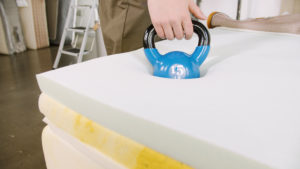
Often, a mattress’ ability to last primarily comes down to what materials are used in its comfort layers, which tend to wear out first, as they’re usually made with the most comfortable — but least durable — materials.
Latex comfort layers are the most durable, and within that material type, Dunlop tends to outlast Talalay. Polyfoam tends to be more durable than memory foam, though, in all types of foam, high-density materials last longer than low-density.
Support core materials also impact durability. Pocketed coils tend to last the longest, though their durability varies, depending on the gauge of the steel and the way the coil layer is constructed. Thanks to its firmness and density, Dunlop latex is the next most durable support core material. While polyfoam is the least durable support core material, it lasts longer if it’s high-density.
When shopping for a mattress, it’s important to consider the interplay of all of the bed’s layers. While there are general guidelines for how long latex, foam, and hybrid models last, their durability ultimately depends on the durability of each layer within.
| Material | Description | Feel | Durability |
|---|---|---|---|
| Dunlop Latex | The original formulation for latex foams, Dunlop dates back to 1929 and is often used in support cores. | Dense and firm, with a “bottom-heavy” tendency, Dunlop layers feel softer on top and firmer at the bottom. | Dunlop is more durable than Talalay Latex and virtually all polyfoams. |
| Talalay Latex | Developed in the 1940s, the Talalay processing method creates a less dense and more consistent latex often used in comfort layers. | Talalay is softer than Dunlop and more consistent, so the top and bottom of a layer are of equal firmness. | Talalay is not as durable as Dunlop but is more durable than virtually all polyfoams. |
| Polyfoam | Short for polyurethane foam, polyfoam is a popular material first used in mattresses in the 1950s that’s derived from crude oil and known for its cushion. | Polyfoam is usually denser and firmer than memory foam, though it can be used in both support and comfort layers. | Polyfoam is generally less durable than latex and more durable than memory foam; however, high-density polyfoams are more durable than low-density foams. |
| Memory Foam | Memory foam is a specific type of polyfoam that was developed for NASA in the 1960s and is known for absorbing motion and providing “hug.” | A popular comfort layer material, memory foam tends to be softer, less dense, and more conforming than polyfoam. | Memory foam is generally less durable than polyfoam and latex, but as with polyfoam, high-density memory foam lasts longer than low-density. |
| Coils | Often made from tempered steel wire, coils can take a variety of shapes and are most frequently used in a mattress’ support core. | Coils tend to give a mattress support and bounce, though whether they’re individually encased or not impacts the feel of a bed. | A lower gauge, like 13, indicates coils are thicker and more durable, while a higher gauge, like 17, indicates they’re thinner and less durable. |
Mattress Construction
In addition to materials, mattress construction also plays a role in durability. A strong support base can help ensure a mattress retains its original shape rather than sagging. Both a support base and solid edge support can keep the layers of a mattress aligned and reduce the risk of sagging edges over time.
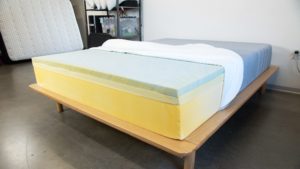
Comfort and transition layers tend to wear out earlier than support layers, primarily because they’re usually softer and less dense. For this reason, the thickness of the comfort and transition layers can influence mattress durability. Sagging and indentations that have developed in a mattress with a thin comfort system may be more noticeable, as the sleeper will be more likely to sink down and hit the support core.
Typical Lifespan by Mattress Type
Although it’s best to consider every layer in a mattress, as well as its construction, when identifying durability, there are also general guidelines regarding how the average mattress of each type is likely to last.
- Innerspring:Innerspring mattresses tend to only retain their shape for between 5.5 and 6.5 years, not because of material quality, but because of construction. When coils are interconnected and cannot be compressed individually, sagging may develop over time.
- Hybrid:Hybrids better demonstrate the durability of steel coils, lasting 6.5 to 7.5 years on average. Assuming a hybrid has durable, low-gauge coils, the mattress’ comfort layers may ultimately determine how long the bed lasts.
- Latex:Latex mattresses tend to last the longest, with a 7.5- to 8.5-year lifespan, on average. The firmness and density of latex, especially Dunlop, contributes to the longevity of this type of bed. However, some latex mattresses also contain polyfoam, which could shorten their lifespan.
- Foam:All-foam mattresses are generally supportive and comfortable for 6 to 7 years. At that time, they may develop permanent body indentations that make sleeping less comfortable, especially in models that contain memory foam comfort layers.
- Airbed:Airbeds tend to last 8 to 10 years when taken well care of. Since these mattresses have digital technology integrated into them to allow for control of elements like firmness and temperature, the tech must continue working for the bed to maintain durability. For this reason, opting for an airbed that comes with a long-term warranty can increase the longevity of the bed.
| Mattress Type | Innerspring | Foam | Latex | Hybrid |
|---|---|---|---|---|
| Average Lifespan | 5.5 to 6.5 years | 6 to 7 years | 7.5 to 8.5 years | 6.5 to 7.5 years |
| Durability Rating | Poor to fair | Fair to good | Good to very good | Fair to good |
| Resistance to Sagging | Poor to fair | Fair | Good | Fair |
| Resistance to Developing Body Impressions | Good | Poor to fair | Fair to good | Good |
| Overall Longevity Rating | Fair | Good | Very good | Good |
Care and Use
The manner in which a mattress is used and taken care of also impacts its durability.
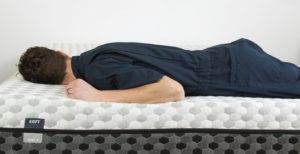
- Body Weight and Usage Patterns: Sleepers of heavier body weights may wear out a bed more quickly than lighter sleepers, especially if it contains soft foam layers. Sleeping on a bed nightly will also wear it out faster than sleeping on it occasionally. Sleep position may influence the pattern of wear, such as where indentations eventually form.
- Foundation/Bed Base: When a mattress isn’t kept on an adequate foundation, it may be more likely to sag or develop internal damage. Also, many mattress warranties are void if a mattress has been lying on the floor, stored upright, or kept anywhere other than on a firm, flat foundation or bed base, due to the way these positions negatively impact the bed structure.
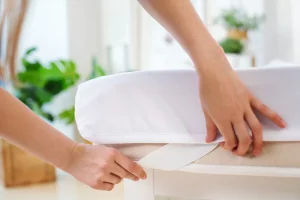
- Care and Maintenance: Taking good care of a mattress can help it reach its maximum lifespan. Manufacturers recommend flipping or rotating certain mattress models every few months to avoid sagging or indentations. Using a mattress protector, vacuuming and spot-cleaning a mattress as necessary, and keeping it dry and in a well-ventilated room can also help.
How Do We Calculate Our Durability Score?

Because we can’t test out each mattress for several years or a decade, we calculate our durability score using a variety of factors we can assess in the short-term. We consider the type of mattress, as well as the materials it contains, and how durable they are on average. We also consider characteristics of different material types. For example, high-density foam is more durable than low-density, and tall, thick coils are more durable that short, thin coils.
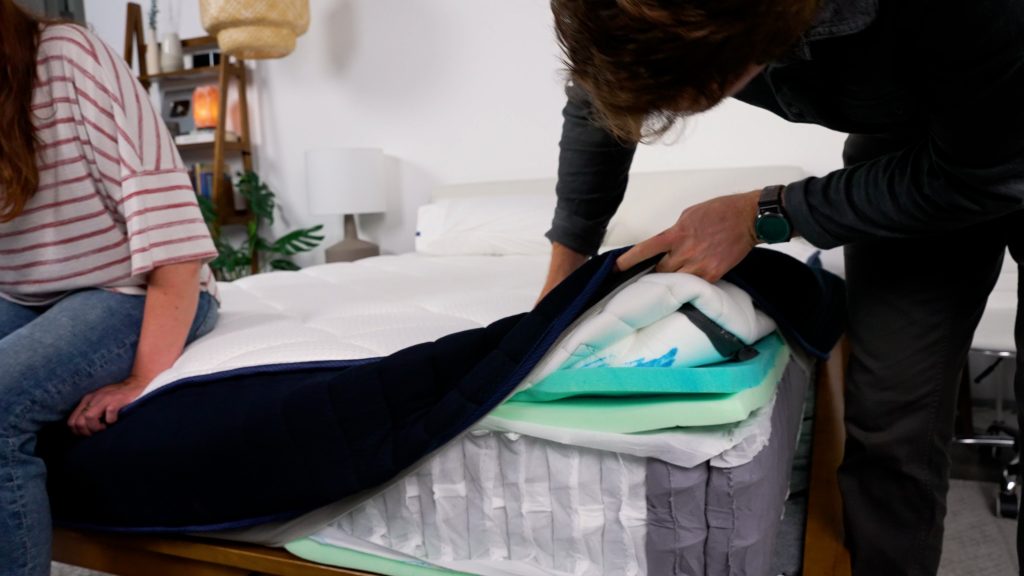
Similarly, we notice the structure of a mattress, including whether or not it has a supportive or reinforced base. Similarly, we factor in edge support and the construction of the mattress’ cover. A mattress is less durable when its layers may shift within the cover or its edges are likely to begin sagging.
Finally, we also collect data on the real-world use of different mattresses from product reviews, related news, and observational studies. We notice how long customers say their mattresses lasted, as well as how many report having submitted a warranty claim. Together with the mattress materials and construction, this information paints a picture of how long a particular mattress may last for the average sleeper.


Frequently Asked Questions
How often should I expect to replace a mattress?
On average, mattresses last between 7 and 10 years, but some mattresses wear out earlier than that or last much longer. It’s time to replace your mattress when you notice indentations or sagging, visible wear and tear, or increased pain or stiffness after sleeping.
Can I repair or revive a sagging mattress?
Whether or not you can repair a sagging mattress depends on the cause and severity of the sagging. If the mattress is internally damaged, you likely won’t be able to repair it without the help of the mattress manufacturer. That said, mild sagging can sometimes be counteracted by adding a supportive mattress topper or switching to a more supportive mattress foundation.
Are more expensive mattresses always more durable?
More expensive mattresses aren’t necessarily more durable, so don’t assume a mattress’ price tag predicts durability. Instead, carefully consider the material types and construction of each mattress to predict durability when mattress shopping.
Does warranty always mean durability?
A warranty doesn’t always mean a mattress will be more durable, but long-term warranties can help ensure you won’t have to buy a new mattress during the warranty period. Warranties commonly cover the repair or replacement of mattresses that develop indentation of sagging of over 1 inch in thickness or have any defects or problems that weren’t caused by the sleeper.
Does firmness affect durability?
Often, firmer mattress layers are more durable, because they’re denser, made of stronger materials, and less likely to develop indentations under body weight. However, the materials and construction of a mattress can likely better predict durability than firmness. Also, purchasing a mattress with a firmness level that properly supports your spine should be the determining factor in which firmness of mattress to buy.
Jeremy is a sleep product tester with a passion for methodology and data collection. He’s spent the last six years at Sleep Foundation testing nearly every mattress, pillow, and sheet on the market, and has gained a holistic understanding of how to get the most accurate and universal results possible. When he’s not working, Jeremy likes to make music, play tennis, and watch old movies.
- Share
- Url copied