When you buy through our links, we may earn a commission. Products or services may be offered by an affiliated entity. Learn more.

Treatment for a Blocked Nose at Night


At a Glance
If your nose tends to get blocked at night, there are several treatment options that can help you breathe more easily and sleep more comfortably.
Trying to fall asleep with a blocked nose can be uncomfortable and disruptive. A stuffy nose at night may leave you tossing, turning, and breathing through your mouth, making restful sleep harder to achieve. Whether it’s caused by allergies, a cold, or dry air, nighttime congestion can affect both your sleep quality and overall well-being. In this article, we’ll explore what causes a blocked nose at night and the most effective ways to treat it.
Your best sleep starts with the right mattress.
Our expert testing team tried 300+ mattresses to find the top ones for every sleeping style. See our favorite mattresses of 2026 here.
- In-depth ratings and comparisons
- Regularly updated with new products and testing data
- Options for all types of sleepers

Causes of a Blocked Nose at Night
A stuffy nose at bedtime isn’t just frustrating—it can also interfere with your breathing and sleep quality. Understanding what’s behind nighttime nasal congestion is the first step toward finding relief. Common causes include:
- Allergies: Dust mites, pet dander, mold, and pollen can trigger inflammation in the nasal passages.
- Colds and respiratory infections: Viruses can cause swelling in the nasal tissues and increased mucus production.
- Dry air: Sleeping in a room with low humidity can dry out the nasal passages, leading to irritation and congestion, especially during the winter months or in air-conditioned rooms.
- Rebound congestion from nasal sprays: Overuse of decongestant nasal sprays can lead to a cycle of worsening congestion.
- Acid reflux: Surprisingly, acid reflux can cause postnasal drip and throat irritation.
- Hormonal changes: Pregnancy, menstruation, and certain medical conditions can cause nasal blood vessels to swell.
Treatment for a Blocked Nose at Night
The right treatment for nighttime nasal congestion depends on what’s causing it, but there are plenty of effective ways to find relief. From simple home remedies to medical treatments, here are some options to help you breathe easier and sleep more soundly.
Avoid Congestion-Causing Triggers Before Bed
Some people are sensitive to allergens and other environmental triggers that can cause respiratory symptoms like nasal congestion or a runny nose. Avoiding triggers during the day may prevent sinus congestion at night. Examples of triggers for nasal congestion include:
- Pollen
- Pet dander
- Dust
- Mold and fungi
- Smoke from cigarettes, stoves, or fireplaces
- Cleaning products
- Car exhaust
- Scented products
Elevate Your Head
Sleeping with your head elevated could help reduce feelings of congestion. Lying down often makes sinus congestion worse, perhaps because of changes in blood flow that occur in this position.
Some people find it easiest to use a wedge pillow to keep the head elevated while sleeping. It may also be helpful to use a thick pillow or two regular pillows under the head.
Try Nasal Irrigation
Nasal irrigation (like using a neti pot) is the process of rinsing each nostril with salt water, which can flush away some of the congestion-causing mucus in your nasal passages. The saline mixture can also moisturize the nasal passages, reduce irritants, and help prevent mucus from accumulating in the airways.
Irrigating each nostril once or twice a day may help clear nasal passages. If a person uses other nasal medications, their doctor may suggest irrigating the nose before taking the medications to help them work better.
People can make their own saltwater solution, making sure to use boiled, distilled, or purified water. Or they can ask a pharmacist for an irrigation kit. Individuals using nasal irrigation should be diligent about cleaning and sterilizing the equipment they use to flush the nose to prevent the introduction of bacteria into their nasal passages.

Wear Adhesive Strips
Placing adhesive strips on the nose before sleeping can relieve overnight congestion for some people. These strips are available in different styles. Some fit across the bridge of the nose and help open the nasal passages to allow more airflow. Other nasal strips are larger, stretching across the cheeks to open up more areas of the nasal passages. Either type may be beneficial for people who experience congestion at night.
Try Steam or a Humidifier
Before going to sleep, consider taking a warm, steamy shower. Steam can thin mucus in the nasal passages to help it drain. It may also be helpful to run the shower, close the bathroom door, and inhale warm steam for several minutes instead. Doing this a few times during the day may help clear the nose.
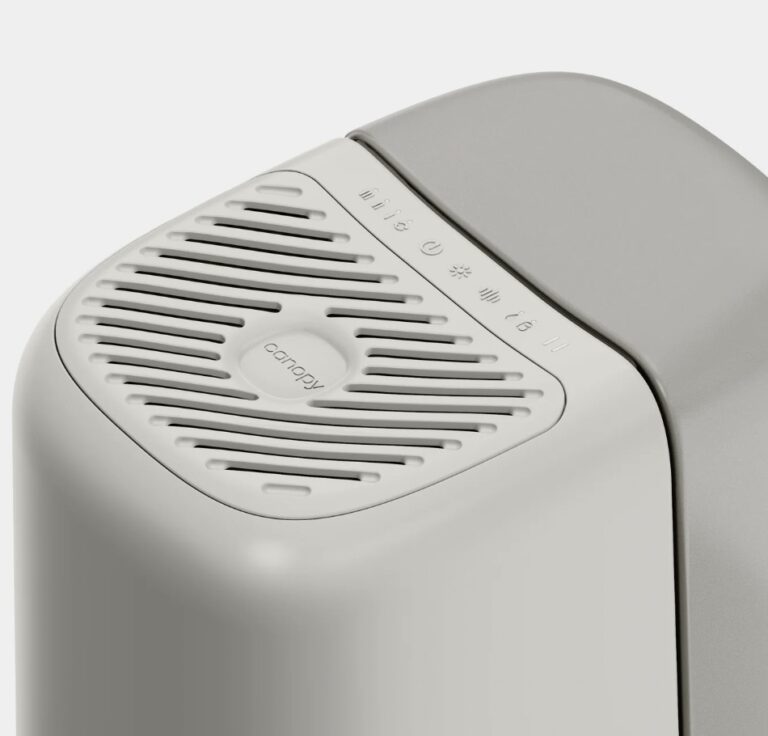
Running a humidifier while you sleep can also prevent dryness that may trigger nasal irritation and congestion. Humidifiers send continuous moisture into the air to make the room more humid. The humidity works similarly to steam treatment by thinning congestion-causing mucus.
When using a humidifier:
- Follow all manufacturer instructions carefully
- Use purified water rather than tap water
- Empty and clean the humidifier daily
- Keep the humidifier at least six feet away from the sleeping area
- Set it to a maximum of 50% humidity to avoid mold growth in the room
Apply a Warm Compress
A warm compress can help relieve nasal congestion by loosening mucus and reducing inflammation in the nasal passages. Simply soak a clean washcloth in warm (not hot) water, wring it out, and place it over your nose and sinuses for several minutes. The heat helps open the nasal passages, improves circulation, and can offer soothing relief, especially if your congestion is due to a cold or sinus pressure.
Drink Enough Fluids During the Day
Staying hydrated with enough clear fluids, such as water, broth, or tea, can help thin mucus and drain it from the sinuses to relieve congestion.
Most adults need between 90 and 125 fluid ounces of water each day from both foods and drinks. However, some people may need more water, especially if they are physically active, live in a hot climate, or are ill.
Limiting alcohol may also help prevent a runny or stuffy nose for some people. Alcohol contains histamine, a compound that some people are more sensitive to than others. A person with histamine sensitivity may experience respiratory symptoms, like a runny nose or excessive sneezing, after drinking alcohol.
Consider Medications
Certain medications can often relieve congestion or a runny nose that interferes with sleep. However, the right medication depends on the cause of nasal congestion. A doctor can help pinpoint the underlying cause of congestion to find the best treatment for a blocked nose at night.
Antihistamines
Antihistamines treat the symptoms of allergies, including a stuffy or runny nose, which may help people sleep better. Some antihistamines also help with congestion that is not related to a known allergy. However, antihistamines may not be effective for cold-related nasal congestion .
Sleepers should be aware that some antihistamines can cause drowsiness, so it may be best to take them before bed rather than during the day.
Nasal Steroids
Nasal steroids decrease nasal inflammation and reduce mucus, making it easier to breathe through the nose. Nasal steroids are available in spray form and may reduce nasal congestion resulting from allergic or non-allergic causes.
Decongestants
Decongestants relieve a stuffy nose by reducing inflammation in the nasal passages. People may take decongestants orally or as a nasal spray.
Because of the risks associated with their use, experts do not recommend taking decongestants unless other treatments are ineffective. Decongestants can raise blood pressure, make it more difficult to sleep, and may cause nasal congestion if taken too often.
Managing a Blocked Nose While Pregnant
Nasal congestion during pregnancy is common and is often caused by hormonal changes that lead to swelling in the nasal passages. This condition—sometimes called pregnancy rhinitis—can be uncomfortable, especially at night, but there are safe ways to manage it without harming you or your baby.
Over-the-counter saline sprays or rinses can help clear out mucus and soothe irritated nasal tissues without medication. But talk to your doctor before using any decongestants or medicated nasal sprays during pregnancy, as some are not recommended for pregnant people.
Helping Children With a Blocked Nose
A stuffy nose can make it hard for children to fall asleep and stay asleep, especially if they’re too young to explain what’s bothering them. You can use a saline nasal spray or drops to help loosen mucus and also run a cool-mist humidifier to add moisture to the air, help prevent dryness, and soothe irritated nasal passages.
If your child’s congestion lasts more than a few days, is accompanied by a high fever, or affects their ability to eat or sleep, it’s best to consult a pediatrician. Most cases of nasal congestion are short-lived, but with the right care, your child can breathe easier and sleep more soundly.
When to Talk to Your Doctor
If you are concerned about nasal congestion or your ability to sleep, talking to a health care provider can help. Also, be sure to contact a doctor if your congestion continues for over three weeks. Experiencing any of the following symptoms along with a stuffy or runny nose may also warrant a doctor visit:
- Fever
- Throat pain
- Yellow or white spots in the throat or on the tonsils
- Mucus-producing cough lasting more than 10 days
- Nasal discharge that is not yellow or white
- Facial swelling
- Blurry vision
Furthermore, be sure to note if your nasal symptoms seem worse on nights after being exposed to something that might be triggering them, like pollen or animal dander. Your doctor may want to test you for allergies to determine an effective path for treatment.

Still have questions? Ask our community!
Join our Sleep Care Community — a trusted hub of sleep health professionals, product specialists, and people just like you. Whether you need expert sleep advice for your insomnia or you’re searching for the perfect mattress, we’ve got you covered. Get personalized guidance from the experts who know sleep best.
Jay Vera Summer is a writer, editor, and wellness coach. She holds a Bachelor's of Science in psychology and Master's degrees in both writing and public policy.
Dr. Abhinav Singh, board certified in Sleep Medicine and Internal Medicine, is the Medical Director of the Indiana Sleep Center, which is accredited by the American Academy of Sleep Medicine. He is also a Clinical Assistant Professor at Marian University College of Medicine in Indianapolis, where he developed and teaches a Sleep Medicine rotation.
Learn more about our medical advisory boardReferences5 Sources
Lieberman, P. L. (2022, November 7). Patient education: Nonallergic rhinitis (runny or stuffy nose) (Beyond the basics). In J. Corren (Ed.). UpToDate., Retrieved April 3, 2023, from
https://www.uptodate.com/contents/nonallergic-rhinitis-runny-or-stuffy-nose-beyond-the-basicsNaclerio, R. M., Bachert, C., & Baraniuk, J. N. (2010). Pathophysiology of nasal congestion. International Journal of General Medicine, 3, 47–57.
https://pubmed.ncbi.nlm.nih.gov/20463823/DeShazo, R. D., & Kemp, S. F. (2022, August 17). Pharmacotherapy of allergic rhinitis. In J. Corren (Ed.)., Retrieved April 3, 2023, from
https://www.uptodate.com/contents/pharmacotherapy-of-allergic-rhinitisTuck, C. J., Biesiekierski, J. R., Schmid-Grendelmeier, P., & Pohl, D. (2019). Food intolerances. Nutrients, 11(7), 1684.
https://pubmed.ncbi.nlm.nih.gov/31336652/Simasek, M., & Blandino, D. A. (2007). Treatment of the common cold. American Family Physician, 75(4), 515-520.
https://pubmed.ncbi.nlm.nih.gov/17323712/
Learn More About Physical Health and Sleep