
When you buy through our links, we may earn a commission. Products or services may be offered by an affiliated entity. Learn more.

Sleep Deprivation


- Symptoms: Sleep deprivation symptoms include daytime tiredness, slowed reaction times, trouble focusing, impaired mental or physical performance, and mood changes.
- Causes: It can be caused by not getting enough sleep due to work, school, or social activities, lifestyle or environmental factors, or an underlying sleep disorder.
- Effects: It can lead to poor performance at work or school, an increased risk of car crashes and other accidents, and an elevated risk of health problems, including high blood pressure, depression, stroke, and death.
- Treatment and Prevention: Restore the amount of sleep a person gets (between 7 and 9 hours for most people) by practicing good sleep hygiene and addressing factors that disrupt sleep.
Millions of adults aren’t getting the sleep they need. Around 1 in 5 U.S. adults sleep less than five hours a night, far below the recommended seven to nine hours. Chronic sleep deprivation is a condition that can take a serious toll on your physical and mental health, often without you realizing it.
In this article, we’ll explore the symptoms of sleep deprivation, how it’s diagnosed, and practical ways to prevent and treat it.

What Is Sleep Deprivation?
Sleep deprivation, also known as insufficient sleep, describes repeatedly not getting as much sleep as you need. People often become sleep-deprived because of their work commitments, social life, personal habits, or factors that disrupt sleep. This leads to a lack of alertness during the day, and over time, it also poses many mental and physical health risks.
Stages of Sleep Deprivation
When people talk about stages of sleep deprivation, they’re referring to what happens when you go without any sleep at all. While there are no universally agreed-upon stages of sleep deprivation, studies have found the following effects tend to occur after a person stays awake for a certain number of hours.
- 24 hours without sleep: After being awake for a full 24 hours, a person may become anxious and irritable, feel unlike themselves, act disoriented, and begin noticing minor distortions in how things look, sound, or feel.
- 48 hours without sleep: Going two days without sleep might result in existing symptoms becoming more severe and complex hallucinations developing. These hallucinations could include seeing or hearing things that aren’t there.
- 72 hours without sleep: At this stage, a person is likely to experience extreme sleep deprivation symptoms that resemble psychosis. They may see, hear, and feel things that aren’t present, believe things that aren’t true, and have unusual or intense emotions and behaviors that don’t correspond with reality.
Although the symptoms of total sleep deprivation can be severe, they usually resolve after a person gets sleep again.
Sleep Deprivation vs. Insomnia
Sometimes people confuse sleep deprivation with insomnia, as both involve getting less sleep than a person needs to be healthy and alert. These two conditions are different, however. With sleep deprivation, a person can easily fall asleep and stay asleep, but their schedule doesn’t allow for adequate sleep or for some other reason they choose not to get the quality sleep they need.
With insomnia, a person has ample opportunity to sleep, but they struggle with falling asleep, staying asleep, or both.
How Much Sleep Do You Need?
How much sleep you need varies based on age, but as a baseline, the American Academy of Sleep Medicine recommends that adults get at least 7 hours of sleep each night to avoid health risks. Teens need closer to 9 hours of sleep a night, and children often need even more, depending on their age.
Sleep Deprivation Symptoms
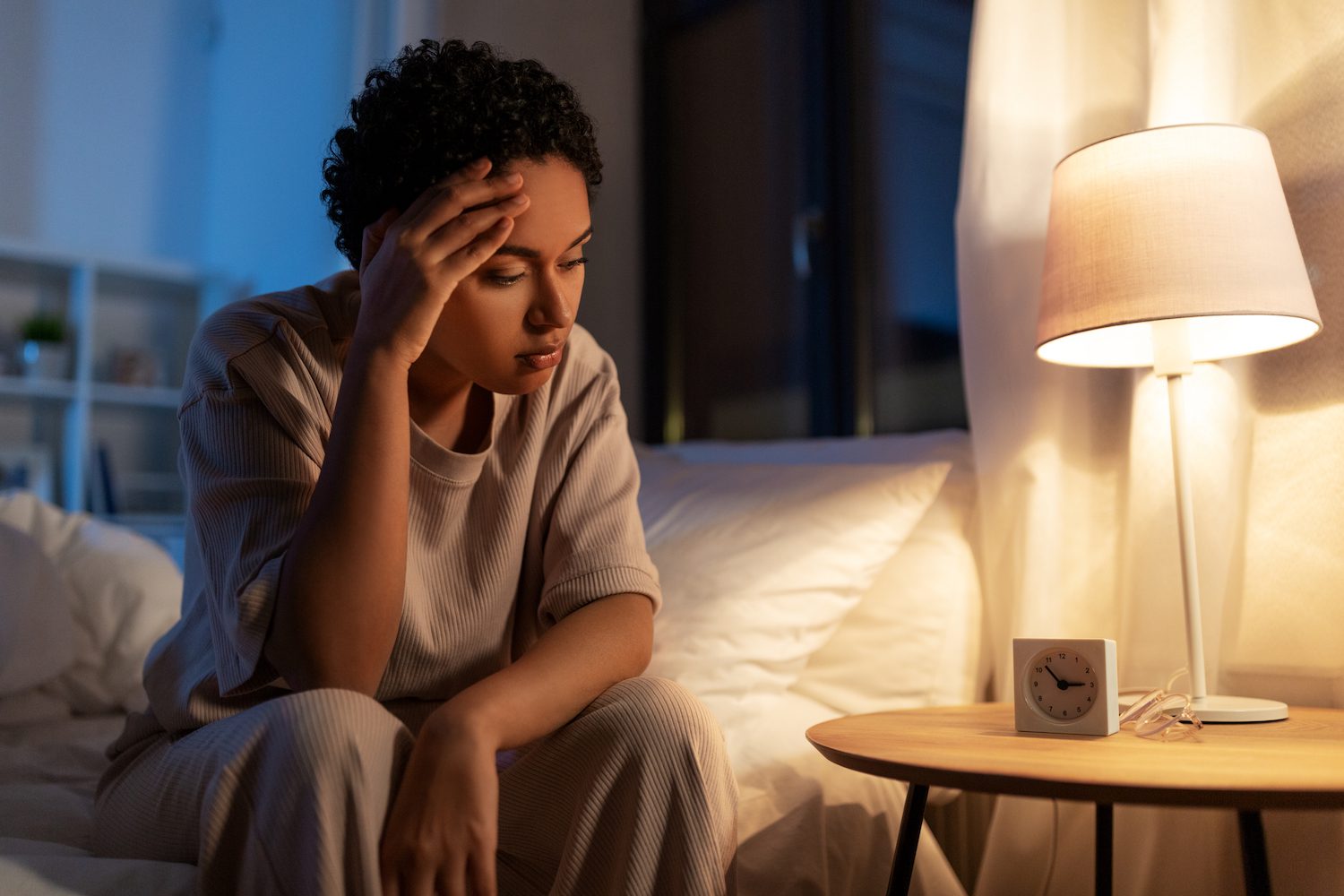
If you’ve ever missed a full night of sleep, you’ve probably noticed at least some of the symptoms of sleep deprivation. These symptoms affect both the mind and the body, and can take a serious toll on your daily performance, and even your safety. Some immediate effects of sleep deprivation include:
Physical Symptoms
- Fatigue
- Frequent yawning
- Headaches
- Reduced coordination
- Increased appetite
Cognitive Symptoms
- Trouble concentrating
- Poor decision-making
- Memory problems
- Slower reaction times
Emotional Symptoms
- Irritability
- Anxiety
- Mood swings
- Reduced stress tolerance
Causes of Sleep Deprivation
Many different factors may cause sleep deprivation, from lifestyle choices to mental and physical health. Understanding the source of the problem is often the first step to getting more sleep. Some common causes of sleep deprivation include:
Lifestyle Factors
Sleep deprivation can be caused by poor sleep habits, including inconsistent sleep schedules, long daytime naps, the use of digital devices before bed, or a noisy or bright sleep environment. Consuming substances like caffeine, alcohol, and nicotine may also lead to obtaining less sleep than is necessary for daytime alertness.
Parenting and Caregiving
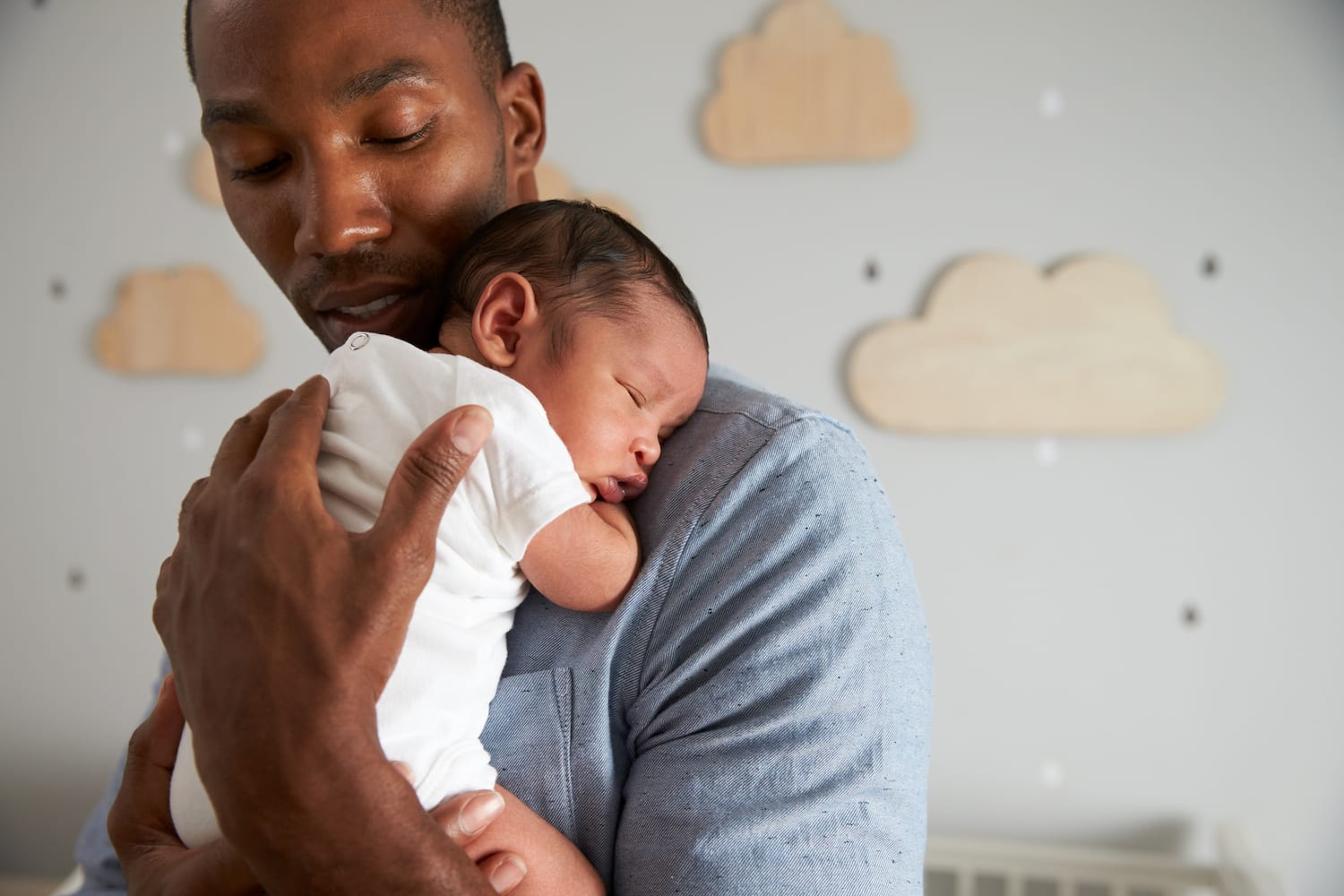
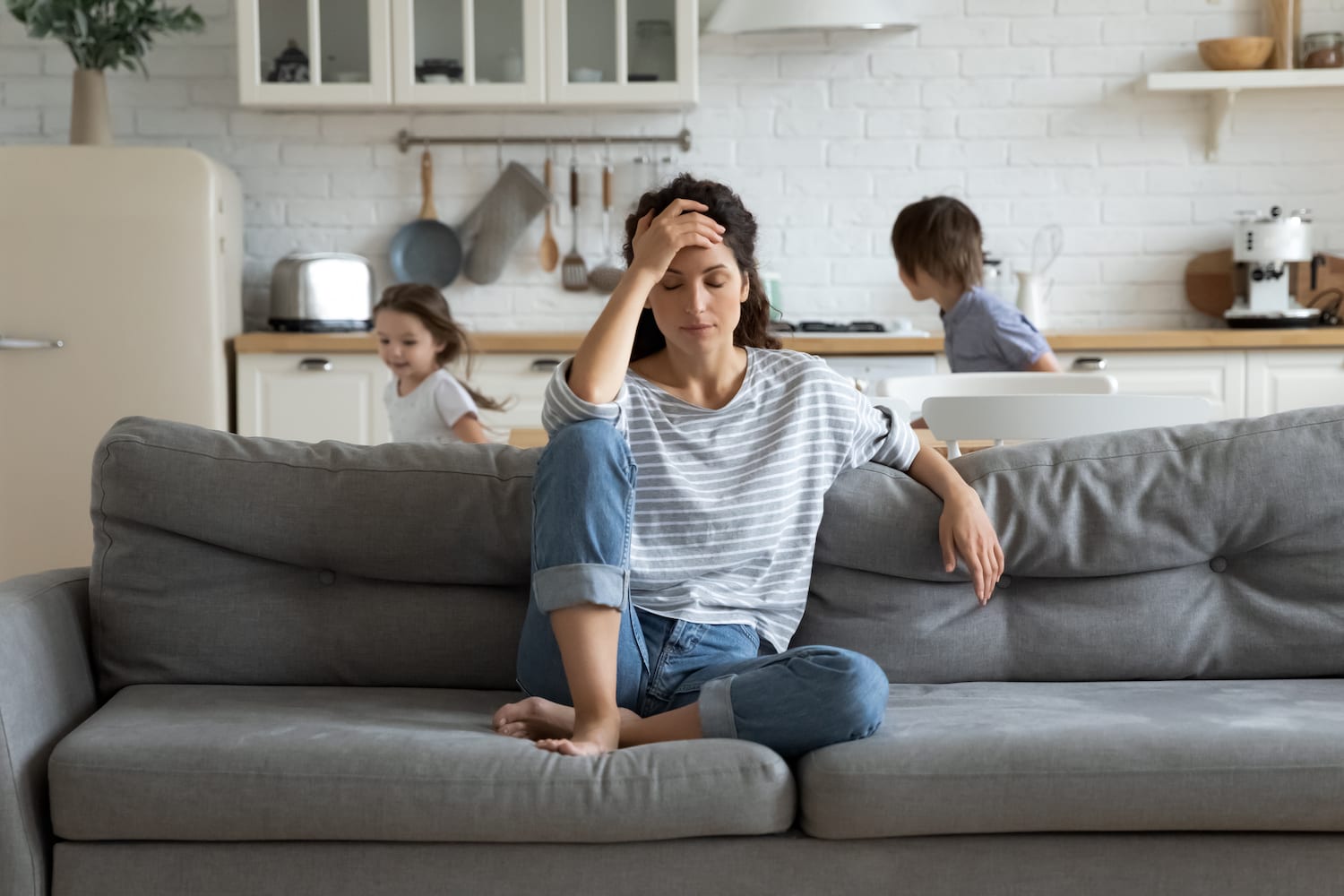
Taking care of a child or family member often influences a person’s sleep schedule, and can cause sleep deprivation. In particular, infants often need extra attention at night, and caring for people with certain medical conditions may require waking up in the middle of the night. Parenting may also affect sleep schedules when the children are older because of school and extracurricular obligations that either finish very late or start very early.
Work-Related Causes
A person’s work schedule or social obligations can also contribute to sleep deprivation. For example, if a person works full-time, has a daily commute, and also has to take care of children each evening, there might not be enough time left for them to sleep as much as they need at night. Shift work can also interfere with getting sufficient sleep.
Sleep Disorders
Sleep disorders and prescription medications can also cause a person to fall short on sleep. For example, obstructive sleep apnea (OSA) is often mentioned in relation to sleep deprivation, because, when untreated, it can cause a person to briefly wake up dozens of times each hour, leading to fragmented sleep. These brief awakenings also disrupt the sleep cycle, potentially keeping a person from getting enough of certain types of restorative sleep, like deep sleep.
Medical and Mental Health Conditions
Some medical and mental health conditions can disrupt or prevent quality sleep. Conditions that cause chronic pain such as arthritis may make it difficult to fall asleep, or cause wake-ups in the middle of the night. Bladder problems that cause frequent urination may also interrupt sleep. Side effects of some medications may also result in sleep difficulties.
Mental health conditions such as anxiety and depression can also disrupt sleep by triggering the fight or flight response in the body, making it difficult to relax. Lack of sleep often worsens the symptoms of depression and anxiety, which may lead to sleep deprivation.

Effects of Sleep Deprivation
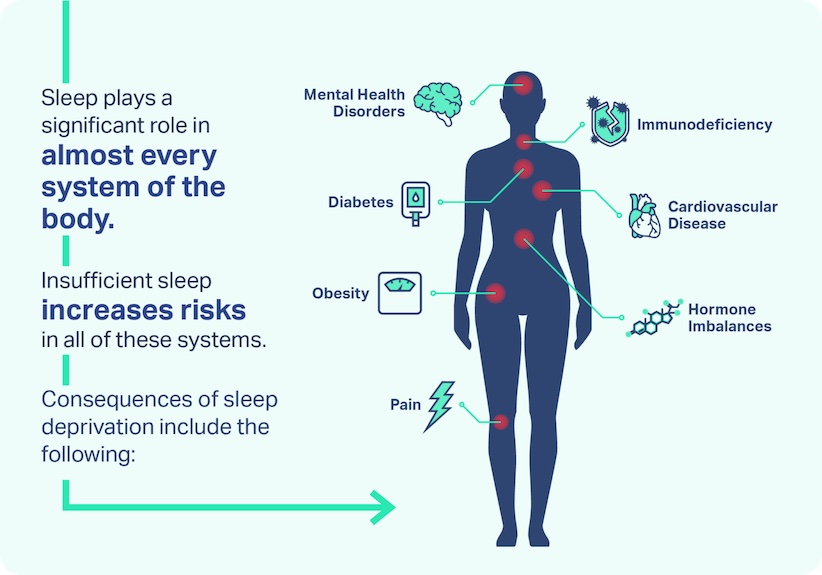
The effects of sleep deprivation begin after just a single night of insufficient sleep. However, they become more severe if the deprivation continues over time and may eventually pose serious health risks .
Short-Term Effects of Sleep Deprivation
- Impaired attention span
- Relationship conflicts
- Poor judgment and decision-making
- Higher risk of car crashes and serious injuries
- Anxiety, depression, and emotional instability
- Irritability and aggression
- Trouble reading people’s emotions
Long-Term Effects of Sleep Deprivation
- High blood pressure
- Type 2 diabetes
- Obesity and metabolic syndrome
- Kidney disease
- Increased inflammation and an altered immune system
- Heart disease and stroke
- Higher cholesterol
- Higher risk of death from any cause


Diagnosing Sleep Deprivation
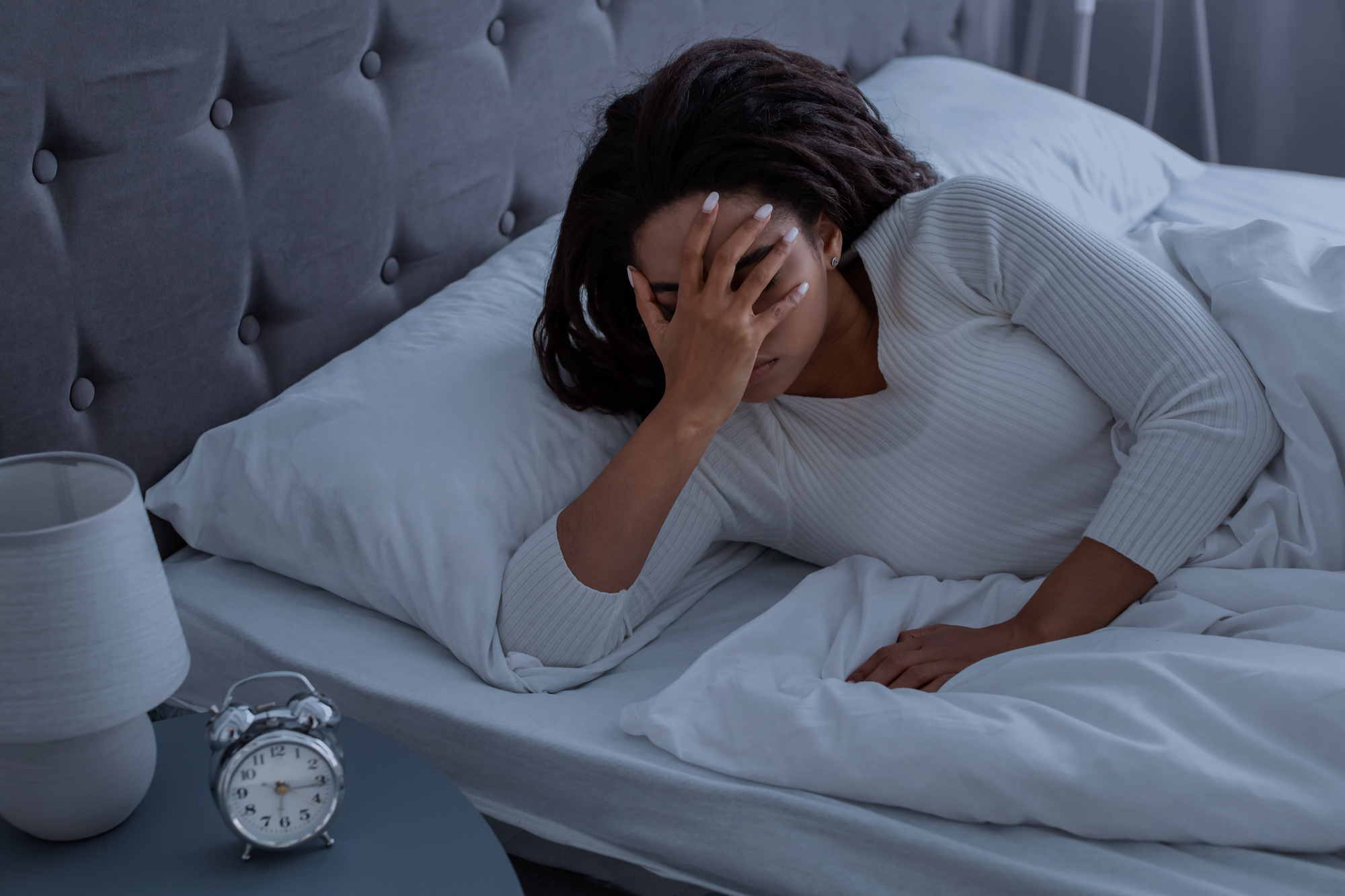
Sleep deprivation is generally only diagnosed after it’s become severe and chronic, which is usually after a person has fallen short on sleep for most nights over three or more months. At this point, sleep deprivation is referred to as insufficient sleep syndrome (ISS) or chronic sleep deprivation (CSD).
Doctors diagnose insufficient sleep syndrome when a person:
- Falls asleep or becomes extremely tired during the day
- Sleeps less than recommended for their age group
- Sleeps less than recommended most nights for at least three months
- Wakes up due to an alarm or another person most days and would sleep longer if it were possible, such as on vacations or days off work
- Feels less tired during the day after getting more sleep
- Knows their symptoms aren’t caused by a sleep disorder, a physical or mental health problem, or drug use or withdrawal
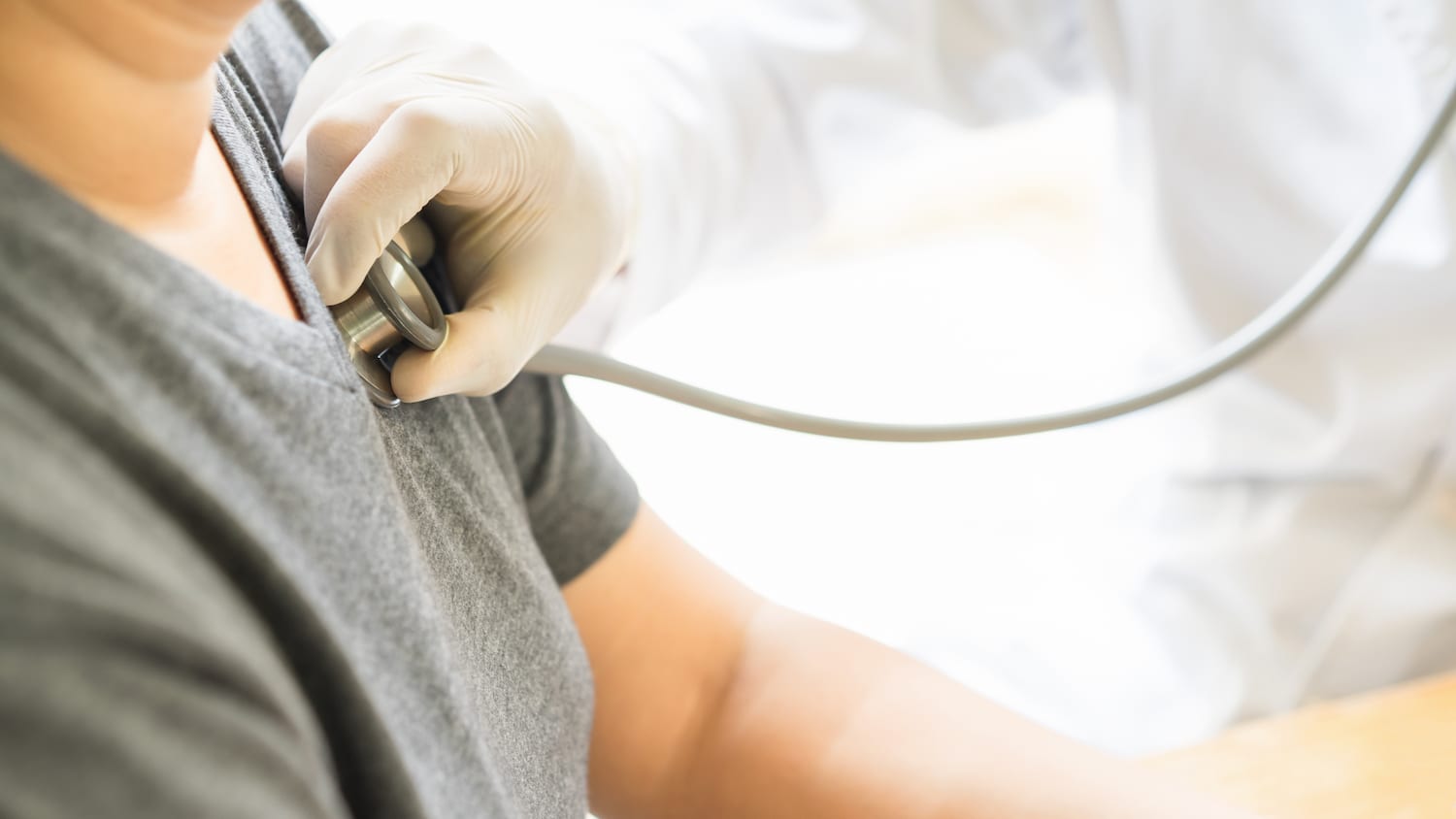
To determine if someone is experiencing sleep deprivation, a doctor typically starts by reviewing their sleep history. They may ask questions about sleep and wake times, work schedules, sleep quality, daytime naps, and feelings of fatigue.
People being evaluated for sleep deprivation may be asked to keep a sleep diary or wear an actigraphy device, which is a watch-like tool that tracks movement to provide insight into sleep patterns.
Doctors may also ask about additional symptoms to rule out another sleep disorder or medical condition. If another issue is suspected, further testing like a sleep study may be recommended.
How Long Can You Go Without Sleep?
Many people have challenged themselves to go without sleep for extended periods of time, perhaps most famously Randy Gardner, who conducted a supervised experiment where he stayed awake for 264 hours (11 days). While no one has died directly from staying awake too long, severe sleep deprivation can cause medical conditions that lead to early mortality.
The negative effects of sleep deprivation begin quickly and worsen over time. For example, after 24 hours without sleeping, your cognitive ability is similar to that of someone with a 0.10% blood alcohol content level, which is over the legal limit for driving.
Sleep Deprivation Treatment and Prevention
The best way to treat and prevent sleep deprivation is to get enough sleep. Experts recommend that adults sleep for between seven and nine hours each night. The ideal amount of sleep varies from person to person, and you can identify how much sleep you need by seeing how much you naturally sleep when you aren’t woken up by an alarm or another person.
Practice Good Sleep Hygiene
Here are tips for getting adequate sleep:
- Go to sleep and wake up at the same time every day.
- Follow a calming bedtime routine every night in the hour or two before bed.
- Avoid using digital devices before bed and during any nighttime awakenings.
- Only take daytime naps that are shorter than 30 minutes.
- Engage in physical activity every day for at least 20 minutes.
- Keep the bedroom dark, cool, and quiet.
- Choose a mattress, bedding, and pillows you find comfortable.
- Avoid caffeine, alcohol, and nicotine in the evening.
Address Underlying Sleep Problems
If improving general sleep habits doesn’t solve the problem, try to focus on the specific underlying cause of your sleep problems. If there’s an environmental problem like too much light or a partner that snores, take steps to address the problem.
For situational issues like work or caregiving, consider ways that you might be able to get support, either from your community or a professional. In cases of sleep disorders or medical and mental health conditions, consider visiting a primary care physician or specialist who can help you explore treatment options.

When to See a Doctor
If you feel tired during the day or believe you may be experiencing symptoms stemming from sleep deprivation, experts recommend seeing a doctor. Your doctor can help you determine what might be causing your short sleep, daytime tiredness, and any other symptoms. Seeing a doctor early on may also help prevent a car crash or other accident, as well as prevent an increased risk for a variety of mental and physical health issues.
Frequently Asked Questions
Can you die from sleep deprivation?
While it’s uncommon for people to die directly from a lack of sleep, long-term sleep deprivation can contribute to a range of health problems that may become life-threatening. Sleep deprivation also increases the risk of serious car crashes, falls, and workplace accidents due to the associated cognitive impairments.
Does sleep deprivation cause high blood pressure?
Chronic sleep deprivation has been linked to high blood pressure, and some experts suspect there’s a cause-and-effect relationship between the two factors. There’s also some evidence suggesting that going one night without sleep can increase blood pressure, as well.
Can sleep deprivation cause headaches?
Headaches aren’t usually named as a common effect of chronic sleep deprivation. However, some studies have found that sleep deprivation can trigger migraines and tension headaches among people who get them. Sleep deprivation has been found to temporarily help prevent cluster headaches, however.
Can sleep deprivation cause brain damage?
It may, especially if sleep deprivation is severe or chronic. Animal studies suggest that prolonged or repeated sleep deprivation can cause structural and potentially irreversible damage in critical brain regions.
However, researchers are still figuring out exactly what impact it has in humans and how that impact occurs. Whether or not sleep deprivation definitively causes brain damage isn’t yet known, but it’s clear that the brain benefits from adequate sleep.
Can sleep deprivation cause nausea?
Sleep deprivation can cause nausea and other gastrointestinal problems. These issues occur because a lack of sleep causes the body to produce more proteins called cytokines that lead to inflammation in the digestive system.
How long does it take to recover from sleep deprivation?
Research suggests that it can take multiple days to recover from a night of sleep deprivation. One study shows that it takes four days to recover from one hour of missed sleep. Chronic sleep deprivation can take even longer, with one study finding that it takes more than a week to recover to baseline cognitive ability after 10 days of insufficient sleep.
When do you start hallucinating from sleep deprivation?
According to research, going long enough without sleep can cause hallucinations and perceptual distortions. These problems can start after 24 to 48 hours of sleep loss, and may worsen the longer the person stays awake. They generally resolve after a period of sleep.

Still have questions? Ask our community!
Join our Sleep Care Community — a trusted hub of sleep health professionals, product specialists, and people just like you. Whether you need expert sleep advice for your insomnia or you’re searching for the perfect mattress, we’ve got you covered. Get personalized guidance from the experts who know sleep best.
Jay Vera Summer is a writer, editor, and wellness coach. She holds a Bachelor's of Science in psychology and Master's degrees in both writing and public policy.
Dr. Abhinav Singh, board certified in Sleep Medicine and Internal Medicine, is the Medical Director of the Indiana Sleep Center, which is accredited by the American Academy of Sleep Medicine. He is also a Clinical Assistant Professor at Marian University College of Medicine in Indianapolis, where he developed and teaches a Sleep Medicine rotation.
Learn more about our medical advisory boardReferences20 Sources
Fioroni, S., & Foy, D. (2024, April 15). Americans sleeping less, more stressed. Gallup Inc.
https://news.gallup.com/poll/642704/americans-sleeping-less-stressed.aspxSchwab, R. J. (2020, May). Insomnia and excessive daytime sleepiness (EDS). Merck Manual Consumer Version.
https://www.merckmanuals.com/home/brain,-spinal-cord,-and-nerve-disorders/sleep-disorders/insomnia-and-excessive-daytime-sleepiness-edsShah AS, Pant MR, Bommasamudram T, et al. Effects of Sleep Deprivation on Physical and Mental Health Outcomes: An Umbrella Review. Am J Lifestyle Med. Published online May 27, 2025. doi:10.1177/15598276251346752
https://pubmed.ncbi.nlm.nih.gov/40443808/Waters, F., Chiu, V., Atkinson, A., & Blom J. D. (2018). Severe sleep deprivation causes hallucinations and a gradual progression toward psychosis with increasing time awake. Frontiers in Psychiatry, 9, 303.
https://pubmed.ncbi.nlm.nih.gov/30042701/Maski, C. (February 2024). Insufficient sleep: Evaluation and Management. In T. Scammell & A. Eichler (Ed.). UpToDate.
https://www.uptodate.com/contents/insufficient-sleep-evaluation-and-managementSeven or more hours of sleep per night: A health necessity for adults. American Academy of Sleep Medicine – Association for Sleep Clinicians and Researchers. Published June 1, 2015.
https://aasm.org/seven-or-more-hours-of-sleep-per-night-a-health-necessity-for-adults/Cirelli, C. (2024, May). Insufficient sleep: Definition, epidemiology, and adverse outcomes. In R. Benca & A. Eichler (Ed.). UpToDate.
https://www.uptodate.com/contents/insufficient-sleep-definition-epidemiology-and-adverse-outcomesCelmer L. Stress, anxiety, depression and sleep: New AASM survey results. American Academy of Sleep Medicine – Association for Sleep Clinicians and Researchers. Published May 20, 2025.
https://aasm.org/stress-anxiety-and-depression-survey-shows-mental-health-conditions-disrupt-a-majority-of-americans-sleep/National Heart, Lung, and Blood Institute. (2022, March 24). What are sleep deprivation and deficiency?
https://www.nhlbi.nih.gov/health/sleep-deprivationAl-Rashed F, Alsaeed H, Akhter N, Alabduljader H, Al-Mulla F, Ahmad R. Impact of sleep deprivation on monocyte subclasses and function. The Journal of Immunology. Published online February 24, 2025. doi:https://doi.org/10.1093/jimmun/vkae016
https://academic.oup.com/jimmunol/article/214/3/347/8037869Mader EC Jr, Mader ACL, Singh P. Insufficient Sleep Syndrome: A Blind Spot in Our Vision of Healthy Sleep. Cureus. 2022;14(10):e30928. Published 2022 Oct 31. doi:10.7759/cureus.30928
https://pubmed.ncbi.nlm.nih.gov/36337802/National Institute for Occupational Safety and Health. (2020, March 21). NIOSH training for nurses on shift work and long work hours. Centers for Disease Control and Prevention.
https://www.cdc.gov/niosh/work-hour-training-for-nurses/longhours/mod3/08.htmlConsensus Conference Panel, Watson NF, Badr MS, et al. Recommended Amount of Sleep for a Healthy Adult: A Joint Consensus Statement of the American Academy of Sleep Medicine and Sleep Research Society. J Clin Sleep Med. 2015;11(6):591-592. Published 2015 Jun 15. doi:10.5664/jcsm.4758
https://pubmed.ncbi.nlm.nih.gov/25979105/Sá Gomes E Farias AV, de Lima Cavalcanti MP, de Passos Junior MA, Vechio Koike BD. The association between sleep deprivation and arterial pressure variations: a systematic literature review. Sleep Med X. 2022;4:100042. Published 2022 Jan 26. doi:10.1016/j.sleepx.2022.100042
https://pubmed.ncbi.nlm.nih.gov/35169694/Fernández-de-Las-Peñas, C., Fernández-Muñoz, J. J., Palacios-Ceña, M., Parás-Bravo, P., Cigarán-Méndez, M., & Navarro-Pardo, E. (2017). Sleep disturbances in tension-type headache and migraine. Therapeutic advances in neurological disorders.
https://pubmed.ncbi.nlm.nih.gov/29399051/Alkadhi K, Zagaar M, Alhaider I, Salim S, Aleisa A. Neurobiological consequences of sleep deprivation. Curr Neuropharmacol. 2013;11(3):231-249. doi:10.2174/1570159X11311030001
https://pmc.ncbi.nlm.nih.gov/articles/PMC3648777/Zhou Y, Li H, Liu X, et al. The Combination of Quantitative Proteomics and Systems Genetics Analysis Reveals that PTN Is Associated with Sleep-Loss-Induced Cognitive Impairment. J Proteome Res. 2023;22(9):2936-2949. doi:10.1021/acs.jproteome.3c00269
https://pubmed.ncbi.nlm.nih.gov/37611228/Ali, T., Choe, J., Awab, A., Wagener, T. L., & Orr, W. C. (2013). Sleep, immunity and inflammation in gastrointestinal disorders. World Journal of Gastroenterology, 19(48), 9231–9239.
https://pubmed.ncbi.nlm.nih.gov/24409051/Kitamura, S., Katayose, Y., Nakazaki, K., Motomura, Y., Oba, K., Katsunuma, R., Terasawa, Y., Enomoto, M., Moriguchi, Y., Hida, A., & Mishima, K. (2016). Estimating individual optimal sleep duration and potential sleep debt. Scientific reports, 6, 35812.
https://pubmed.ncbi.nlm.nih.gov/27775095/Ochab, J. K., Szwed, J., Oleś, K., Bereś, A., Chialvo, D. R., Domagalik, A., Fąfrowicz, M., Ogińska, H., Gudowska–Nowak, E., Marek, T., & Nowak, M. A. (2021). Observing changes in human functioning during induced sleep deficiency and recovery periods. PLOS ONE, 16(9), e0255771.
https://journals.plos.org/plosone/article?id=10.1371/journal.pone.0255771