10% off Home Sleep Tests
 When you buy through our links, we may earn a commission. Products or services may be offered by an affiliated entity. Learn more.

Why You Get Sleepy After Eating


- Feeling sleepy after eating (post-prandial somnolence) is common and can be triggered by large meals, high-carb or high-fat foods, or rapid blood-sugar fluctuations.
- The timing of meals and your body’s natural circadian rhythms can also play a role in post-meal sleepiness, especially during the “afternoon slump.”
- Underlying health issues, such as sleep apnea, insulin resistance, anemia, or thyroid disorders, may contribute to excessive tiredness after eating and warrant medical evaluation.
- To counteract post-meal fatigue, eat smaller, balanced meals high in fiber and protein; stay hydrated; and follow with a light walk or sun exposure.
If you’ve ever craved a nap following a holiday meal, fought sleep while driving home from a restaurant, or nodded off during a post-lunch meeting or class, you’ve experienced a common phenomenon called postprandial somnolence.
You might’ve heard that the reason people get sleepy after eating is because their bodies redirect blood from their brains to their digestive tracts, but scientific evidence has debunked this myth. Post-meal drowsiness is actually the combined result of several body processes and behaviors, and while you may not be able to avoid it completely, you can take steps to minimize it.
What Is Postprandial Somnolence?
Postprandial somnolence is a scientific term used to describe feeling sleepy after eating. This phenomenon is especially common in the early afternoon, during what’s known as the “post-lunch dip” or “afternoon slump.” Studies have revealed a number of biological processes that contribute to drowsiness following a meal, including:
- Circadian rhythms: Circadian rhythms are natural fluctuations in body temperature, hormones, metabolism, and other physiological processes that operate according to a 24-hour clock. The circadian signals that promote wakefulness tend to decrease in the early afternoon, which can lead to sleepiness following lunch.
- Sleep drive: The longer you’ve been awake, the more your desire to sleep—known as sleep drive—grows. Thus, you’re more likely to feel drowsy following an afternoon or evening meal than after breakfast.
- Reduced brain activity: Brain activity and cognitive function appears to slow following a meal, which may contribute to sleepiness.
- Hormonal changes: Eating promotes a drop in hormones that maintain alertness and a rise in hormones that promote sleepiness, including melatonin and serotonin.
- Cytokines: Cytokines are proteins that play an important role in the body’s immune and inflammatory responses—and they have also been linked to feelings of fatigue when the level fluctuates. The concentration of certain cytokines in your body rises after you eat, especially if you’ve consumed a high-calorie meal.
Scientists theorize that postprandial somnolence may serve several possible functions, including allowing the body to dedicate resources to digestion and helping conserve energy.
What Foods Make You Sleepy?
The act of eating isn’t solely responsible for the feelings of drowsiness that sometimes follow a meal. In fact, you may still experience the post-lunch dip even if you skip lunch. That said, research indicates that you’re more likely to feel tired after eating some foods than others.
- High-fat foods: Meals with foods that are high in fat can induce feelings of fatigue. Moreover, diets that include too much fat can compromise nighttime sleep, leading to even more daytime tiredness. Avoid foods that are high in fats, especially saturated fats such as fried foods, baked goods, pizza, potato chips, and processed meats.
- High-carbohydrate foods: A high-carbohydrate meal is more likely to cause you to feel sleepy than a low-carbohydrate meal. Avoid foods and drinks that are high in processed sugars and starches—like sweets, juices, and white bread. These may cause your blood sugar to rise quickly, increasing your risk of tiredness.
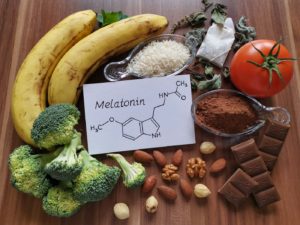
- Foods with melatonin:Melatonin is a hormone that signals your body it’s time to sleep. Certain fruits, nuts, and grains naturally contain melatonin, including tart cherries and cherry juice, tomatoes, walnuts, and milk. Eating these foods, especially in larger portions or alongside a carb-heavy meal, may lead to feelings drowsiness by increasing circulating melatonin levels in the body.
- Foods containing tryptophan:Tryptophan is an amino acid that your body converts into serotonin and then melatonin, both of which play roles in regulating mood and sleep. Common sources of tryptophan include turkey and chicken, eggs, cheese, soy products like tofu, and pumpkin seeds. While these foods alone don’t cause sleepiness, eating them as part of a large or carbohydrate-heavy meal can amplify that post-meal “food coma” feeling.

What Else Causes Sleepiness After Eating?
Sleepiness after eating is often the result of the timing of a meal. For example, if you eat lunch early in the afternoon, your mealtime will coincide with a natural rise in your desire to sleep and a dip in the circadian signals that support wakefulness. That said, there are several other factors that can cause or intensify sleepiness after meals.
- Disturbed sleep or sleep deprivation: If you sleep poorly at night, or if you don’t get the amount of sleep you need, post-meal drowsiness tends to be more intense due to increased sleep drive.
- High or low blood sugar: Fatigue can be a symptom of both high and low blood sugar levels. People with diabetes are more susceptible to these issues, due to difficult to regulate blood sugar levels which may be caused by taking too much or too little exogenous insulin. High and low blood sugar can also result from diet, alcohol consumption, or changes in physical activity levels.
- Iron deficiency: If you have low iron levels, you are at risk of developing restless legs syndrome (RLS), which can compromise your sleep at night and lead to excessive daytime sleepiness.
- Alcohol consumption: Alcohol can make you sleepy, and this effect is even more pronounced if you are sleep deprived.
- Chronotype: Research suggests that if you are a “lark”—that is, a morning person—you are more likely than “night owls” to experience post-lunchtime sleepiness.
- Underlying health conditions: Feeling especially tired after eating can sometimes signal an underlying health issue, such as sleep apnea, diabetes, hypothyroidism, anemia, and certain digestive disorders. These can all affect how your body processes food, regulates blood sugar, or delivers oxygen, leading to post-meal fatigue. If you often feel unusually sleepy after eating, it’s worth discussing your symptoms with your doctor.
How to Stop Feeling Tired After Eating
While you may not be able to completely eliminate post-meal drowsiness, there are several steps you can take to limit your chances of feeling tired after you eat.
- Make sleep a priority: Post-meal drowsiness can be significantly worse if you don’t get enough high-quality sleep, so it’s important to adopt healthy sleep hygiene practices.
- Adopt a plant-based diet: Research indicates that nutritious diets rich in vegetables, fruits, and nuts and low in saturated fats, processed foods, and desserts are associated with reduced levels of daytime sleepiness.
- Pay attention to meal size: A lighter meal with fewer calories will likely lead to less sleepiness than a heavy or high-calorie meal. In short: avoid overeating.
- Use light to your advantage: Light serves as an important circadian cue, so taking a walk in the sunshine or spending half an hour in front of a light box may help you reduce or avoid post-meal fatigue.
- Get some exercise: If your schedule allows, engage in moderate-intensity exercise, like speed walking or taking a bike ride, before post-meal tiredness sets in. This may help increase energy and stave off fatigue.
- Stay hydrated: Getting plenty of water throughout the day may improve alertness and keep sleepiness at bay.
- Drink a cup of coffee or tea: If you want to avoid sleepiness following lunch, consider sipping a caffeinated beverage. That said, to prevent nighttime sleep disturbances, make sure to avoid caffeine for at least eight hours before bedtime.


When to Talk to a Doctor
If post-meal sleepiness regularly disrupts your daily life, or if steps to limit it don’t work, talk to your doctor. You should also see a medical professional if you suspect your daytime sleepiness might be connected to a sleep disorder or mental health condition, or if you have unexplained symptoms, like fever or headaches.
If you experience fatigue accompanied by any of the following symptoms, seek medical attention immediately:
- Blurry vision
- Dizziness
- Swelling
- Confusion
- Inability to pass urine
- Thoughts of self-harm
Frequently Asked Questions
Is it normal to feel sleepy after eating?
The tendency to feel sleepy after a meal, especially after lunch, is very common, though some people experience it more strongly than others. Some people — like those who are “night owls” or have ADHD — don’t experience it at all.
While the vast majority of people experience post-meal sleepiness at least some of the time, prolonged or excessive daytime sleepiness could be a sign of another condition. For example, insomnia and sleep apnea can both lead to excessive daytime sleepiness, as can neurologic disorders, endocrine disorders, and mood disorders like depression.
Is feeling sleepy after eating a sign of diabetes?
Feeling sleepy after eating doesn’t always mean you have diabetes, but it can be a sign of blood sugar fluctuations that warrant attention. In people with diabetes or insulin resistance, the body may struggle to move sugar from the bloodstream into cells efficiently, causing blood sugar levels to rise and then drop sharply. These swings can lead to fatigue, sluggishness, or brain fog after meals.
If you regularly feel unusually tired after eating, especially alongside other symptoms like frequent urination, thirst, or unexplained weight changes, it’s best to talk to your doctor about getting tested for diabetes.
Can dehydration cause fatigue after meals?
Yes. Even mild dehydration can make you feel tired, lightheaded, or sluggish, especially after eating. Water helps your body digest food, absorb nutrients, and regulate blood sugar. When you’re dehydrated, digestion can slow down, and your heart has to work harder to circulate blood—both of which can make you feel more fatigued after meals. Staying hydrated throughout the day, and drinking water with your meals, can help reduce post-meal tiredness.

Still have questions? Ask our community!
Join our Sleep Care Community — a trusted hub of sleep health professionals, product specialists, and people just like you. Whether you need expert sleep advice for your insomnia or you’re searching for the perfect mattress, we’ve got you covered. Get personalized guidance from the experts who know sleep best.
Lucy Bryan is a writer and editor with more than a decade of experience in higher education. She holds a B. A. in journalism from the University of North Carolina at Chapel Hill and an M.F.A. in creative writing from Penn State University.
Dr. Lulu Guo is a graduate of the prestigious Medical Scholars program at Michigan State University and was admitted into medical school at the age of seventeen after completing undergraduate studies in two years. She is double board-certified in Family and Sleep Medicine.
References
6 Sources
-
Bazar, K. A., Yun, A. J., & Lee, P. Y. (2004). Debunking a myth: neurohormonal and vagal modulation of sleep centers, not redistribution of blood flow, may account for postprandial somnolence. Medical hypotheses, 63(5), 778–782.
https://pubmed.ncbi.nlm.nih.gov/15488646/ -
Bes, F., Jobert, M., & Schulz, H. (2009). Modeling napping, post-lunch dip, and other variations in human sleep propensity. Sleep, 32(3), 392–398.
https://pubmed.ncbi.nlm.nih.gov/19294959/ -
Yang, B., Zhang, H., Jiang, T., & Yu, S. (2023). Natural brain state change with E/I balance shifting toward inhibition is associated with vigilance impairment. iScience, 26(10), 107963.
https://pubmed.ncbi.nlm.nih.gov/37822500 -
Lehrskov, L. L., Dorph, E., Widmer, A. M., Hepprich, M., Siegenthaler, J., Timper, K., & Donath, M. Y. (2018). The role of IL-1 in postprandial fatigue. Molecular Metabolism, 12, 107–112.
https://pubmed.ncbi.nlm.nih.gov/29705519/ -
Polianovskaia, A., Jonelis, M., & Cheung, J. (2024). The impact of plant-rich diets on sleep: a mini-review. Frontiers in nutrition, 11, 1239580.
https://pubmed.ncbi.nlm.nih.gov/38379547/ -
Reyner, L. A., Wells, S. J., Mortlock, V., & Horne, J. A. (2012). ‘Post-lunch’ sleepiness during prolonged, monotonous driving – effects of meal size. Physiology & behavior, 105(4), 1088–1091.
https://pubmed.ncbi.nlm.nih.gov/22155490/