10% off Home Sleep Tests
 When you buy through our links, we may earn a commission. Products or services may be offered by an affiliated entity. Learn more.

How Weight Affects Sleep Apnea


- Obesity is one of the leading risk factors for obstructive sleep apnea, as excess fat, especially around the neck and upper airway, can increase the chances of airway collapse during sleep.
- Sleep apnea can contribute to weight gain and make it harder to lose weight, because disrupted sleep affects metabolism, hormones, and daytime energy levels.
- Losing weight can reduce sleep apnea severity and improve related symptoms, though weight loss alone often isn’t enough to cure sleep apnea.
In the last 20 years, the prevalence of sleep apnea has risen in the United States. One main cause has been increasing rates of overweight and obesity .
Excess body weight is a large contributor to obstructive sleep apnea (OSA), which involves repeated lapses in breathing during sleep. At the same time, poor sleep can also play a role in weight gain, exacerbating the serious health risks of both obesity and sleep apnea. As a result, losing weight can be an important step in treating sleep apnea.
This guide describes the complex relationship between weight and sleep apnea, including when to see a doctor and how to take steps to improve overall health.


Does Obesity Cause Sleep Apnea?
Obesity is one of the most prominent factors that can increase the risk of developing OSA. People with OSA have repeated breathing disruptions from a narrow or blocked airway at the back of the throat . Excess weight often causes enlarged tissue and fat deposits around the airway. This results in less space for airflow and a greater risk of lapses in breathing during sleep.
Another way that obesity can contribute to sleep apnea is by reducing lung capacity. Obesity can limit how much air can be drawn into the lungs. This reduces the ability to exhale forcefully, making the airway more susceptible to narrowing.
Obesity can also alter the production of certain hormones, some of which help promote consistent breathing.
Overall, these factors mean a person’s OSA risk increases in relation to body weight. People who are obese are at higher risk of OSA than people who are overweight . Research suggests that a weight gain of 10% can cause a person’s chances of OSA to be about six times higher.
That said, not everyone with obesity has sleep apnea or may develop it. Many other factors influence the risk of OSA, including age, sex, and facial anatomy.
Does Sleep Apnea Cause Weight Gain?
While excess weight has long been known to be a risk factor for OSA, an increasing amount of evidence suggests that the relationship is reciprocal. This is because poor sleep is also associated with weight gain and a higher body mass index (BMI) .
Insufficient sleep can affect hormones that regulate hunger and appetite. Without enough sleep, the body may have decreased leptin (an appetite-suppressing hormone) and increased ghrelin (an appetite-stimulating hormone), which may lead to overeating and contribute to weight gain.
Sleep apnea can also deplete the energy needed to maintain a healthy weight. Daytime sleepiness is one of many sleep apnea symptoms, resulting from disruptive, fragmented sleep. Excessive sleepiness may lead sleep apnea sufferers to exert less physical activity during waking hours.
This may be particularly problematic for obese people, who are prone to experience shortness of breath and chest discomfort with physical effort. This may lead to limited exercise or physical activity . Without dietary changes, decreased activity levels can lead to additional weight gain.
Does Losing Weight Help Sleep Apnea?
Losing weight can often help reduce the severity of sleep apnea . For this reason, sleep specialists typically recommend weight loss in people with OSA who are overweight or are obese.
Research has found that taking steps to lose weight may decrease the number of lapses in breathing that affect people with OSA. In addition, losing weight may help address some symptoms and complications of OSA, such as daytime sleepiness and cardiovascular problems.
Weight loss alone is rarely able to fully resolve sleep apnea, especially in people with severe OSA. However, some people may improve enough to no longer need other sleep apnea treatments, like CPAP therapy.
Treatments for Sleep Apnea and Obesity
There are multiple approaches to losing weight that can be a component of treatment for sleep apnea.
- Changes to diet and lifestyle: Burning more calories than you consume is a core approach to weight loss . Changing your dietary habits, including what and how you eat, can reduce calorie consumption. There is no “best diet” for everyone, so it’s important to talk to your doctor and find a healthy diet that you can stick with. They may refer you to a nutritionist who can assist you with nailing down a daily meal plan that best works for your lifestyle.
- Increased physical activity:Exercise alone is generally not enough for significant weight loss, but it burns calories and offers many important physical and mental health benefits. Increasing physical activity has also been found to reduce breathing disruptions in people with sleep apnea, regardless of whether they lose weight.
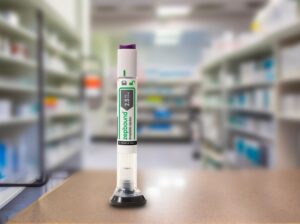
- Weight loss medications: The FDA has approved one drug, Zepbound (tirzepatide), as a treatment for OSA . Zepbound works to address sleep apnea by helping people lose weight. It’s classified as a GLP-1 drug that helps control blood sugar and reduce appetite. Weight loss medications like Zepbound work best when combined with dietary changes and exercise.
- Bariatric surgery: Bariatric surgery reduces the size of the stomach and changes how food is digested . This type of surgery has been proven effective at helping people with obesity lose a significant amount of weight . Bariatric surgery can reduce breathing disruptions during sleep, but it only occasionally resolves OSA completely. As a result, people with OSA who have bariatric surgery may still need some ongoing treatment for OSA.
For many people, improvement in OSA symptoms is proportional to the amount of weight that they lose. Working closely with your doctor can help tailor your approach to weight loss and track its impact on OSA over time.

Can Treating Sleep Apnea Help With Weight Loss?
Effective treatment for sleep apnea may help with weight loss. Sleep apnea causes fragmented, low-quality sleep, which can contribute to weight gain . In addition, one study found that OSA treatment with a CPAP machine reduced levels of ghrelin, a hormone that stimulates appetite.
Research has had mixed results when analyzing the effects of CPAP treatment on body weight . Some studies have found that CPAP therapy is linked to weight gain, but these studies have generally been small and inconclusive .
One recent analysis found that people who use a CPAP machine for over five hours per night were not more likely to gain weight. Other evidence suggests that any weight gain related to CPAP therapy is primarily from fluid retention rather than fat buildup.
More research is needed to better understand the relationship between specific forms of OSA treatment and weight loss. While treating OSA may improve sleep and promote a healthier weight, it is unlikely to be sufficient as a sole means of weight management.
Health Risks of Untreated Sleep Apnea and Obesity
Sleep apnea stresses key systems of the body, including the pulmonary, metabolic, and cardiovascular systems. This can create short- and long-term risks of health complications. These risks may be especially high for people with obesity, who are already at risk for type 2 diabetes and heart and lung problems .
Cardiovascular Health
Untreated sleep apnea may damage the cardiovascular system, creating a heightened risk of serious heart conditions .
When breathing slows or stops, oxygen levels in the blood drop . This activates a stress response, including a rise in blood pressure and heart rate and an extremely brief awakening to restore breathing.
This cycle repeats throughout the night. The constant rising and falling blood oxygen levels can cause inflammation, which in turn may lead to a build-up of plaque in the blood vessels that is associated with numerous cardiovascular problems.
Sleep apnea also disrupts the part of the nervous system that controls heartbeat and blood flow. It can affect the body’s metabolism, such as by increasing insulin resistance and blood sugar levels. As a result, sleep apnea can be associated with the following heart, lung, and metabolic problems, among others:
- High blood pressure (hypertension)
- Irregular heartbeat (arrhythmias)
- Heart failure
- Heart attack
- Stroke
- Coronary heart disease
- Type 2 diabetes
- Sudden cardiac death
Obesity Hypoventilation Syndrome
About 50% of people with severe obesity have a condition called obesity hypoventilation syndrome (OHS) , and nearly 90% of people with OHS also have obstructive sleep apnea. OHS happens when excess weight puts pressure against the chest wall, compressing the lungs and interfering with the ability to breathe deeply and normally .
Like sleep apnea, OHS can cause low blood oxygen levels and cardiovascular problems like heart failure. Unfortunately, people with OHS and sleep apnea have an increased risk of severe health problems and death compared to people who only have OSA .
When to See a Doctor
It is important to see a doctor if you have possible signs or symptoms of sleep apnea. These include:
- Excessive sleepiness or loss of concentration during the day
- Snorting, gasping, or choking sounds during sleep
- Loud snoring
- Morning headaches
- Waking up often to urinate
- Trouble staying asleep through the night
Regular check-ups can help track your body weight and give you an opportunity to talk with your doctor about healthy habits. Make sure to consult with your doctor if you have potential symptoms of obesity or OHS, including :
- Fatigue
- Shortness of breath or difficulty breathing normally
- Dizziness

Still have questions? Ask our community!
Join our Sleep Care Community — a trusted hub of sleep health professionals, product specialists, and people just like you. Whether you need expert sleep advice for your insomnia or you’re searching for the perfect mattress, we’ve got you covered. Get personalized guidance from the experts who know sleep best.
Eric Suni has over a decade of experience as a science writer and was previously an information specialist for the National Cancer Institute.
Dr. John DeBanto has been a medical doctor and gastroenterologist for over 20 years. He is board certified in both internal medicine and gastroenterology. He is also a Fellow with the American College of Gastroenterology, serving on the patient care committee. He enjoys educating his patients on nutrition, cancer screening, and weight issues, as he is acutely aware of how obesity can lead to significant morbidity and in particular sleep apnea, fatty liver, cancer, and cardiac issues.
Learn more about our medical advisory boardReferences18 Sources
Drager, L. F., Togeiro, S. M., Polotsky, V. Y., & Lorenzi-Filho, G. (2013). Obstructive sleep apnea: A cardiometabolic risk in obesity and the metabolic syndrome. Journal of the American College of Cardiology, 62(7), 569–576
https://pubmed.ncbi.nlm.nih.gov/23770180/Strohl, K. (2024, Jan). Patient education: Sleep apnea in adults (Beyond the basics). In N. Collop & G. Finlay (Ed.). UpToDate.
https://www.uptodate.com/contents/sleep-apnea-in-adults-beyond-the-basicsKline, Lewis R. (2024, October 9). Clinical presentation and diagnosis of obstructive sleep apnea in adults. UpToDate.
https://www.uptodate.com/contents/clinical-presentation-and-diagnosis-of-obstructive-sleep-apnea-in-adultsPerreault, L. & Bessesen, D. (2024, February). Obesity in adults: Etiologies and risk factors. In F. Pi-Sunyer & S. Swenson (Ed.). UpToDate.
https://www.uptodate.com/contents/obesity-in-adults-etiologies-and-risk-factorsStaying Active at Any Size | NIDDK. National Institute of Diabetes and Digestive and Kidney Diseases.
https://www.niddk.nih.gov/health-information/weight-management/staying-active-at-any-sizeMalhotra, A., & Kundel, V. (2024, December 17). Obstructive sleep apnea: Overview of management in adults. In N. Collop (Ed.). UpToDate.
https://www.uptodate.com/contents/obstructive-sleep-apnea-overview-of-management-in-adultsPerreault L. Patient education: Losing weight (Beyond the Basics). UpToDate. www.uptodate.com. Published January 19, 2022. https://www.uptodate.com/contents/losing-weight-beyond-the-basics
https://www.uptodate.com/contents/losing-weight-beyond-the-basicsFDA Approves First Medication for Obstructive Sleep Apnea. U.S. Food and Drug Administration. Published December 20, 2024.
https://www.fda.gov/news-events/press-announcements/fda-approves-first-medication-obstructive-sleep-apneaGastric bypass surgery: MedlinePlus Medical Encyclopedia. medlineplus.gov. Published 2022.
https://medlineplus.gov/ency/article/007199.htmTelem, MD D, J. Greenstein, MD, MPH A, Wolfe, MD B. Outcomes of bariatric surgery. www.uptodate.com. Published June 5, 2025.
https://www.uptodate.com/contents/outcomes-of-bariatric-surgeryHarsch, I. A., Konturek, P. C., Koebnick, C., Kuehnlein, P. P., Fuchs, F. S., Pour Schahin, S., Wiest, G. H., Hahn, E. G., Lohmann, T., & Ficker, J. H. (2003). Leptin and ghrelin levels in patients with obstructive sleep apnoea: effect of CPAP treatment. The European respiratory journal, 22(2), 251–257.
http://erj.ersjournals.com/cgi/doi/10.1183/09031936.03.00010103Chen, B., Drager, L. F., Peker, Y., Vgontzas, A. N., Phillips, C. L., Hoyos, C. M., Salles, G. F., Guo, M., & Li, Y. (2021). Effect of continuous positive airway pressure on weight and local adiposity in adults with obstructive sleep apnea: A meta-analysis. Annals of the American Thoracic Society, 18(10), 1717–1727.
https://pubmed.ncbi.nlm.nih.gov/33740390/Perreault, MD, FACE, FACP L, Laferrère, MD B. Overweight and obesity in adults: Health consequences. UpToDate. Published June 30, 2025.
https://www.uptodate.com/contents/overweight-and-obesity-in-adults-health-consequencesFaber J, Faber C, Faber AP. Obstructive sleep apnea in adults. Dental Press J Orthod. 2019;24(3):99-109. Published 2019 Aug 1. doi:10.1590/2177-6709.24.3.099-109.sar
https://pmc.ncbi.nlm.nih.gov/articles/PMC6677338/Mehra, R. (2024, May). Obstructive sleep apnea and cardiovascular disease in adults. In N. Collop & G. Finlay (Ed.). UpToDate.
https://www.uptodate.com/contents/obstructive-sleep-apnea-and-cardiovascular-disease-in-adultsPiper, PhD A, Yee, MBChB, PhD B. Clinical manifestations and diagnosis of obesity hypoventilation syndrome. Uptodate.com. Published 2019.
https://www.uptodate.com/contents/clinical-manifestations-and-diagnosis-of-obesity-hypoventilation-syndromeOverweight and Obesity – Obesity Hypoventilation Syndrome | NHLBI, NIH. Nih.gov. Published March 24, 2022.
https://www.uptodate.com/contents/clinical-manifestations-and-diagnosis-of-obesity-hypoventilation-syndromeMartin, T. J. (2022, March 31). Treatment and prognosis of the obesity hypoventilation syndrome. In M. S. Badr (Ed.). UpToDate.
https://www.uptodate.com/contents/treatment-and-prognosis-of-the-obesity-hypoventilation-syndrome