When you buy through our links, we may earn a commission. Products or services may be offered by an affiliated entity. Learn more.

How to Sleep Better


Despite how important sleep is to physical and mental well-being, you may find it challenging to get enough quality rest each night.
According to data from roughly 160,000 Sleep Foundation profiles, more than two-thirds of respondents have experienced poor sleep for a period of months to years. And unfortunately, the impact of poor sleep may be felt in all areas of your life.
The sleep habits you follow each day — known as sleep hygiene — can have a positive effect on how well you sleep. Below, we’ll take a closer look at how to get better sleep, with clear steps on ways to improve sleep.

Why Sleep Quality Matters
Good sleep allows you to wake up refreshed so that you can think clearly and perform at your best . Healthy sleep habits can be good for your mood, decision-making, memory, and physical health .
In contrast, poor sleep can cause problems in the short and long term. Research has found that it can cause irritability, forgetfulness, and daytime drowsiness. It may even contribute to other physical and mental health issues, like depression, anxiety, heart disease, obesity, type 2 diabetes, and kidney disease.
Both quantity and quality are important to a good night’s sleep. Experts recommend that most adults sleep at least seven hours per night , and they should strive for sleep that is as continuous as possible. Disrupted or fragmented sleep can cause the same negative effects as a lack of sleep .
Tips for Better Sleep
1. Create an Optimal Sleep Environment
One way to set yourself up for healthy sleep is by creating a calming environment for quality rest. This includes minimizing light and noise, finding a comfortable bedroom temperature, and choosing a great mattress and bedding.
Excess light exposure can disrupt your sleep and even affect your body’s circadian rhythm. For that reason, avoiding bright light late (think phones, TVs, or laptops) in the evening can help you transition to bedtime and support your body’s production of melatonin, a naturally occurring hormone that promotes sleep. Blackout curtains or a sleep mask can also prevent light from interfering with sleep.
Keeping noise to a minimum is another important part of building a sleep-friendly bedroom. If you cannot eliminate nearby sources of noise, consider drowning them out with a fan or white noise machine. Earplugs or headphones can also help with limiting noise if you live with roommates or have neighbors.
Your bedroom temperature also makes a difference. The ideal temperature varies based on the individual, but most research supports sleeping in a cooler room that is around 65 to 68 degrees.
Lastly, having the best mattress for your needs and preferences is vital for making sure that you are comfortable enough to relax. Investing in a supportive mattress and pillow can help ensure that your spine gets proper support to avoid aches and pains.
Owning comfortable sheets and blankets can also play a role in making your bed feel inviting. We recommend looking for bedding with a texture you like and enough breathability to keep you from overheating during the night, with some of our favorites being organic cotton, viscose from bamboo, or Tencel lyocell.
2. Stick to a Regular Sleep Schedule
Having a consistent nightly schedule is one of the best sleep tips.
Going to bed and waking up in the morning at the same time every day is a great way to prioritize rest into your schedule. You can decide on a fixed wake-up time first, and then work backward to calculate a target bedtime. Whenever possible, give yourself extra time before bed to get ready for sleep.
A consistent sleep schedule enables your body’s internal clock to support better sleep. It is close to impossible for your body to get accustomed to a healthy sleep routine if you are constantly waking up at different times. Pick a wake-up time and try to stick with it, even on weekends or other days when you would otherwise be tempted to sleep in much later.
To sleep better at night, you should also use caution with naps. If you nap for too long or too late in the day, it can throw off your sleep timing, making it harder to fall asleep at bedtime. The best time to nap is shortly after lunch in the early afternoon, and the best nap length is around 20 minutes.
How Much Sleep Do You Really Need?
As a general rule of thumb, healthy adults need at least seven hours of sleep every night. Researchhas shown that getting this amount of sleep has positive effects on almost every aspect of health and wellness, from mood to heart health to immune function.
Some people, including babies, children, and teenagers, need even more sleep than adults to fully support their physical and mental development.
3. Perfect Your Nighttime Routine
The right nighttime routine can set the stage for high-quality sleep. Your routine should help you relax and unwind, and following the same process every night can serve as a cue for your mind and body that bedtime is right around the corner.
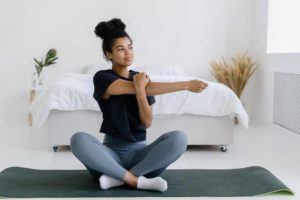
Relaxation should be a core component of your bedtime routine. It is much easier to fall asleep if you are at ease. Quiet reading, low-impact stretching, listening to soothing music, and relaxation exercises are examples of ways to get into the right frame of mind for sleep . Focus on trying to relax instead of trying to fall asleep.
If you want to try different tools for calmness, controlled breathing, mindfulness meditation, progressive muscle relaxation, and guided imagery are all examples of relaxation methods that can help ease you into sleep .
For your routine, try to have as little screen time as possible. Tablets, smartphones, and laptops can keep your brain wired, making it hard to truly wind down. The light from these electronic devices can also suppress your natural production of melatonin. Try your best to disconnect for 30 minutes to an hour (or more) before going to bed.
4. Exercise and Get Outside During Daylight
Laying the groundwork for great sleep actually starts during the daytime.
The body’s internal clock is regulated primarily by light exposure. Sunlight has a strong effect, so try to take in daylight by getting outside or opening up windows or blinds to natural light. Getting a dose of natural light early in the day can help normalize your circadian rhythm, making it easier to sleep soundly at night. If natural light is not an option, you can talk with your doctor about using a light therapy box.
Daily exercise also has many benefits for both physical and mental health, and the changes it initiates in energy use and body temperature can promote solid sleep. One caveat is that many experts advise against extremely intense exercise close to bedtime, since it may hinder your body’s ability to settle down for sleep. If you do want to move your body before bedtime, we suggest light stretching or relaxed yoga practices instead.
5. Watch What You Eat and Drink
What (and when) you eat and drink can influence the quality of your nightly sleep. Paying attention to your consumption of caffeine, alcohol, and big meals can interfere with sleep, especially if it’s close to bedtime.
Caffeine is a stimulant found in many popular beverages, including coffee, tea, and sodas. Keep an eye on your caffeine intake and avoid it later in the day since it can be a barrier to falling asleep. In addition, avoid relying on the jolt of energy from caffeine to try to overcome afternoon sleepiness.
On the other hand, because alcohol can induce drowsiness, some people are keen on a nightcap before bed. Unfortunately, alcohol affects the brain in ways that can lower sleep quality, making it best to avoid alcohol in the lead-up to bedtime.
It can also be harder to fall asleep if your body is still digesting a big dinner. To keep food-based sleep disruptions to a minimum, try to avoid large meals for dinner and minimize fatty or spicy foods. If you need an evening snack, opt for something light.
6. Limit Nicotine Use and Smoke Exposure
Exposure to smoke, including secondhand smoke, has been associated with a range of sleeping problems including difficulty falling asleep and fragmented sleep. Nicotine is a stimulant, and evening nicotine use in particular has been found to disrupt sleep .
7. Manage Your Stress
High levels of stress can keep you tossing and turning at night . Everyone encounters stress at times, but for some people, it can be overwhelming or become a chronic problem . Finding ways to healthily manage stress may help you sleep better .
.
Practicing relaxation techniques, getting exercise every day, and seeking support from trusted loved ones are examples of ways that can help reduce stress and its impact on your everyday life
. However, every person is unique, so you can try out different approaches to stress reduction to see what works best for you.

8. Reserve Your Bed for Sleep and Sex Only
If you have a comfortable bed, you may be tempted to spend your leisure time in it, but this can actually cause problems at bedtime. You want a strong mental association between your bed and sleep, so try to keep activities in your bed limited strictly to sleep and sex.
This is especially true if you work from home or frequently finish up school- or career-related tasks from the comfort of your bedroom. Instead, do your best to designate a specific spot in your home for those objectives, whether it be your couch, dining room table, or a comfy chair.
When doing work in your bed, it’s harder to wind down at night without thinking about tomorrow’s to-do list.
9. Get Out of Bed After 20 Minutes
Ideally, you want to avoid an association between your bed and frustration from sleeplessness. This means that if you have spent around 20 minutes in bed and are having trouble sleeping, it is best to get out of bed and do something relaxing in low light, and then return to bed once you feel tired. During this time, avoid doing things like checking the clock, using electronic devices, or other tasks that may cause stress or alertness.
Instead, try reading with a book light, a relaxing craft, listening to soothing music, a guided meditation, or simple deep breathing exercises.
10. Consider Sleep Supplements
In addition to improving overall sleep hygiene, you may want to discuss the use of supplements with your doctor. For some people, melatonin supplements can be used to help establish a sleep schedule and shorten the time it takes to fall asleep .
Other natural sleep aids include valerian, chamomile, magnesium, and glycine. Since dietary supplements are not closely regulated by the U.S. Food and Drug Administration, it is important to take steps to ensure you are purchasing reputable sleep supplements. You should always consult a medical professional prior to starting any new supplements, especially if you’re already taking medications or vitamins.

When to Talk to a Doctor
You should talk with a doctor if you have excessive sleepiness during the day or if difficulty sleeping is affecting your concentration, mood, or ability to carry out normal daily activities .
It’s especially important to talk with your doctor if daytime drowsiness or nighttime sleeping problems are long-lasting, severe, or worsening.
Consulting a doctor can help determine if you may be affected by any sleep disorders, including more common sleep disorders like insomnia, sleep apnea, or restless leg syndrome (RLS) .
- Insomnia: Insomnia is an inability to fall asleep or stay asleep that negatively impacts you when you’re awake.
- Sleep apnea: People with sleep apnea have repeated breathing disruptions during sleep that erode sleep quality and leave them feeling tired during the day. Loud and frequent snoring marked by choking or gasping sounds can be a potential sign of sleep apnea .
- Restless leg syndrome: RLS is an extremely strong urge to move the legs that makes it challenging to get comfortable in bed and fall asleep at night.
If you have difficulty sleeping or bothersome daytime drowsiness, your doctor can review your symptoms and health history to identify how to improve sleep quality in your specific case.
Frequently Asked Questions
What’s the best time to go to bed?
There is no universal “best” bedtime for everyone. One study suggests that going to bed between 10 p.m. and 11 p.m. is associated with a reduced risk of cardiovascular problems
, but more research is needed to understand ideal sleep timing.
In general, you should try to have a schedule that allows you to sleep when it’s dark outside and wake when it’s light out
. This can help align your body’s internal circadian rhythm with your environment, which supports multiple aspects of good health
. You should also strive for a consistent schedule as irregular sleep timing has been linked to a range of health issues
.
What is the CIA trick for sleep?
Some people describe a declassified CIA trick to help fall asleep. Although it hasn’t been verified to truly come from the CIA, this purported sleep hack involves three simple steps:
1. Lie down comfortably
2. Take 5 deep breaths
3. Slowly count to 20
Similarly, the “military sleep method” is often discussed on social media and involves a series of steps designed to facilitate falling asleep. These include:
1. Progressive muscle relaxation, tightening and loosening muscles throughout the body
2. Breathing deeply
3. Visualizing relaxing scenes or images
In effect, both of these approaches can be seen as ways to improve sleep by creating a stress-relieving nighttime routine.
What is the 123 sleep rule?
There are different variations of numerical sleep tips, but one common rule is the 3-2-1 sleep rule. The key elements of this rule are:
Stop drinking alcohol at least three hours before sleep
Stop eating food two hours before sleep
Stop drinking any liquids for one hour before sleep
How long does it take to fix bad sleep habits?
Certain sleep hygiene habits can be changed immediately, such as optimizing your bedroom environment or trying relaxation methods before bedtime. Other habits may take more time to get used to, such as establishing a new sleep schedule or nighttime routine.
For some people, habit changes can bring quick improvements to nightly sleep, but don’t be surprised if it takes more time, especially if you’re trying to break longstanding negative habits
.

Still have questions? Ask our community!
Join our Sleep Care Community — a trusted hub of sleep health professionals, product specialists, and people just like you. Whether you need expert sleep advice for your insomnia or you’re searching for the perfect mattress, we’ve got you covered. Get personalized guidance from the experts who know sleep best.
References20 Sources
Medline plus. Healthy Sleep. Medlineplus.gov. Published 2019. https://medlineplus.gov/healthysleep.html
https://medlineplus.gov/healthysleep.htmlConsensus Conference Panel, Watson NF, Badr MS, et al. Recommended Amount of Sleep for a Healthy Adult: A Joint Consensus Statement of the American Academy of Sleep Medicine and Sleep Research Society. J Clin Sleep Med. 2015;11(6):591-592. Published 2015 Jun 15. doi:10.5664/jcsm.4758
https://jcsm.aasm.org/doi/10.5664/jcsm.4758Van Someren, E. J., Cirelli, C., Dijk, D. J., Van Cauter, E., Schwartz, S., & Chee, M. W. (2015). Disrupted sleep: From molecules to cognition. The Journal of Neuroscience, 35(41), 13889–13895.
https://pubmed.ncbi.nlm.nih.gov/26468189/Medic, G., Wille, M., & Hemels, M. E. (2017). Short- and long-term health consequences of sleep disruption. Nature and Science of Sleep, 9, 151–161.
https://pubmed.ncbi.nlm.nih.gov/28579842/Martin, J. (2025, September). Cognitive behavioral therapy for insomnia in adults. In R. Benca & A. Eichler (Ed.). UpToDate.
https://www.uptodate.com/contents/cognitive-behavioral-therapy-for-insomnia-in-adultsJerath, R., Beveridge, C., & Barnes, V. A. (2019). Self-regulation of breathing as an adjunctive treatment of insomnia. Frontiers in Psychiatry, 9, 780.
https://pubmed.ncbi.nlm.nih.gov/30761030/Zandy, M., Chang, V., Rao, D. P., & Do, M. T. (2020). Tobacco smoke exposure and sleep: Estimating the association of urinary cotinine with sleep quality. Health Promotion and Chronic Disease Prevention in Canada: Research, Policy and Practice, 40(3), 70–80.
https://pubmed.ncbi.nlm.nih.gov/32162509/Maski, K. (2022, May 23). Insufficient sleep: Evaluation and management. In T. E. Scammell (Ed.). UpToDate.
https://www.uptodate.com/contents/insufficient-sleep-evaluation-and-managementNational Heart Lung and Blood Institute. (2011, January). Your guide to healthy sleep. January 2011.
https://www.nhlbi.nih.gov/health-topics/all-publications-and-resources/your-guide-healthy-sleepMedlinePlus. Stress. Medlineplus.gov. Published 2018. https://medlineplus.gov/stress.html
https://medlineplus.gov/stress.htmlIrish, L. A., Kline, C. E., Gunn, H. E., Buysse, D. J., & Hall, M. H. (2015). The role of sleep hygiene in promoting public health: A review of empirical evidence. Sleep Medicine Reviews, 22, 23–36.
https://pubmed.ncbi.nlm.nih.gov/25454674/Neubauer, D. N. (2022, May 18). Pharmacotherapy for insomnia in adults. In R. Benca & J. G. Elmore (Eds.). UpToDate.
https://www.uptodate.com/contents/pharmacotherapy-for-insomnia-in-adultsNeubauer, D. (2025, September 12). Pharmacotherapy for insomnia in adults. UpToDate
https://www.uptodate.com/contents/pharmacotherapy-for-insomnia-in-adultsA.D.A.M. Medical Encyclopedia. (2020, August 13). Sleep and your health. MedlinePlus.
https://medlineplus.gov/ency/patientinstructions/000871.htmStrohl, K. (2024, Jan). Patient education: Sleep apnea in adults (Beyond the basics). In N. Collop & G. Finlay (Ed.). UpToDate.
https://www.uptodate.com/contents/sleep-apnea-in-adults-beyond-the-basicsNikbakhtian S, Reed AB, Obika BD, et al. Accelerometer-derived sleep onset timing and cardiovascular disease incidence: a UK Biobank cohort study. Eur Heart J Digit Health. 2021;2(4):658-666. Published 2021 Nov 9. doi:10.1093/ehjdh/ztab088
https://pubmed.ncbi.nlm.nih.gov/36713092/Goldstein, C. (2023, December 27). Overview of circadian rhythm sleep-wake disorders. UpToDate.
https://www.uptodate.com/contents/overview-of-circadian-rhythm-sleep-wake-disordersScott H, Lechat B, Sansom K, et al. Variations in sleep duration and timing: weekday and seasonal variations in sleep are common in an analysis of 73 million nights from an objective sleep tracker. Sleep. 2025;48(9):zsaf099. doi:10.1093/sleep/zsaf099
https://pubmed.ncbi.nlm.nih.gov/40220318/A.D.A.M. Medical Encyclopedia.(2022, May 12). Changing your sleep habits. MedlinePlus.
https://medlineplus.gov/ency/patientinstructions/000757.htm