
Sleep Health
Get Educated About Your Sleep for a Better Night's Rest
How to Fall Asleep (And Stay Asleep)

Updated July 15, 2026
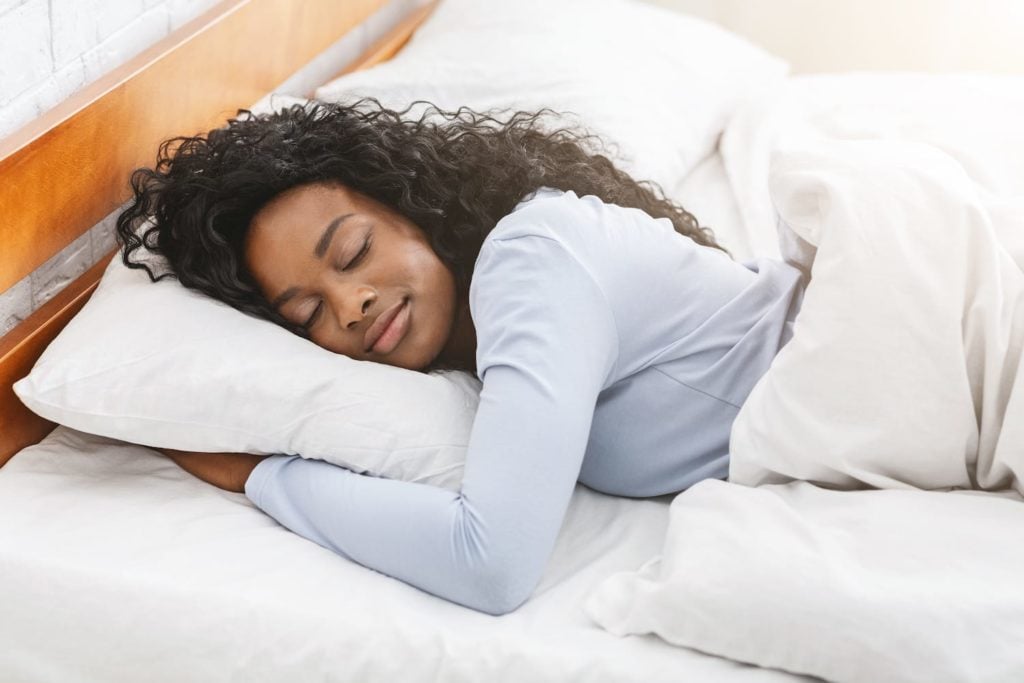
How to Get More REM SleepREM sleep is important for learning, memory, and creativity. Learn how much REM sleep you need and how to get more REM sleep if you’re falling short.
Updated September 30, 2026
Sleep Tips for WomenWomen may face unique sleep challenges related to hormones, stress, and caregiving. Learn practical tips for getting better sleep at every stage of life.
Updated September 30, 2026

Updated July 15, 2025

Updated August 31, 2026

Updated July 29, 2025

Take Charge of Your Sleep and Mental Health

Updated September 23, 2026
How to Relieve Stress for BedtimeStress can make it harder to relax and fall asleep. Learn calming bedtime strategies, including meditation, deep breathing, and healthy nighttime habits.
Sleep and Anxiety Disorders
Updated August 5, 2026
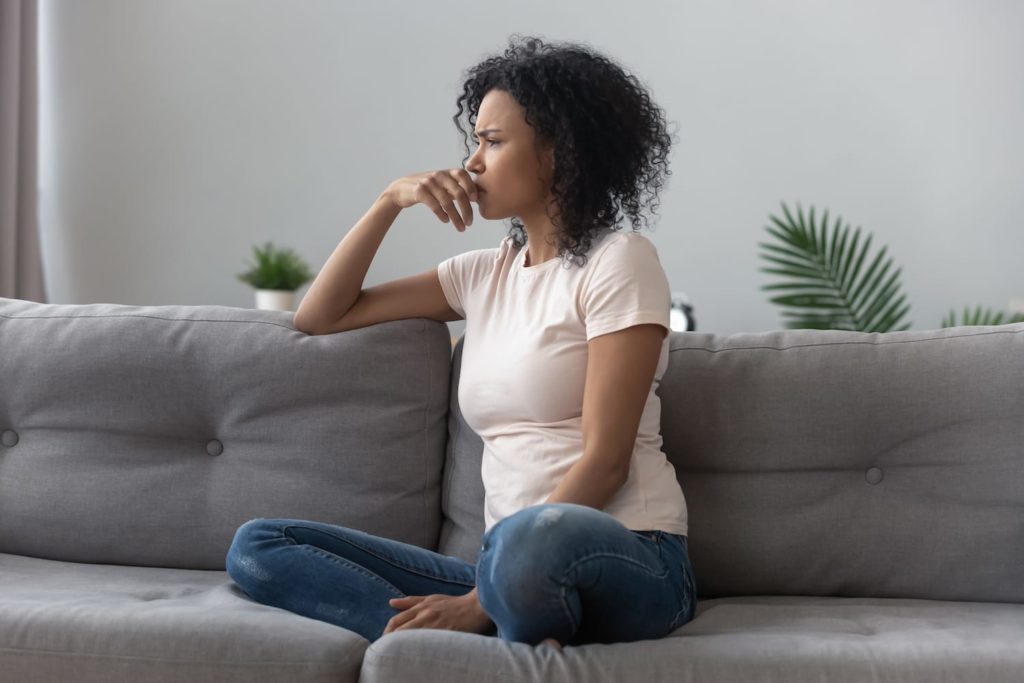
Sleep and Anxiety DisordersAnxiety and sleep problems often go hand in hand. Learn how anxiety disorders affect sleep (and vice versa), as well as treatments to help improve both.
Anxiety at Night

Updated August 5, 2026
Anxiety at NightAnxiety can get worse at night and make it more difficult to fall and stay asleep. Learn how anxiety affects sleep and what to do about your anxiety at night.
How to Reset Your Circadian Rhythm
Updated September 23, 2026
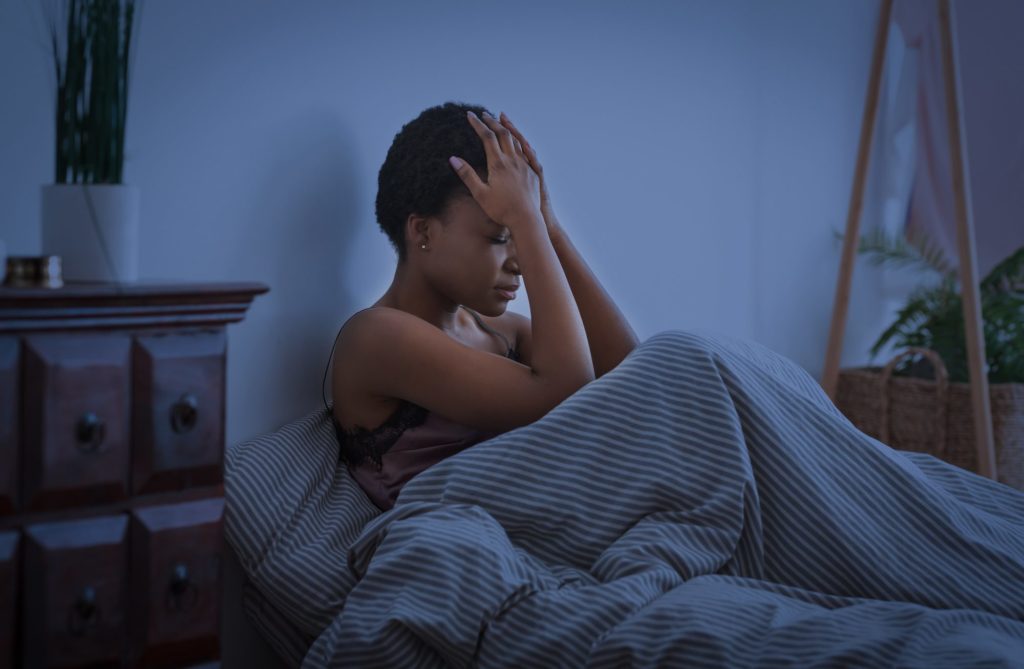
Irregular Sleep-Wake Rhythm DisorderIrregular sleep-wake rhythm disorder causes sleep and wake periods to occur at unpredictable times. Learn about symptoms, causes, and treatment.
How to Wake Up Without an Alarm

Updated September 23, 2026
How to Wake Up Without an AlarmFed up with being jarred awake by a loud alarm? Find out how to effectively adjust your sleep schedule in order to wake up in the morning without an alarm.
Best Sleep Schedule for Night Shift Workers

Updated August 3, 2026
Best Sleep Schedule for Night Shift WorkersDo you work the night shift? Learn what sleep schedules and strategies can help you stay awake at work and get the sleep you need at home.
Can’t Sleep? Learn Why
For decades, researchers have explored how sleep works and why we need it. What we know for sure is that a good night of sleep is irreplaceable. Forming healthy habits are the first steps to consistent, restful nights.

Waking up during the night is common. Learn why it happens and get practical tips to help you fall back asleep and improve your sleep quality.

Learn how to reset your circadian rhythm with proven strategies like light exposure, a consistent sleep schedule, and healthy daily habits.

Create the ideal bedroom for sleep by optimizing temperature, light, noise, air quality, bedding, and other elements of your sleep environment.

Are you waking up in pain? It could be your sleep position. Learn about the pros and cons of different positions, and find the best sleeping position for you.
Exercise Tips for Better Sleep

Updated October 5, 2026
Diet, Exercise, and SleepDiet, exercise, and sleep all contribute to a healthy life. Learn how nutrition and physical activity affect sleep, and how sleep supports healthy habits.
Yoga for Sleep
Updated September 30, 2026
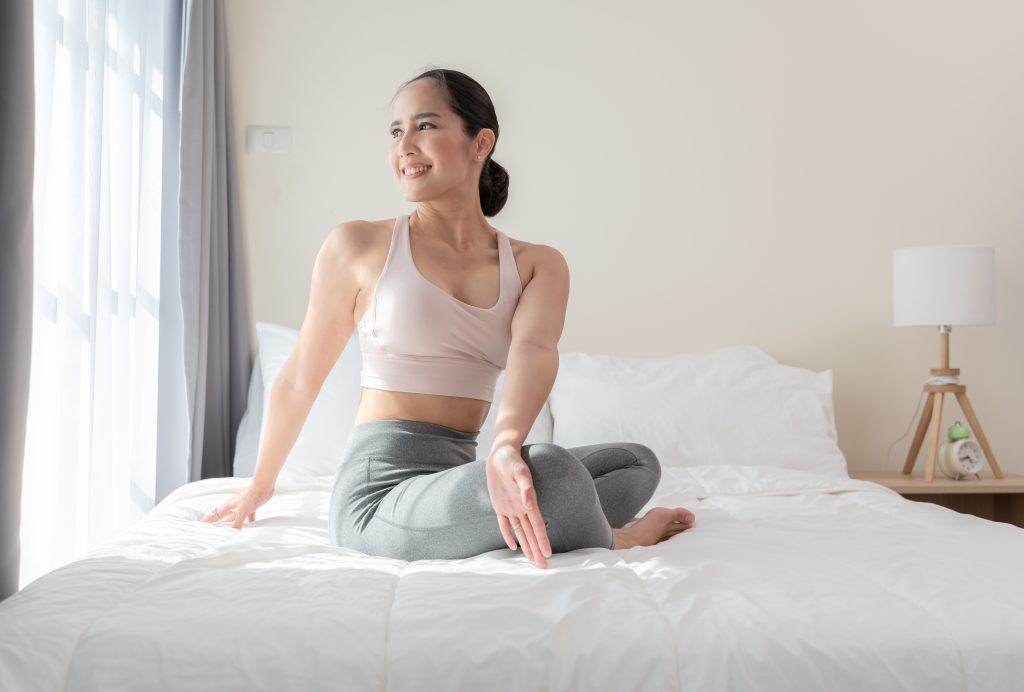
Yoga for SleepYoga may help improve sleep by reducing stress and promoting relaxation. Learn which types of yoga and poses are best before bed.
Best Exercise for Sleep

Updated September 30, 2026
Best Exercise for SleepRegular exercise can improve sleep quality and help you fall asleep more easily. Learn how aerobic exercise, strength training, and yoga can help.
How What You Eat Affects Your Sleep

Updated September 30, 2026
Sleep and OvereatingPoor sleep can increase hunger and food cravings, while overeating can disrupt sleep. Learn how sleep, appetite, eating habits, and weight are connected.
Intermittent Fasting and Sleep

Updated September 30, 2026
Intermittent Fasting and SleepIntermittent fasting may affect sleep by changing meal timing. Learn how fasting can influence sleep and how to time meals for better rest.
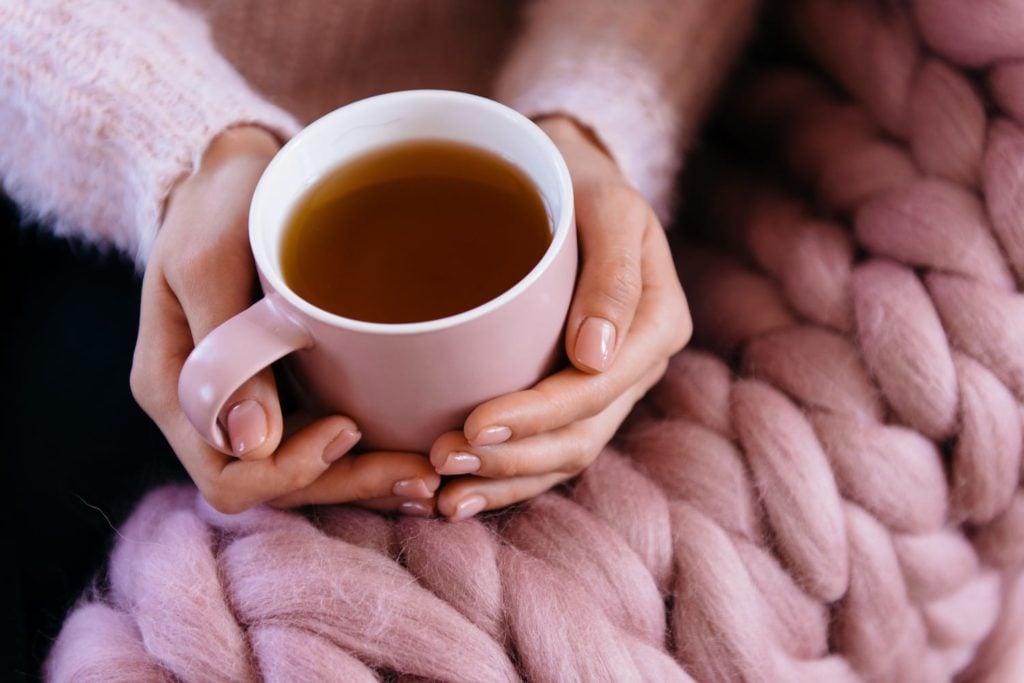
Best Teas for Sleep
Updated September 25, 2026
Best Teas for SleepCertain herbal teas may help you relax and sleep better. Learn about chamomile, valerian root, lavender, and other teas commonly used before bed.
Understanding Your Sleep
Sleep is deeply connected to our physical, emotional, and mental health. Yet many of us face nightly disruptions to our sleep, increasing the risk of various medical problems. Prioritize identifying and treating sleep issues before they negatively affect your daily life.

Proper sleep is an essential part of human functioning. Find out how much sleep you need, learn how to identify sleep problems, and get tips for better sleep.

Deep sleep gives your body a chance to repair and regenerate and leaves you refreshed in the morning. Learn how much deep sleep you need and how to get more.

Is waking up at the same time each night normal? Learn more about potential reasons you might wake up each night at the same time.

Trying to find out why you have sleep issues? Learn about the causes of insomnia, including stress, medical conditions, medications, and lifestyle habits.