
Sleep Health
Get Educated About Your Sleep for a Better Night's Rest
How to Fall Asleep (And Stay Asleep)

Updated July 29, 2025
5 Ways to Get More REM SleepREM sleep is important for learning, memory, and creativity. Learn how much REM sleep you should be getting and how to get more REM sleep if you’re going short.
Updated May 29, 2026
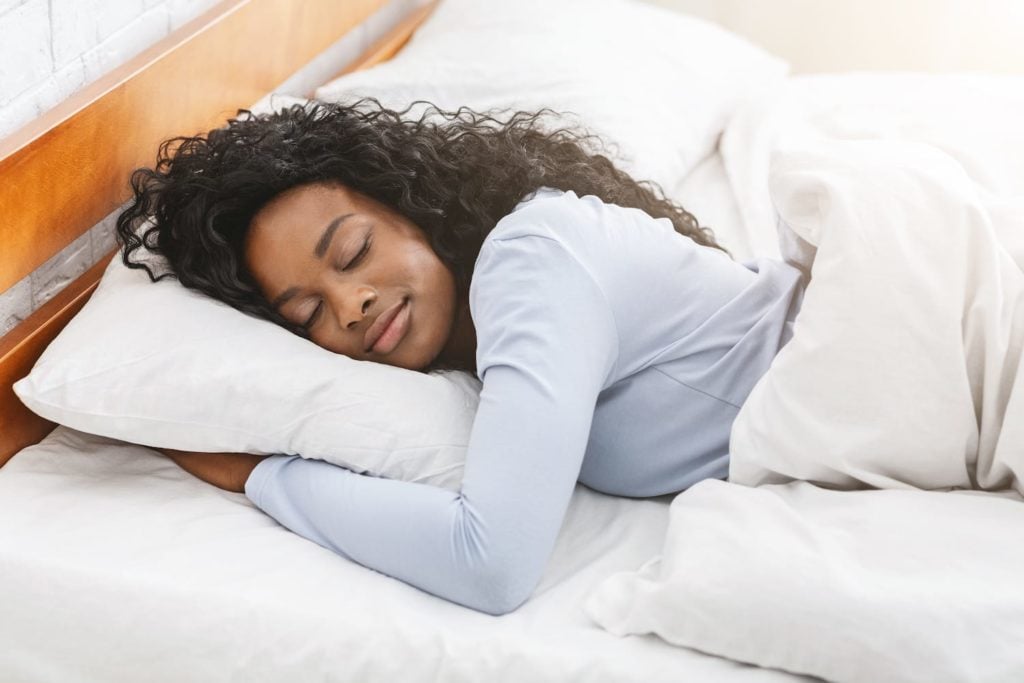
Healthy Sleep Tips For Women of All AgesImproving sleep habits and your sleep environment may be more conducive to consistent and restorative sleep when you need it most.
Updated May 29, 2026

Updated July 15, 2025

Updated July 16, 2025

Updated July 29, 2025

Take Charge of Your Sleep and Mental Health

Updated October 9, 2025
ADHD and Sleep ProblemsSleep and ADHD have a bidirectional relationship. Learn how ADHD can cause insomnia, and how improving sleep may improve ADHD symptoms.
Maladaptive Daydreaming

Updated July 31, 2025
Maladaptive DaydreamingAre your daydreams interfering with your daily life? You may be a maladaptive daydreamer. Learn about maladaptive daydreaming symptoms and treatment options.
How to Relieve Stress for Bedtime

Updated July 24, 2025
How to Relieve Stress for BedtimeStress can be a major barrier to getting to sleep. Get tips and solutions to battle stress so you can get quality rest.
How to Reset Your Circadian Rhythm
Updated October 6, 2025
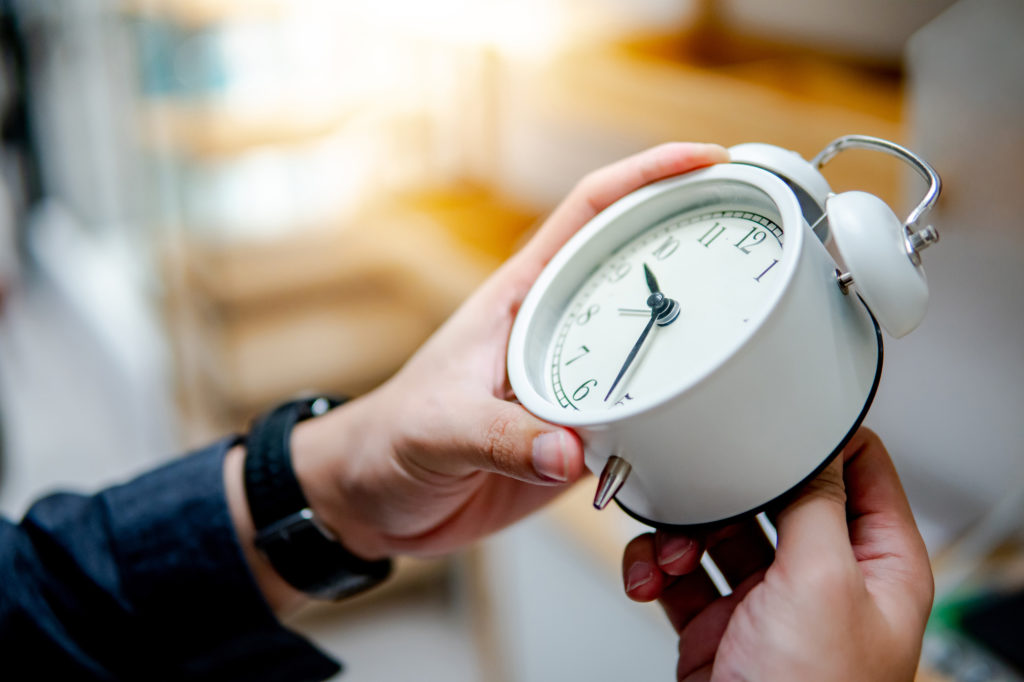
How to Prepare for the Start and End of Daylight Saving TimeDaylight saving time can affect circadian rhythm and disrupt your sleep. Here’s how to get the sleep you need when the clocks change.
Jet Lag: Symptoms, Causes, and Prevention

Updated July 29, 2025
Jet Lag: Symptoms, Causes, and PreventionWorried about feeling alert and maintaining a healthy sleep schedule after a long flight? Learn how to reduce jet lag and sleep better while traveling.
How to Get Over Jet Lag

Updated July 29, 2025
How to Get Over Jet LagWorried that jet lag will ruin a big trip? Learn what jet lag is, what causes it, and how to manage it so you can sleep and travel better.
Can’t Sleep? Learn Why
For decades, researchers have explored how sleep works and why we need it. What we know for sure is that a good night of sleep is irreplaceable. Forming healthy habits are the first steps to consistent, restful nights.

People wake up during the night for a variety of reasons. Learn why you might be waking up and how to fall back asleep.

Learn how to reset your circadian rhythms, including your sleep-wake schedule, through light exposure, exercise, strategic meal times, and more.

Your sleep environment is crucial to getting quality rest. Learn how to take advantage of visual and practical design to create the ideal bedroom for sleep.

Are you waking up in pain? It could be your sleep position. Learn about the pros and cons of different positions, and find the best sleeping position for you.
Exercise Tips for Better Sleep

Updated July 29, 2025
What’s the Best Time of Day to Exercise for Sleep?Experts once advised against exercise before bed, but research suggests a complex link between fitness and sleep. Learn how to time exercise for better sleep.
Yoga and Sleep

Updated July 29, 2025
Yoga and SleepYoga can be a great relaxation tool to help you fall asleep. Learn about its benefits and how to best take advantage of them in this guide.
The Best Exercises for Sleep

Updated July 29, 2025
The Best Exercises for SleepWant to learn about exercises to help you sleep? Our guide covers aerobic workouts, strength training, and other exercises to help you get a good night’s rest.
How What You Eat Affects Your Sleep

Updated October 23, 2025
Alcohol and SleepMany people rely on alcohol to help them fall asleep, but their sleep quality may suffer in the long run. Learn more about how alcohol affects sleep.
Does Tart Cherry Juice Help You Sleep?

Updated September 17, 2025
Does Tart Cherry Juice Help You Sleep?Research shows that tart cherry juice can help you sleep, aid in muscle recovery, and promote brain health. Learn how it works and how much to drink.
Why Does Coffee Make You Tired?

Updated August 21, 2025
Why Does Coffee Make You Tired?Many people turn to coffee to wake up, but some find that it makes them more tired. Learn why coffee might sometimes make you sleepy.
Understanding Your Sleep
Sleep is deeply connected to our physical, emotional, and mental health. Yet many of us face nightly disruptions to our sleep, increasing the risk of various medical problems. Prioritize identifying and treating sleep issues before they negatively affect your daily life.

Proper sleep is an essential part of human functioning. Find out how much sleep you need, learn how to identify sleep problems, and get tips for better sleep.
Deep sleep gives your body a chance to repair and regenerate and leaves you refreshed in the morning. Learn how much deep sleep you need and how to get more.

Is waking up at the same time each night normal? Learn more about potential reasons you might wake up each night at the same time.

Trying to find out why you have sleeping problems? Learn about the general causes of insomnia and how it can arise in the elderly, teens, and pregnant women.