
 10% off Home Sleep Tests
 What they are, their causes and symptoms, and how people with sleep disorders can get relief

Written by
Logan Foley, Editorial Director

Medically Reviewed by
Anis Rehman, MD, Internal Medicine Physician
The collective term sleep disorder refers to conditions that affect sleep quality, timing, or duration and impact a person’s ability to properly function while they are awake. These disorders can contribute to other medical problems, and some may also be symptoms for underlying mental health issues.
In 1979, the American Sleep Disorders Association published the first classification system dedicated to sleep disorders. Our knowledge and understanding of sleep health has evolved over the past four decades. More than 100 specific sleep disorders have been identified and today’s classifications use complex methodologies to categorize these disorders based on causes, symptoms, physiological and psychological effects, and other criteria. However, most sleep disorders can be characterized by one or more of the following four signs:
- You have trouble falling or remaining asleep
- You find it difficult to stay awake during the day
- There are imbalances in your circadian rhythm that interfere with a healthy sleep schedule
- You are prone to unusual behaviors that disrupt your sleep
Any of these signs could indicate a sleep disorder. People who experience issues with sleep or daytime energy should consult with their doctor.
Better Sleep for a
Better You
Trouble sleeping? Let us help.
Written by
Logan Foley, Editorial Director
Medically Reviewed by
Anis Rehman, MD, Internal Medicine Physician

Insomnia
Insomnia is characterized by an ongoing difficulty to fall or remain asleep despite wanting to sleep and having enough time to sleep. People with insomnia also experience daytime sleepiness and may have difficulty functioning while they are awake. Chronic insomnia is diagnosed when someone has these symptoms at least three times per week for at least three months.
- Up to two-thirds of adults periodically experience some form of insomnia.
- Insomnia is more likely to occur with older age, lower socioeconomic status, and anxiety or depression.
- Therapy, sleep aids, and other approaches can reduce or resolve insomnia symptoms.
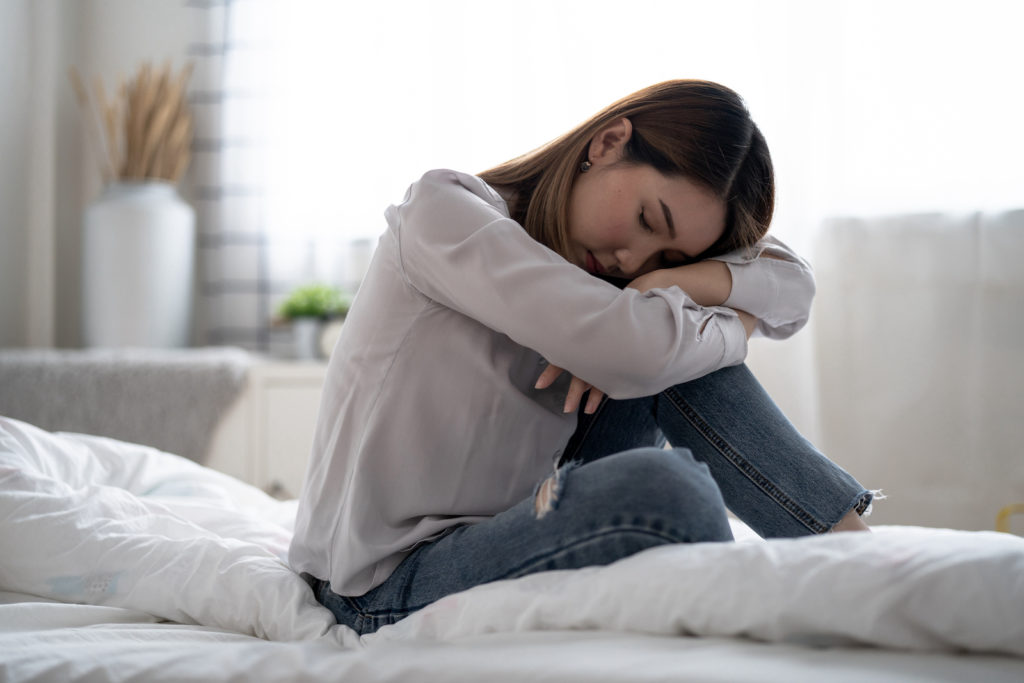
What Causes Insomnia?
Trying to find out why you have sleeping problems? Learn about the general causes of insomnia and how it can arise in the elderly, teens, and pregnant women.

Want to learn more about the symptoms of insomnia? Our guide covers short-term & chronic insomnia symptoms, including sleep issues and daytime impairments.
Want to learn more about how to treat insomnia? Our insomnia treatment guide covers medications, cognitive behavioral therapy for insomnia, and more.
Not all insomnia is the same. Learn about short-term and chronic types of insomnia along with other terms used to describe this serious sleeping problem.
Sleep Apnea
Sleep apnea is a common sleep-related breathing disorder that disrupts breathing at night. People with this condition often snore heavily and may wake up choking or gasping for air. There are two types of sleep apnea. Obstructive sleep apnea occurs when tissues in the mouth and throat relax, frequently blocking the upper airway. Central sleep apnea occurs when the brain temporarily stops sending signals to the muscles that control breathing.
- Obstructive sleep apnea affects at least 30 million Americans, but many cases go undiagnosed.
- People with sleep apnea often experience daytime sleepiness and fatigue, as well as morning headaches and dry mouth.
- Treatment options for sleep apnea include CPAP therapy, oral appliances, and, in some cases, surgery.
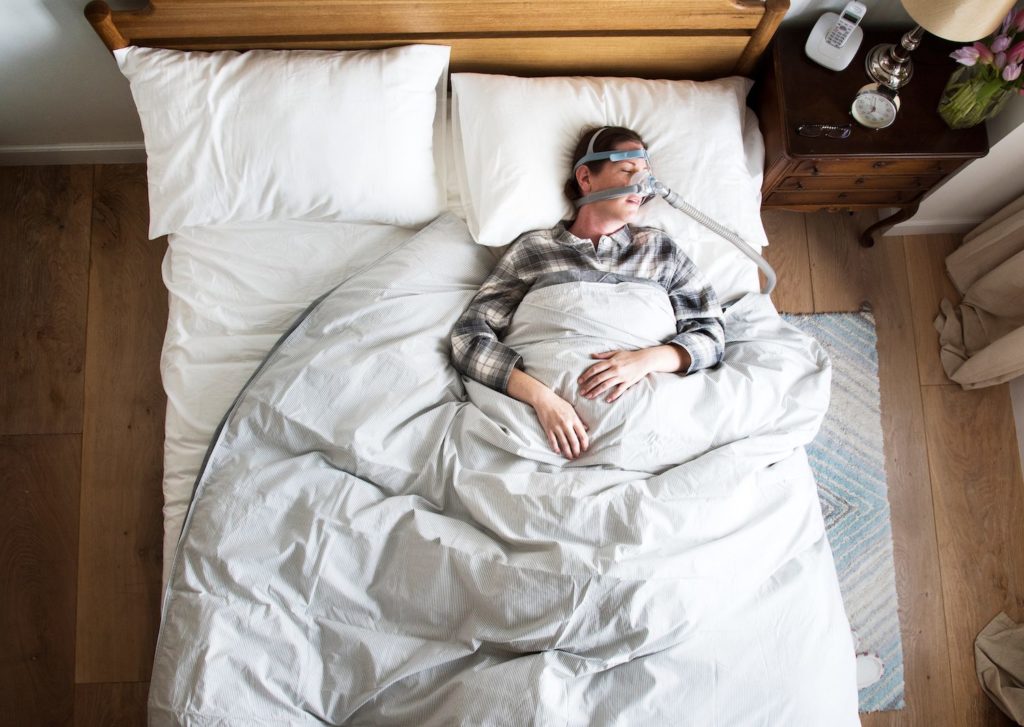
Obstructive Sleep Apnea
Obstructive sleep apnea is a condition marked by abnormal nighttime breathing. Learn more about the symptoms, causes, and treatments of obstructive sleep apnea.

Though CPAP therapy is the most common sleep apnea treatment, other options exist. We look at PAP devices, surgeries, and lifestyle changes for sleep apnea.
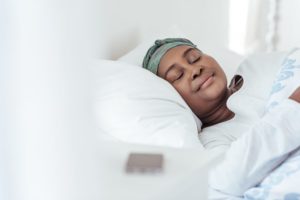
Sleep apnea is a relatively common disorder in which people experience disrupted breathing while they are sleeping.
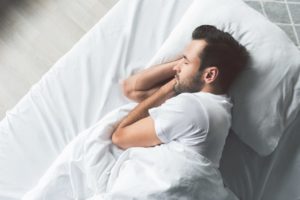
In central sleep apnea, a lack of signals from the brain interrupts breathing during sleep. Learn more about this uncommon condition.
Narcolepsy
Narcolepsy is a sleep disorder that makes people feel excessively tired during the day despite getting an adequate amount of sleep. This can lead to an irrepressible urge to sleep, culminating in “sleep attacks” that typically last for a few minutes. These sleep attacks and other symptoms of narcolepsy are caused by disruptions in the brain’s ability to regulate the sleep-wake cycle.
- Narcolepsy affects roughly 1 in 2,000 people in the United States.
- Sleep attacks can be accompanied by cataplexy, a sudden loss of muscle tone that causes people to slump over as they nod off.
- People with narcolepsy are at a high risk for accident or injury, but treatment with medication and lifestyle changes can help.
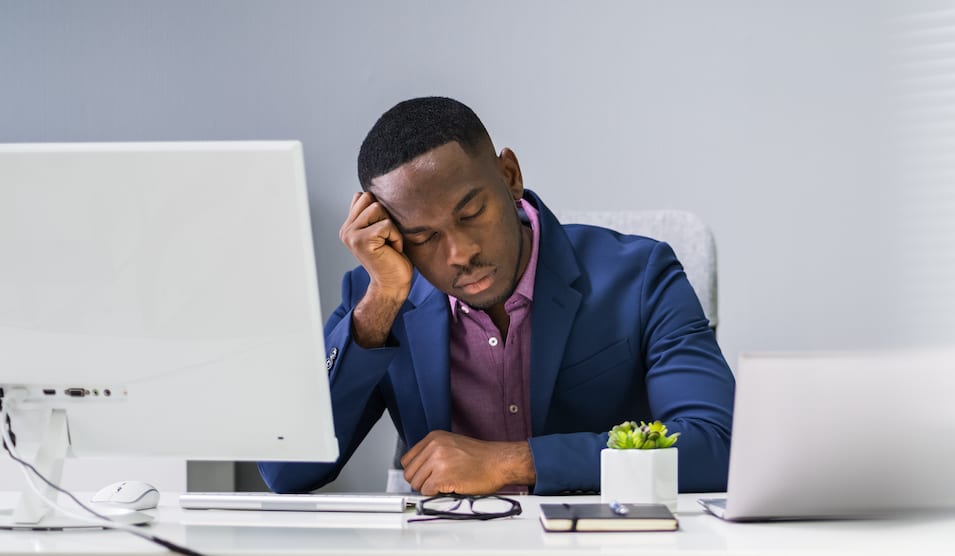
Narcolepsy Treatment
Can narcolepsy be cured? Can its symptoms be improved? Learn about the different types of treatment for narcolepsy and their benefits and downsides.

Concerned that you have symptoms of narcolepsy? Learn about the tests and criteria used to diagnose narcolepsy and how to discuss them with your doctor.

Our guide to the symptoms of narcolepsy explores the causes and impact of each symptom of this complex, chronic sleep disorder.

Hypersomnia and narcolepsy both make people excessively sleepy during the day. Learn more about these disorders and what makes them different.
Restless Legs Syndrome
People with restless legs syndrome (RLS) experience tingling or crawling sensations that create an irresistible urge to move their legs. The sensations and urge to move tend to get worse when sitting or lying down, making it difficult to sleep. RLS is linked with pregnancy, Parkinson’s disease, iron deficiency, and other factors, but the cause of most RLS cases is unknown.
- Up to 15% of people have RLS, but only around 2% to 3% experience significant symptoms.
- RLS symptoms are not only triggered by rest, they may also worsen with caffeine intake and use of certain medications.
- Healthy sleep habits, dietary changes, exercise, medical devices, and medications are effective treatment strategies for RLS.
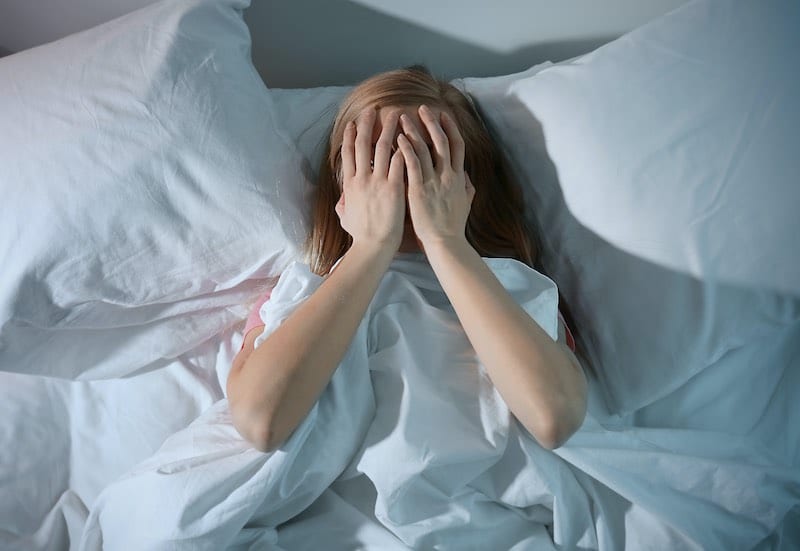
What Causes Restless Sleep?
Are you tossing and turning all night and struggling to wake up refreshed? Read more about restless sleep, what causes it, and steps to take to overcome it.

Diagnosing restless legs syndrome can be complex because there is no single test to confirm it. Learn how doctors determine whether someone has this condition.
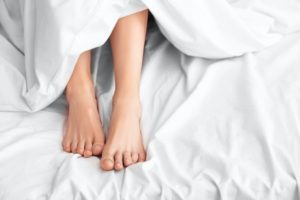
Learn about different restless legs syndrome treatments to minimize uncomfortable symptoms and restore healthy sleep.
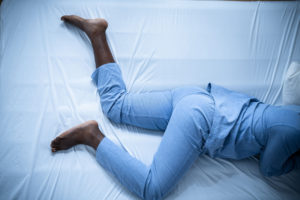
Looking for home remedies for restless legs syndrome? Learn how to reduce the symptoms of restless legs syndrome on your own, at home, without medication.
Parasomnias
Parasomnias are a group of unusual sleep behaviors that can occur before falling asleep, during sleep, or in the transition between sleep and wakefulness. Parasomnias are most common in children, but they affect adults as well. They include sleepwalking, bedwetting, night terrors, and more unique ones like exploding head syndrome.
- Parasomnias occur in up to 20% of children.
- Parasomnias are categorized based on when in a person’s sleep cycle they arise.
- Managing parasomnias typically involves maintaining the safety of the sleeper and any bed partners and promoting sufficient healthy sleep.
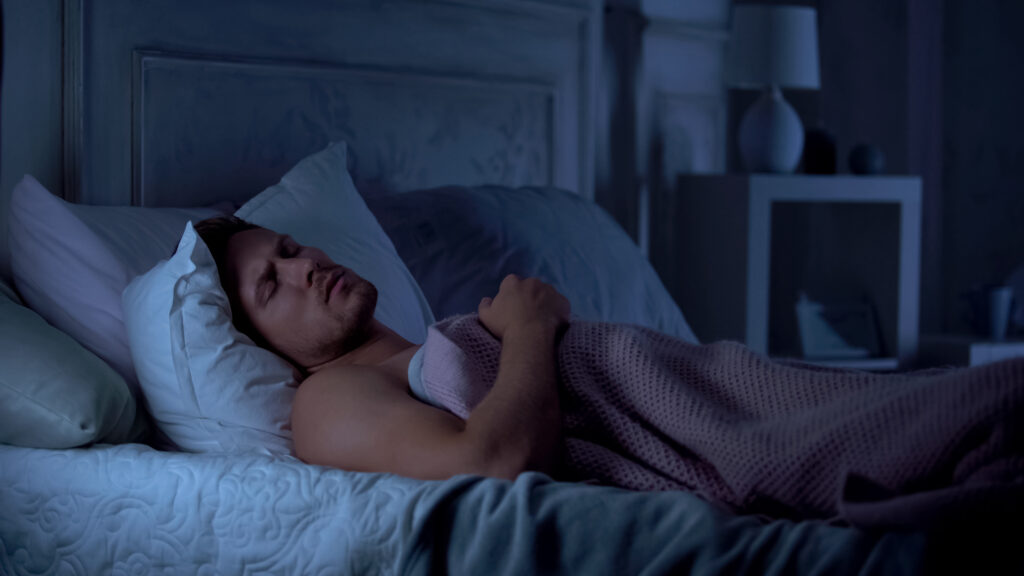
Sleep Paralysis
Have you experienced episodes of sleep paralysis? We explain symptoms, causes, and treatments of sleep paralysis.
Learn more about sexsomnia, a parasomnia that can cause involuntary sexual behaviors during sleep. It has a wide range of causes, triggers, and treatments.

Learn the key facts and figures to know about the causes, symptoms, dangers, and treatments of sleepwalking.
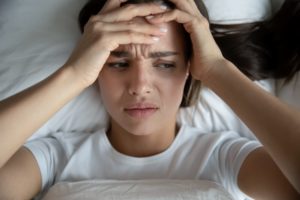
While painless and non-threatening, exploding head syndrome can cause anxiety and sleep problems. Learn more about this sleep disorder.
Excessive Sleepiness
It is normal to feel sleepy after a night of sleep loss. But excessive daytime sleepiness (EDS) is a medical term that describes extreme grogginess occurring almost every day for at least three months. EDS makes it difficult or impossible to stay awake during the day. A wide range of medical and psychological conditions can lead to EDS, including sleep apnea, narcolepsy, hypothyroidism, chronic pain, depression, and anxiety.
- EDS is believed to occur in up to 25% of the population.
- EDS is not a sleep disorder itself but rather a symptom of many sleep disorders and other health conditions.
- To determine the cause of EDS, a doctor may recommend a sleep study or other tests.

What Causes Excessive Sleepiness?
Learn what may be causing your excessive sleepiness. It could be an underlying cause like a sleep disorder, psychiatric illness, or lifestyle factor.

Are you constantly sleepy? Our guide explains the potential causes of excessive sleepiness including sleep deprivation and other medical conditions.

Excessive sleepiness can lead to workplace accidents. Learn how sleepiness impacts safety in the workplace and other aspects of working life.
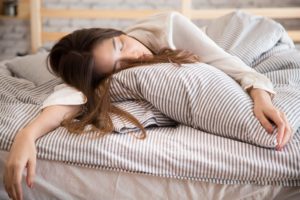
Do you find it hard to get out of bed or have a strong desire to stay in bed? We discuss the causes, effects, and management of dysania.
Shift Work Disorder
Shift work disorder develops in some people whose jobs require them to work late at night or early in the morning. Sleeping during the day and working at night can cause misalignment between a person’s daily schedule and the circadian rhythms that guide their body to feel alert or sleepy in response to light or darkness. People with this condition often feel excessively tired at work and struggle to get enough sleep during their allotted daytime rest period.
- At least one-third of shift workers meet the criteria for a shift work disorder diagnosis.
- People with shift work disorder get, on average, 90 minutes less sleep compared with people who work day shifts.
- Treatment for shift work disorder focuses on strategies that encourage alertness while at work and quality sleep between shifts.

Shift Work Disorder Symptoms
Want to learn about shift work sleep disorder symptoms? Our guide also covers risk factors for workers and differences between shift work disorder and insomnia.
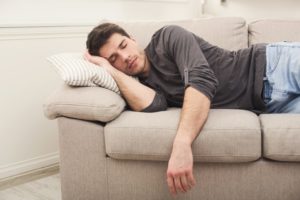
Do you have trouble sleeping during the day? Our guide explains how to fall asleep in the day and get enough rest for the night ahead.

Shift workers have an arsenal of tactics available to them that may help improve sleep and manage symptoms of shift work disorder.

People with shift work disorder struggle to get enough sleep and stay alert on the job. Our guide includes expert tips for coping with shift work disorder.
Non 24-Hour Sleep Wake Disorder
For most adults, the circadian rhythms that guide the sleep-wake cycle reset approximately every 24 hours. This is why many people start to get sleepy around the same time each night. In contrast, people with non-24-hour sleep wake disorder have circadian rhythms that are either shorter or longer than 24 hours. Affected individuals progressively shift their sleep and wake times one to two hours earlier or later each day.
- Non-24-hour sleep wake disorder primarily affects people who are blind and unable to see light.
- People with this condition cycle through days or weeks of sleeping during the day and days or weeks of sleeping at night.
- Non-24-hour sleep wake disorder is one of the six circadian sleep-wake rhythm disorders.

Living With and Managing Non-24 Hour Sleep-Wake Disorder
Get advice on how to manage non-24-hour sleep-wake disorder in the workplace, at school, or with friends and family.

Learn about the causes of non-24-hour sleep-wake disorder and who is most likely to suffer from this rare disorder.

Symptoms of Non-24 Hour Sleep-Wake Disorder include excessive daytime sleepiness and insomnia. Learn when to talk to your doctor about your symptoms.

Non-24-hour sleep-wake disorder treatment involves establishing a 24-hour circadian rhythm using light therapy, melatonin supplements, and other tactics.