
When you buy through our links, we may earn a commission. Products or services may be offered by an affiliated entity. Learn more.

Melatonin


- Melatonin is a hormone your body naturally produces to help regulate your sleep-wake cycle. Melatonin supplements may help some people fall asleep more easily.
- Melatonin isn’t a sleeping pill. It works by signaling to your body that it’s time to sleep and is generally most effective when taken at the appropriate time and dose.
- Experts recommend a dosage of 1 to 5 milligrams of melatonin about 20 to 40 minutes before bed.
- Although melatonin is considered safe for many adults when used short term, it can cause side effects and interact with certain medications. Talk to a healthcare provider before taking melatonin, especially if you’re pregnant, breastfeeding, or have a chronic medical condition.
Melatonin is a hormone your body makes naturally to help you sleep, but it’s also available in supplement form. Melatonin supplements can help with jet lag, shift work, and some sleep disorders, but they’re not a fix for every sleep problem.
Below, we’ll explain how melatonin works, when it’s most likely to be beneficial, and when to talk to your doctor.

What Is Melatonin?
Melatonin is a naturally occurring hormone that helps regulate the body’s circadian rhythms, which are biological patterns that operate on a 24-hour clock. Specifically, melatonin plays a vital role in the sleep-wake cycle.
For a healthy individual with a normal sleep-wake cycle, the body begins producing melatonin every evening around the time sun goes down. This causes a gradual increase in sleepiness. Melatonin production continues into the night, peaking about seven hours after sunset. This helps the person stay asleep through the night. In the morning, melatonin drops to undetectable levels, as exposure to light inhibits production of the sleep hormone. This helps a person feel alert upon waking.
Benefits of Melatonin for Sleep
For some people who have difficulty falling asleep, taking supplemental melatonin about 30 minutes before bedtime may help. Most people feel the effects within 20 to 40 minutes of taking melatonin. The effects typically last four to eight hours, depending on the dose and the individual. Extended-release forms may last longer.
Supplementing naturally produced melatonin can reinforce circadian rhythms and signal to the body that it’s time to sleep. For this reason, melatonin supplements may be a good choice for individuals who:
- Have naturally low levels of melatonin
- Temporarily struggle to fall asleep due to circumstances such as stress or jet lag
- Take medications that interfere with sleep
- Are night owls but need to wake early

Melatonin for Sleep Disorders
Melatonin supplements are likely to benefit people with sleep disorders that affect their circadian rhythms. Supplemental melatonin may also benefit people with other types of sleep disorders, though results tend to be more variable and less impactful and prescription medications may be necessary.
- Non-24-hour sleep-wake rhythm disorder (N24SWD): People with N24SWD, most of whom are blind, have circadian rhythms that do not synchronize with the 24-hour cycle of day and night. Taking melatonin an hour before bedtime can help align a person’s circadian clock with their environment, even in the absence of light and darkness.
- Delayed sleep-wake phase disorder (DSWPD): People with DSWPD, which mainly affects adolescents and young adults, aren’t able to fall asleep until long after conventional or desired bedtimes. While melatonin supplements aren’t a first-line treatment for DSWPD, they may help people with the disorder fall asleep earlier.
- Insomnia: Melatonin is not typically prescribed as the sole treatment for insomnia, but it may be used alongside other therapies to help reduce the amount of time it takes to fall asleep at bedtime.
- Shift work disorder: Small doses of melatonin may help people who work rotating or night shifts fall asleep more easily during the day. However, some experts warn against taking melatonin for this purpose, as it can be difficult for shift workers to effectively time its administration or to predict its effects.

Melatonin for Kids
Research on the safety and efficacy of sleep aids for children is limited, so caregivers should not administer melatonin supplements to children unless a doctor has instructed them to do so.
Supplemental melatonin may be appropriate for children and adolescents with particular sleep, behavioral, and developmental disorders.
Melatonin supplements are rarely the right choice for children under the age of 5, whose sleep problems tend to be behavioral in nature and can often be resolved by establishing healthy sleep habits and adjusting sleep environments. Additionally, melatonin should not be used to enhance sleep in children who don’t have sleep problems or to force them to go to bed earlier.


Accidental overdoses of melatonin supplements by children have been on the rise. It is vital that caregivers administer melatonin according to instructions provided by a doctor and safely store melatonin supplements out of the reach of children.
Side Effects of Melatonin
While research suggests that short-term use of melatonin is safe for most adults, more studies are needed to confirm its long-term safety. Unlike some sleep aids, melatonin supplements are not believed to be habit-forming, and they have relatively mild side effects.


Possible Interactions
Before you begin taking melatonin supplements, make sure to talk to your doctor about potential interactions that could compromise your health. Melatonin supplements have the potential to interact with medications and are generally not recommended for people who:
- Are pregnant or breastfeeding
- Have a bleeding disorder
- Experience depression
- Have seizures
- Are recipients of an organ transplant
Some medications, including birth control pills, certain serotonin reuptake inhibitors (SSRIs), and caffeine, might intensify the effects of melatonin supplements. Additionally, combining melatonin supplements with certain medications can reduce their effectiveness of the medications or produce unwanted side effects.



When to Talk to a Doctor
Melatonin is generally safe for short-term use. But speak to a doctor if:
- Side effects (dizziness, headache, nausea) don’t go away after a few days
- You need melatonin every night for more than a few weeks
- You’re taking medications, including blood thinners or immunosuppressants
- You’re considering giving melatonin to a child
- You’re pregnant or trying to become pregnant
A doctor can help find the root cause of sleep problems and recommend the safest treatment.
How Much Melatonin Should I Take?
Over-the-counter supplements may contain as little as .2 milligrams or as much as 20 milligrams of melatonin. They also come in an array of formulations, including slow- and fast-release pills, gummies, dissolvable tablets, liquids, gels, creams, and patches. Given the variety of available options, it’s important to talk to a doctor about the best choice for you.
The ideal melatonin dosage for you will depend on the sleep problem you’re treating, as well as your personal characteristics and health history. For adults and adolescents, doctors usually recommend dosages in the 1 to 5 milligram range. Dosages for children may range from .2 milligrams to three milligrams.
Research indicates that melatonin dosages below 1 milligram may work just as well as higher doses. Unless directed otherwise by a doctor, it is best to start with the lowest possible dose and to increase as needed. Experts recommend taking no more than 10 milligrams per 24 hour period.
A complicating factor is the fact that many melatonin supplements are mislabeled. Recent studies have shown that the majority of melatonin products do not contain the advertised dosage of the sleep hormone. Tests have revealed that some products have significantly less melatonin than stated on the label, while others have more than four times the advertised amount of melatonin.

How to Choose a Melatonin Supplement
In the United States, melatonin is considered a dietary supplement, so the Food and Drug Administration (FDA) does not subject it to the same rigorous standards as pharmaceutical drugs. For this reason, melatonin users should exercise caution when considering their melatonin options.
To give yourself the best chance of getting a high quality product with accurate dosage of melatonin, try looking for a U.S. Pharmacopeia certification on the label (which ensures that the product has been vetted by an outside organization), asking your doctor or a pharmacist to suggest a trusted brand, or picking a low-dose option.
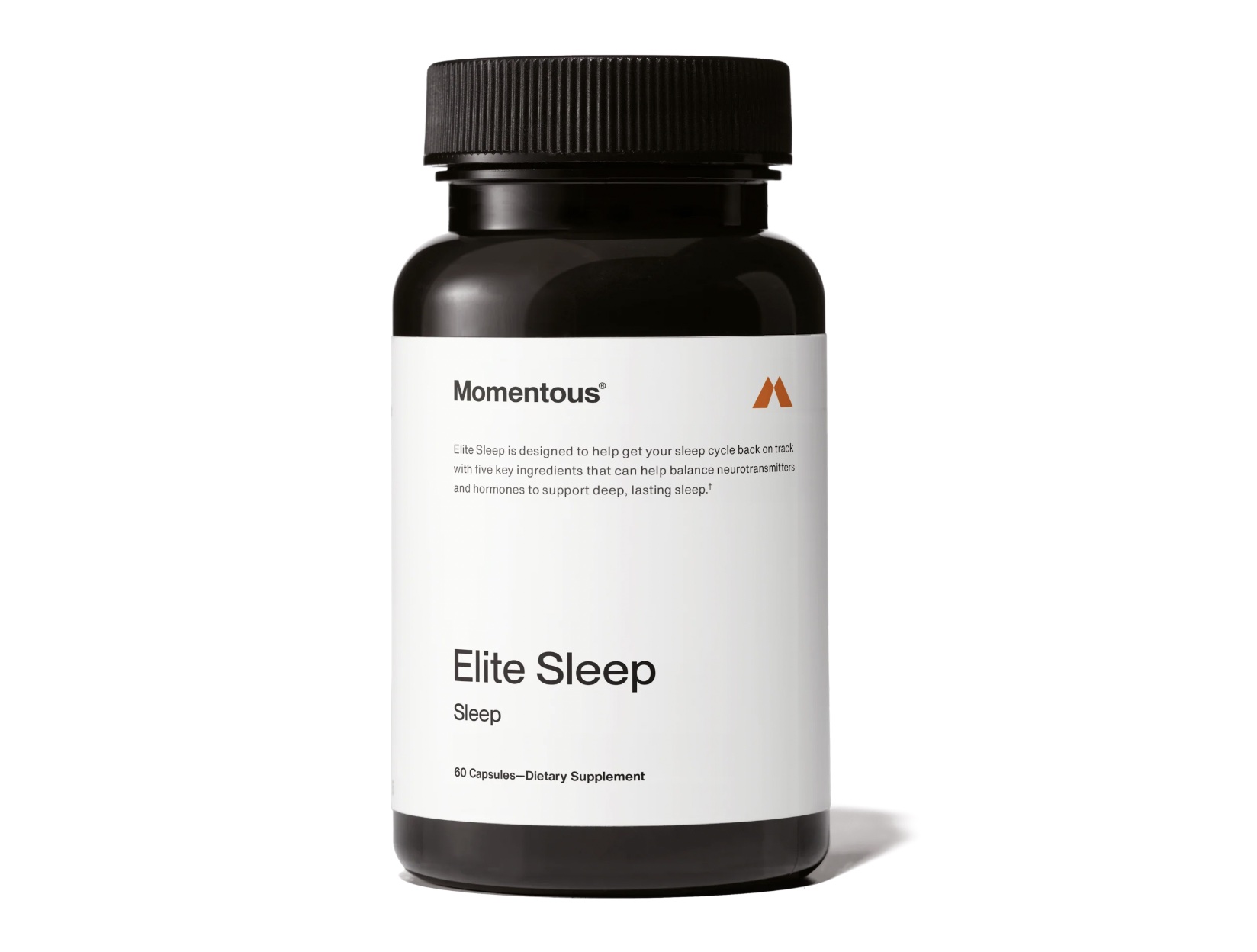



Alternatives to Melatonin
Melatonin isn’t the right choice for everyone. You may get the results you are looking for by cultivating healthy sleep habits, changing your sleeping environment, or addressing the root causes of your sleep difficulties.
- Practice healthy sleep hygiene: Committing to healthy sleep practices can help you sleep better. Try going to bed and getting up at the same time every day. Develop a relaxing bedtime routine. Exercise regularly, and avoid caffeine and alcohol in the evening.
- Avoid screens in the hours before bedtime: Phones, tablets, TVs, and other electronic devices with screens emit blue light, which inhibits melatonin production.
- Enhance your sleep environment: Make sure that your bedroom is cool, dark, and quiet. Consider purchasing a more comfortable mattress or high quality sheets.
- Address underlying health concerns: Many health problems can interfere with sleep. Treating conditions like chronic pain, sleep apnea, and acid reflux may help you get better sleep.
- Focus on your mental health: Stress, anxiety, and depression can all make it hard to sleep. Consider seeing a counselor, engaging in relaxation exercises, or asking for support from family and friends.
- Try cognitive behavioral therapy for insomnia (CBT-I): If you have insomnia, you might try CBT-I, which is an effective insomnia treatment. CBT-I involves addressing thought patterns and behaviors that interfere with sleep with the help of a licensed mental health professional.
Frequently Asked Questions





Medical Disclaimer: The content on this page should not be taken as medical advice or used as a recommendation for any specific treatment or medication. Always consult your doctor before taking a new medication or changing your current treatment.

Still have questions? Ask our community!
Join our Sleep Care Community — a trusted hub of sleep health professionals, product specialists, and people just like you. Whether you need expert sleep advice for your insomnia or you’re searching for the perfect mattress, we’ve got you covered. Get personalized guidance from the experts who know sleep best.
Lucy Bryan is a writer and editor with more than a decade of experience in higher education. She holds a B.A. in journalism from the University of North Carolina at Chapel Hill and an M.F.A. in creative writing from Penn State University.
Dustin Cotliar, MD, holds a medical degree from the State University of NY (SUNY) Downstate College of Medicine, and a master’s in public health from Columbia University, where he focused on healthcare policy and management. He is board-certified in Emergency Medicine, with over eight years of practice that includes emergency medicine, urgent care, and telemedicine.
Learn more about our medical advisory boardReferences9 Sources
Shane-McWhorter, L. (2023, January). Melatonin. Merck Manual Professional Version.
https://www.merckmanuals.com/professional/special-subjects/dietary-supplements/melatoninNeubauer, D. (2024 February). Pharmacotherapy for insomnia in adults. In R. Benca, J. Elmore, & A. Eichler (Ed.). UpToDate.
https://www.uptodate.com/contents/pharmacotherapy-for-insomnia-in-adults#H2582713949A.D.A.M. Medical Encyclopedia. (2023, October 18). Melatonin. MedlinePlus.
https://medlineplus.gov/druginfo/natural/940.htmlAbbott, S. (2024, February). Non-24-hour sleep-wake rhythm disorder. In C. Goldstein & A. Eichler (Ed.). UpToDate.
https://www.uptodate.com/contents/non-24-hour-sleep-wake-rhythm-disorderAuger, R. (2024, February). Delayed sleep-wake phase disorder. In C. Goldstein, R. Chervin, & A. Eichler (Ed.). UpToDate.
https://www.uptodate.com/contents/delayed-sleep-wake-phase-disorderJ. Owens. (2024, February). Pharmacotherapy for insomnia in children and adolescents: A rational approach. In R. Chervin & A. Eichler (Ed.). UpToDate.
https://www.uptodate.com/contents/pharmacotherapy-for-insomnia-in-children-and-adolescents-a-rational-approachSalahub, C., Wu, P. E., Burry, L. D., Soong, C., Sheehan, K. A., MacMillan, T. E., & Lapointe-Shaw, L. (2022). Melatonin for Insomnia in Medical Inpatients: A Narrative Review. Journal of clinical medicine, 12(1), 256.
https://pubmed.ncbi.nlm.nih.gov/36615056Erland, L. A., & Saxena, P. K. (2017). Melatonin natural health products and supplements: Presence of serotonin and significant variability of melatonin content. Journal of Clinical Sleep Medicine : JCSM : Official Publication of the American Academy of Sleep Medicine, 13(2), 275–281.
https://pubmed.ncbi.nlm.nih.gov/27855744/Cohen, P. A., Avula, B., Wang, Y. H., Katragunta, K., & Khan, I. (2023). Quantity of Melatonin and CBD in Melatonin Gummies Sold in the US. JAMA, 329(16), 1401–1402.
https://pubmed.ncbi.nlm.nih.gov/37097362/